Dickhead Weasel is the petty tyrant of transit in Catching Up–a low-level thug who turns a simple bus ride into a shakedown. He’s not a mastermind so much as a vibe-killer: the sort of guy who sees two nervous teens headed to a community-center party and decides the moment needs a surcharge. As a minor character, he leaves a major dent, setting the night’s tone before Rob and Clay even hit the door line.
That impact lands harder once you place him inside the larger architecture of the show’s opening night: in the pilot, “Clubbing”–which premiered on YouTube in September 2024 and was created, written, and directed by Mark McConville (aka LS Mark)–teen nightlife is presented as a chain of tiny humiliations, each one meaner for how ordinary it feels. Dickhead Weasel is the first tollbooth in that chain, and the episode wisely never overexplains him.
Introduction and Establishing Traits
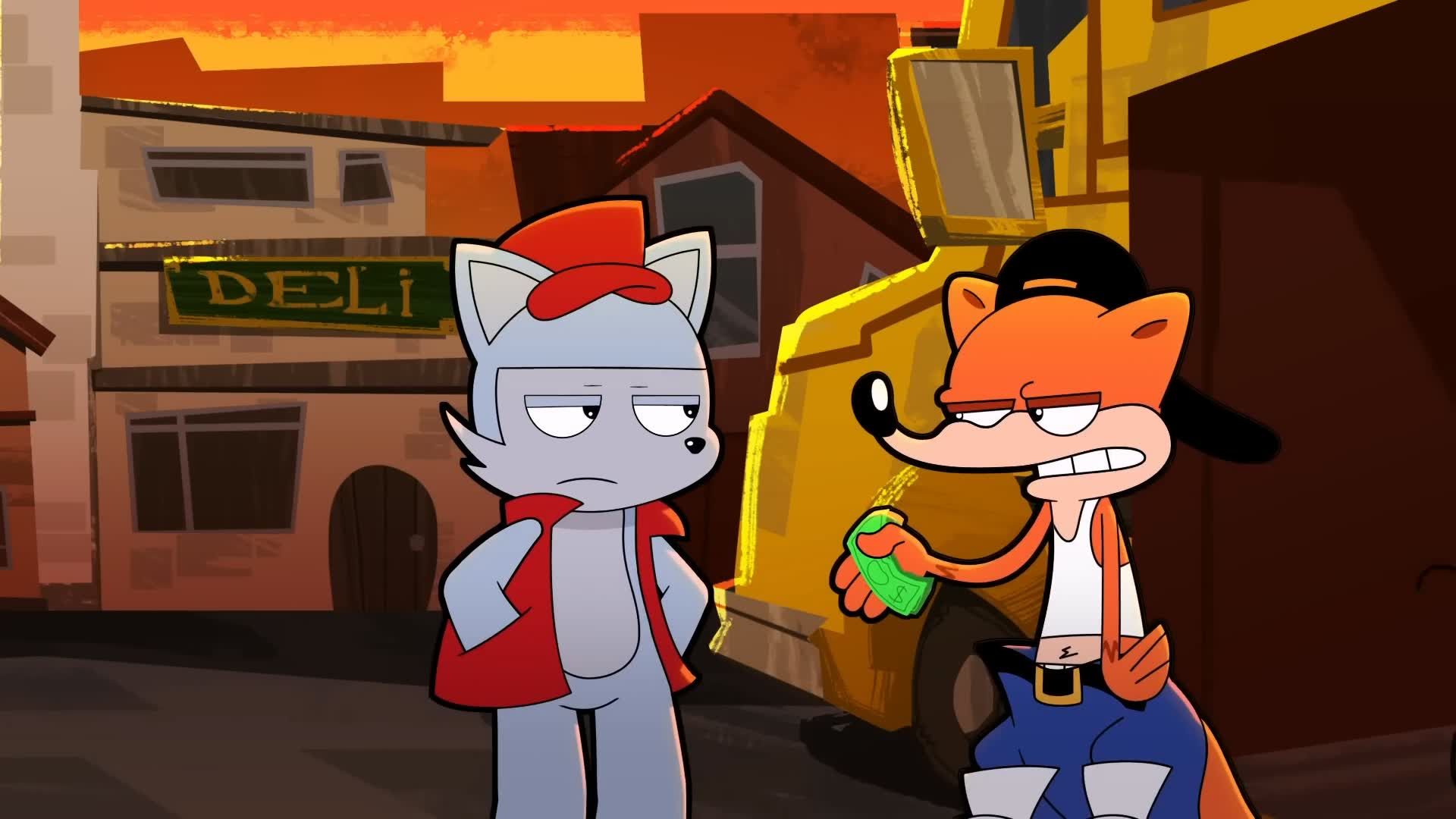
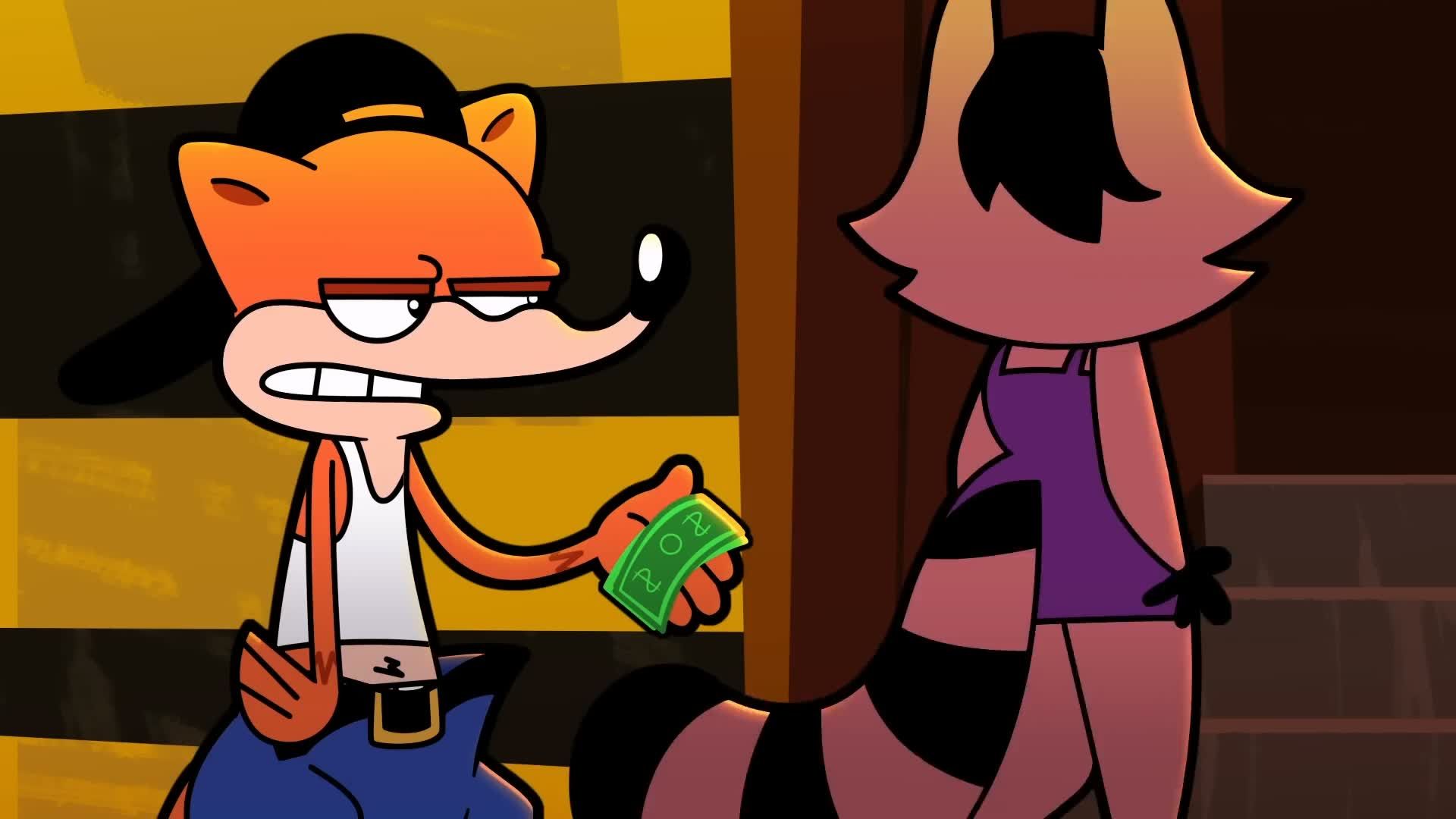
He rolls into the pilot as the “driver” for a beat-up bus that hauls kids to the under-18s club. Within seconds, his deal is clear: same route, different prices, all attitude. The way he handles Rob–arbitrarily hiking the fare–establishes him as a small-time enforcer of chaos who gets off on unequal rules.
The scene also works because it comes right after the last scraps of normal supervision. Once the boys are out from under the orbit of the Unnamed Father and onto the curb, the night stops feeling inconvenient and starts feeling predatory. Dickhead Weasel is the first person to exploit that shift.
“30 bucks.”
Visual Design and Distinct Features
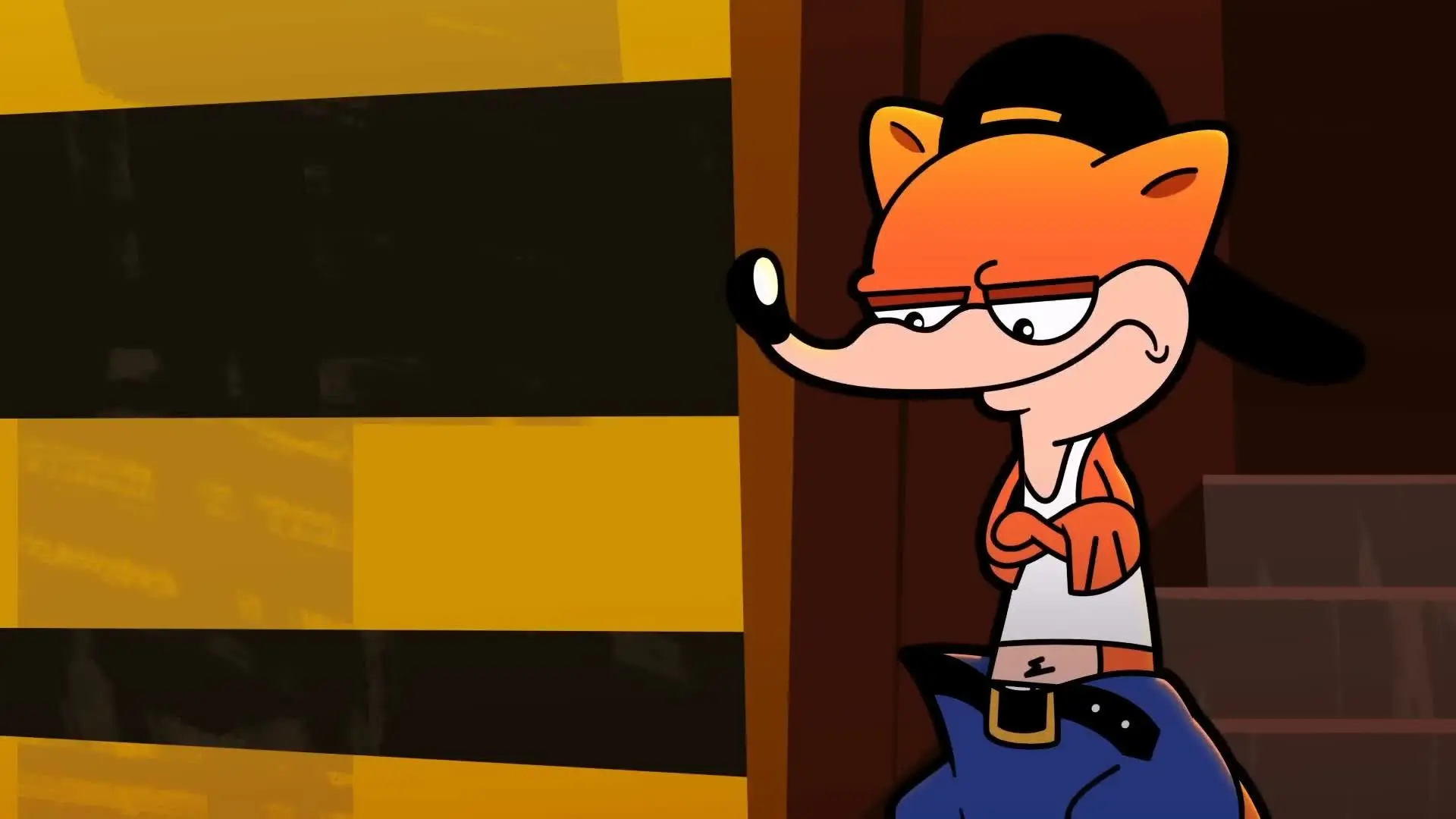
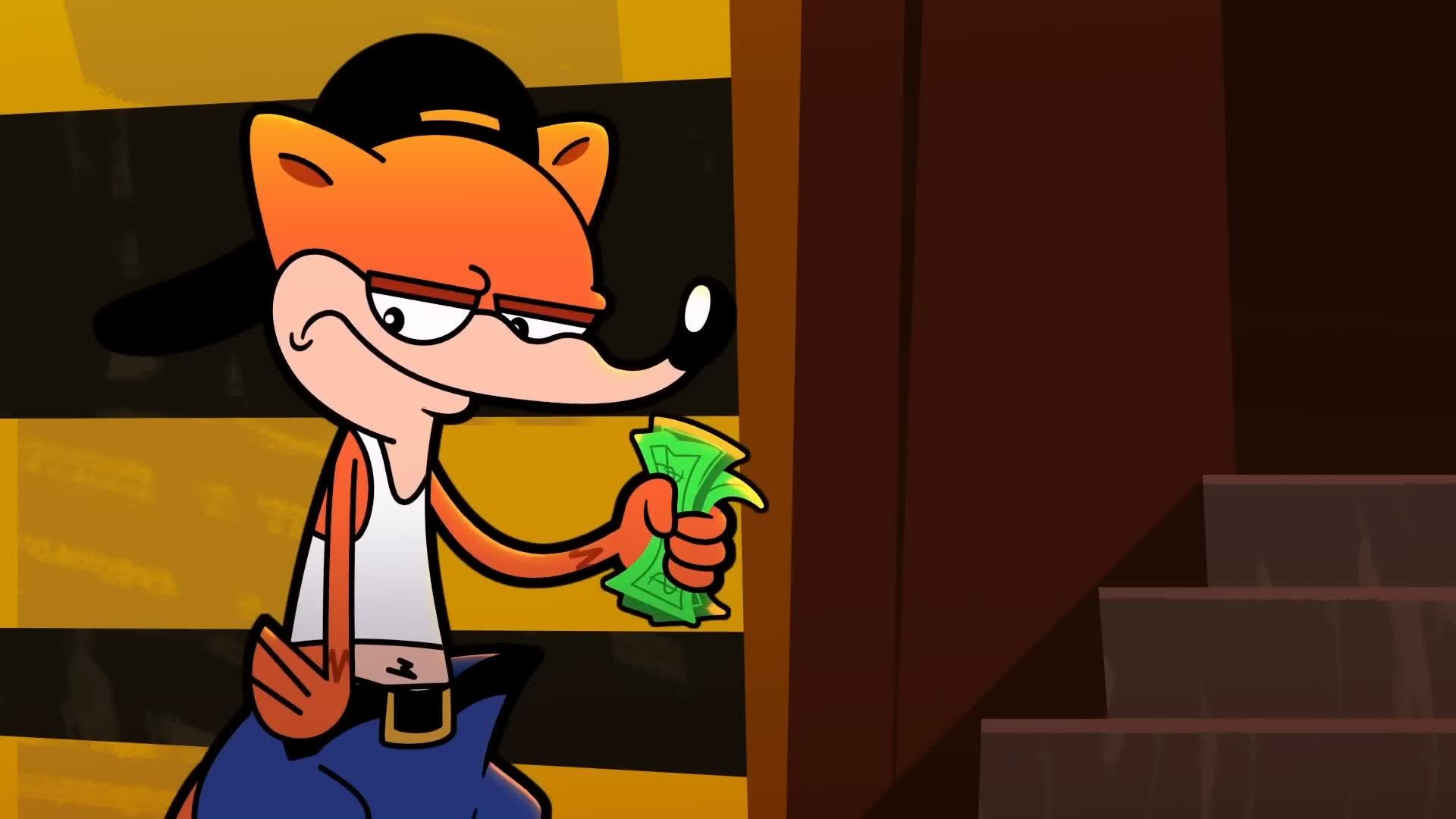
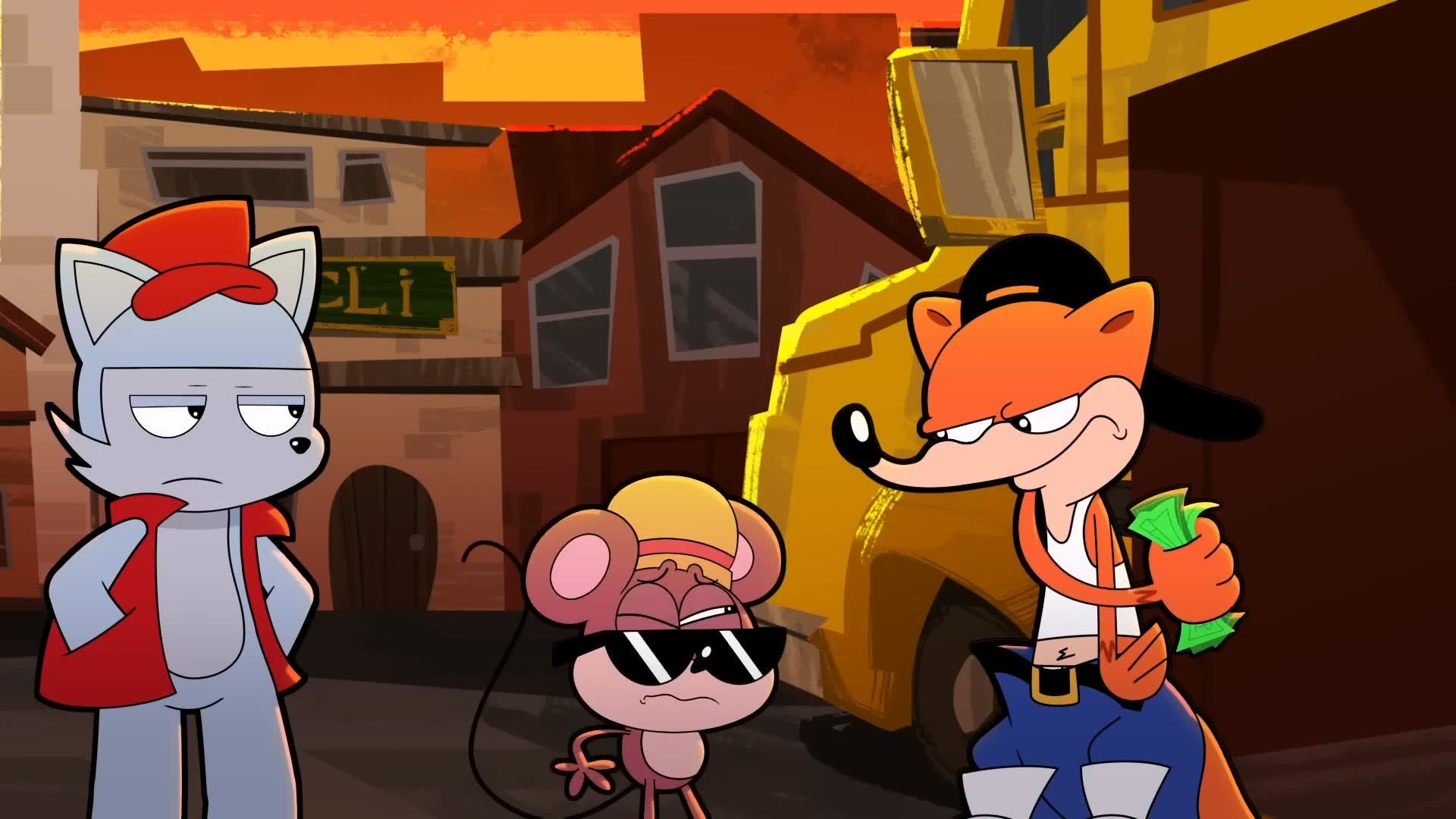
The character reads instantly among the wider Catching Up character lineup: an orange-and-tan weasel with a long snout, a comically long beanie cap, slumped posture, and pants sagging so low you catch underwear peeking over the waistline. A trailing tail and bright red shoes finish the silhouette. The outfit tells the story–louche, lazy menace, the kind of streetwear that doubles as a warning label.
Personality, Morals, and Motivations
Morally, he’s bargain-bin: opportunistic, spiteful, and allergic to fairness. He ups Rob’s fare not out of need but because he can, and the pleasure seems to come from watching somebody flinch. That makes him a sharp early foil for Clay, whose whole night is built around spotting bad vibes before they turn into a disaster.
What keeps the bit funny instead of purely grim is how small his ambition is. Unlike Roy, who at least tries to sell confidence and social ease, Dickhead Weasel doesn’t bother with charm. He wants the money, the discomfort, and the tiny thrill of making somebody accept a raw deal in public.
Strengths, Schemes, and Weaknesses
His strongest weapon is platform control. Unlike the Bouncers, who hide behind venue policy and deadpan procedure, Dickhead Weasel works from a looser, dirtier version of the same instinct: if you control the threshold, you control the kid trying to get through it.
- Strengths: Situational control, shameless confidence, and a nose for easy marks.
- Schemes: Variable pricing, fake scarcity, and social pressure in public lines.
- Weaknesses: Paper-thin authority–once his platform is gone, so is his leverage; he’s dangerous only while the ride is his.
“…20 bucks.”
Key Relationships and Power Plays
Snazzy Jacobs and the bar crowd later represent a cooler, quieter form of judgment, but Dickhead Weasel is much blunter. With Rob, he doesn’t finesse the power play–he just names a higher number and waits. That directness is exactly why the exchange sticks in memory.
He also benefits from the pilot’s social architecture: public embarrassment does half the labor for him. In a night full of sidelong looks and instant pecking orders–exactly the kind of atmosphere embodied by Jessica Jacobs and the rest of the club’s more self-possessed regulars–nobody wants to be the kid holding up the line over ten bucks.
Standout Episodes and Story Beats
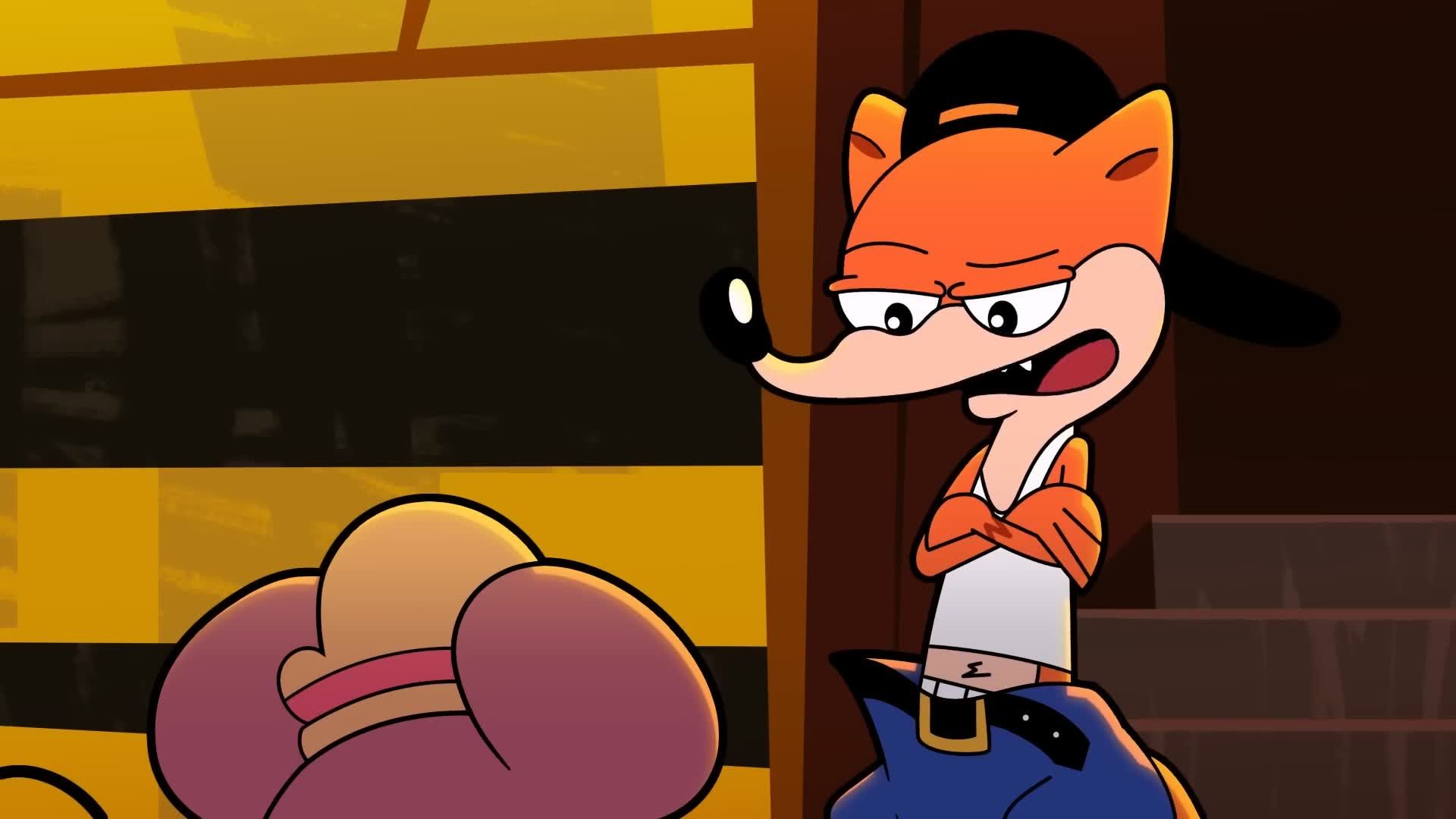
In the pilot’s transit stretch, Dickhead Weasel runs the bus hustle: $20 for classmates, $30 for Rob, no explanation beyond a smug stare. That single beat cascades into LUUB’s irritation economy and prepares the ground for every later hassle, from dress-code nonsense to the more overt dominance games pushed by Bully Guy.
That is why his screen time plays bigger than it is. Side figures like Cool Cat may tilt the club sequence in other directions later, but Dickhead Weasel gets the crucial first strike: he teaches the audience that this night will keep charging extra for the privilege of being annoying.
Character Development and Reversals
He doesn’t develop, and that’s deliberate. The show likes side characters who enter, do one clean job, and leave an aftertaste. That economy is part of what makes even fleeting presences like Stecher or Dickhead Weasel feel oddly complete rather than half-sketched.
Conflicts, Consequences, and Payoffs
The immediate consequence is budget drain and morale damage; the broader payoff is thematic. Once Dickhead Weasel sets the gouging precedent, every other gatekeeper feels louder and pettier. By the time the club is enforcing shoe rules and bodies are literally getting tossed around–as with Dead Ferret at the door–you can trace the episode’s fuse back to that bus step.
Satire, Dark Humor, and Catchphrases
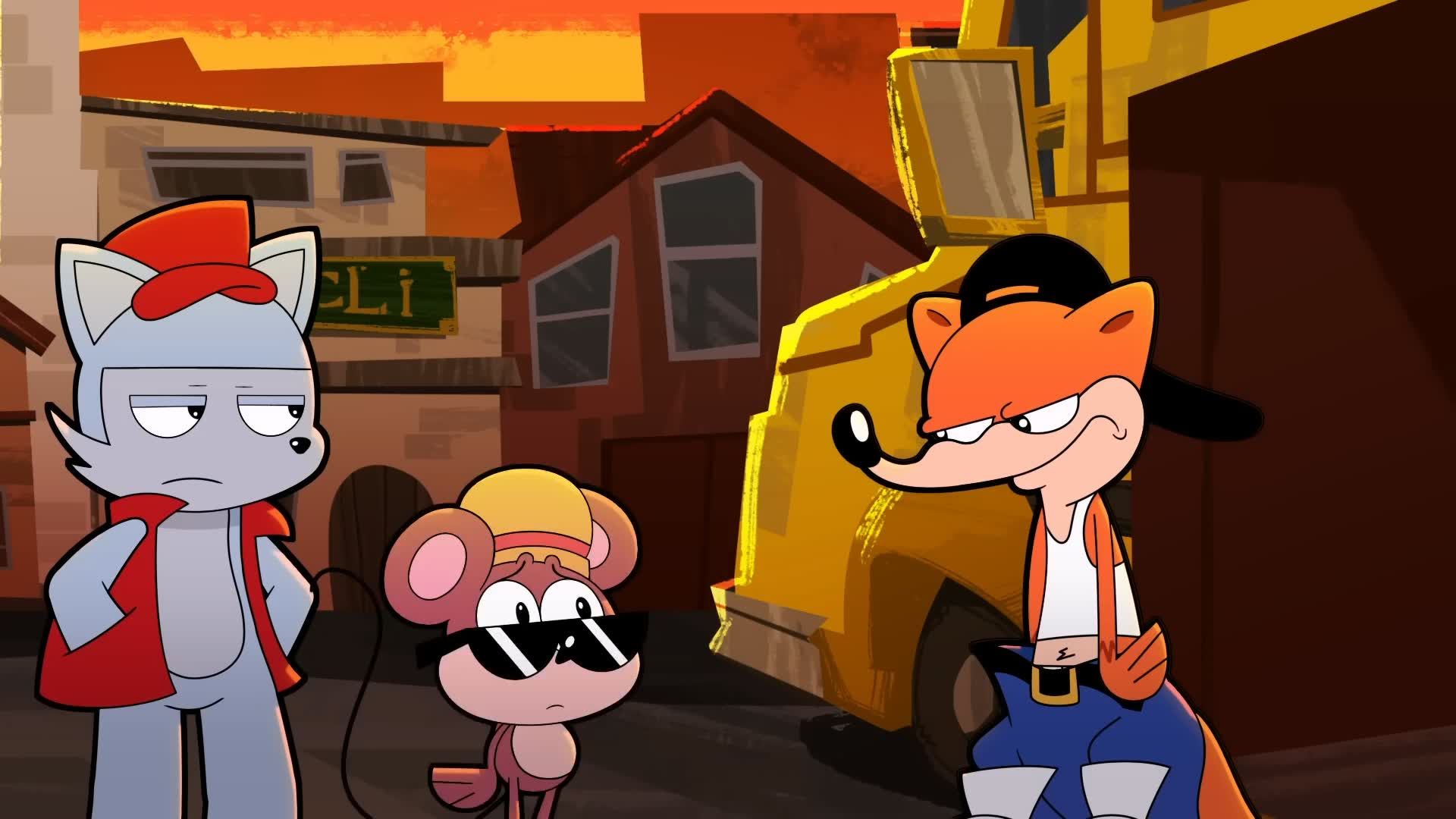
The comedy isn’t in jokes so much as in pettiness weaponized. The stone-faced “30 bucks” lands like a catchphrase because it is so nakedly arbitrary, and the line fits the show’s wider sense of crowd comedy: half the humor comes from watching bystanders silently clock the absurdity, the way characters like Rabbit Girl often make the room’s mood legible without saying a word.
Thematic Role within the Series
Dickhead Weasel embodies predatory micro-authority–people who control the bottleneck and tax your night for sport. He is the threshold version of what DJ McNulty becomes inside the club: another figure whose control over the environment shapes how everybody else feels, whether he speaks much or not.
He also helps establish that the pilot’s social world is already sorted before Rob and Clay arrive. By the time the boys are trying to read tougher cliques and paired-on-purpose figures like Raccoon & Ferret, the episode has already taught us that access in this world is never neutral.
Creator Intent and Performance Notes
In performance, the role leans dry and disdainful, letting silence and flat reads do the intimidation. The English voice credit goes to Jayden Libran, and the casting is exact: he gives Dickhead Weasel a sneering, lived-in contempt without pushing him into broad cartoon villainy.
That precision matters in a show whose appeal depends on brief characters popping hard and fast. Within the wider Catching Up voice cast, Dickhead Weasel is a good example of how the series uses recognizable indie performers for tiny but sticky roles that sharpen tone almost instantly.
Audience Reception and Iconic Moments
Fans quickly clipped the fare-hike exchange because it condenses the pilot’s whole social thesis into two numbers. Dickhead Weasel exits fast but lingers as a meme, a shorthand for teen-night shakedowns and all the weird little tolls that keep stacking before the fun even starts. He fits the pilot’s screenshot economy perfectly: one hard-faced line, one ugly little flex, and he is lodged in memory as firmly as any reaction beat from the bar crowd, whether the camera lands on Jacket Girl or swings back to Rob.
Enduring Role in Catching Up
Whenever the series needs to remind us how fragile a good night is, it can re-deal the Weasel archetype: a petty gatekeeper at the very first step. He is the template for small stakes that feel huge when you are young, broke, and trying to keep your dignity intact.
Even as the show’s world keeps filling out, Dickhead Weasel stays locked into the active minor-character lane where he works best: not a redemption project, not a mystery box, just a perfectly calibrated pain in the neck. That is why the bus scene keeps echoing long after the episode moves on–because it tells you, with brutal efficiency, exactly what kind of night this is going to be.