
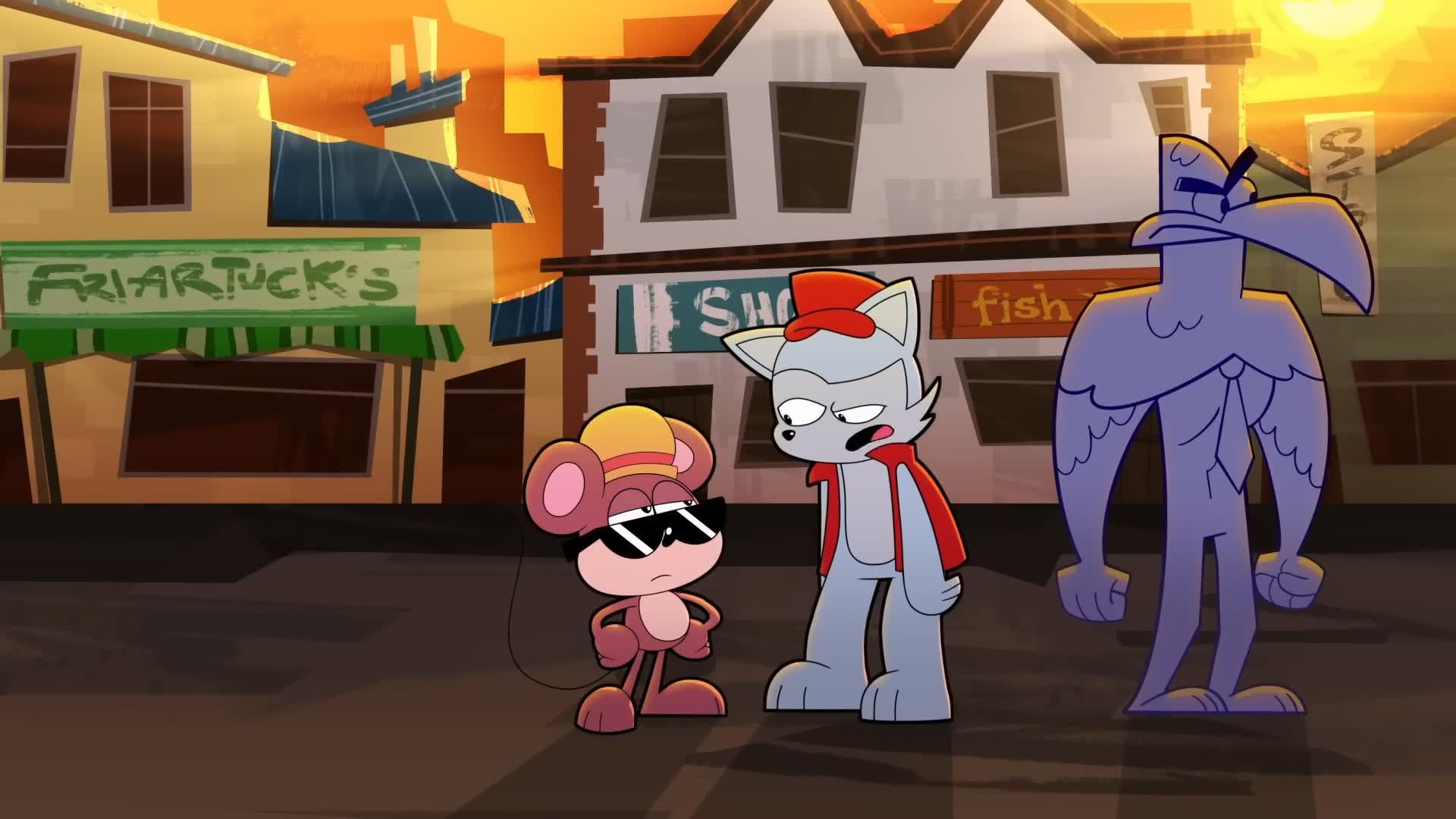
This indie animated web show follows Rob and Clay, a misfit duo stumbling through high-school social life in a world of talking animals. It’s created, written, and directed by Mark McConville (aka LS Mark), and the pilot premiered on YouTube in September 2024. The vibe: slice-of-life chaos, snarky humor, and painfully relatable teen anxiety–filtered through bright, character-driven animation.
Watch online
Episode Overview
The first episode – nicknamed “Clubbing”–tracks a single afternoon and night. Rob spends the school day hyping a trip to a teen “club” at the community center; Clay wants absolutely no part of it. Peer pressure plus a nudge from family finally gets Clay out the door. From there, it’s a domino run of tiny tragedies: a sketchy bus ride, bouncers with rules, two girls who turn Rob into a literal coat rack, and a spiraling night that leaves both guys a little wiser (and a lot stickier).
Beat-by-Beat Plot Outline
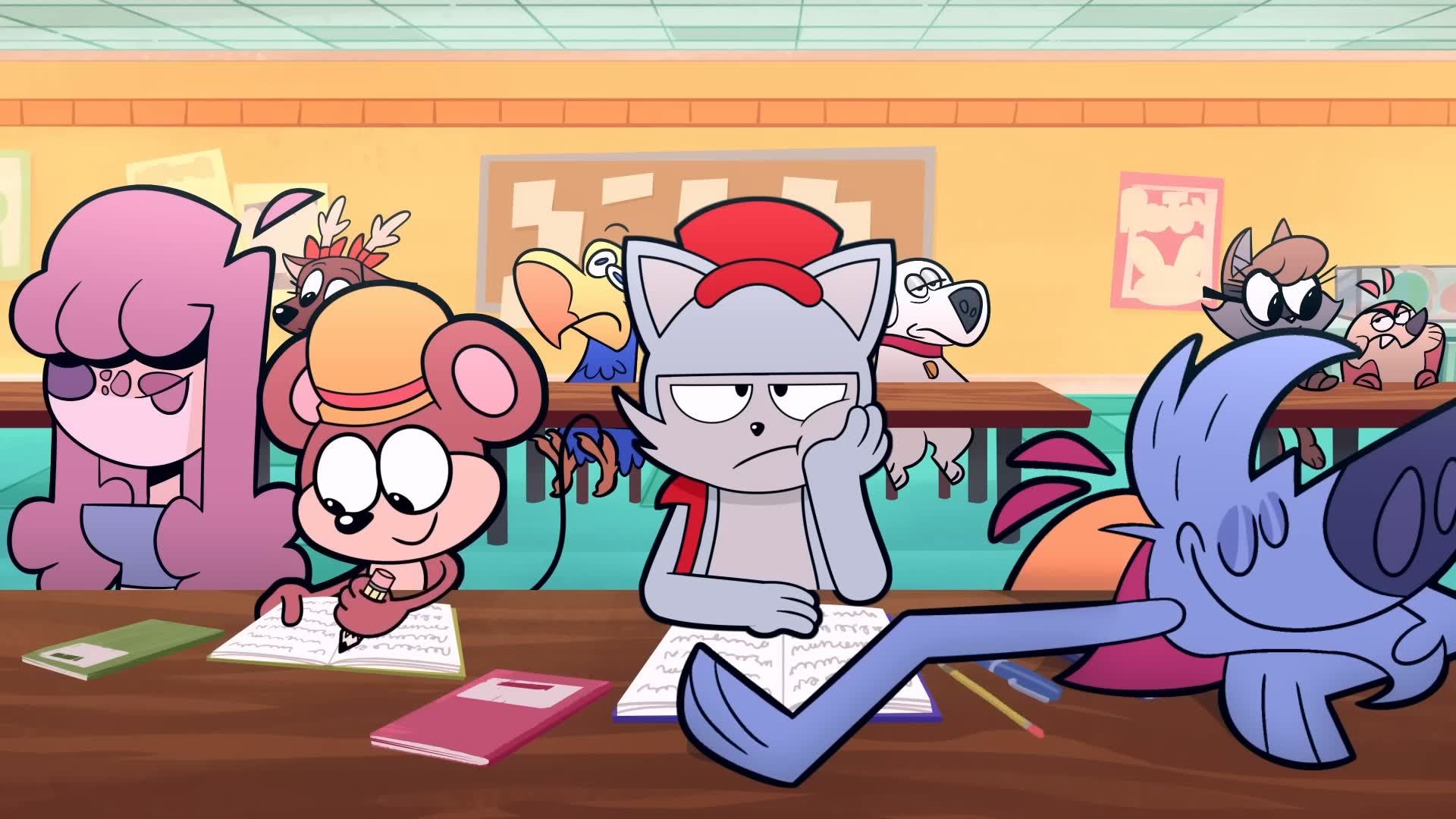
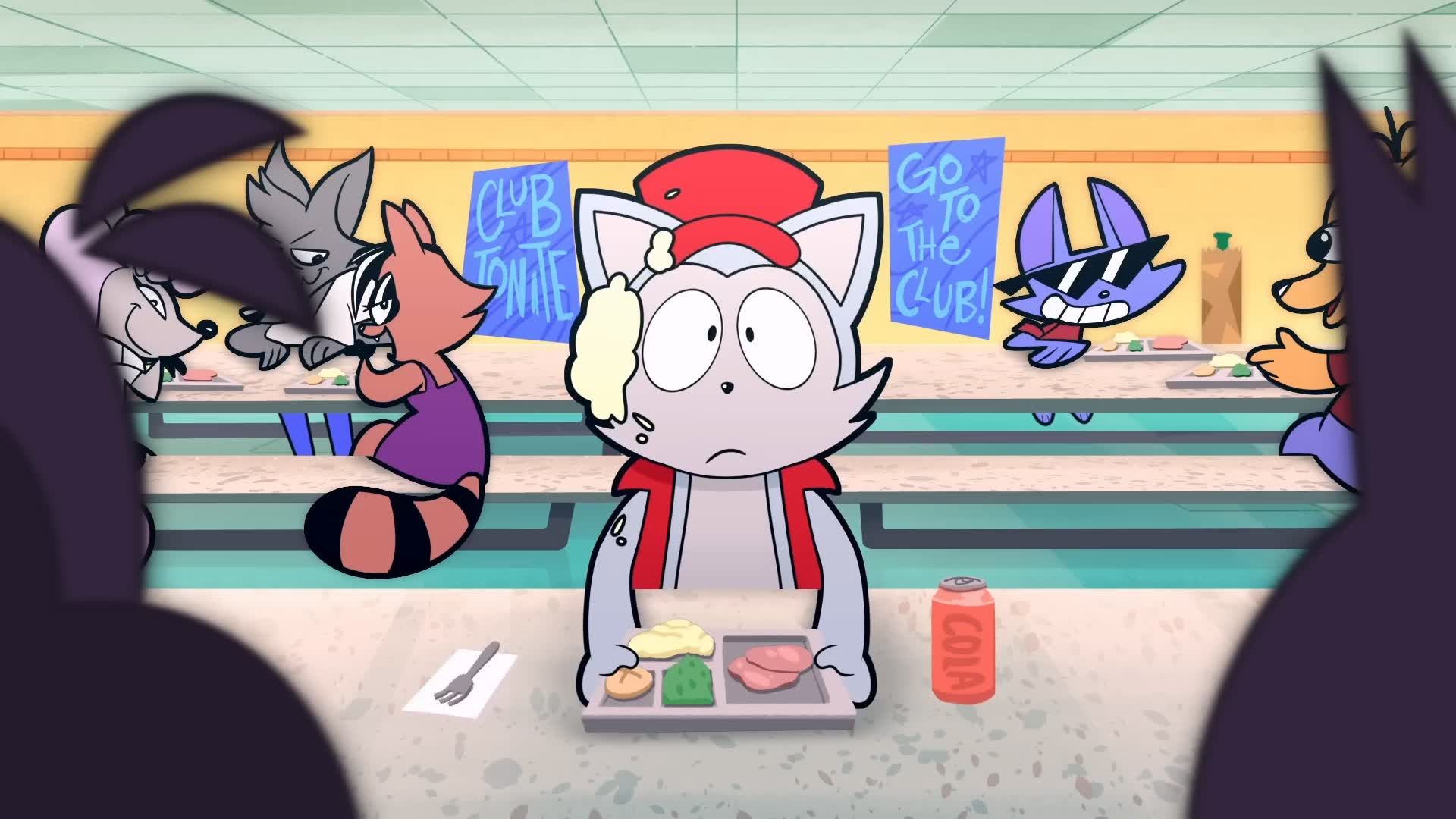
School Day Setup
Rob is relentless: see you after school, we’re going out, it’ll be legendary. Clay attempts stealth mode, but Rob’s optimism is bulletproof. The comedic dynamic is set early–one pushes, the other digs in.
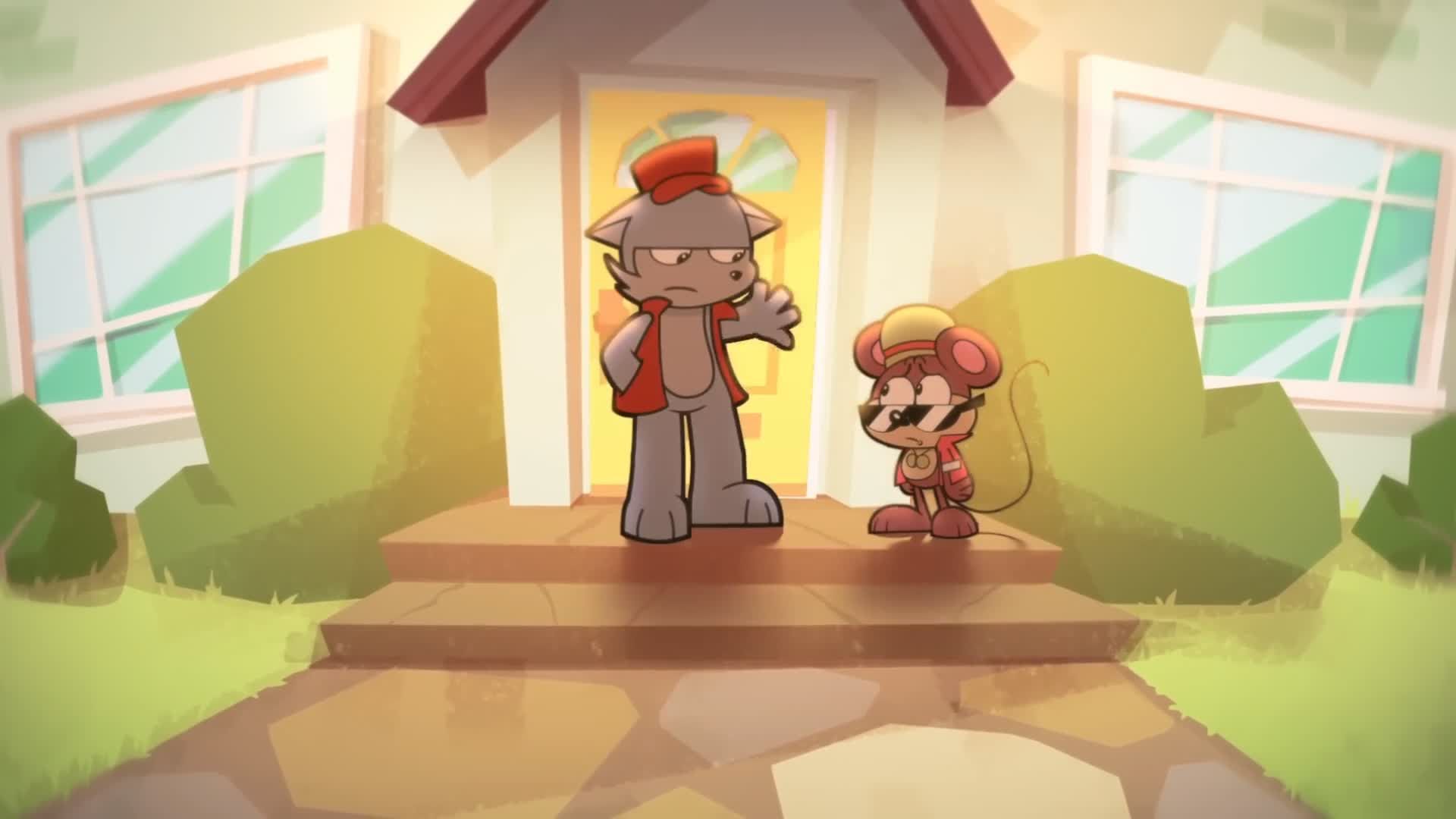
House Visit & Reluctant Agreement
Rob shows up at Clay’s door. Clay slams it. Clay’s mom intervenes (“You have to get out of this house.”) and–against his better judgment–Clay caves. It’s not enthusiasm; it’s surrender.
Journey to the Club
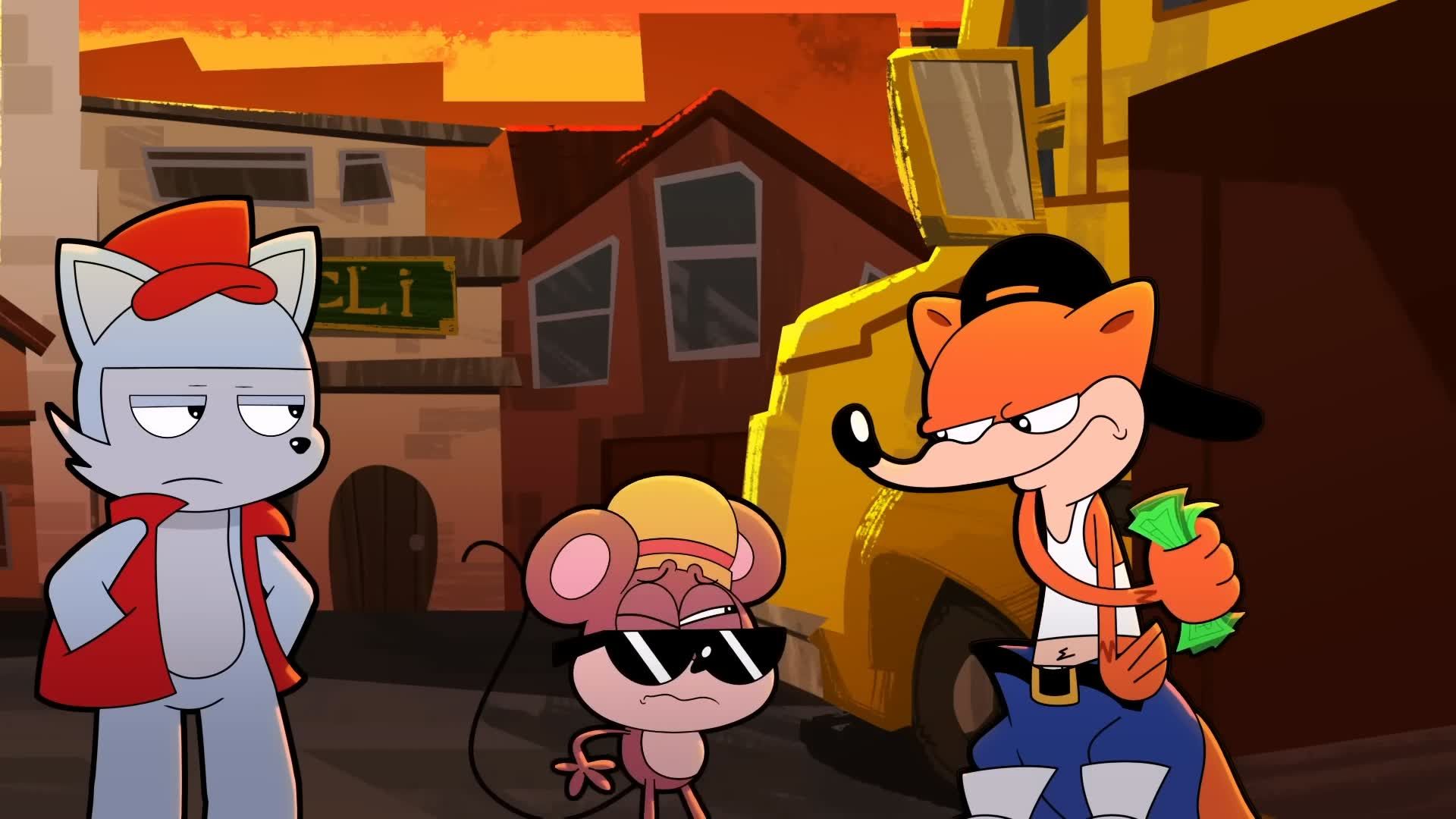
Instead of a normal ride, they pay a classmate for a seat on a beat-up bus. The price keeps changing, which Rob justifies as “part of the experience.” Two girls stash their jackets with Rob, triggering the night’s running gag and social trap.
Inside “LUUB” – Attempts, Misfires, Consequences
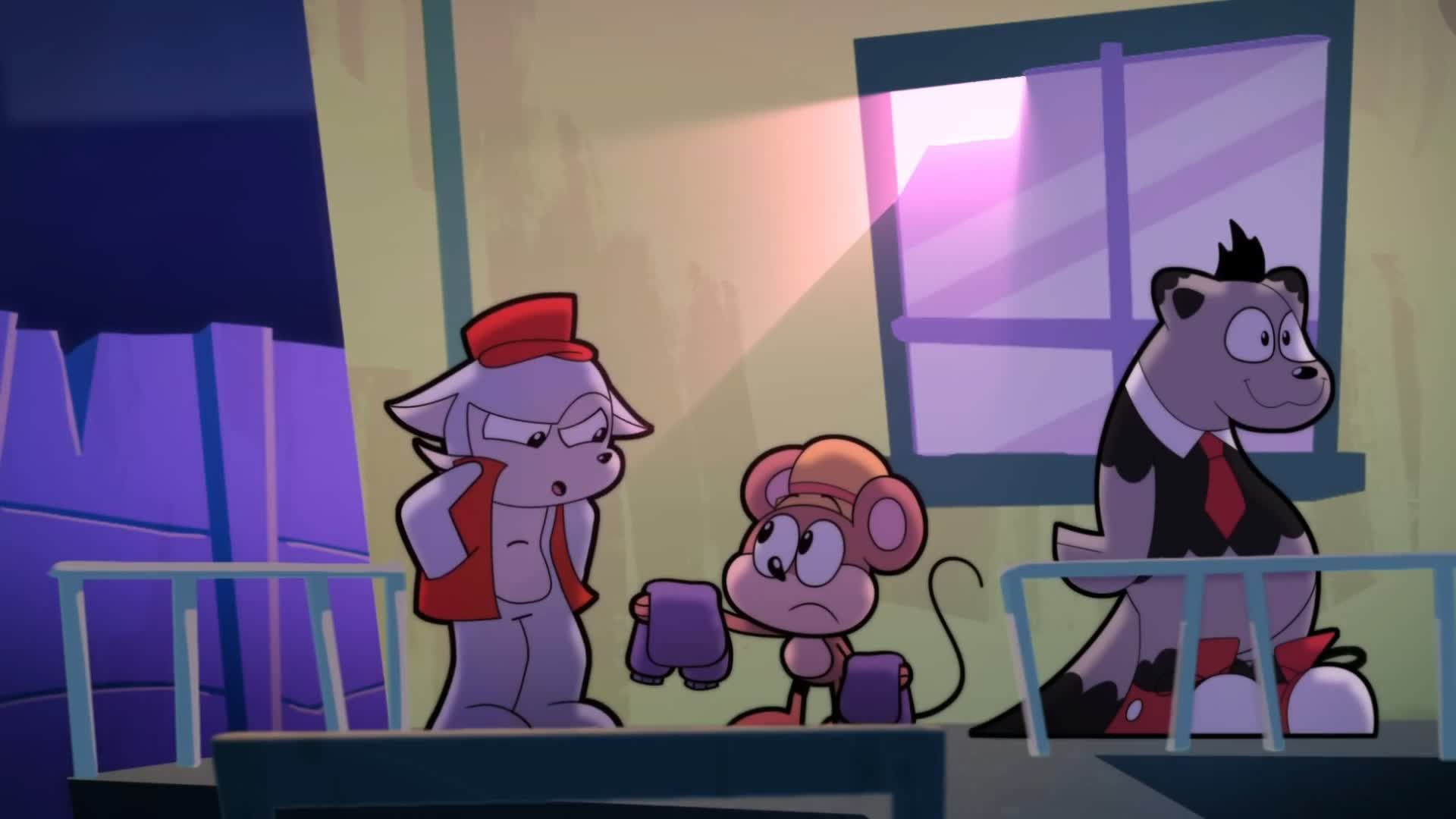
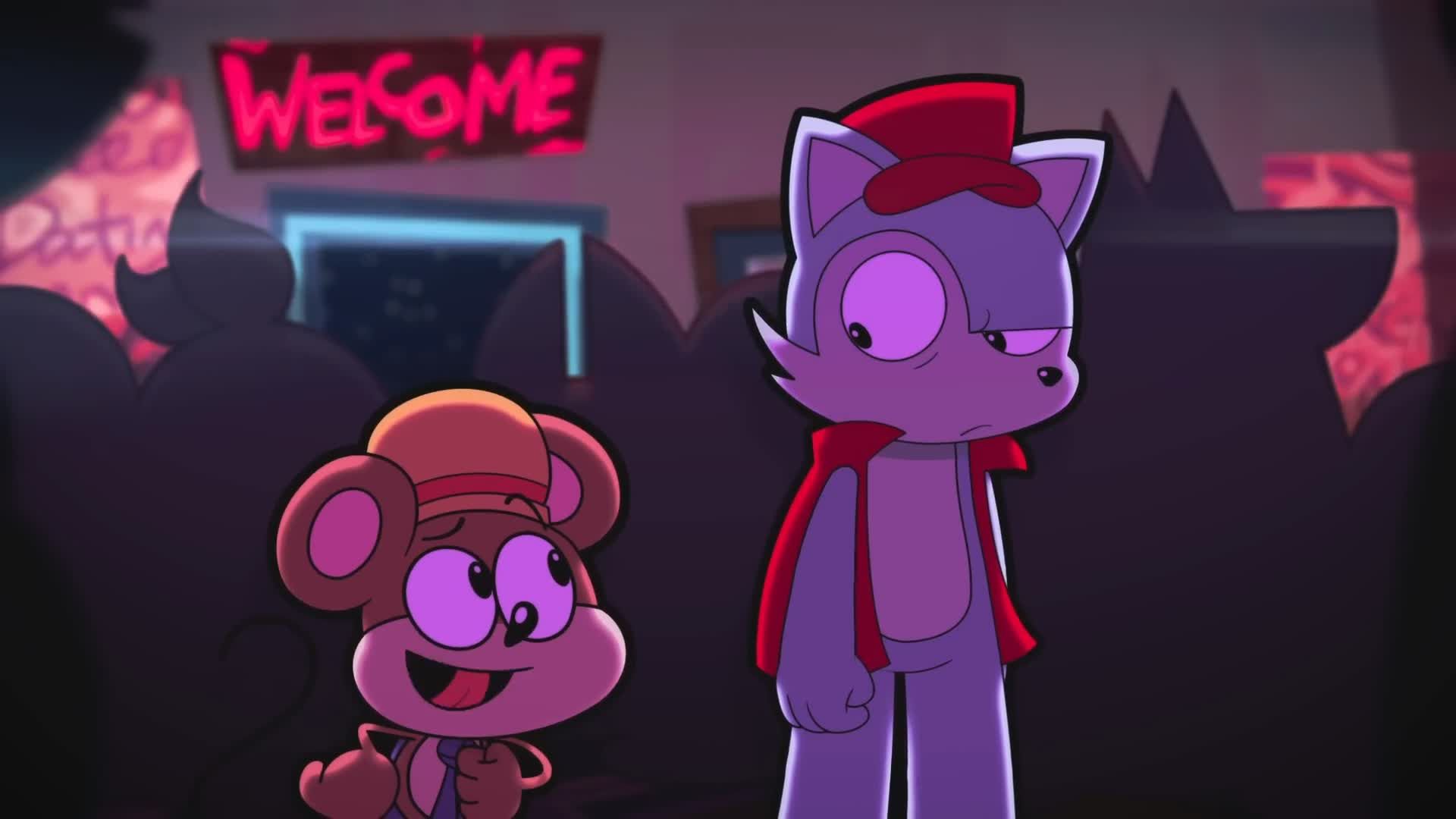
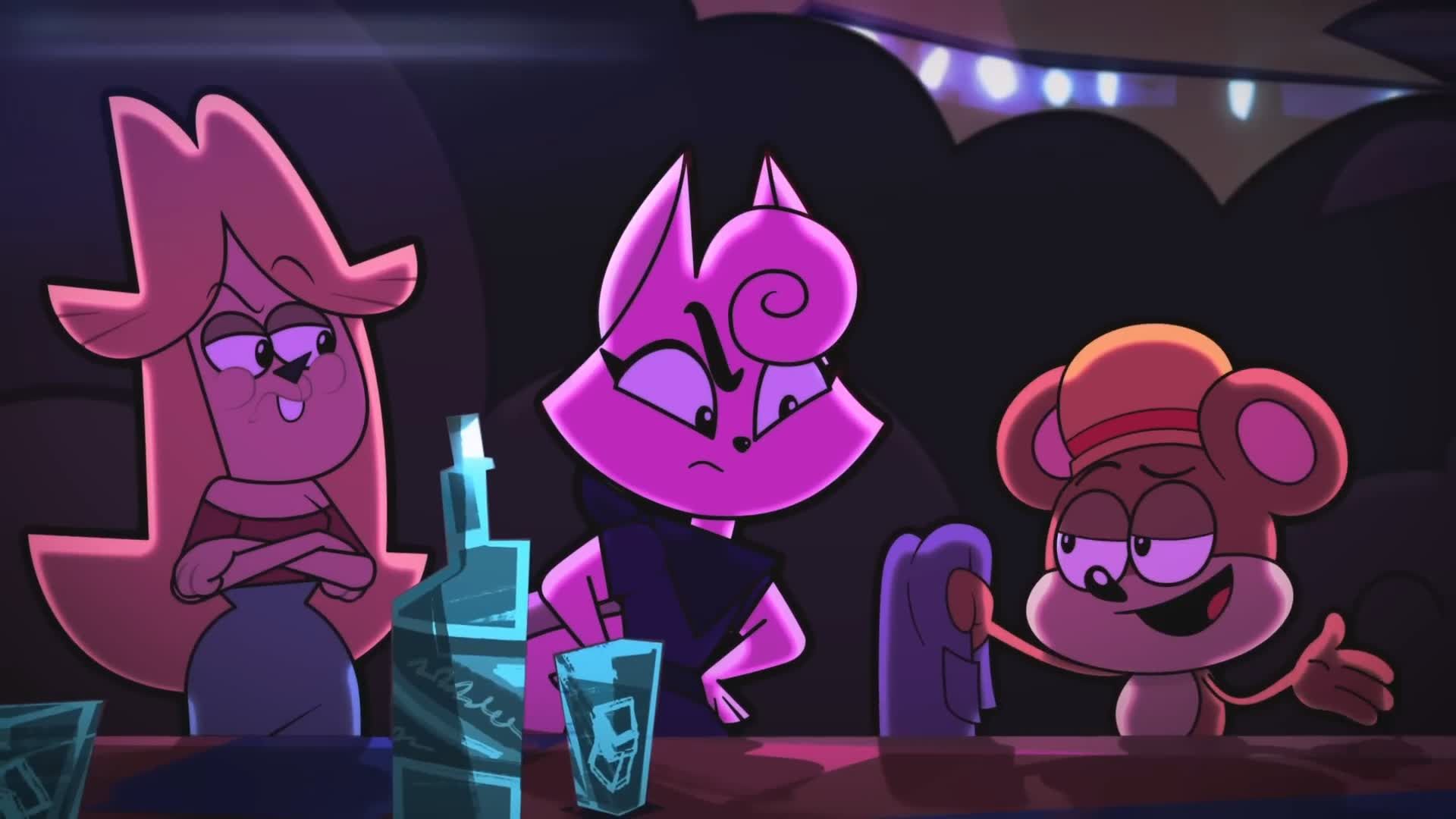
The community-center club is loud, sweaty, and rule-heavy. Rob gets bounced (nearly) for the wrong shoes, then treated like furniture by the girls he’s chasing. Clay tries to find quiet, gets dragged into chaos, and is offered a “soda” that’s… not a soda. The vibe tilts from awkward to messy fast.
Comedown & Closing Beat
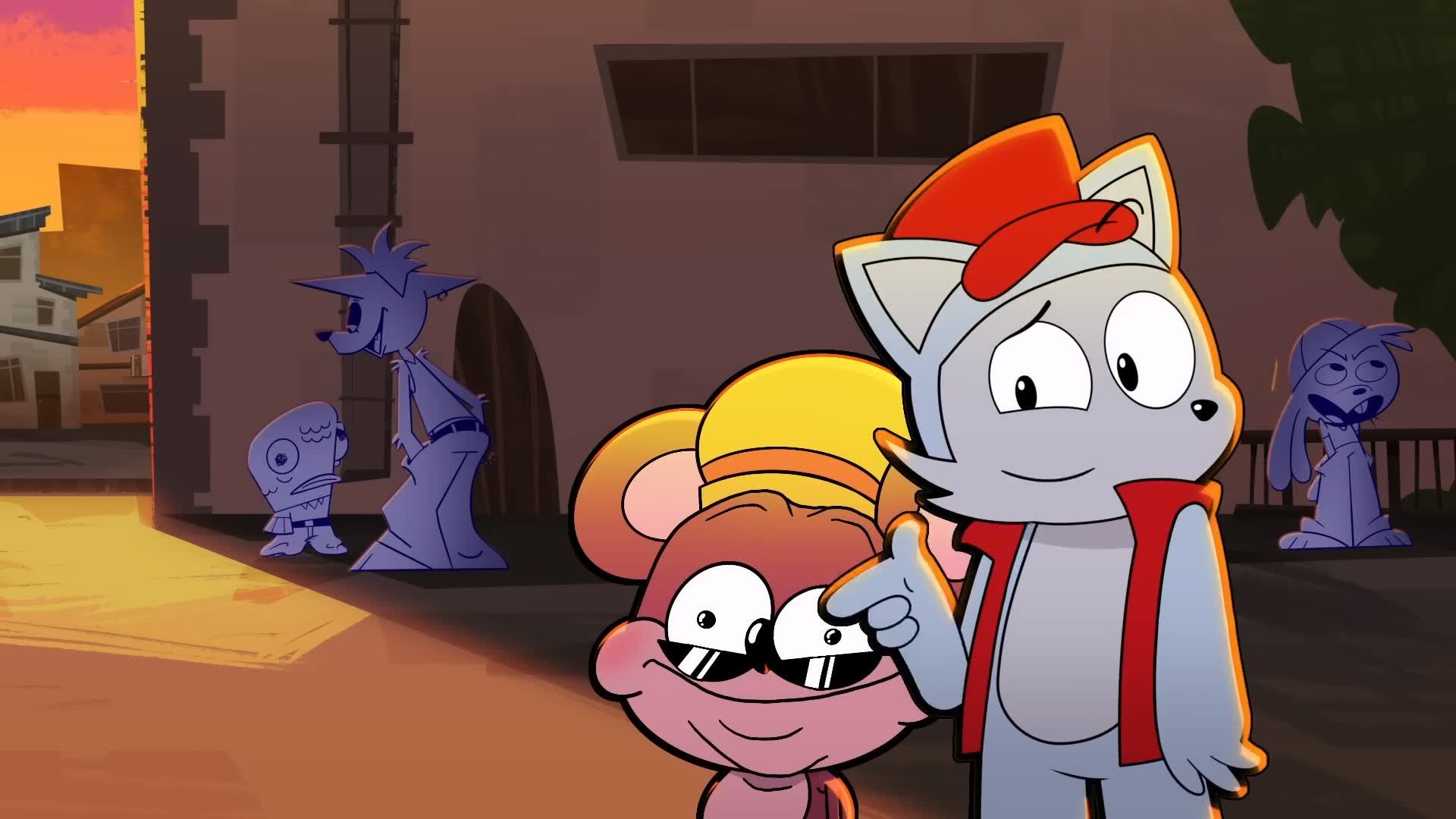
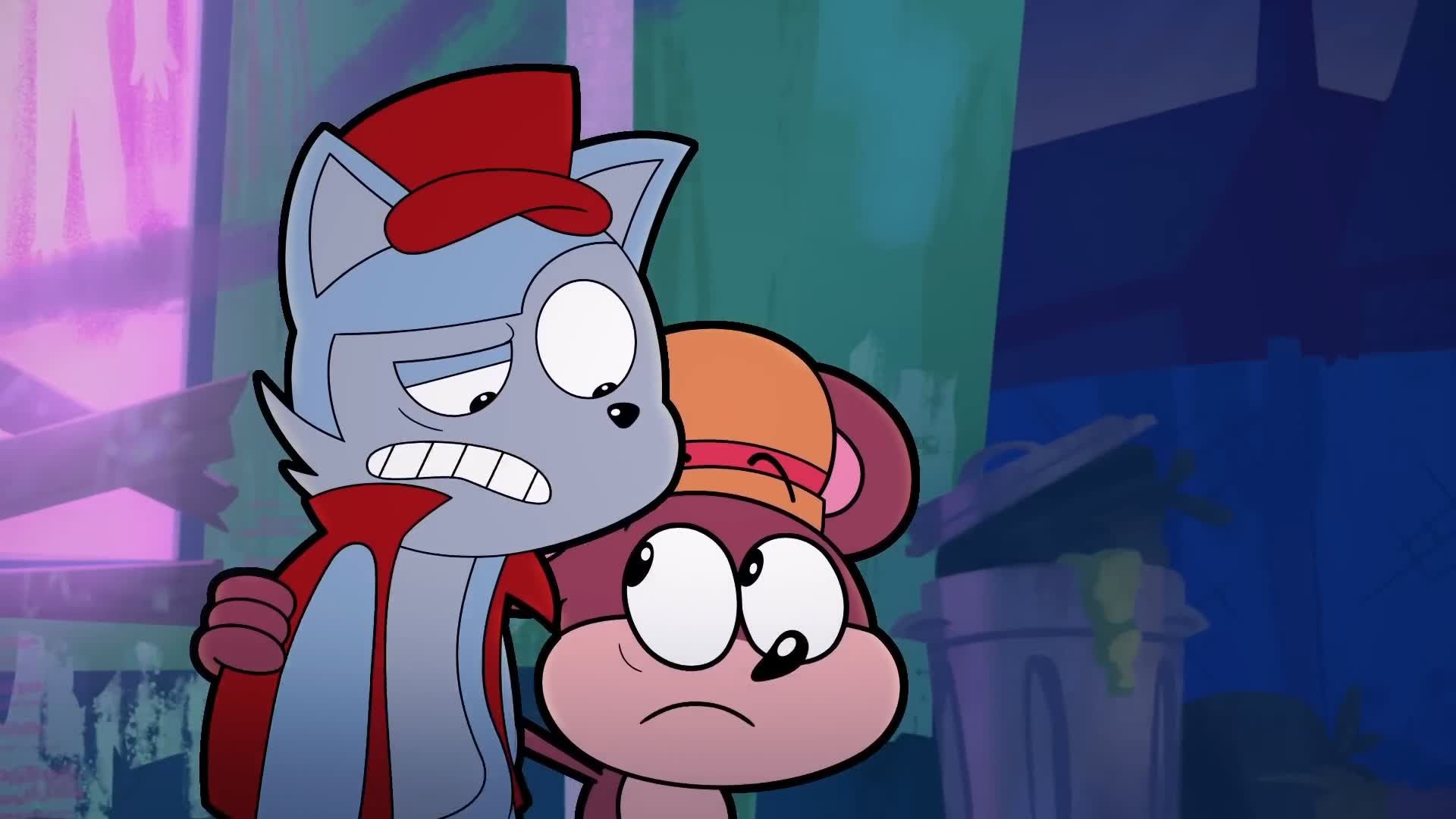
When the girls treat Rob like their personal valet, Clay snaps. The “jacket” bit pays off in a cathartic outburst, and Rob–still loyal–guides his friend home. On the walk back, they share an honest debrief: the night wasn’t magical, but stepping out wasn’t a total loss either.
Principal Characters Introduced
Rob
Over-eager, people-pleasing, and perpetually certain that this will be the night things change. He wants connection so badly he volunteers for free labor, convinced kindness will convert into friendship.
Clay
Guarded, sardonic, and observant. Clay’s social anxiety reads as aloofness, but he’s the one who ultimately draws a boundary when Rob can’t. His arc tonight: from “let’s go home” to “enough is enough.”
Supporting Faces (family, peers, club staff)
Clay’s mom is the gentle shove out the door; Rob’s dad is the well-meaning chauffeur. Bus kids, bouncers, random club-goers, and a pair of opportunistic girls form the moving obstacle course that powers the comedy.
Setting & Worldbuilding
School & Home
Daytime is bright and clean: lockers, hall chatter, and the comfort of routine. Home frames the push-pull between safety and stagnation.
The Club “LUUB”
It’s not Vegas; it’s a rentable hall with thumping tracks, overworked staff, and strict “no trainers” energy. A perfect satire of teen nightlife expectations versus reality.
Transit & City Texture
The grimy bus, fluctuating fares, and cold curb outside the venue sell the DIY, small-town teen experience. The world feels lived-in–and a little sticky.
Themes & Motifs
Friendship vs. Social Anxiety
Rob equates activity with connection; Clay equates distance with safety. The episode tests both theories in public, under neon lights.
Image, Status, and “Trying Too Hard”
From shoe rules to coat-holding, the script needles the ways teens trade dignity for social currency–and how quickly that deal sours.
Teen Nightlife Satire
The “club” is a mirror: kids LARP adulthood, copy the rituals, and still come off awkward. That’s the joke and the heart.
“You know what–actually, why don’t you come with us and carry our jackets everywhere we go?”
Tone, Humor, and Audience
Fast, quippy, and a bit mean in that way teen nights can be. The jokes punch upward at social hierarchies and sideways at the boys’ own delusions. It skews older teen/young adult thanks to language and situations.
Visual Style & Animation Approach
Clean character shapes, expressive brows and snouts, and a color script that shifts from school-day brightness to club darkness. The staging favors readable silhouettes and quick reaction shots; timing sells the gags more than squash-and-stretch excess.
Voice Cast & Crew Credits (Creator, Director, Leads)
Created/written/directed by Mark McConville. Voices include McKenzie Atwood (Rob), Michael Kovach (Clay), with additional roles by Kellen Goff and Joshua Tomar. The ensemble nails the rhythm: overeager Rob vs. deadpan Clay is the engine.
Music & Sound Design Notes
The mix leans into diegetic thump inside LUUB–dancey loops, muffled bass, and crowd wash–contrasted with crisp hallway ambience and bus rattle. A credited track (“Memorial Day” by Alex Productions) punctuates the upload’s audio palette. Sound gags (shoe squeaks, jacket flaps, the bouncer’s mic patter) carry as many jokes as the dialogue.
Notable Moments & Potential Pull-Quotes
- The elastic bus-fare negotiation that sets the night’s “you’re being played” motif.
- Rob promoted from wingman to wardrobe–physical comedy that pays off later.
- Clay’s final loss of patience, a satisfying snap that redraws the friendship lines.
“For the love of God–just take the stupid jackets back!”
Easter Eggs, References, and Callbacks
Background critters pop up in multiple locations; a few side-characters feel designed for later payoffs. The bouncer-bit riffs on classic “no trainers” club clichés. There are winks to internet club-culture tropes (drip jokes, coat-check hacks) sprinkled throughout.
Continuity: Seeds for Future Episodes
The pilot plants Rob’s approval-seeking and Clay’s boundary issues as ongoing friction points. The school setting and community center establish a compact sandbox for more “one-bad-night” style misadventures. The girls, bus kid, and bouncers read like recurring foils.
“I guess I need to stop letting people walk all over me.”
Trivia & Goofs
- A bottle that seems “finished” in one beat looks magically fuller later–classic continuity hiccup.
- The club’s name (LUUB) doubles as a punny signage gag when the lighting flares.
- Deleted bits floating online hint at extra banter outside the venue.
Content Advisory / Rating Notes
Language, alcohol references, and light scuffles land this squarely in older teen territory. Nothing graphic, but the humor assumes a high-school lens on partying and social pressure.
Reception Snapshot (Fan & Platform Response)
The premiere found an immediate audience on YouTube, with fan breakdowns and think-pieces popping up soon after. Listing pages for the episode propagate across databases and streaming hubs, signaling wider discoverability beyond the creator’s channel.
Behind the Scenes & Production Notes
Interviews with the team frame the short as a passion project built over years, blending a small core crew with recognizable indie VA talent. Tooling and workflow stories highlight efficient scene staging, character-first storyboarding, and a focus on readable, punchy acting beats over maximalist motion.