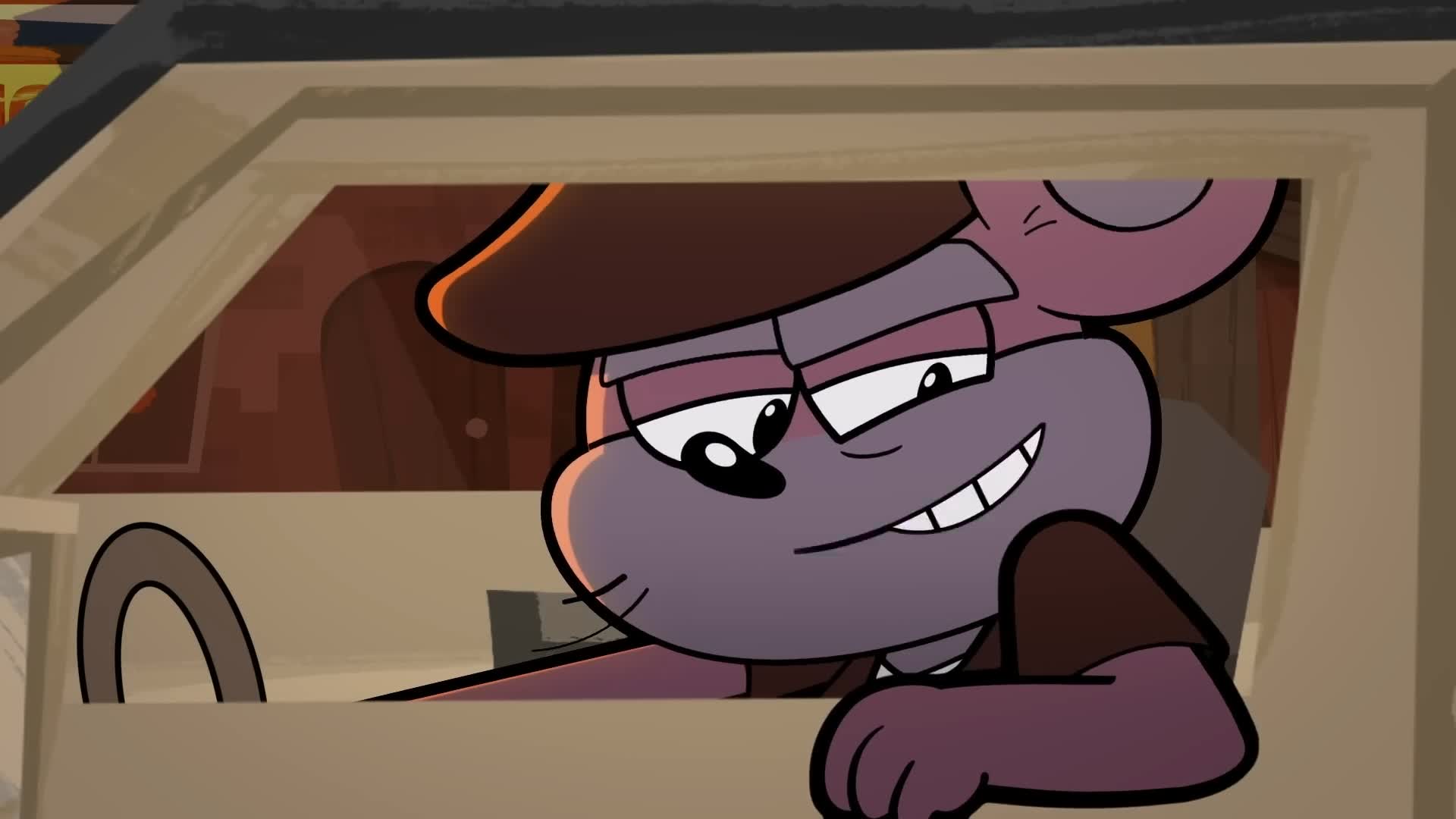
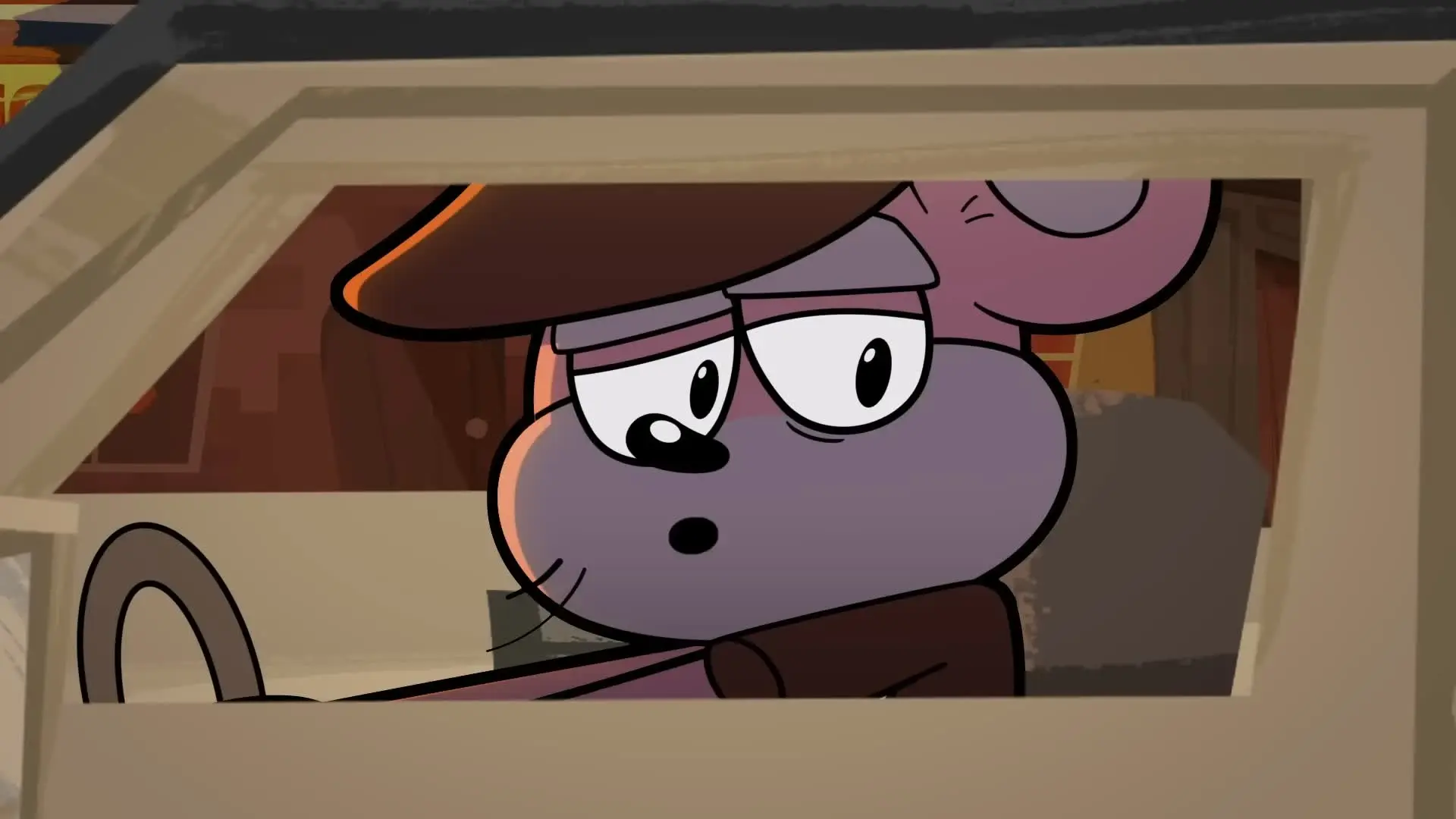
Unnamed Father is the terse, on-the-curb parent in Catching Up. However, even with only a brief drop-off scene, he sets the tone for the night by framing expectations and reminding the teens that an adult world exists just outside the club’s neon bubble. Therefore, the character functions as a pressure valve for the pilot’s social chaos: his one-liner pushes Rob’s bravado into gear, undercuts Clay’s attempt at small talk, and quietly marks the line between supervised daytime life and the “grown-up” vibe the kids want to perform. Next, because the show relies on diegetic moments over exposition, his impact arrives through timing–a car door click, a flat look, a parting joke that lands like a dare. As a result, the father’s cameo does more than populate the world; it primes the episode’s themes about confidence, performance, and how quickly teenage posturing buckles when the room stops playing along.
Origin and first appearance
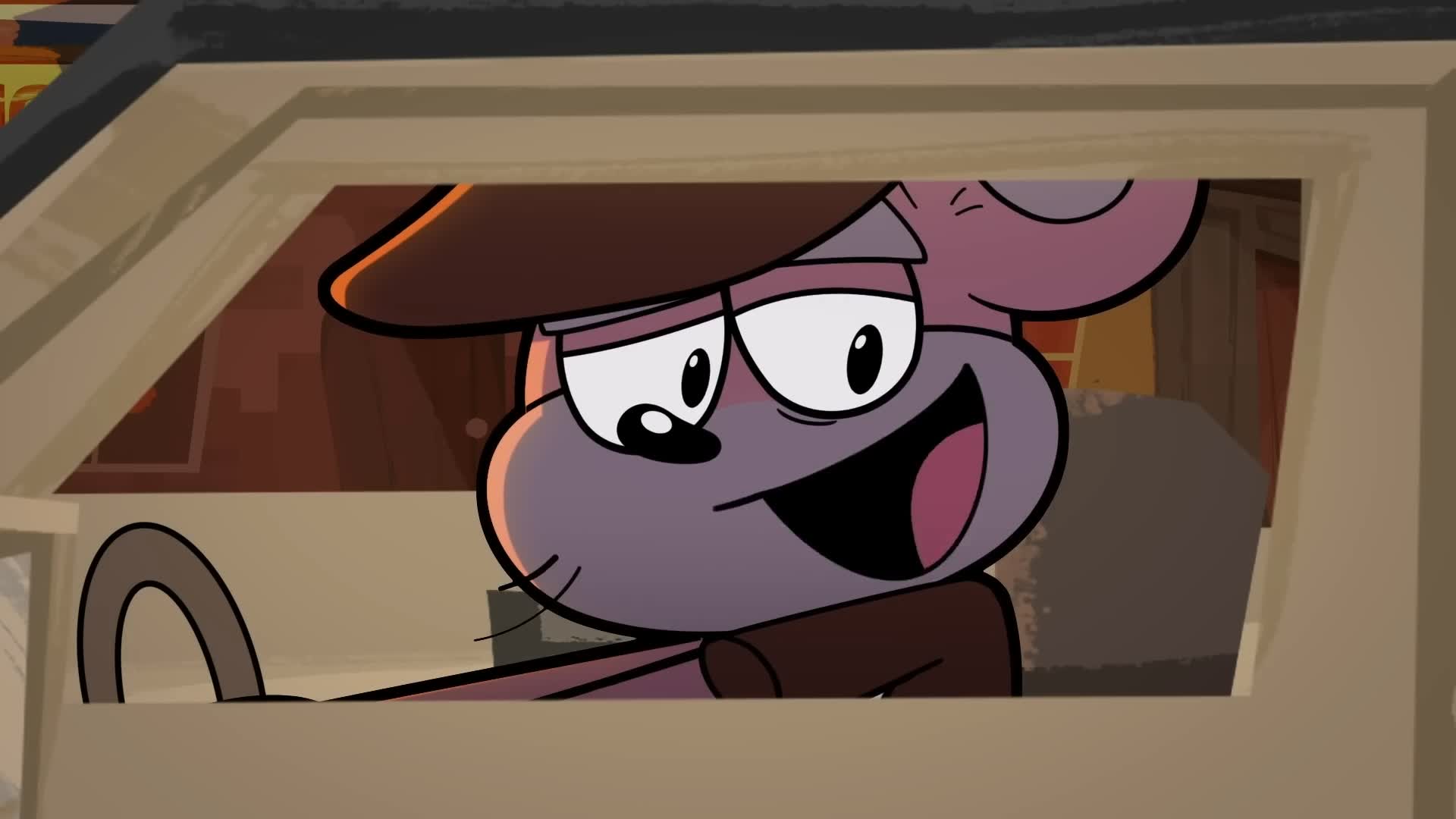
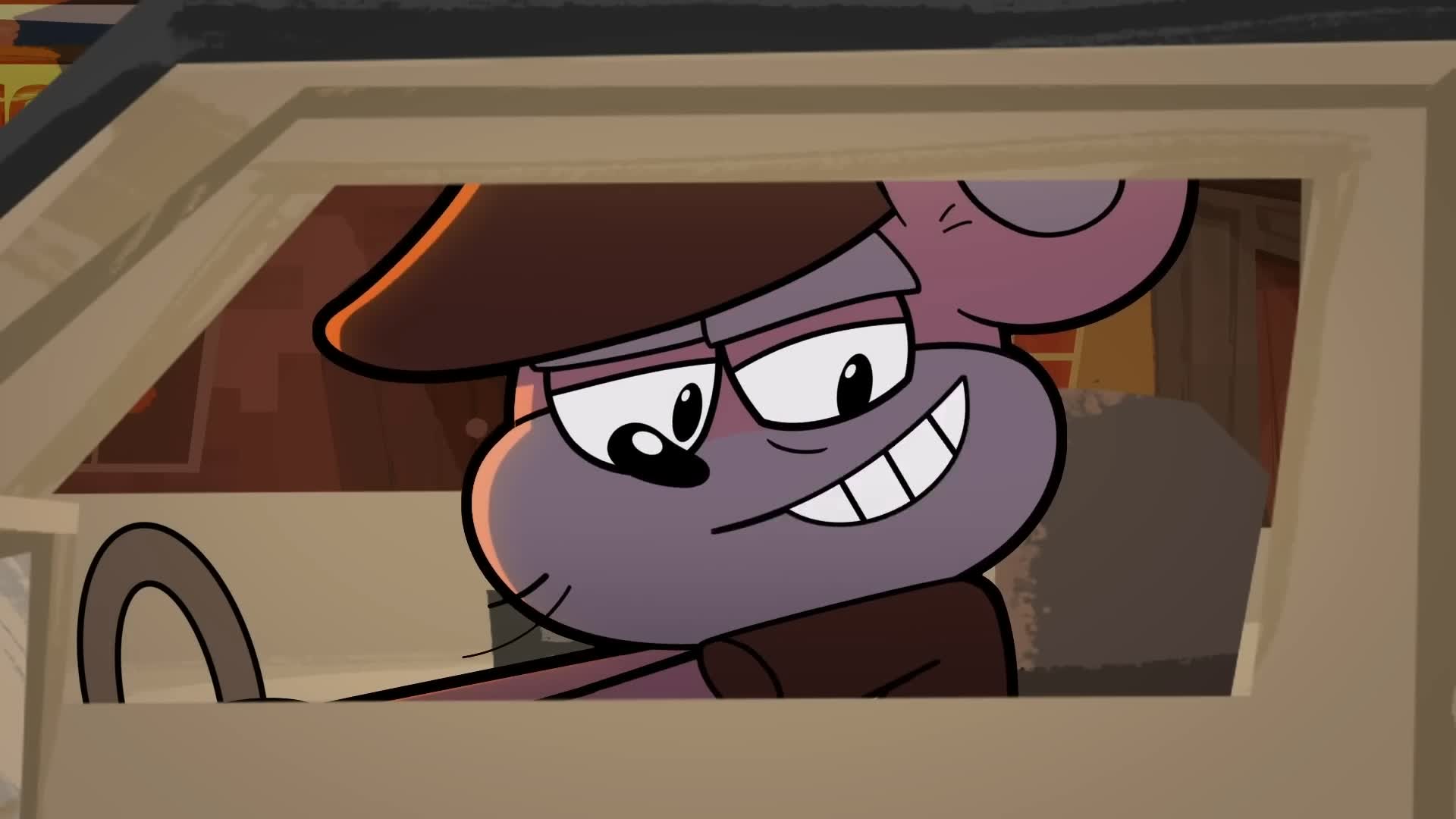
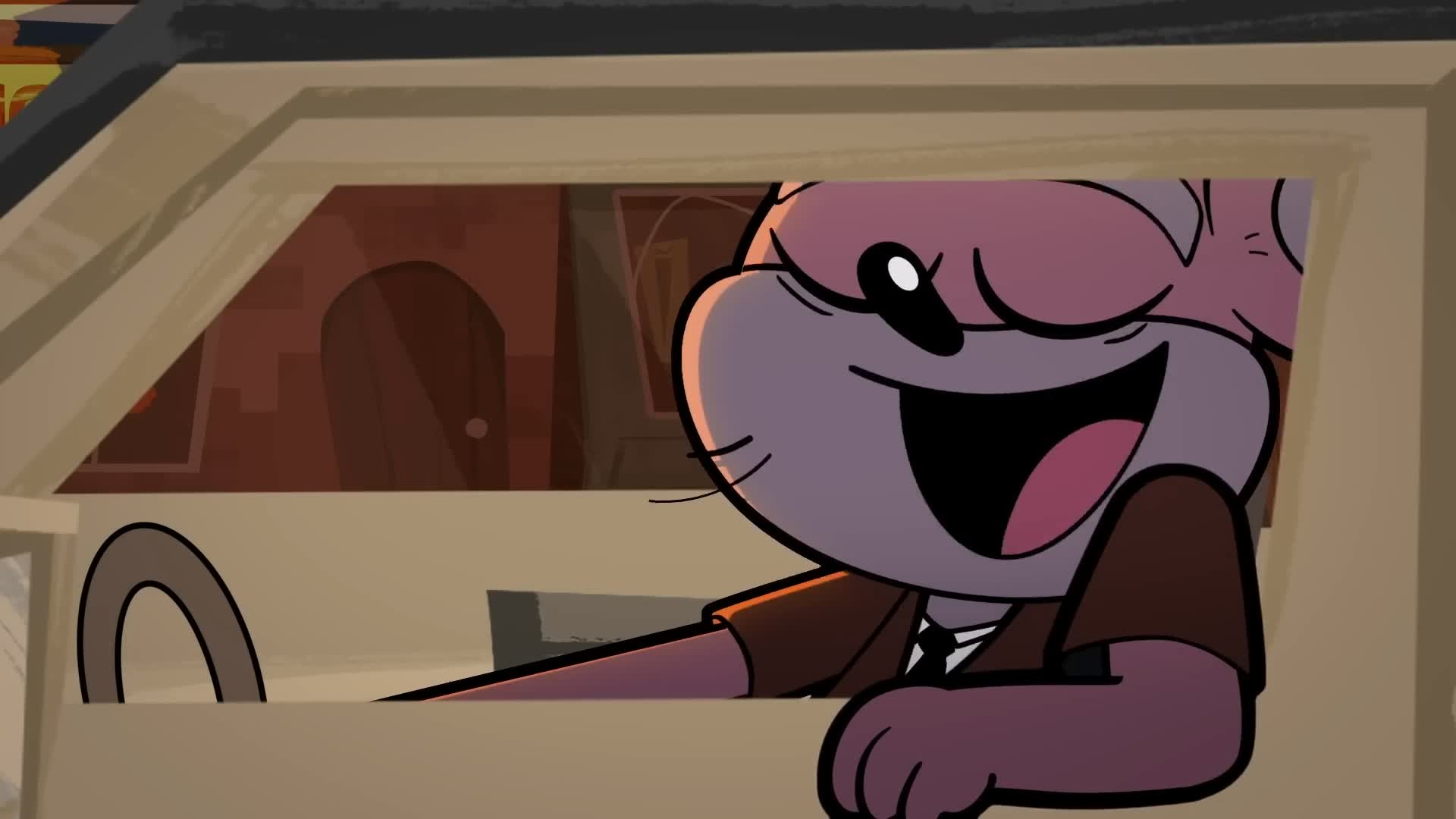
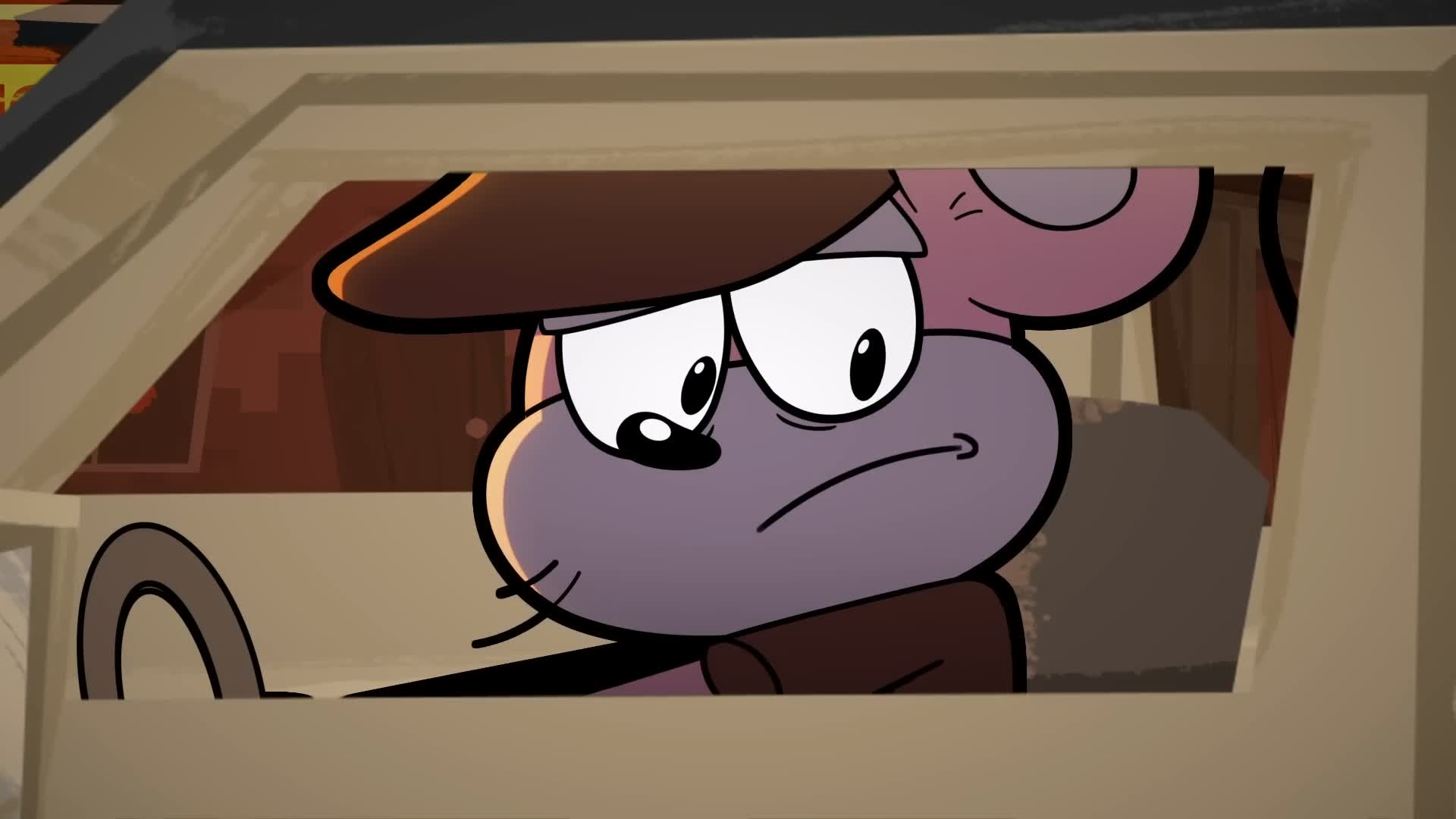
However you catalog the pilot, Unnamed Father first appears at the start of “Clubbing,” when Rob and Clay step out of his car near the bus stop that ferries everyone to the community-center “club.” Then, over the idle of the engine and the noise of students gathering, he drops a dry send-off–“Now, try not to get TOO many girls.”–that lands as both encouragement and teasing pressure. Clay tries to volley with a joke, but a hard, unreadable look shuts him down; the boys retreat toward the bus line, where Rob assures Clay that his dad likes him. Next, the scene’s blocking does quiet narrative work. The adult remains off to the side, physically close yet emotionally distant, while the kids step into the liminal space of the bus–neither home nor venue, but a threshold to a night they’ll try to control. Consequently, when the episode later punctures teenage swagger with awkwardness and public silence, the father’s curt send-off reads like an ironic preface. Finally, the credits list him as “Rob’s Dad,” confirming a cameo that already felt essential to the story’s setup: he’s the parental baseline the club will inevitably contrast.
Personality and key traits
| Trait | Description |
|---|---|
| Terse humor | He favors a single, pointed line over conversation. The goodbye quip doubles as approval and pressure, a parent’s joke that still keeps score. |
| Flat authority | A steady stare ends Clay’s attempt at banter. The silence communicates boundaries more efficiently than a lecture would. |
| Peripheral presence | He appears, delivers a tone-setting beat, and exits. The brevity strengthens the sense that the teens’ night plays out just beyond adult reach. |
| Expectation setter | By telling Rob not to “get too many girls,” he tees up his son’s confidence act. That expectation shadows Rob throughout the evening. |
| Grounded realism | Nothing about him is exaggerated: a car, a parent’s aside, a look. The naturalism makes the club’s later theatrics feel sharper by contrast. |
Story arcs and development
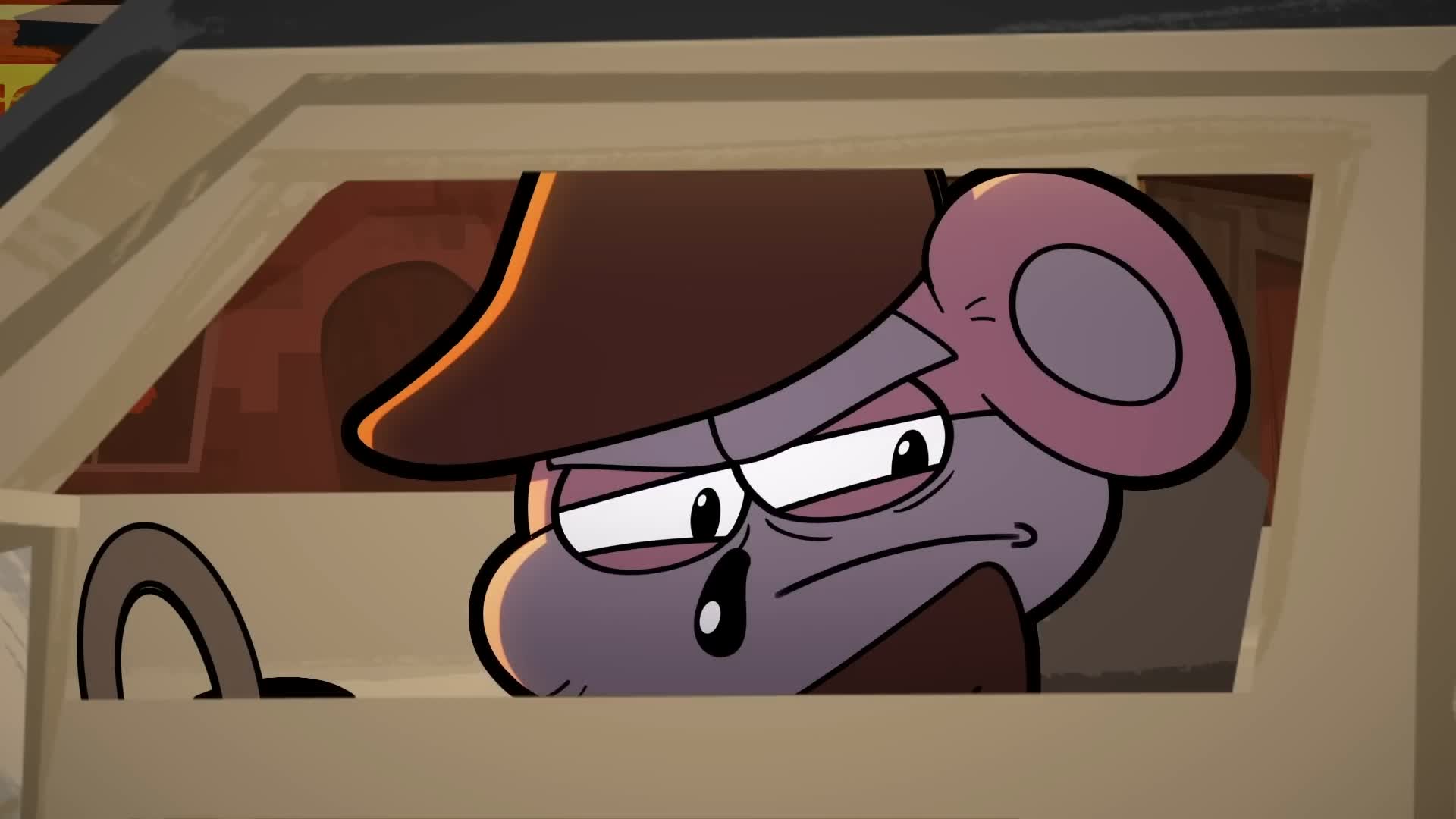
Arc 1 – The drop-off dare. Start: Rob and Clay arrive at the bus stop in Unnamed Father’s car, buoyed by Rob’s excitement and Clay’s reluctance. Then: The father delivers his dry “don’t get too many girls” line, and Clay tries to defuse the tension with a joke–only to be met by a blank, challenging look. As a result: Rob walks away feeling tacitly tasked with proving himself, while Clay absorbs a fresh dose of social self-consciousness. That tiny exchange loads their night with goals and anxieties before the club even comes into view.
Arc 2 – Off-screen pressure, on-screen fallout. Start: The club sequence traps both boys in a swirl of status games: Rob tries to impress girls, and Clay hunts for quiet corners. Then: The father never reappears, yet the episode keeps paying off his send-off–the “jacket” gag cements Rob as a pushover in spite of the mandate to be suave, and Clay’s attempts at polite talk implode under the weight of imagined adult expectations. As a result: The comedy of mortification lands harder. The audience remembers the earlier curbside bravado and sees how quickly it wilts when the room won’t cooperate.
Arc 3 – The bus stop in hindsight. Start: After Clay’s blow-ups and the DJ’s cutting of the music, the night crawls back toward normal. Then: As the boys leave, Rob’s swagger reads thinner, and Clay’s guard comes back up. The early drop-off feels less like a launchpad and more like a mirror that exaggerated both boys’ self-images. As a result: The father’s tiny cameo enriches the episode’s circular structure: we started under an adult’s gaze and end with the kids carrying that gaze inside their heads.
Arc 4 – Credit confirmation and family context. Start: On screen he’s just “Rob’s dad,” a no-nonsense driver with one memorable line. Then: Credits and cast listings identify the role and place him within the family–father to Rob and Roy, voiced by Josh (Joshua) Tomar–tying his cameo to the show’s larger ensemble. As a result: Viewers read later scenes with Roy through that lens, understanding both boys as products of the same household expectations, even if the pilot only shows one direct interaction.
Relationships with other characters
| Name | Role vs. Unnamed Father | Dynamics |
|---|---|---|
| Rob | Son | The curbside quip frames Rob’s night as a performance to impress both peers and parent. Rob’s eagerness reads partly as answering that challenge. |
| Roy | Son (off-screen link) | Credits connect them; the pilot does not. Even so, Roy’s confident air elsewhere feels consistent with a home that prizes swagger and results. |
| Clay | Rob’s friend | Clay tries a joke and gets blanked. The look he receives contributes to his social caution as the night unfolds. |
| Dickhead Weasel | Indirect counterpart | The father delivers the boys to the bus; the driver takes over from there. The transition underscores how quickly adult supervision becomes teen-run chaos. |
| DJ Mcnulty | Parallel authority | One polices the threshold, the other polices the room. The DJ’s hard music stop later echoes the father’s earlier boundary-setting stare. |
| Bouncers | Parallel enforcement | Security enforces rules inside. The tonal whiplash between a dad’s deadpan and the bouncers’ severity sharpens the episode’s satire. |
| Jessica Jacobs | No direct link | She anchors the bar micro-plot far from the curb, but her scenes pay off the expectations baked in at the drop-off by showing how Rob’s “gentleman” act backfires. |
Appearance, symbols, and recurring motifs
Visually, Unnamed Father is defined by staging rather than wardrobe. Then, the frame places him at driver height with the car as his silhouette: window, steering hand, a level gaze that reads as controlled and unblinking. In addition, the absence of overt costuming cues keeps the focus on behavior–saying little, watching much, and letting a single line carry weight. Therefore, his most important visual symbol is the vehicle itself. It represents boundaries and logistics (someone still has to drive you), and it separates teen fantasy from parental reality. Next, the hard cut from curb to bus line turns him into a motif of thresholds: you leave the seatbelted world of parents and enter the self-managed chaos of peers. As a result, even without returning to the frame, he lingers as a presence–whenever Rob overplays confidence or Clay folds into himself, the audience can still feel the flat look that started the evening.
Fandom and alternative names
- Unnamed Father
- Rob’s Dad
- Roy’s Dad
- Rob’s Father (credits shorthand)
- Curbside Dad
- Drop-off Dad
- Rob and Roy’s Dad
Interesting details and quotes
- He is credited as “Rob’s Dad” and voiced by Josh (Joshua) Tomar, whose delivery makes a single line feel like a mission statement for the night.
- His first and only on-screen appearance to date is in the pilot “Clubbing,” where he delivers the boys to the bus stop before the club.
- The character’s minimalism is deliberate: a glance and a quip accomplish what a longer scene would over-explain.
- He is the canonical father of both Rob and Roy, a detail that reframes the cousins-like dynamic many fans sense between those two.
- The scene’s geography–car to bus to community center–uses him to define thresholds the story will cross and complicate.
- Editors juxtapose his calm with the club’s harsh lighting and sudden silences, making the adult world feel stable by contrast.
- His cameo illustrates the show’s preference for diegetic storytelling: parent, vehicle, one sentence–no exposition dump required.
Now, try not to get TOO many girls.
– the dry send-off that launches Rob’s confidence act and Clay’s discomfort.- By contrast with the Bouncers’ over-the-top enforcement, his restraint reads more real, which grounds the pilot’s satire in recognizable life.
- Consequently, Unnamed Father often appears in fan character lists despite limited screen time, proving how efficiently the pilot sketches its world.
Finally, Unnamed Father shows how Catching Up extracts story from small frictions. Over time, fans return to that drop-off beat to explain the boys’ choices: Rob keeps trying to live up to a throwaway dare, while Clay shrinks from a gaze that made him feel out of place before the party even started. Therefore, the episode’s biggest set pieces–the jacket fiasco, the shouted line, the DJ’s hard cut–echo a lesson the cold open already taught: the night’s bravado lasts only as long as you can carry it without an adult calling your bluff. As a result, a nameless parent with a car becomes a quiet axis for the pilot’s comedy of embarrassment and the series’ ongoing interest in how kids test themselves in public.