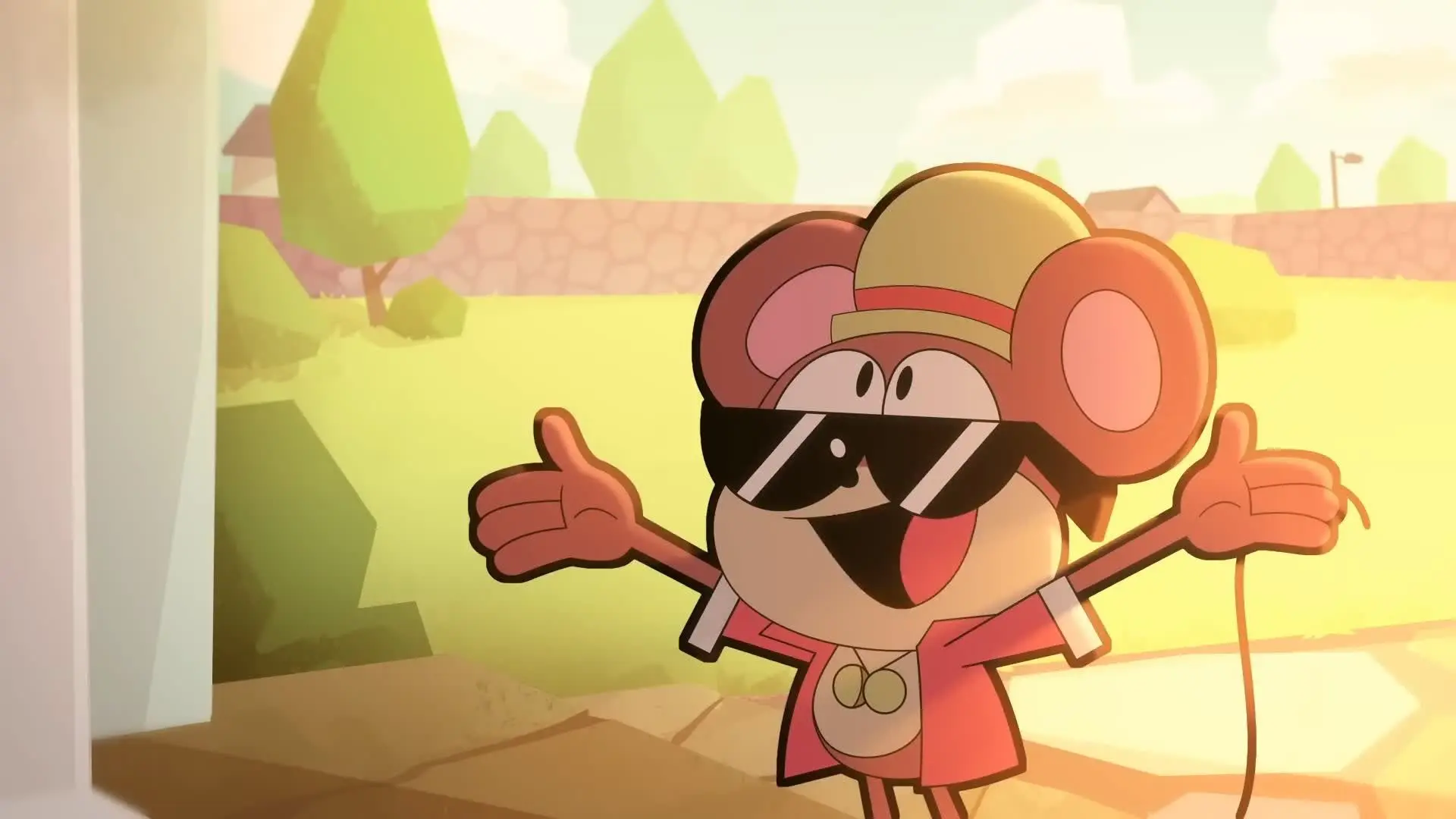
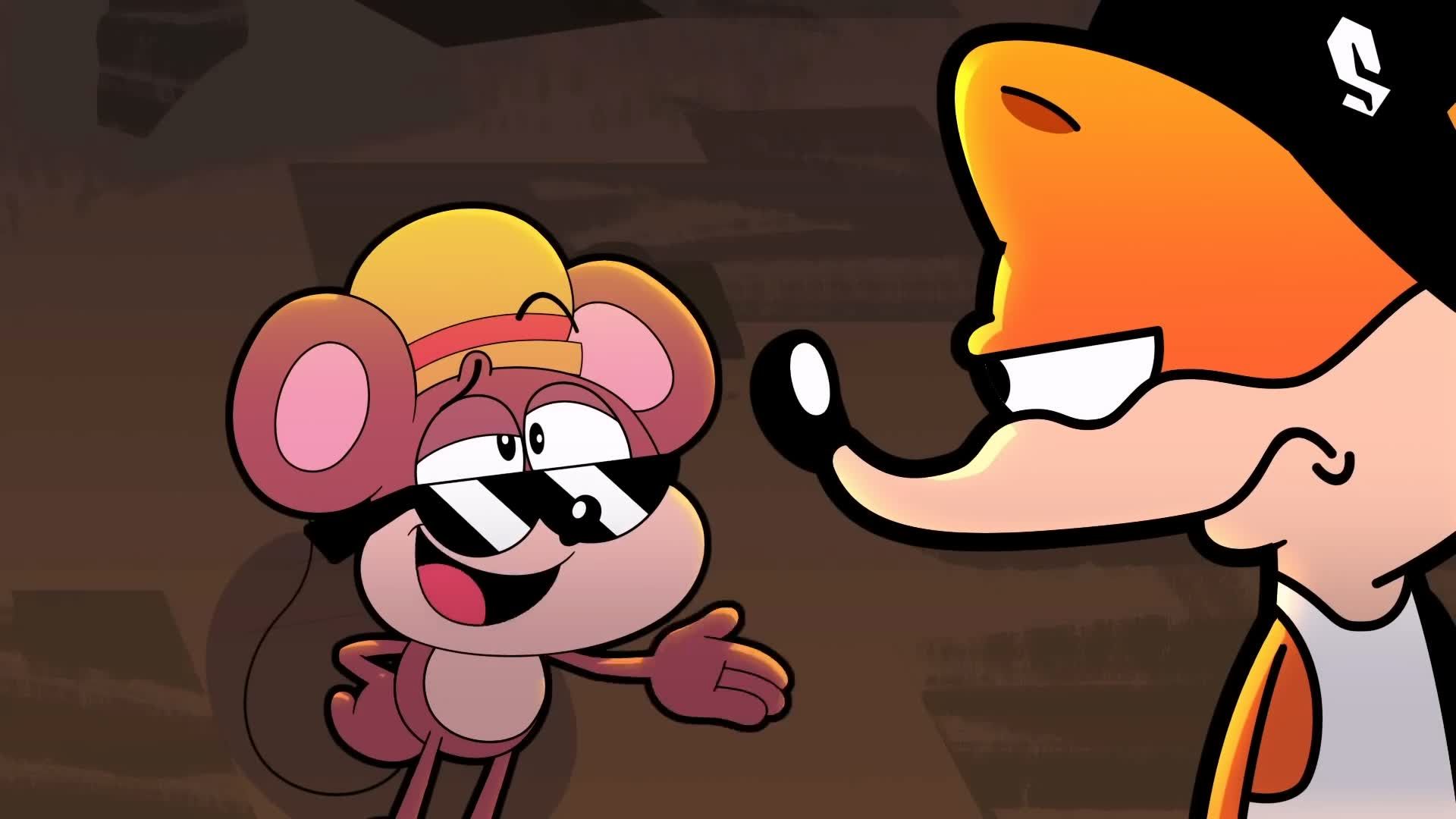
Rob is the show’s bright-eyed optimist: a small, big-hearted mouse who believes every awkward moment can be redeemed by enthusiasm and a smile. He’s the extrovert half of the core duo, forever pitching “the experience” to Clay and trying to alchemize cringe into memories. That sunny drive makes him easy to root for–and just as easy to exploit–until he finally plants his feet.
First Appearance and Setup
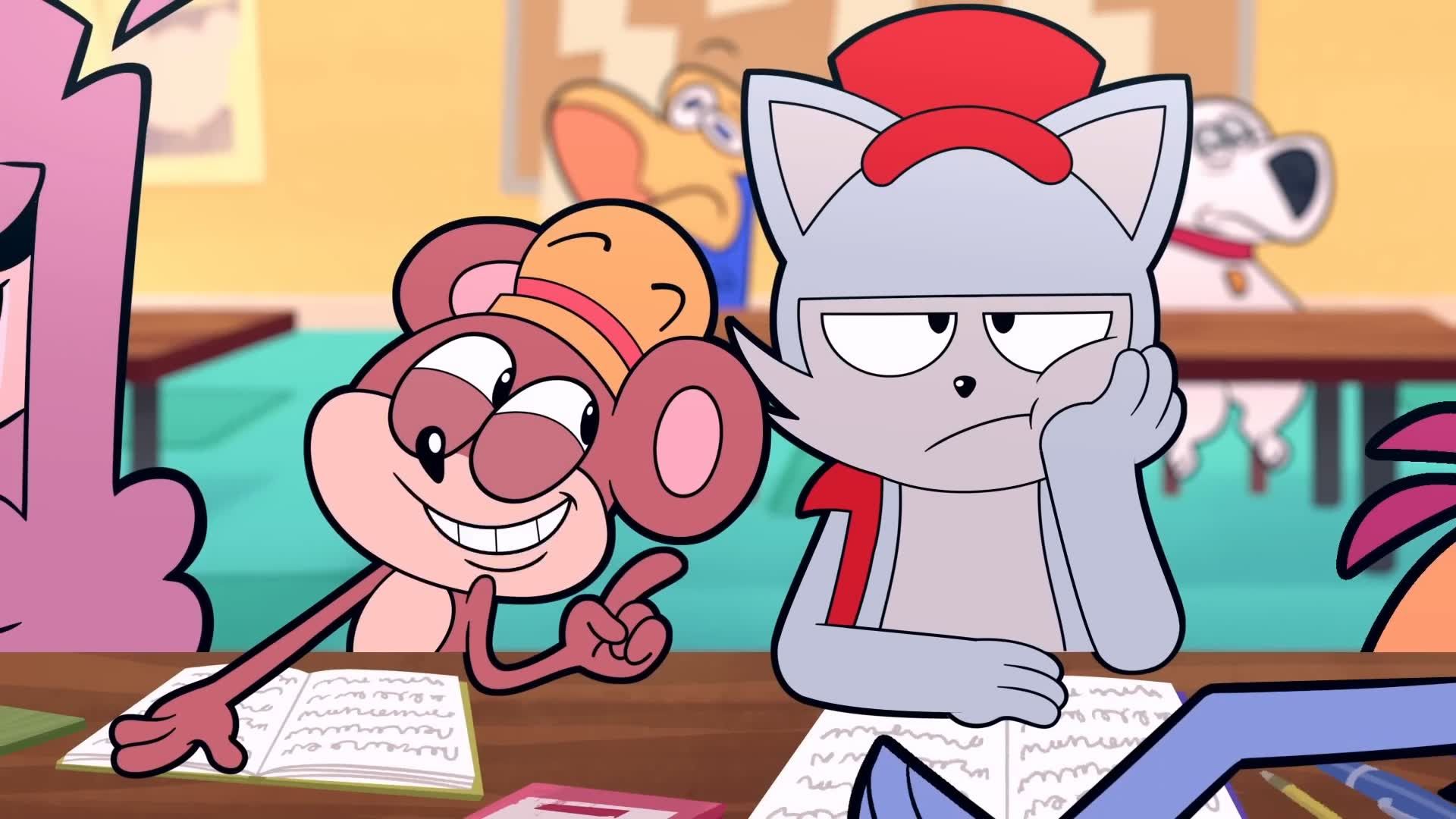
Rob debuts in the pilot (“Clubbing”), bouncing through Clay’s school day to hype an under-18s night at the community center. He’s the engine that drags the episode forward: corralling a ride, talking past red flags, and insisting the night will be “worth it” even as petty obstacles multiply. His role is clear from minute one–get Clay out of the house, then try to keep the vibes alive when reality bites.
“I’ve been practicing my conversation starters.”
Look, Props, and Visual Language
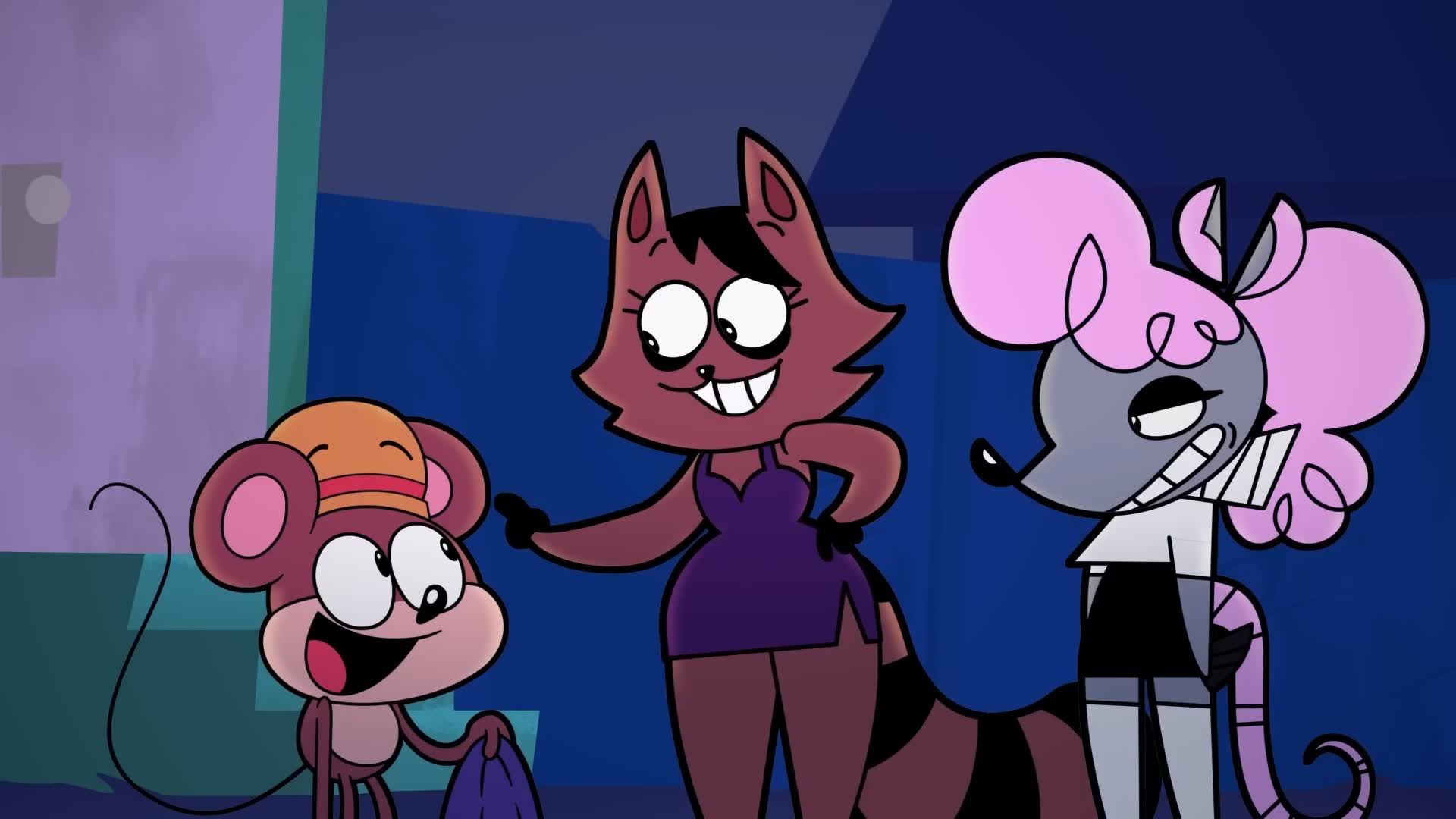
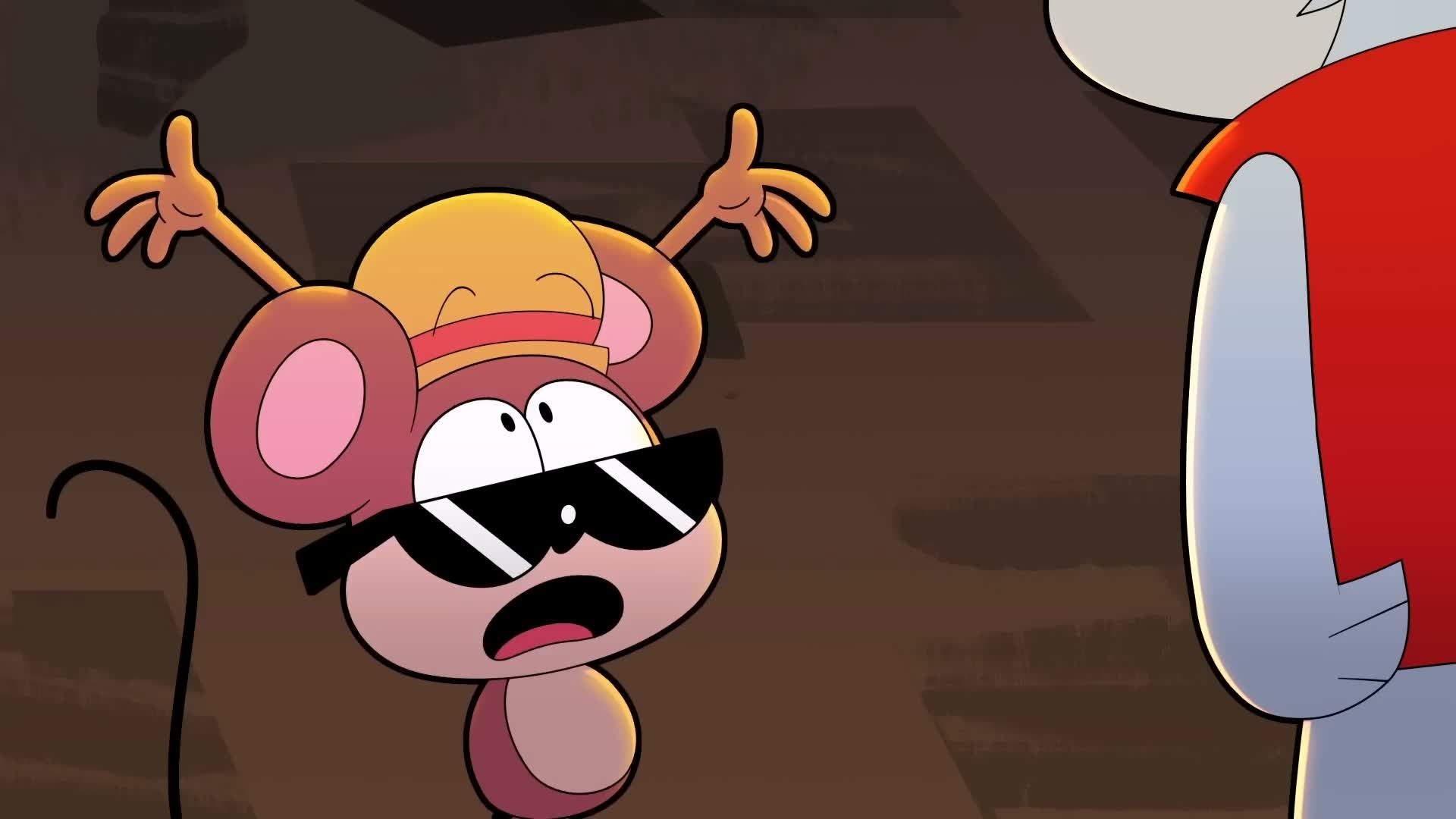
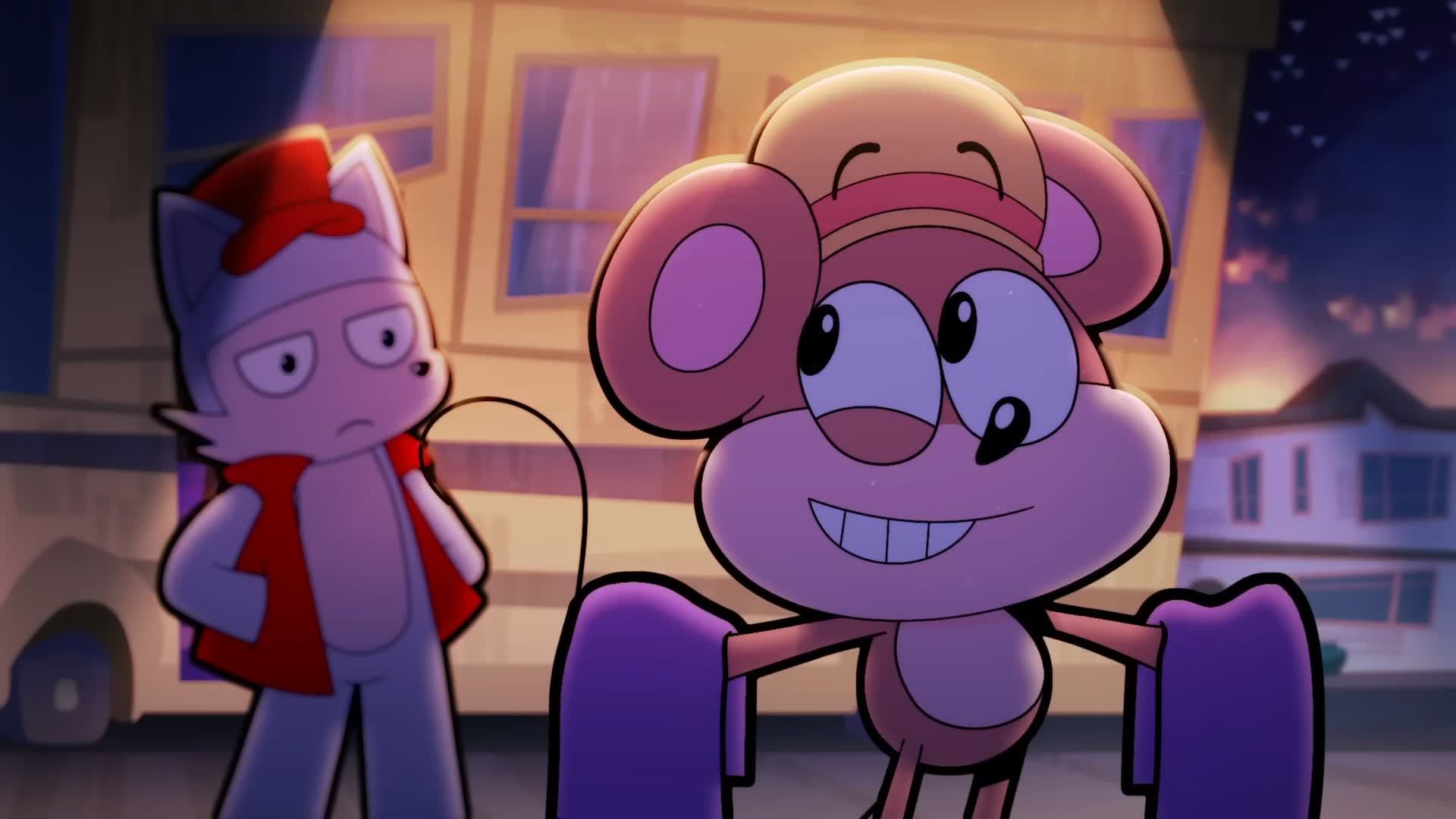
Rob’s design telegraphs warmth: short brown fur with lighter muzzle and belly, large pink-lined ears, a small black nose, and a thin tail. He’s almost always in his light brown cap with a red ribbon–more eager schoolkid than nightlife veteran. The cap and his open posture (arms free, animated gestures) read like a walking invitation: talk to me, I’m friendly.
Core Personality and Values
Rob is relentlessly social and generous to a fault. He assumes good intentions, tries to be a gentleman, and frames hassles as “part of the experience.” That kindness curdles into pushover territory when strangers clock his eagerness. Still, underneath the people-pleasing sits a real loyalty–he will ditch the bit to take care of Clay, even if it nukes his own plans for the night.
“Don’t worry, sir–I’ll keep an eye on him.”
Competencies and Vulnerabilities
- Social initiative: Makes introductions, keeps conversations moving, and lowers the temperature after awkward beats.
- Persistence: Rob will keep a plan alive when most people would bail; sometimes that’s brave, sometimes it’s naive.
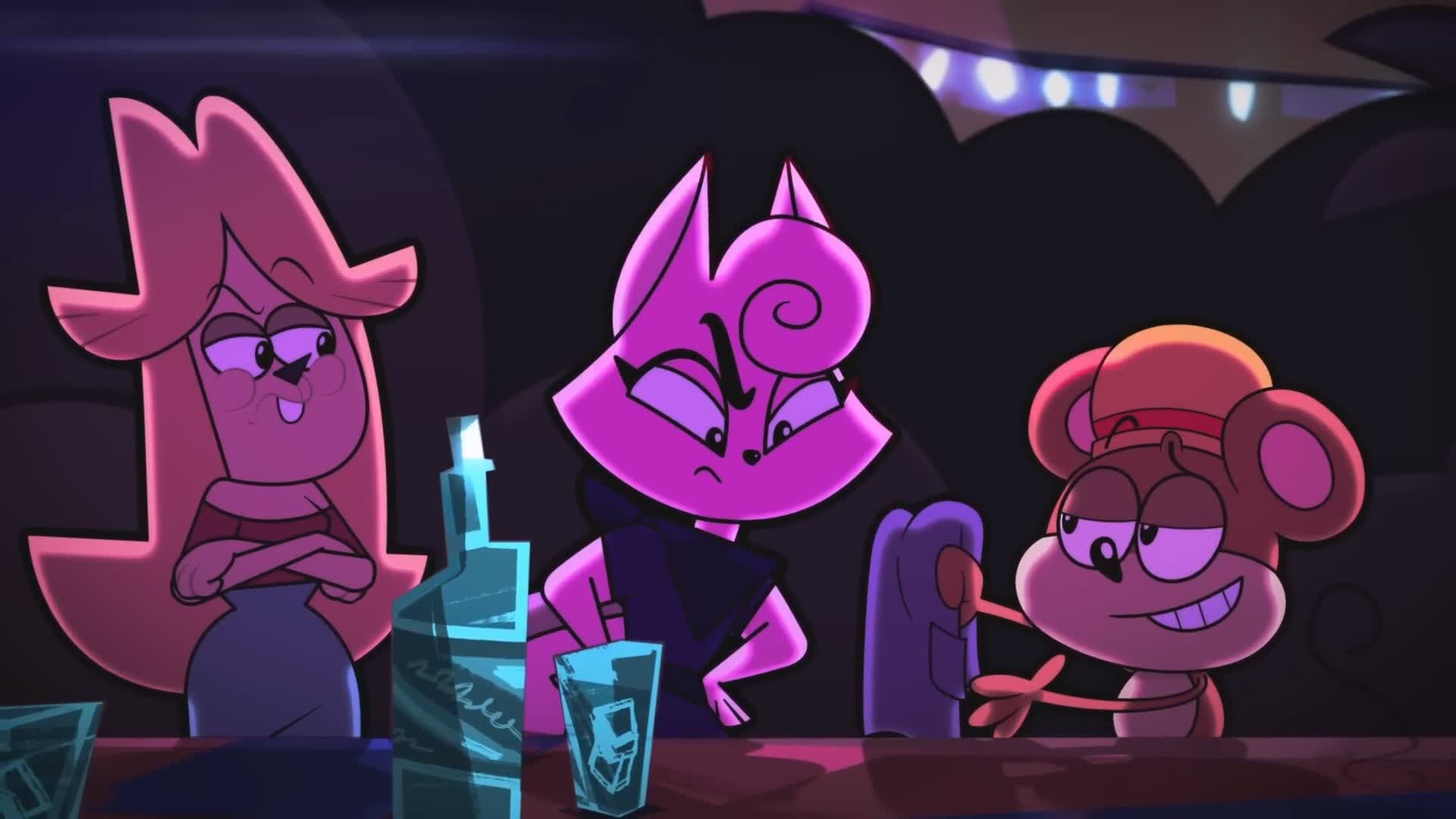
- Blind spots: Susceptible to flattery and obvious grifts (e.g., carrying random girls’ jackets); insecurity spikes when mocked, which can spiral into try-hard antics.
Relationships: Friends, Foes, and Mentors
Clay (best friend): Rob’s foil. He drags Clay toward the world; Clay drags Rob back toward sense. Their push-pull is the show’s heartbeat. Bully Guy (antagonist): Treats Rob like a walking punchline, weaponizing public embarrassment. Family: Rob’s dad is the good-natured ride and resident dad-joke machine–supportive, slightly clueless, and proud of his kid’s “drip.”
Key Episodes and Defining Choices
The pilot packs Rob’s signature beats: cheerleading Clay out the door, overpaying for a bus run because “it’s part of the experience,” volunteering to hold two strangers’ jackets, and finally getting clowned for it. The defining choice lands late: when the girls push him to be their portable coat rack all night, Rob stops apologizing and slams the jackets down, refusing to be used. It’s the first clean boundary he draws in public.
“These jackets are our ticket into a fun night!”
Arc Trajectory and Growth
Rob’s micro-arc in the pilot is about converting politeness into self-respect. He starts as a people-pleaser trying to manufacture a Perfect Night and ends as a friend with priorities: get Clay home safe, and stop letting strangers write the terms. It’s small, but it sets a pattern–the show lets Rob keep his optimism while shedding the parts that make him exploitable.
Internal vs. External Conflicts
Externally, Rob fights logistics: fare hikes, dress codes, and the status games of teens in a crowded room. Internally, he wrestles with the fear that he’s the joke. Every taunt from a bully and every eye-roll from Clay vibrate that string. His growth moment doesn’t come from a win; it comes from accepting that “being nice” doesn’t mean “being used.”
Humor Beats and Signature Lines
Rob’s comedy is earnest: faux-formal patter and try-hard gallantry. His most quotable bits land because he says them with full sincerity, whether he’s charming a gatekeeper or getting shut down by one.
“Hello there–may I procure for a ride, my good man?”
Themes Rob Highlights
Rob embodies social optimism, the cost of “going along,” and the difference between kindness and self-erasure. Through him, the show pokes fun at how teen nightlife sells community while nickel-and-diming dignity–and how friendship means knowing when to prioritize the person over the plan.
Behind-the-Scenes Background
On the voice side, Rob is performed in English by McKenzie Atwood, whose bright, elastic delivery nails the character’s mix of pep and nerves. A Spanish dub credits Sr Pelo, tying Rob’s buoyant energy to a delivery style that can turn on a dime from chipper to shaken. Visually, the simple, readable silhouette (cap + ears + tail) keeps him legible in busy crowd shots.
Rob’s Place in Catching Up Canon
Rob is the spark plug: the kid who presses “start” on plots and learns, one awkward night at a time, to protect his own battery. Take him away and the story idles; keep him in, and every scene has a shot at heart.