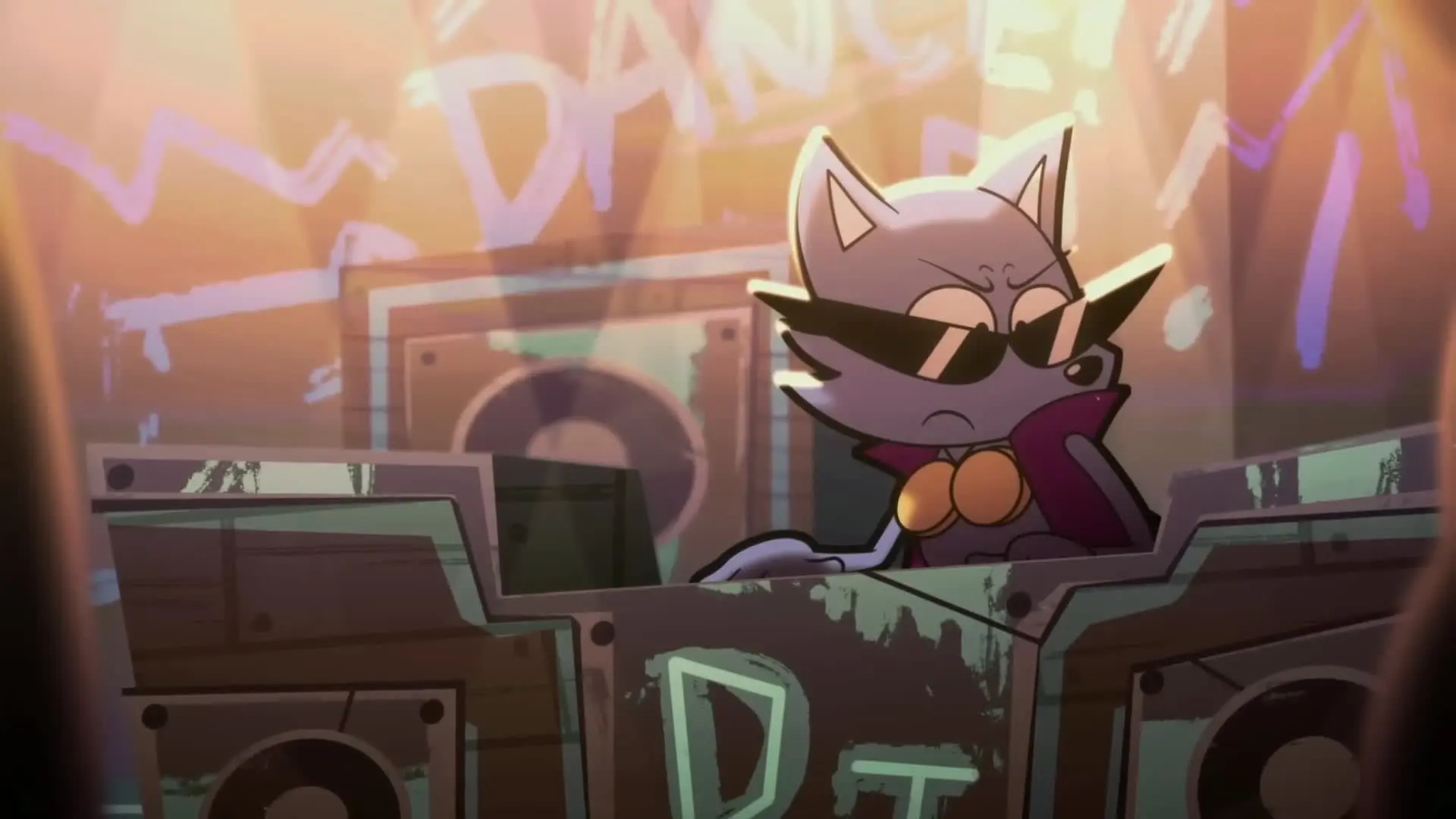
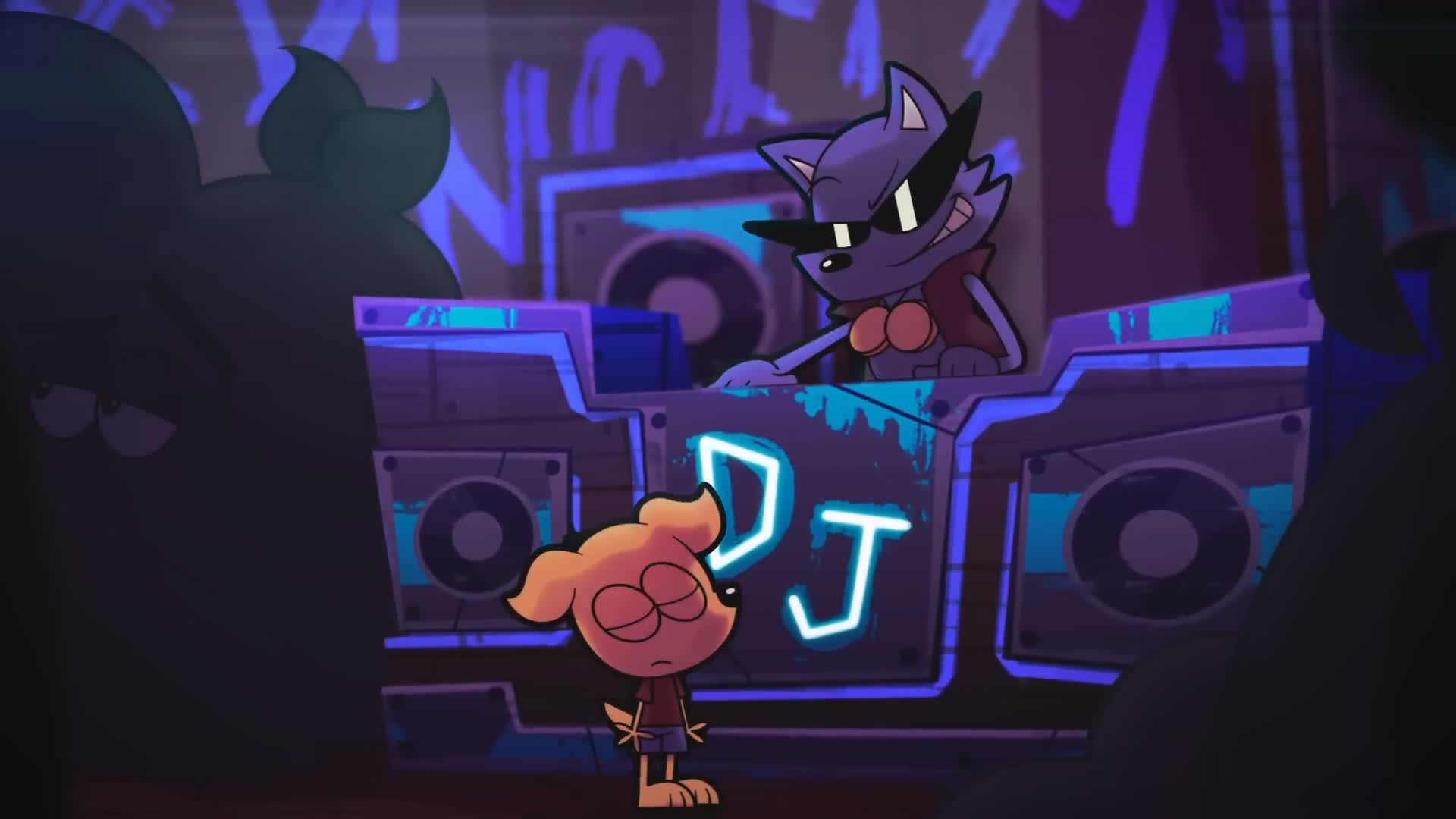
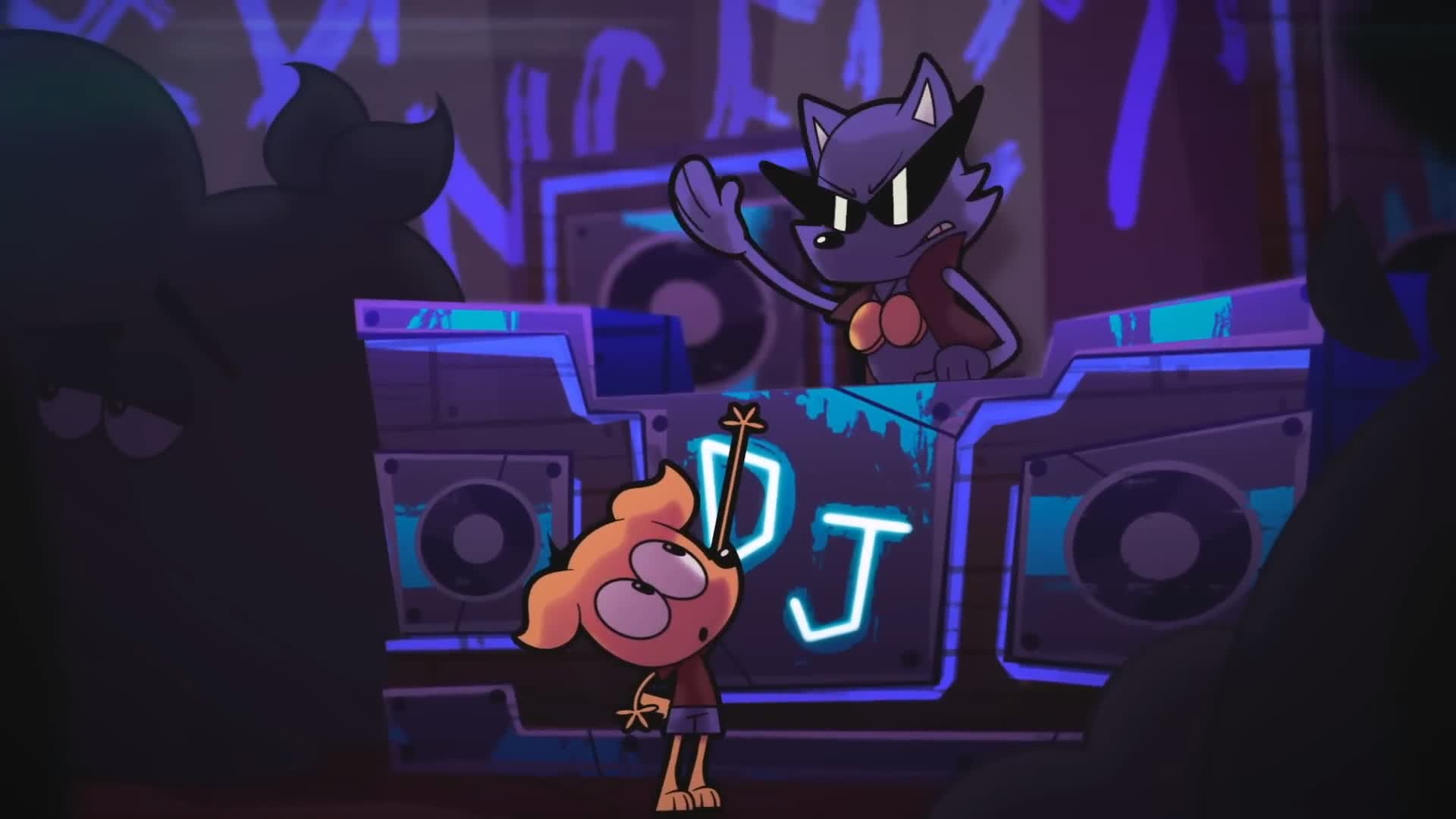
DJ Mcnulty is the on-booth music anchor in Catching Up. However, despite limited screen time, he shapes the entire temperature of the pilot’s club sequence by deciding when the room pulses and when it freezes. Therefore, the character functions as a diegetic metronome for the story: his mixes set the pace for crowd chatter, flirtation, and Clay’s escalating discomfort, and his choice to pull the sound down at a critical moment becomes a narrative gavel. Next, because the show leans on real-time reactions rather than exposition, he communicates almost entirely through action–hands on faders, head nods on beat, a pointed pause when a guest crosses a line. As a result, DJ Mcnulty stands as one of the pilot’s clearest examples of how background professionals can drive theme; he doesn’t deliver a speech, but he decides when everyone has to listen.
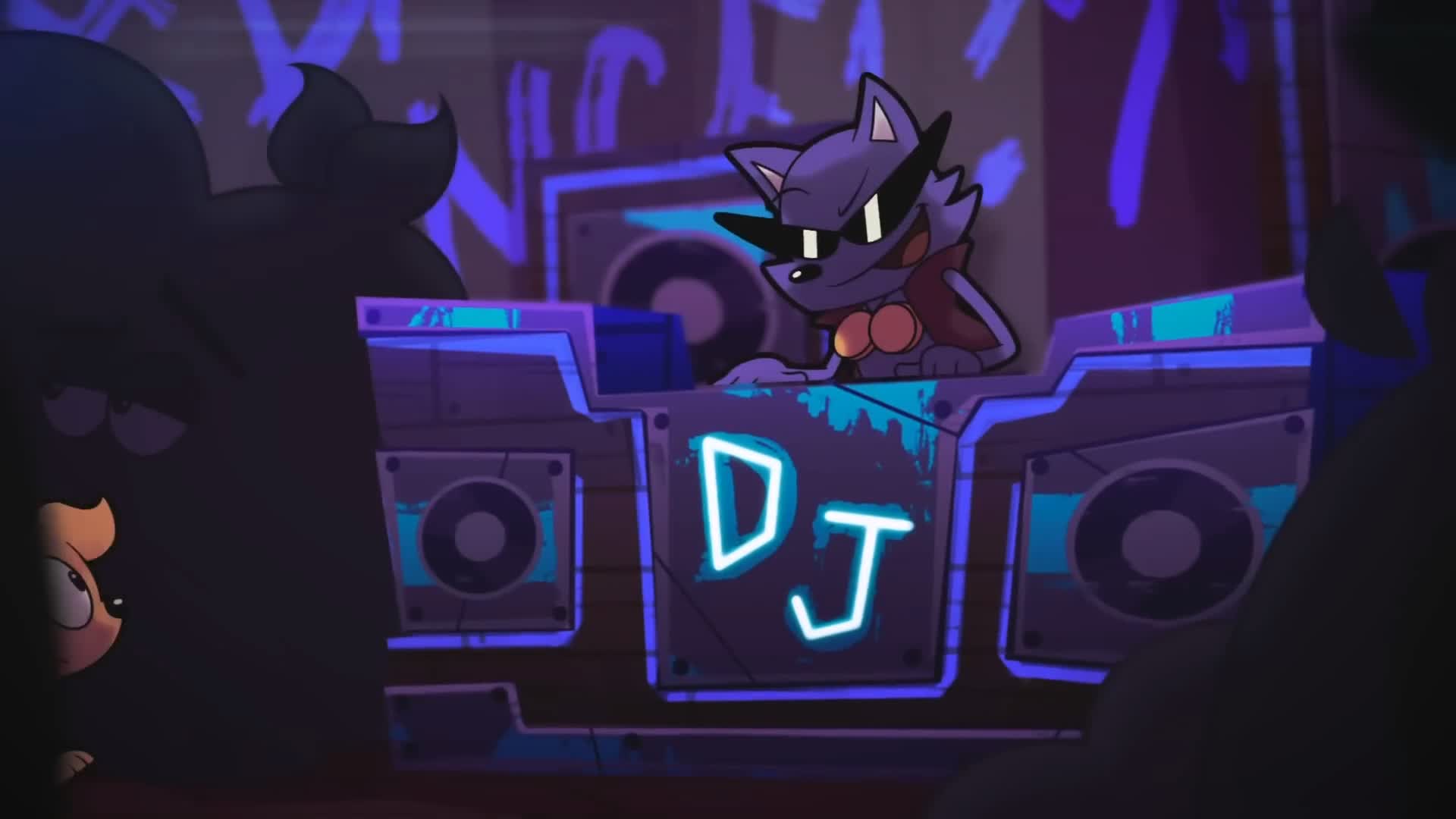
Origin and first appearance
However the viewer approaches the pilot, DJ Mcnulty enters as part of the establishing grammar of “Clubbing,” the community-center dance that the teens treat like a full-blown night out. Then, as signage glows and the lens glides across the floor, the booth clicks into view: monitors, a mixer, and a DJ who already has the room moving. The set reads both earnest and tongue-in-cheek–big drops and flashy cues in a space that clearly doubles as a gym during the day–and Mcnulty’s presence bridges that gap by taking the job seriously. Next, as Clay and Rob weave through the crowd, the music does the heavy lifting of tone; transitions mask awkward silence, and percussive passages let throwaway comments land like punchlines. Meanwhile, the booth’s position high enough to oversee the floor quietly frames him as a referee. Consequently, when Clay raises his voice at the worst time, the beat halts; the cut to dead air is the DJ’s way of voting no, and the entire room hears it. Finally, the credits list him by stage name, which formalizes a figure the story already treated as essential infrastructure–the adult(ish) in the room whose job is to keep chaos musical until it isn’t.
Personality and key traits
| Trait | Description |
|---|---|
| Vibe manager | Mcnulty treats tempo as crowd control. He pushes energy when conversations need cover and drags it back when tension spikes, proving how sound can steer a scene without a single line of dialogue. |
| Professional composure | He rarely overreacts. Even when he disapproves, the gesture is controlled: a deliberate stop, a flat glance, and then back to work. The restraint signals confidence and authority. |
| Diegetic storyteller | The character advances jokes and conflicts by modulating volume and timing. The room’s biggest laugh lines hit right after a drop or a sudden silence he creates. |
| Boundary setter | Cutting the music during Clay’s outburst reads as a public boundary. The move says “Not here,” and it does so in a way every kid at the event understands instantly. |
| Minimalist presence | He doesn’t chase attention. The booth gives him enough distance to influence events while staying outside the teen drama, which keeps the focus on the leads. |
Story arcs and development
Arc 1 – Setting the tone from the booth. Start: The night opens on a neon-lit room where the DJ is already mixing, and the crowd’s body language–heads bouncing, shoulders loosening–tells us the party is on. Then: DJ Mcnulty rides smooth transitions that stitch together disparate pockets of action: Rob’s overeager courtesy by the bar, Roy’s breezy patter, Clay’s attempts to look comfortable. The sound bed keeps those vignettes feeling like one continuous night. As a result: The character becomes the pilot’s invisible presenter. His continuity turns what could have felt like sketches into a single sequence with flow and escalation.
Arc 2 – The silence after the shout. Start: Clay’s patience collapses and he yells over the track, a tonal needle-scratch in a room built on rhythm. Then: Mcnulty kills the music–no drum fill, no graceful fade, just a quick stop that yanks oxygen from the scene. Heads swivel, chatter dies, and Clay’s misstep becomes the only audible fact in the building. As a result: The show lands a gag and a theme at once: you can’t hide in noise after you’ve made yourself the noise. The DJ’s choice reads as both comedic punctuation and social censure.
Arc 3 – Back to the beat, back to normal. Start: After the tension peaks, the floor needs release. Then: Mcnulty spins the track back up, easing the room from stunned quiet to cautious movement, and the camera follows that return to normalcy across small reactions–shrugs, half-smiles, and resumed conversations. As a result: The sequence demonstrates his role as repair crew. He doesn’t fix feelings, but he gives everyone a structure–count-ins, grooves, predictable downbeats–so the night can restart.
Arc 4 – From cameo to credited fixture. Start: On screen he’s largely a silhouette behind decks, more function than personality. Then: The pilot’s end cards and cast lists name him outright, and fans begin to catalog screenshots where his booth action changes the room. As a result: DJ Mcnulty accrues a low-key fandom footprint: not a meme machine, but a shorthand for Catching Up’s commitment to diegetic sound as story engine.
Relationships with other characters
| Name | Role vs. DJ Mcnulty | Dynamics |
|---|---|---|
| Clay | Disruptive focal point | Clay’s shout prompts the DJ’s hard stop. The nonverbal exchange defines both: one blunders into public space, the other enforces the social contract with silence. |
| Rob | Indirect catalyst | Rob’s insistence on staying in the scene keeps Clay on the floor long enough to collide with the music. Mcnulty doesn’t interact with him, yet his mixes frame Rob’s try-hard charm. |
| Roy | Timing foil | Roy’s swagger plays funnier against clean drops. The DJ’s transitions accentuate Roy’s entrances and exits without granting him special treatment. |
| Jessica Jacobs | Bar anchor | Jessica’s beats happen under Mcnulty’s set; the steady pulse makes her dry reactions land as jokes. There’s no direct exchange, only effective staging. |
| Bouncer | Parallel authority | Security polices bodies while the DJ polices volume. Together they create the club’s ruleset: step out of line, and either the music or your movement stops. |
| Rabbit Girl | Crowd barometer | Her flinch during the quiet magnifies the DJ’s decision. She embodies the room’s verdict when the track cuts and eyes turn. |
| Club crowd | Constituency | McNulty’s real relationship is with the floor. He watches clusters, adjusts energy, and uses drops to herd attention where the scene needs it. |
Appearance, symbols, and recurring motifs
Visually, DJ Mcnulty is defined by position and tools rather than a hero model sheet. Then, the booth itself becomes his costume: angled monitors, a glow from the mixer, and headphones that signal when he’s in the zone. The show frames him slightly above eye line so he can survey the floor; consequently, his silhouette reads as steady and centered while the crowd sways. In addition, lighting does character work for him–the magenta-violet wash makes the booth look authoritative, and a cut to black on silence turns that authority into judgment. Therefore, his gestures matter: a crisp fader move sells precision, a still frame during dead air sells disapproval, and a nod back on the one sells forgiveness. Over time, those choices create a motif the episode uses repeatedly–music as the room’s social weather. If it’s pounding, kids feel brave; if it drops, everyone remembers they’re in public.
Fandom and alternative names
- DJ Mcnulty
- DJ McNulty (credit capitalization)
- The DJ
- Booth DJ
- Club DJ
- McNulty
- DJ Mc
Interesting details and quotes
- Chris O’Neill voices DJ Mcnulty in the pilot, a cameo-sized role that still leaves a clear imprint thanks to smart sound staging.
- His first appearance is in “Clubbing,” released September 8, 2024, where he mixes throughout the community-center dance sequence.
- The character’s full legal name is unknown; the show treats “DJ Mcnulty” as a stage name and credits him that way.
- His biggest story beat is a silent one: cutting the track when Clay yells, which functions as both a joke and a social red card.
- The episode uses him to demonstrate how diegetic music can carry narrative, letting edits ride beat grids instead of dialogue exchanges.
- Fans often cite him when praising the pilot’s sense of place; a credible DJ, bouncers at the door, and recurring signage make the club feel like a real teen event.
- He never needs a monologue; the fader does the talking. That design choice matches the show’s preference for reaction over exposition.
Hey, you almost stepped on my girlfriend!
– a different confrontation in the same sequence that sets up the later drop to silence.In loving memory of …
– the tongue-in-cheek credits stinger that reframes the night’s chaos and underlines how hard the silence hits.- Consequently, Mcnulty has become shorthand in discussions for “the moment when the room itself reacts,” even if he only appears briefly.