
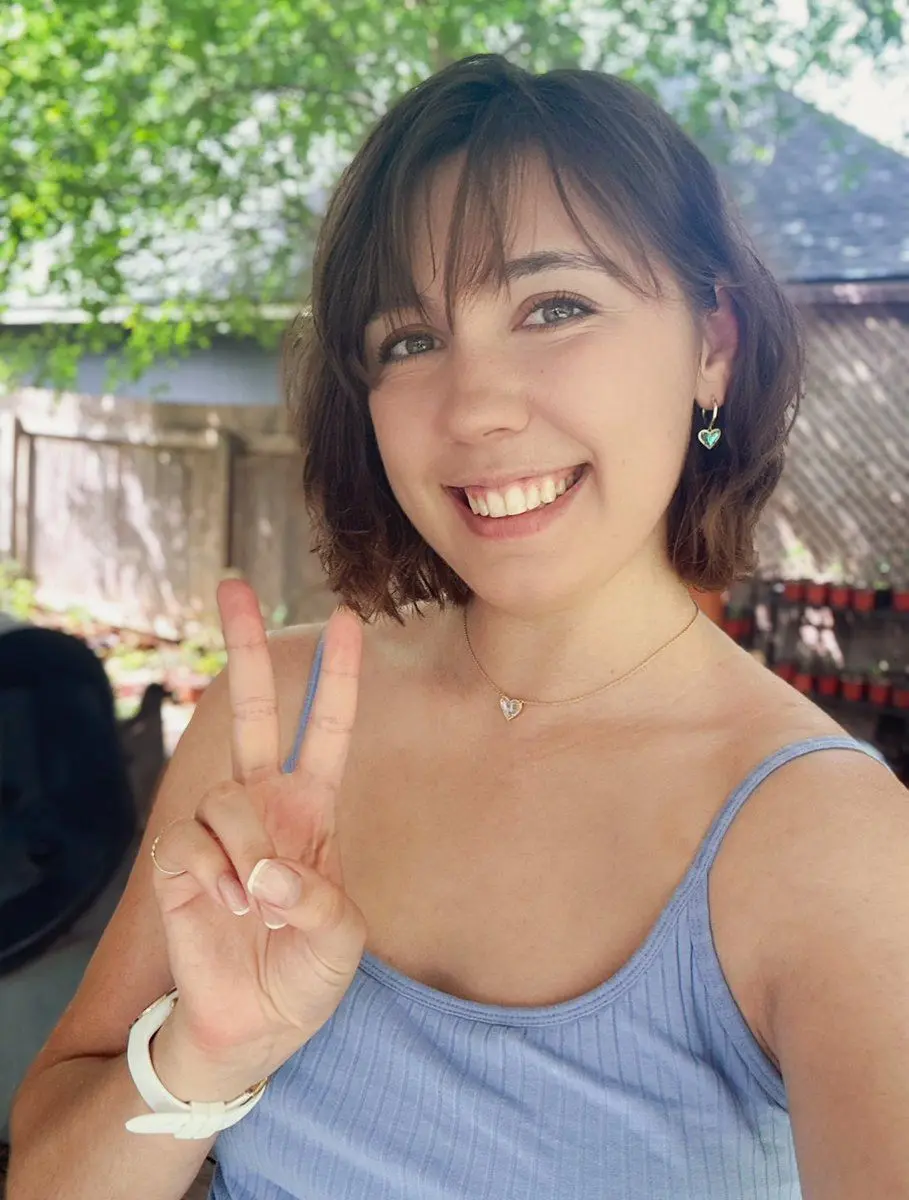
Katie Spradlin built her career at the intersection of editing, performance, and digital storytelling. Working with NewScape Studios, she helped shape Minecraft roleplay content from the editing side while also stepping into on-camera and voice work. That mix of technical control and performance instinct is especially visible in her association with Meta Runner, a credit that remains one of the clearest reference points in her screen portfolio.

Her GameToons and machinima résumé is wider than a quick glance suggests. Alongside Franklin, Gnome, Ria, and Lovely in Among Us Logic, she is also tied to Sky and Big Sister in Friday Night Funkin’ Logic, multiple parts in Poppy Playtime Logic, Pibby in Learning With Pibby Logic, and fan-documented additions such as Carol, Sunday, and Yellow. Readers who like mapping how online casts overlap can use the site’s voice actor directory to see how often performers move between these worlds.

Her broader credits now also connect her to Princess Hana and SCP Animated: Tales from the Foundation, which makes her profile feel even more versatile than a simple machinima-only label would suggest. That wider production environment is closely tied to creators such as Cory Crater, whose studio work helped shape the ecosystem Katie developed in.

Katie Spradlin voice actor Meta Runner

On the NewScapePro side, she has been connected with roles such as Ruby and Agent O’Connor in Minecraft SCP, plus Skye, Jules, and other recurring personalities in Fortnite roleplays. Her collaborative path through that studio circle also places her alongside performers and directors like Ryan Stewart, another important figure in the wider NewScape and web-animation space.

Range Across Machinima and Web Animation

Katie’s main strength as a performer is flexibility. She can move from bright comic timing to heightened game-inspired energy without losing clarity, which is exactly the sort of adaptability that keeps ensemble productions lively. That quality feels especially at home in casts that also feature veterans such as Dave Fennoy.

Her editorial background also seems to sharpen her voice work. Because she understands pacing from the inside, her reads often land with clean timing and quick scene awareness rather than sounding detached from the cut. In productions where tension and larger dramatic beats matter, that kind of instinct sits naturally beside actors like Travis Willingham.

Another reason her performances register so well online is that she can add personality quickly without crowding a scene. That is important in internet-native animation, where episodes often introduce or juggle many characters in a short runtime, a challenge familiar to cast members such as Kimberly Brooks.

There is also a playful elasticity in Katie’s delivery that suits parody, stylized comedy, and exaggerated character work. It helps explain why her credits feel so natural in game-based animation and why her tone sits comfortably within wider Meta Runner cast pages that include names like Jeff Bergman.

At the same time, she does not rely on exaggeration alone. Even when the material is broad, her line reads usually stay readable and scene-friendly, which keeps the storytelling moving. That balance between personality and clarity is one reason readers exploring adjacent talent on the site may also gravitate toward profiles like Sarah Natochenny.

Her delivery also benefits from a straightforward, clean tonal center that translates well across fast-moving digital animation. In mixed casts where experienced game and anime performers work alongside web-native talent, that kind of adaptability becomes a real advantage, and the broader professional spectrum is easy to see in pages such as Kirk Thornton.

The Singing Voice

Beyond acting, Katie is also known for her singing, and that musical side gives her phrasing extra control. It adds another layer to the way she handles rhythm, tone shifts, and character color, which is part of why she feels suited to creator-led online productions shaped by figures such as Kevin Lerdwichagul.

Digital Presence and Creative Identity

Katie maintains a public online presence through her own YouTube channel and social profiles, where she presents herself as both a video editor and voice actor and has shared personal uploads alongside a demo reel. That blend of performance and behind-the-scenes craft fits naturally with the internet-first creative culture represented by artists like Joel Watson.

That visibility matters because her career has remained tied to collaborative web production rather than only traditional casting lanes. Her profile makes the most sense in a space built on remote creation, evolving fandoms, and multi-role contributors, much like the wider scene around Jamie Spicer-Lewis.

For viewers who discover Katie through other corners of indie animation, her trajectory also makes sense next to performers who move fluidly between acting, music, and online audience recognition. A good parallel on the site is Elsie Lovelock, whose career likewise reflects how modern web-animation talent often works across several formats at once.

There is a similar overlap with actors whose work moves between games, serial animation, and internet-born fan communities. Katie belongs comfortably to that networked creative environment, and readers following those connections can also look at Amber May as another example of how flexible online-era voice careers have become.

Where She Fits in the Broader Indie Animation Space

For readers using the site as a discovery tool, Katie’s article is a strong entry point into a much larger map of online storytelling. The platform’s character index is especially useful if you want to follow performers across multiple shows and see how voice work connects with recurring fictional worlds.

That matters because audiences who arrive through one actor often keep exploring until they land on full episode pages and related casts. A natural next stop in that wider browsing path is The Amazing Digital Circus, one of the site’s biggest hubs for readers following current indie animation.

The same habit applies to darker, more action-driven web serials. For visitors who want to move from actor pages into another major corner of the catalog, Murder Drones shows how voice talent, fandom, and serialized online storytelling can reinforce each other.

Because the site tracks more than just the biggest viral titles, it also helps place performers like Katie inside a broader field of independent productions. That wider context includes pages for series such as The Gaslight District, which expands the picture of where web-based voice careers can travel.

The same discovery path continues into fantasy-oriented projects as well. A page like Knights of Guinevere rounds out the sense that one performer profile can easily lead to a much wider exploration of indie serial storytelling.

Altogether, Katie Spradlin stands out as a creator-performer whose value goes beyond a simple list of characters. She edits, sings, voices, and helps shape the pace of the projects she touches, and her growing list of credits—from Meta Runner and GameToons-related roles to Princess Hana and SCP Animated—shows a career built on flexibility, digital fluency, and a strong feel for how online stories are made and heard.

A quick note
We use cookies to ensure the site works properly, to personalize content and ads, to provide social media features, and to analyze our traffic.