
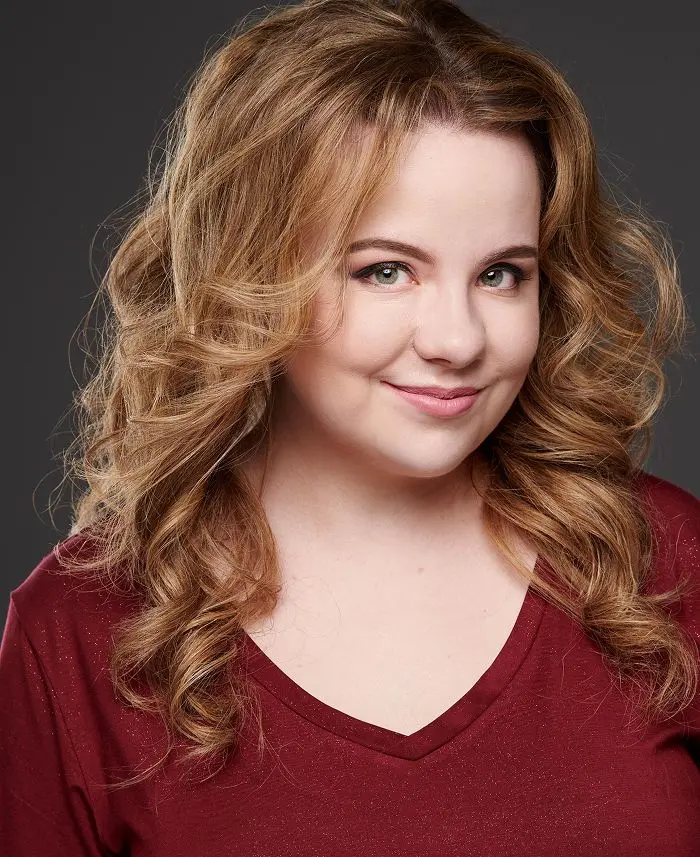
Hayley Nelson stands out as a dynamic voice actress whose creative repertoire extends far beyond acting. An American multidisciplinary artist, she brings to life over 100 characters through her voice acting roles, while also active as a singer, graphic designer, animator, and illustrator. With her visual artistry and vocal talents intertwined, she embodies a rare cross-disciplinary synergy that enriches every project she touches.
Breakthrough in Web Series: Sofia Porter in Meta Runner
One of her most celebrated voice acting roles is Sofia Porter in the Australian animated web series Meta Runner. As part of the ensemble cast penned by Glitch Productions, the series ran from 2019 to 2022 across three seasons. Sofia, a brilliant hacker and technician in the MD-5 team, is known for her energetic charm and tech-savvy nature–traits that Hayley Nelson captured with verve and warmth.
Beyond Meta Runner, Hayley Nelson also contributed to the web series pilot Murder Drones, lending her voice as one of the additional actors in that futuristic sci-fi animation. Her range in web series continues to reflect her adaptability across genres and platforms.
Voice Over Highlights in Animation and Gaming
Her voice actor roles stretch deeply into animation and gaming. Her credits include:
- “Master of Hearts” in Heroes of Newerth
- Kuruna in Pixel Princess Blitz
- Andrea in Learn Japanese to Survive: Katakana War
- Luise in DigRun
- Female voices in Buffer Bits
These roles demonstrate her ability to voice diverse characters across gaming genres, from indie titles to animated shorts.
On her professional website, Hayley highlights a distinguished roster of clients who appreciate her signature voice, including Amazon, Glitch Productions, Frederator Studios, Sega, Zynga, Radio Disney, BlueCross BlueShield, and many others. These collaborations span advertising, animation, gaming, and beyond–demonstrating her reliability and creative appeal across industries.
Audiovisual Presence: Demo Reels & Online Platforms
Hayley maintains a polished audiovisual presence through her demo reels, accessible via her website, offering samples of her voice as well as her design and animation work. Additionally, platforms like Voices.com feature her demo reels tailored to different formats–character animation, singing, commercials, and narration–emphasizing the breadth of her voice acting roles.
Voice Acting Style and Strengths
Hayley’s voice acting style is marked by its brightness, range, and expressive quality. She comfortably inhabits roles across a wide age range–from children and teenagers to young adults–as well as a spectrum of accents (North American, British, Trans-Atlantic, Romanian, etc.). Her early start in performance (since age 14) and consistent expansion into voice work from around 2013 highlight both her passion and growing expertise.
Perhaps most compelling is how Hayley’s background in visual art–animation, illustration, and graphic design–enhances her approach to voice acting. Her unique ability to blend visual storytelling sensibilities with vocal performance gives each character and project a layered, emotive depth. That integration allows her to envision the full fabric of a role, both audibly and visually.
| Category | Highlights |
|---|---|
| Main Breakthrough | Sofia Porter in Meta Runner (2019–2022) |
| Other Web Series | Murder Drones (pilot role, additional character voices) |
| Gaming Roles | Heroes of Newerth (Master of Hearts), Pixel Princess Blitz (Kuruna), Katakana War (Andrea), DigRun (Luise), Buffer Bits (female voices) |
| Clients | Amazon, Sega, Zynga, Frederator Studios, Glitch Productions, Radio Disney |
| Skills Beyond Voice | Illustration, animation, graphic design, singing |
| Voice Acting Style | Bright, versatile, expressive; multiple accents; roles across age ranges |
| Demo Reels | Character animation, singing, commercials, narration (available online) |
| Cross-Disciplinary Edge | Combines visual artistry with vocal performance for unique storytelling impact |