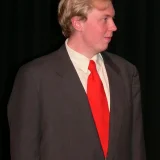
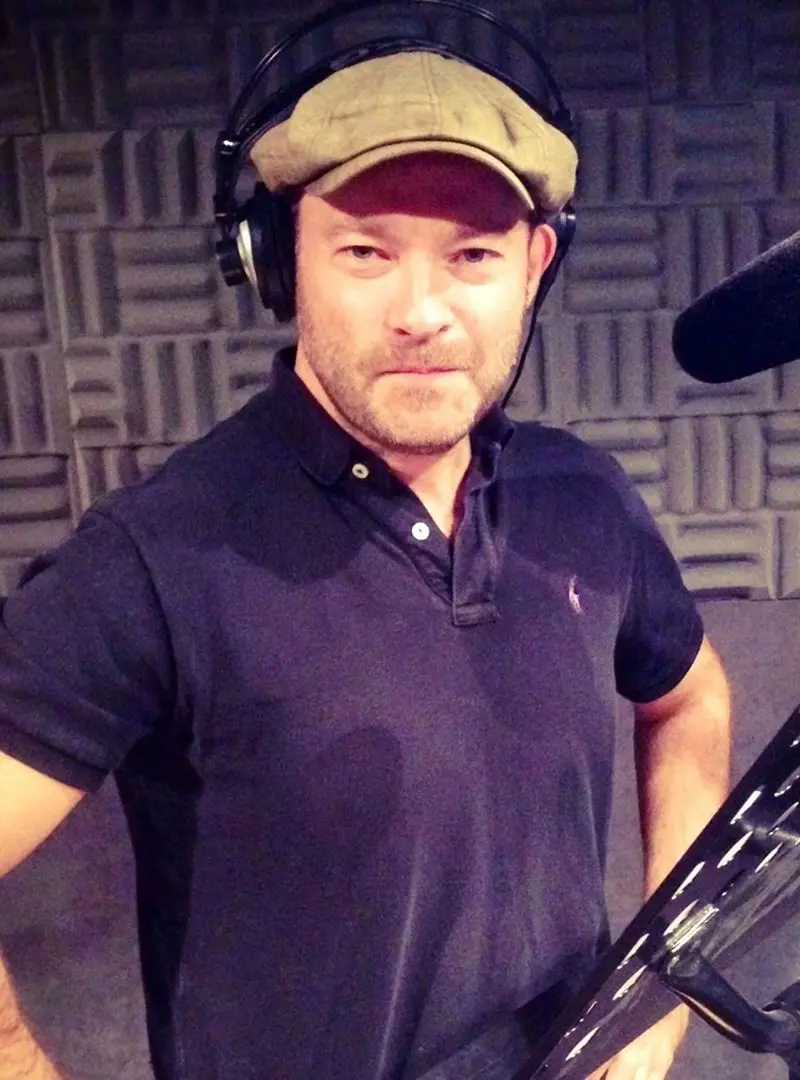
Rupert's journey into the world of acting began in London, where he was born born in London on 17th August 1970. His interest in performing arts emerged early, leading him to explore theater and later voice work. The combination of his British roots and Australian influence shaped his distinctive vocal style, which would become a defining feature of his career. Rupert’s early training in acting, coupled with his natural talent for voice modulation, set the stage for his later success as a voice actor in animated and live-action projects.
As a young actor, Rupert began his career in radio and television, gaining experience that would be invaluable as he transitioned into voice work. His range, combined with his deep understanding of character development, soon made him a sought-after talent for various projects, especially in the rapidly growing field of web series.
Rupert Degas and His Unique Voice Acting Style
Rupert’s vocal style is characterized by its flexibility. He can easily shift his tone, pitch, and pacing to match the mood and personality of the character he’s portraying. This adaptability has earned him the admiration of both creators and fans alike, who appreciate his nuanced approach to each role. Rupert’s voice never sounds forced or artificial–each performance feels authentic and deeply rooted in the character’s emotional journey.
Notable Web Series Roles
Rupert Degas’ talent is best showcased in the world of web series, where his voice has become synonymous with quality performances. One of his most notable roles is in the hit series Meta Runner, where he voices several important characters. The series, which blends video game culture with compelling storytelling, owes much of its success to Rupert’s dynamic vocal contributions, which help bring its characters to life in a way that is both engaging and memorable.
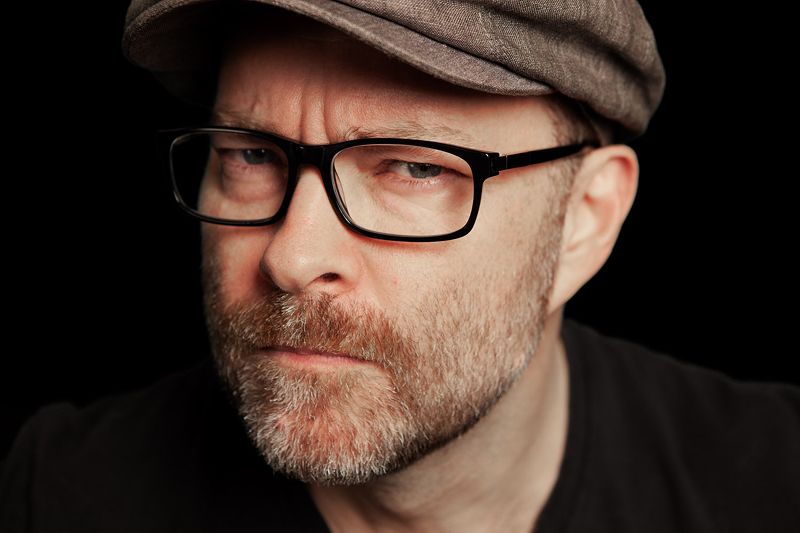
Beyond Meta Runner, Rupert has voiced a variety of characters in numerous other web series, spanning genres from action and sci-fi to comedy. His ability to adapt to different types of characters, from the serious to the absurd, has made him a sought-after voice actor for many digital productions. Whether he’s voicing a villain, a hero, or a quirky supporting character, Rupert’s voice always feels like a perfect fit for the role.
Rupert Degas' Approach to Characterization
For Rupert, voice acting is about more than just delivering lines–it’s about becoming the character. He approaches each role with the understanding that his voice is a tool for bringing emotional depth and complexity to the character. Whether he’s voicing a larger-than-life figure or a more understated character, Rupert’s focus remains on understanding the motivations, fears, and desires that drive each persona.
This commitment to character development is evident in every role he takes on. Rupert avoids falling into common voice acting tropes and instead focuses on creating multi-dimensional characters. His performances are a reflection of his belief that voice acting is as much about storytelling as it is about sound.
Collaborations with Creators and Studios
In his work on *Meta Runner*, Rupert worked closely with the creators at Glitch Productions to craft the voices of the series’ characters, which are essential to the show’s unique style and storytelling. His ability to connect with the creative vision of the studio is one of the reasons he continues to be a sought-after voice actor in the web series space.
The Future of Voice Acting: Rupert Degas’ Impact on Web Series
As the digital entertainment industry continues to evolve, the demand for skilled voice actors like Rupert Degas will only grow. With his extensive experience and unique approach to characterization, Rupert is well-positioned to continue influencing the future of voice acting in web series. As creators experiment with new technologies and platforms, Rupert’s ability to adapt and innovate ensures that he will remain an influential figure in the industry for years to come.
| Topic | Key Points |
|---|---|
| Early Life and Career Beginnings | Rupert was born in London and began his career in radio and television before moving to voice work. |
| Unique Voice Acting Style | Known for his range, Rupert adapts his voice to suit a wide range of characters. |
| Notable Web Series Roles | Key roles include *Meta Runner* and other animated and live-action web series. |
| Behind the Scenes of Voice Acting | Rupert’s process involves deep character analysis and preparation for every role. |
| Characterization Approach | Focuses on making each character emotionally compelling and multi-dimensional. |