
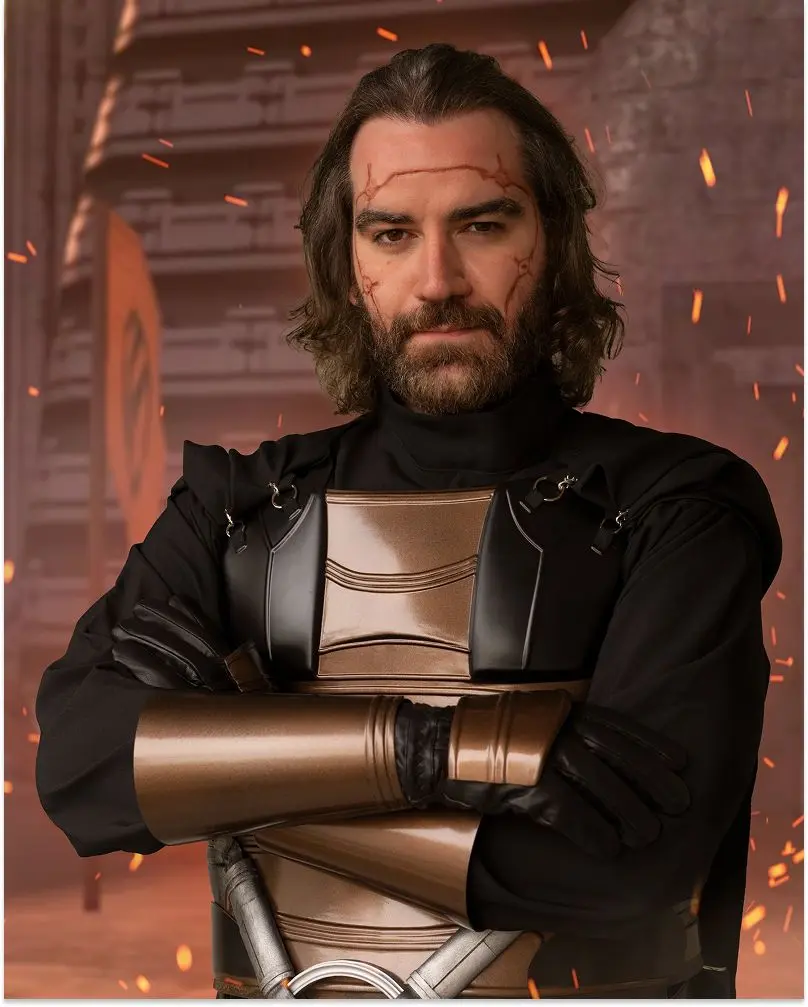
Ryan Stewart was born and raised in a small town where his interest in storytelling and entertainment blossomed at a young age. Growing up, he was fascinated by the world of animation, movies, and all forms of media that brought fictional characters to life. His interest in acting began in high school when he participated in theater productions, demonstrating his talent for capturing emotion and depth through his voice.
After completing his education, Stewart decided to pursue a career in voice acting, realizing that his unique vocal skills could allow him to become a part of the characters that had inspired him for so long. He began honing his craft by participating in various local projects and building a portfolio that would eventually catapult him into larger, more prominent roles.
Breaking Into Voice Acting: Ryan Stewart’s Journey
Like many voice actors, Ryan Stewart’s path to success was not without its challenges. He initially faced stiff competition in the industry, trying to stand out among numerous talented actors. However, his dedication and distinctive voice caught the attention of industry professionals. Stewart began landing smaller roles in indie projects, gradually building a name for himself.
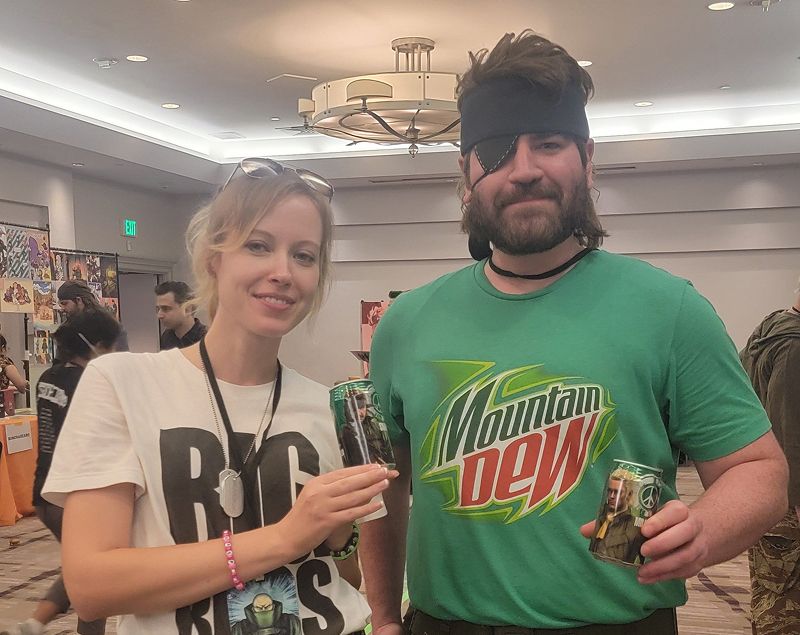
His big break came when he was cast as a voice actor in several web series, where his performance resonated with audiences. The opportunity to work with emerging content creators gave Stewart the chance to showcase his talents in a more relaxed, experimental environment, allowing him to develop his unique approach to character development.
Notable Web Series Roles and Characters
Ryan Stewart has voiced several characters in popular web series, each role demonstrating his ability to adapt to different styles and genres. One of his most recognized roles is in Meta Runner, an animated series that takes place in a futuristic world where video games are at the heart of everything. In this series, Stewart voices one of the main characters, contributing to the show's massive success. His portrayal of the character blends well with the show’s narrative, offering a perfect balance of humor and depth.
Ryan Stewart’s voice acting stands out for several reasons. First, his vocal range allows him to take on a wide variety of characters. Whether it's a quirky, eccentric sidekick or a brooding, serious hero, Stewart can readily adapt his voice to fit the personality and mood of any character.
Behind the Scenes: The Process of Voicing a Web Series
The process of voicing a character for a web series involves a lot more than just recording lines in a sound booth. Ryan Stewart, like many voice actors, works closely with directors and sound engineers to ensure that the character’s voice matches the animation and the intended performance. This collaboration is critical to the overall success of the show, as voice actors must align their delivery with the pacing and tone of the animation.
As for the future, Ryan Stewart’s prospects in the voice acting industry remain incredibly bright. With his growing popularity, it’s likely that he will continue to take on high-profile roles in both web series and feature films. As the demand for quality animated content increases, Stewart’s experience and talent make him a prime candidate for leading roles in major projects.
| Category | Details |
|---|---|
| Early Life | Born in a small town with an early interest in storytelling and animation. |
| Career Beginnings | Started in theater and transitioned into voice acting, gaining experience through smaller roles. |
| Notable Roles | Best known for voicing characters in Meta Runner and other popular web series. |
| Unique Style | Known for his vocal range and emotional depth, able to bring characters to life in diverse ways. |
| Voice Acting Process | Collaborates closely with directors and sound engineers to match the animation and character’s needs. |
| Influence on the Industry | Contributed to the growth and popularity of animated web series, bringing attention to voice acting. |