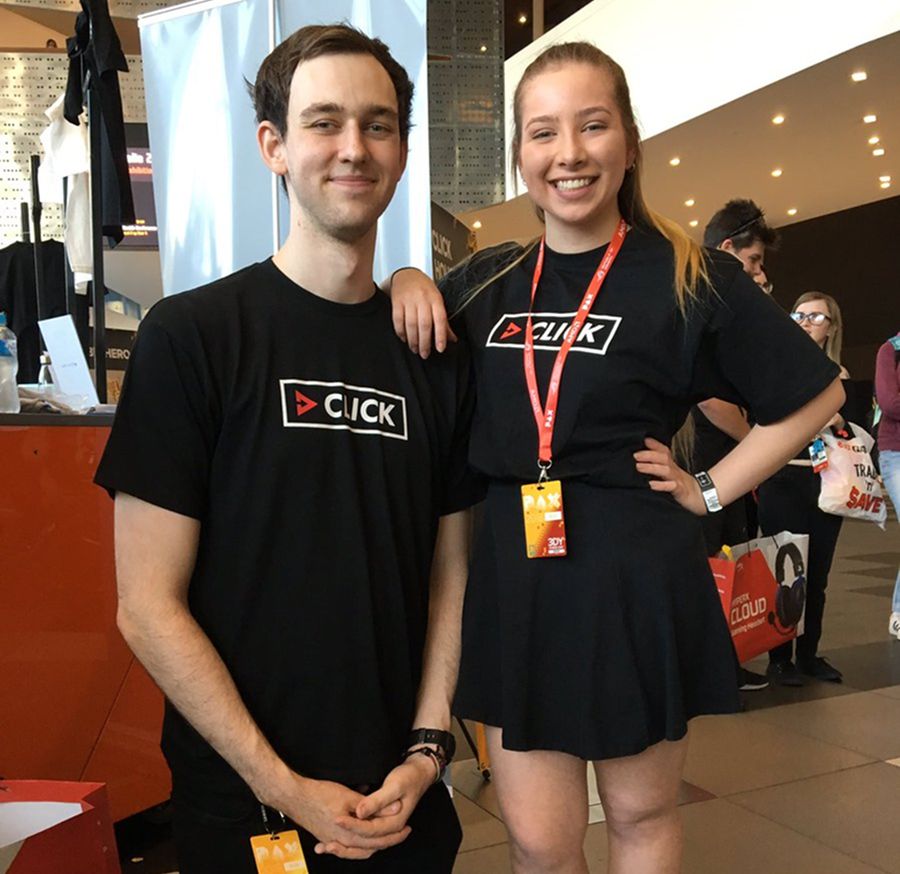
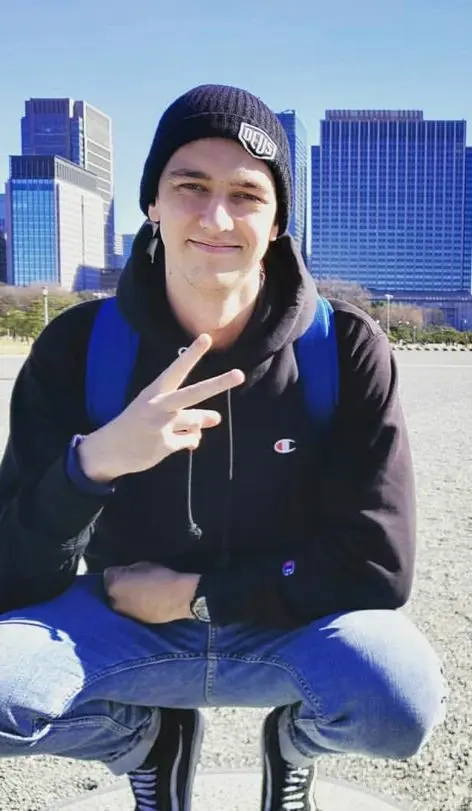
Brodey Rogan de Meur, better known online as Bazza Gazza, is an Australian creator from Sydney whose name stands out a little differently inside the site’s wider voice actor directory: he arrived in web animation not from a traditional booth-first career path, but from gaming videos, livestreams, and audience-driven internet culture.

Born on February 1, 1997, Brodey built his reputation through energetic commentary and gaming content, yet his clearest connection to animated storytelling still runs through Meta Runner, the cyber-action series that gave him a small but recognizable place inside the GLITCH universe.

First Steps in Voice Work

Within the show’s full cast list, Bazza Gazza is remembered less as a career voice actor making a hard pivot and more as a creator stepping naturally into a cameo-style performance, which is part of what makes the credit interesting to fans of web-native productions.

That brief appearance still placed him in a professional ensemble alongside performers such as Robyn Barry-Cotter, whose work helped establish the emotional tone that made Meta Runner feel bigger than a typical creator-led side project.

Breakthrough Roles in Web Animation

His best-known credit in the series is “Tempest Competitor 1,” a small but official role that carries weight precisely because it sits inside the same production as performers like Jessica Fallico, whose presence represents the more polished dramatic wing of the cast.

Set against a larger ensemble that also included names such as Jason Marnocha, Bazza’s contribution underscores how Meta Runner blended trained voice talent with internet personalities and creators who already knew how to perform directly for an audience.

That crossover matters because Bazza Gazza’s route into animation resembles a broader internet-to-voice-work pipeline seen with creators like Brendan Blaber: the line between online entertainer and cast member has become much more fluid than it once was.

The Studio Context Behind the Cameo

The production context matters too. Meta Runner carried the creative fingerprints of Luke Lerdwichagul, whose directing and web-native pacing helped make even small supporting voices feel like part of a coherent, stylized world rather than disposable background texture.

That world was also built by Kevin Lerdwichagul, and Bazza’s appearance sits neatly inside that early GLITCH era, when the studio was refining how gaming culture, humor, sci-fi tension, and creator familiarity could all coexist in the same series.

Writers and producers such as Jasmine Yang helped give that era its shape, which makes Bazza’s cameo feel less random in hindsight: he entered a studio space where community crossover was already part of the creative DNA.

Brodey Rogan de Meur popularly known as Bazza Gazza voice actor Meta Runner

Balancing Streaming and Voice Acting

Bazza Gazza never stepped away from the platform that made him known. Today, his main YouTube channel sits at roughly 853,000 subscribers, more than 116 million total views, and just over 200 uploads, which reinforces that voice acting remains a complementary lane rather than a replacement career; that kind of crossover profile now feels increasingly familiar across the Murder Drones voice cast as well.

He also remains active on Twitch, where live variety streams, often with Grand Theft Auto in the mix, keep his audience engaged in real time. That continuing live presence helps explain why even brief animated appearances stay memorable: viewers who know a creator’s rhythm tend to recognize it immediately when it surfaces in the Digital Circus voice cast.

Why the Credit Still Resonates

Within the studio’s broader catalogue, Bazza’s Meta Runner role now reads as part of an earlier phase of expansion, one that later opened into higher-profile releases like Murder Drones. As the studio’s reputation grew, smaller supporting credits from the Meta Runner era inevitably became more visible too.

The same effect intensified again once The Amazing Digital Circus brought a new wave of mainstream attention to creator-driven web animation. When audiences discover a breakout hit, they often trace the studio backward, and that backward discovery keeps earlier cast appearances in circulation.

Seen from that angle, Bazza Gazza’s voice work is less of an isolated trivia note and more of a marker of how fluid creator roles have become. Internet entertainers now move between streaming, guest casting, production culture, and fandom spaces with very little friction, and the same evolution can be seen across the The Gaslight District voice cast.

Projects such as The Gaslight District show how much the field around him has continued to widen: indie web series are no longer treated as side curiosities, but as sustained properties with their own casts, lore, and returning audiences. That shift makes every early crossover appearance easier to appreciate in retrospect.

For fans, that is part of the appeal. Web audiences are used to seeing internet-native creators cross into performance work, and figures such as Ross O’Donovan underline the same broader pattern: online personality, animation culture, and voice acting now overlap constantly.

Brodey Rogan de Meur’s path from gamer and streamer to recognizable guest voice in web animation captures something central about the current indie internet era: talent no longer stays locked inside a single lane. Bazza Gazza is still a digital creator first, but his Meta Runner credit remains a useful example of how online entertainment personalities can carry their presence into animated storytelling without losing the audience that got them there in the first place.

A quick note
We use cookies to ensure the site works properly, to personalize content and ads, to provide social media features, and to analyze our traffic.