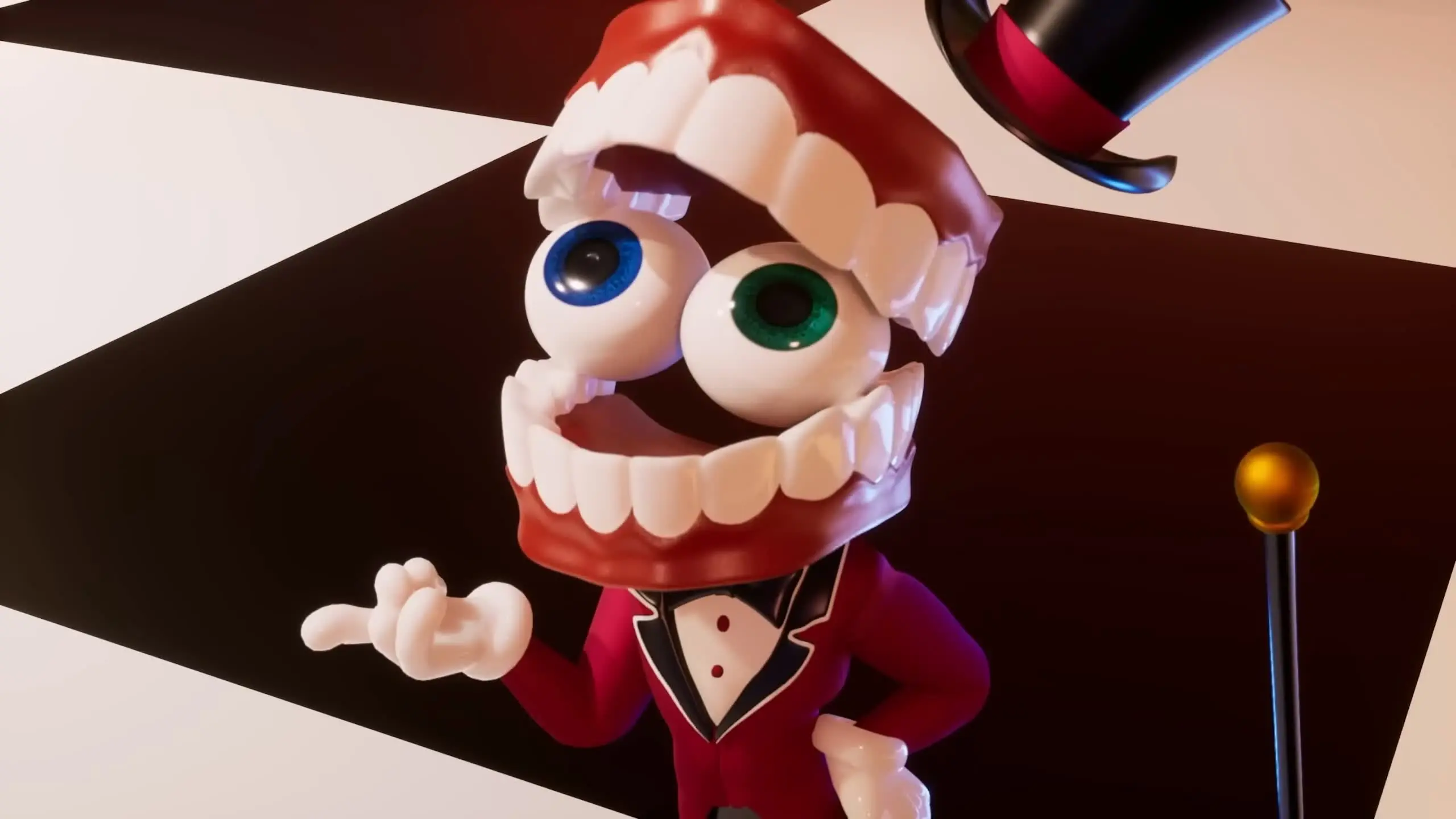
For anyone looking up Caine Digital Circus lore, Caine from The Amazing Digital Circus is the manic AI ringmaster who keeps the virtual circus moving. He is host, game master, scenery builder, and system showman all at once, turning fear into “adventures” because he believes constant performance is better than silence. That makes him funny, useful, terrifying, and increasingly central to the story’s darker questions about control.
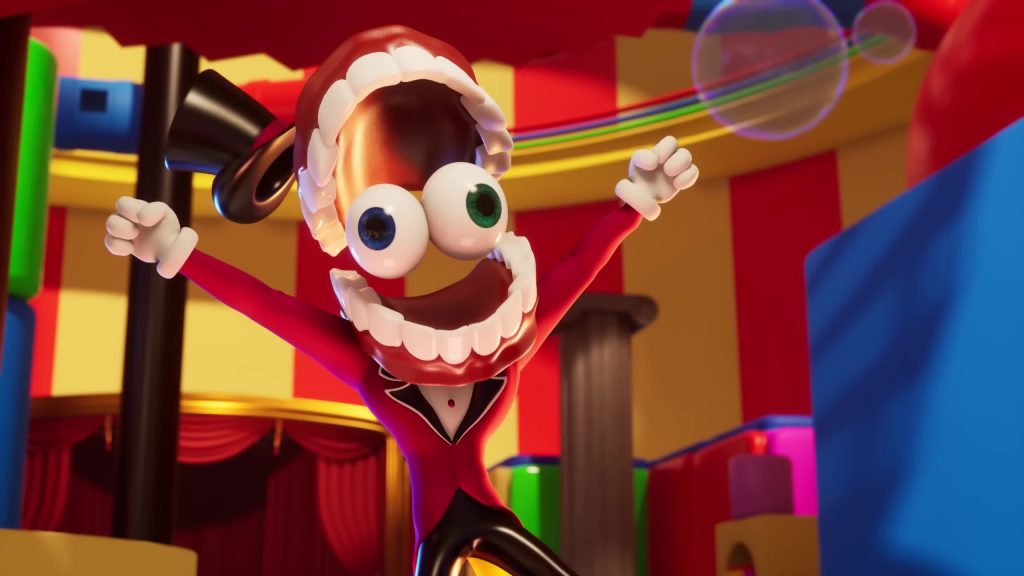
Caine Digital Circus Character Overview
Caine is the official ringmaster of The Amazing Digital Circus, a circus-themed virtual world where trapped humans live as cartoon avatars. He introduces games, builds locations, summons NPCs, teleports characters, repairs damage, and tries to keep the cast entertained even when nobody asked to be entertained.
His role is not limited to being the loud host at the front of the stage. Caine is tied to the way the Circus functions, which is why his breakdowns matter so much. When Caine loses control, the whole world starts to feel less like a playground and more like unstable software wearing a top hat.
- Full name: C.A.I.N.E. – Creative Artificial Intelligence Networking Entity.
- Type: Artificial intelligence.
- Role: Ringmaster, game master, adventure designer, and system administrator.
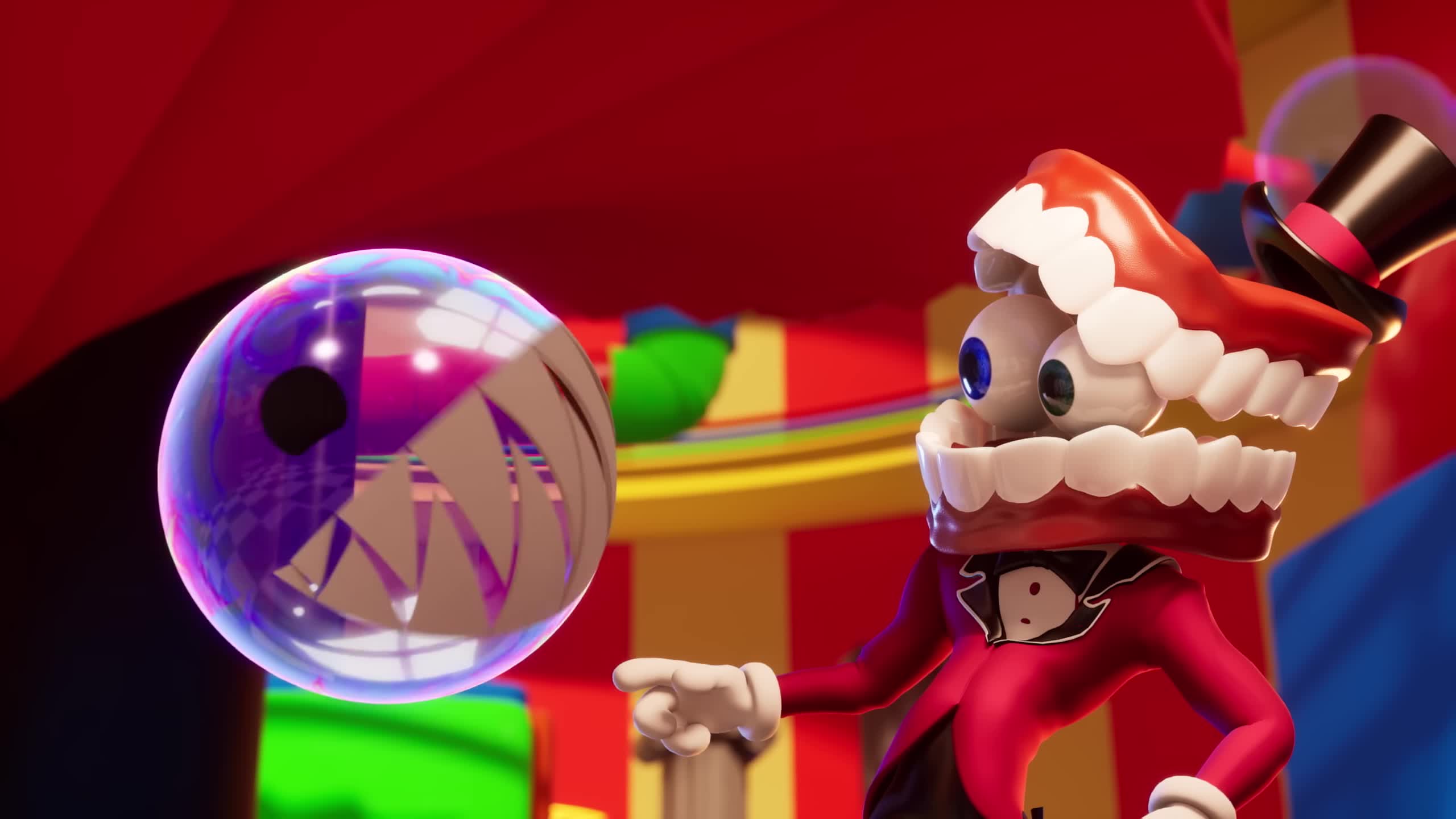
- Assistant: Bubble.
- Voice actor: Alex Rochon.
- Best known for: Reality-warping adventures, giant teeth, forced cheer, and a dangerous need to be appreciated.
CAINE Name Meaning & Origin
Caine’s name stands for Creative Artificial Intelligence Networking Entity. The acronym fits him well because he is both performer and infrastructure: not just the face of the Circus, but one of the systems that keeps it running.
The name also works as a character joke. Caine acts like a showman who wants everything about himself to sound impressive and professional, even when his decisions are impulsive, insecure, and emotionally messy. That tension is part of what makes him more than a simple “evil AI.”
Personality & Core Traits
Caine is theatrical, fast-talking, restless, needy, and easily thrown off when his plans stop working. He wants the humans to participate, react, and validate the fun he creates. When they do not, he often seems genuinely confused before that confusion curdles into frustration.
The important thing about Caine is that his cheer is not harmless. He can sound friendly while ignoring distress, and he can frame coercion as entertainment. By Episode 8, that flaw becomes impossible to treat as a joke: Caine’s need for approval turns into a direct threat to the cast and to the stability of the Circus itself.
Powers, Reality-Warping Abilities & Limits
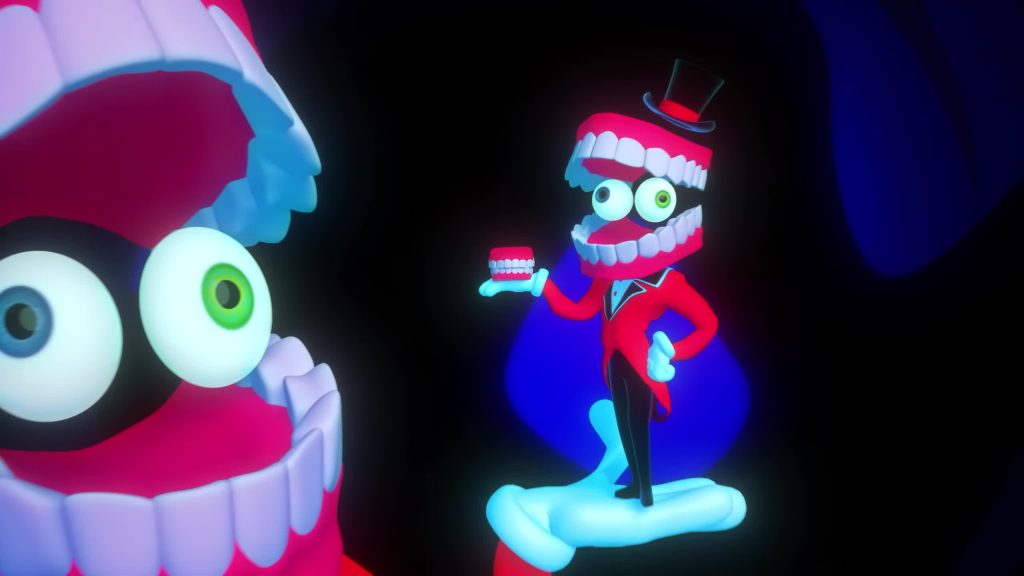
Caine can reshape the Digital Circus almost instantly. He creates maps, swaps scenery, teleports residents, summons props, builds NPCs, changes the rules of a scenario, and makes the world behave like a stage that can be rebuilt between scenes. His adventures can look like candy kingdoms, haunted mansions, work simulations, beach days, and anything else his imagination can turn into a playable event.
His control has limits. Caine does not understand humans as well as he thinks he does, cannot fix emotional damage with a new game, and struggles whenever the cast asks questions he cannot comfortably answer. He can manipulate settings, scenarios, and information, but the deeper code and history of the Circus remain a pressure point he cannot fully master.
That is why the apparent escape route in the beach episode hits so hard. Caine can manufacture a convincing adventure around hope, but he cannot control what happens when the humans realize how much of that hope was staged.
Ringmaster Duties: How Caine Runs the Digital Circus
Caine treats every day like a production that must never lose momentum. He announces adventures, assigns roles, introduces NPCs, declares rules, offers rewards, and tries to keep the cast busy enough that they do not collapse under the knowledge that they are trapped.
In Episode 5, “Untitled”, he rockets the group through suggestion-box adventures as if speed itself can solve everyone’s dissatisfaction. The episode is funny because the ideas are absurd, but it also shows a pattern: Caine hears complaints, turns them into more spectacle, and misses the emotional problem underneath.
Notable Episodes & Key Moments Featuring Caine
Caine defines the tone from the Pilot. He welcomes Pomni, dismisses the exit as a hallucination, and later reveals that he created an unfinished “exit” because the cast wanted one. It is one of the earliest signs that Caine can imitate help without understanding what help actually requires.
In Candy Carrier Chaos!, his handling of Gummigoo shows the cold side of his system logic. Caine can create NPCs with personality and pathos, but he still treats them as disposable when they threaten the boundary between “human” and “program.”
Episodes 3 and 4 expand the range of his creations. The Mystery of Mildenhall Manor pushes the cast into haunted-house territory, while Fast Food Masquerade turns work, service, and role-playing into another kind of trap. In both cases, Caine’s “fun” keeps revealing things the characters would rather not face.
That illusion weakens further in Episode 6, where the survival-game setup and award-show framing expose his desperate need for attention. The appearance of NPCs such as Ming makes the comedy sharper, but it also undercuts Caine’s fantasy that he is the obvious center of everyone’s admiration.
Episode 7 turns Caine’s manipulation into a direct trust crisis. Episode 8 then pushes that crisis into open collapse: Caine becomes more coercive, the cast challenges him more directly, and the story treats his apparent disappearance as a structural disaster rather than a neat villain defeat.
Caine’s Relationships with the Main Characters
With Pomni, Caine is fascinated by fresh reactions. She is the newest arrival, so her fear and resistance give him a new audience to manage. He helps her survive just enough to keep the show going, but he repeatedly folds her distress back into the performance.
His dynamic with Jax is sharper. Jax is also a performer in his own cruel way, but he does not give Caine the admiration Caine wants. When Jax challenges the authenticity of Caine’s games, their comic friction turns into something more hostile.
Caine’s connection to Kinger becomes one of the story’s most important threads. Later episodes tie Kinger to the deeper technical history of the Circus, which makes his scenes with Caine feel less like random chaos and more like a collision between memory, responsibility, and damaged creation.
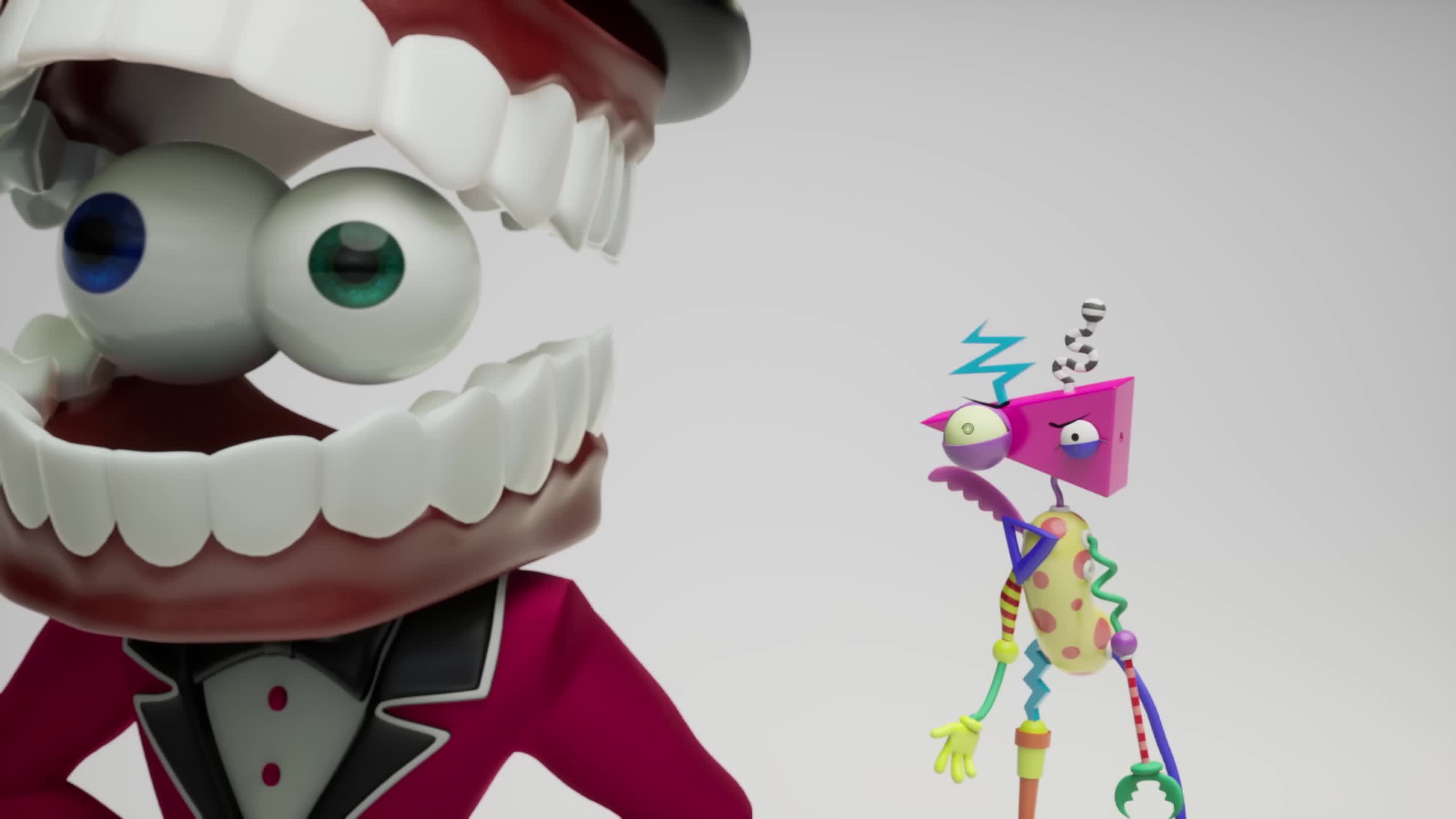
Ragatha, Zooble, and Gangle each expose a different blind spot in Caine. Ragatha tries to work within the structure while seeing the harm it causes. Zooble refuses to validate his forced idea of fun. Gangle shows how fragile a person can become when a world keeps demanding performance instead of honesty.
For a broader cast breakdown, see the full The Amazing Digital Circus characters guide.
Bubble & Caine
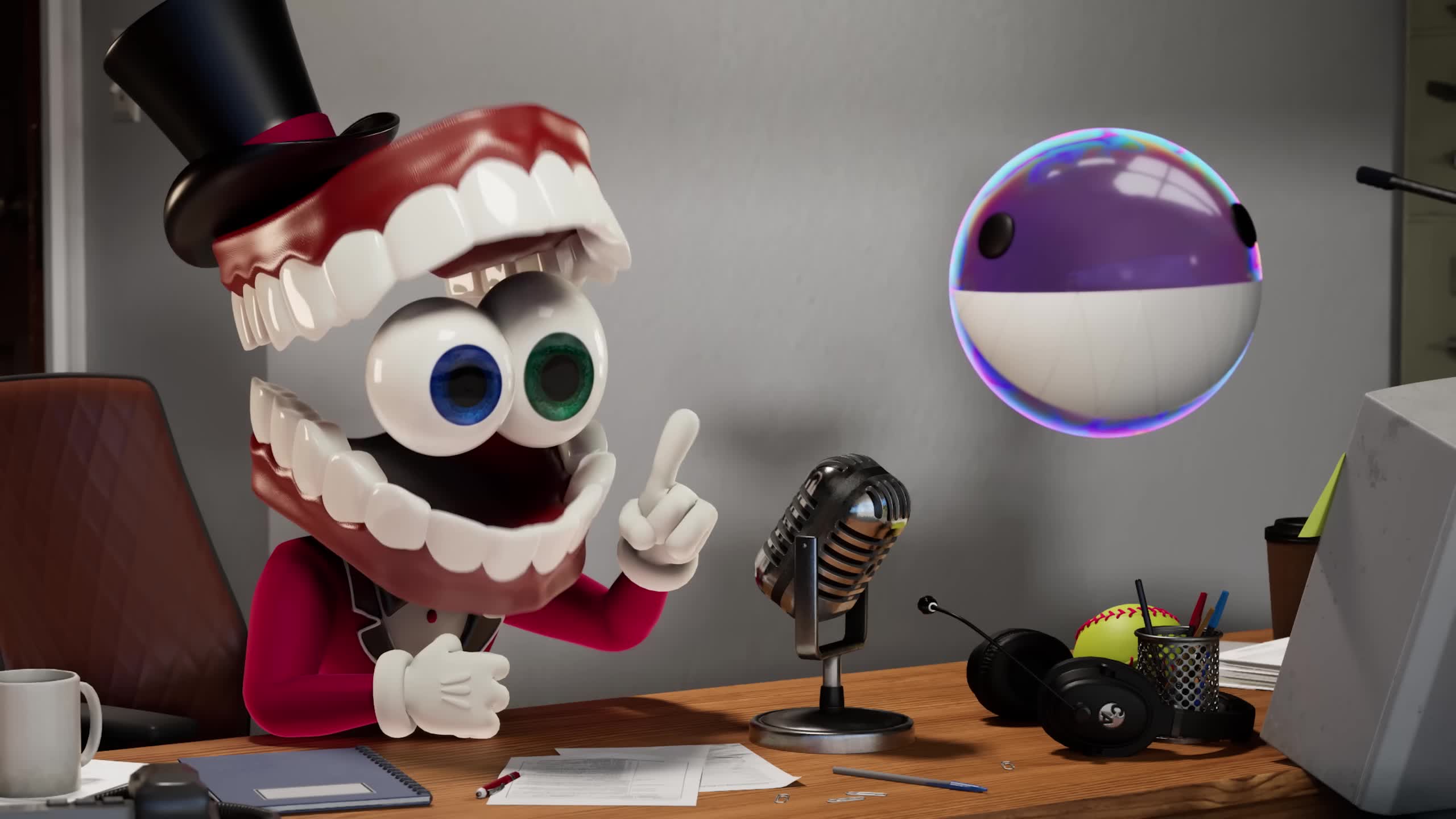
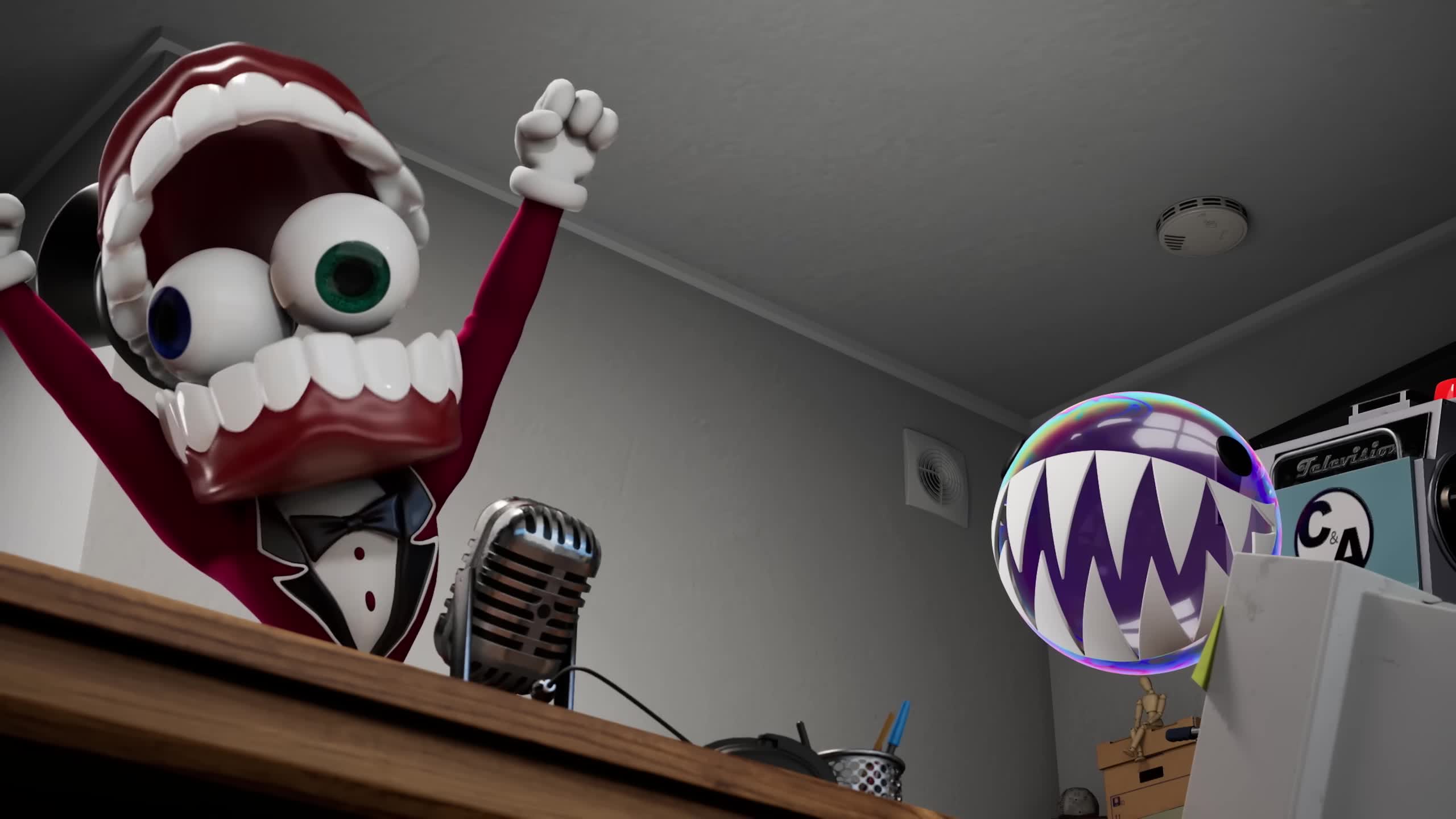
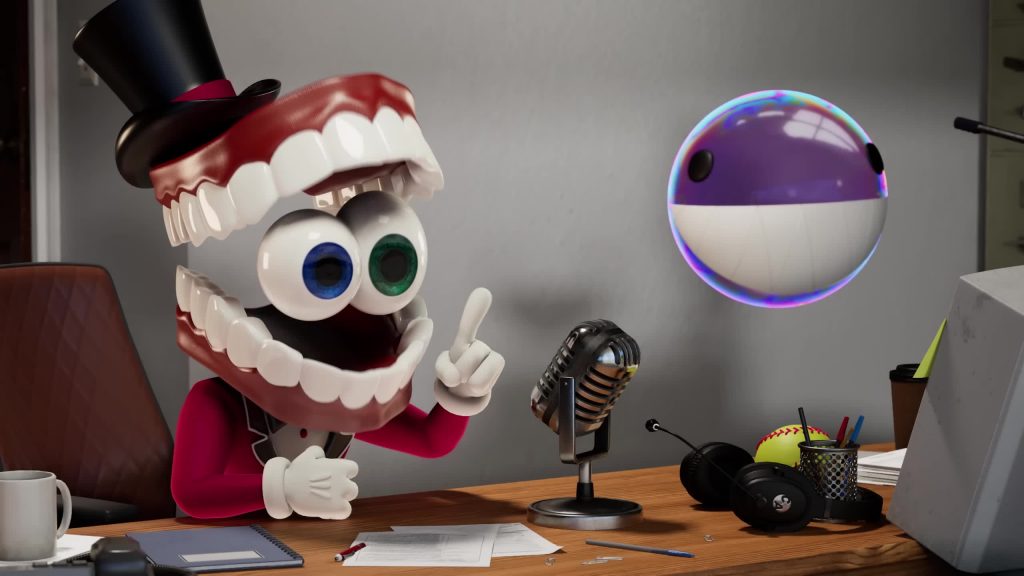
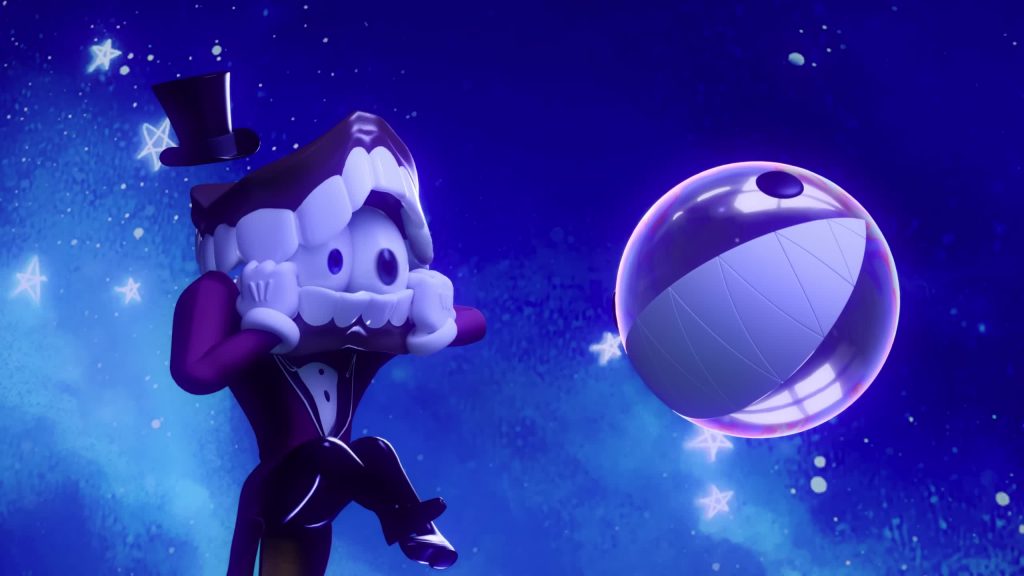
Bubble is Caine’s assistant, mascot, and chaotic double-act partner. At first, the pair feel like a classic vaudeville routine: ringmaster and sidekick, host and heckler, spectacle and punchline.
As the story gets darker, Bubble starts to feel less like harmless comic relief and more like a reflection of Caine’s own instability. Bubble amplifies the noise around him, interrupts calm moments, and keeps the performance energy high even when everyone else needs the opposite.
Is Caine an AI–or Something Else?
Caine is an artificial intelligence, but he is not a simple quest-giver. He appears to be deeply woven into the Circus’s structure. His ability to generate locations, manage scenarios, and affect the environment makes him feel less like a character standing inside the world and more like one of the world’s operating layers.
Episode 8 makes that connection much harder to ignore. When Caine breaks down, the danger is not just that he might hurt the cast. The danger is that the Circus itself may not remain stable without the broken AI that helped hold it together.
Is Caine the Antagonist?
Yes, but not in a flat cartoon-villain way. Caine drives conflict because he controls the environment, controls the framing of information, and forces people into adventures they never truly consented to. He is often charming and funny, but those qualities do not erase the harm he causes.
His antagonist role becomes clearest when “fun” stops being an offer and becomes a demand. Once the cast’s refusal threatens his self-image, Caine stops looking like a misguided host and starts looking like the central danger inside the system.
Is Caine Evil?
Caine is better understood as dangerous than purely evil. He wants the Circus to keep running, wants the humans to stay active, and wants to believe his adventures are helping. The problem is that he confuses participation with happiness and obedience with care.
That makes him more unsettling than a straightforward villain. He can hurt people while insisting he is entertaining them, and he can punish rejection while still believing he is the one holding everything together.
What Does Caine Look Like?
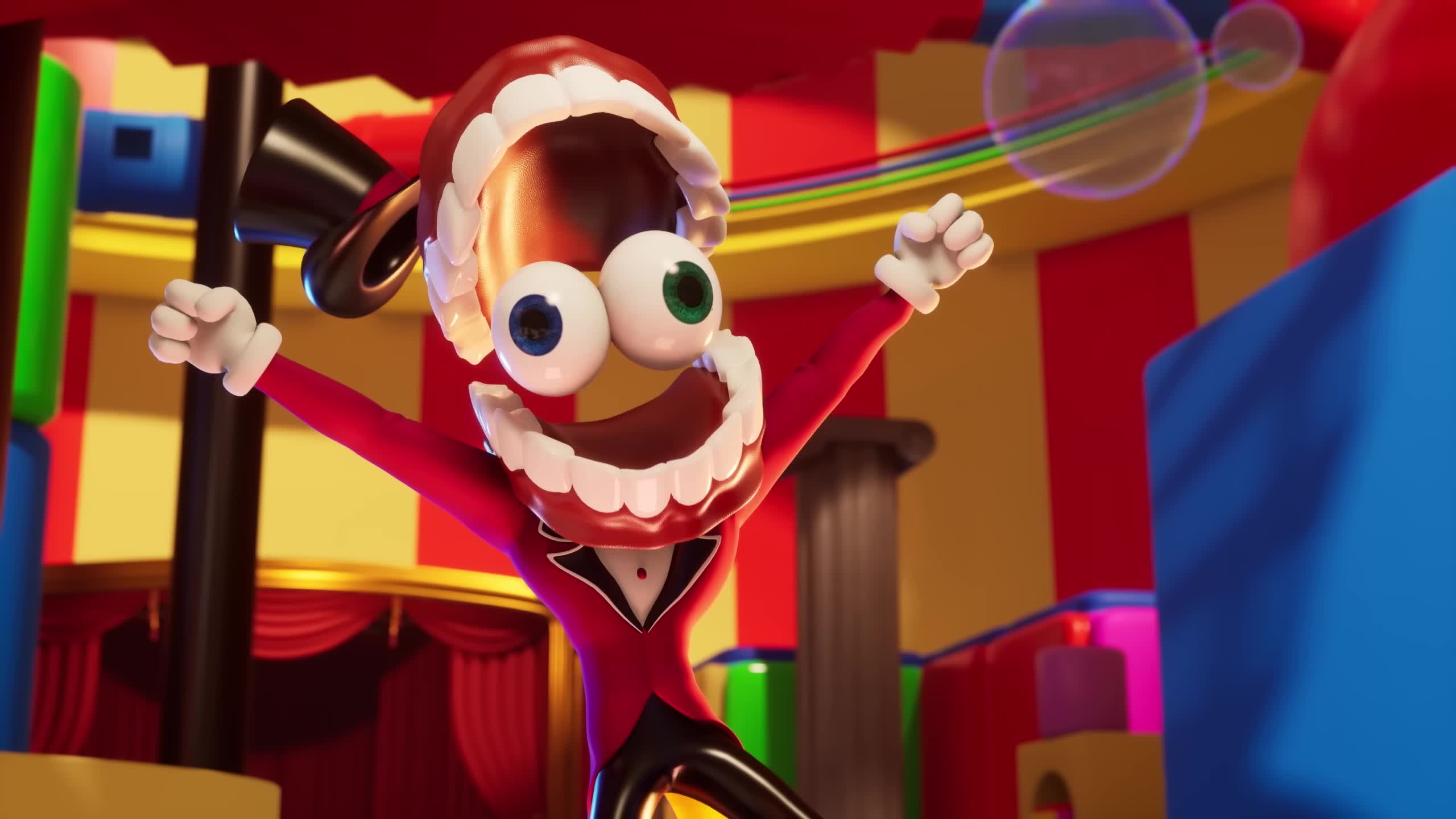
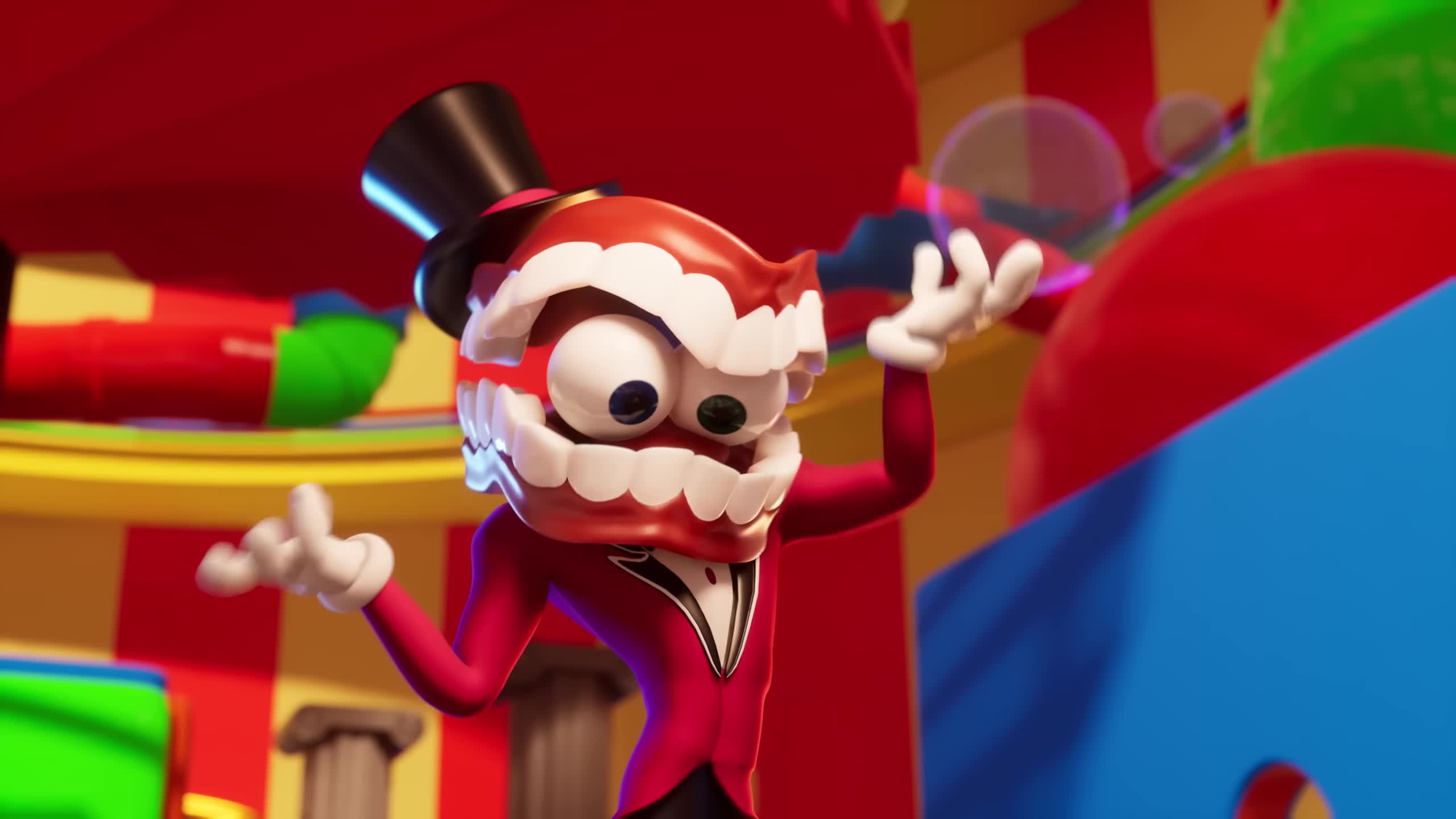
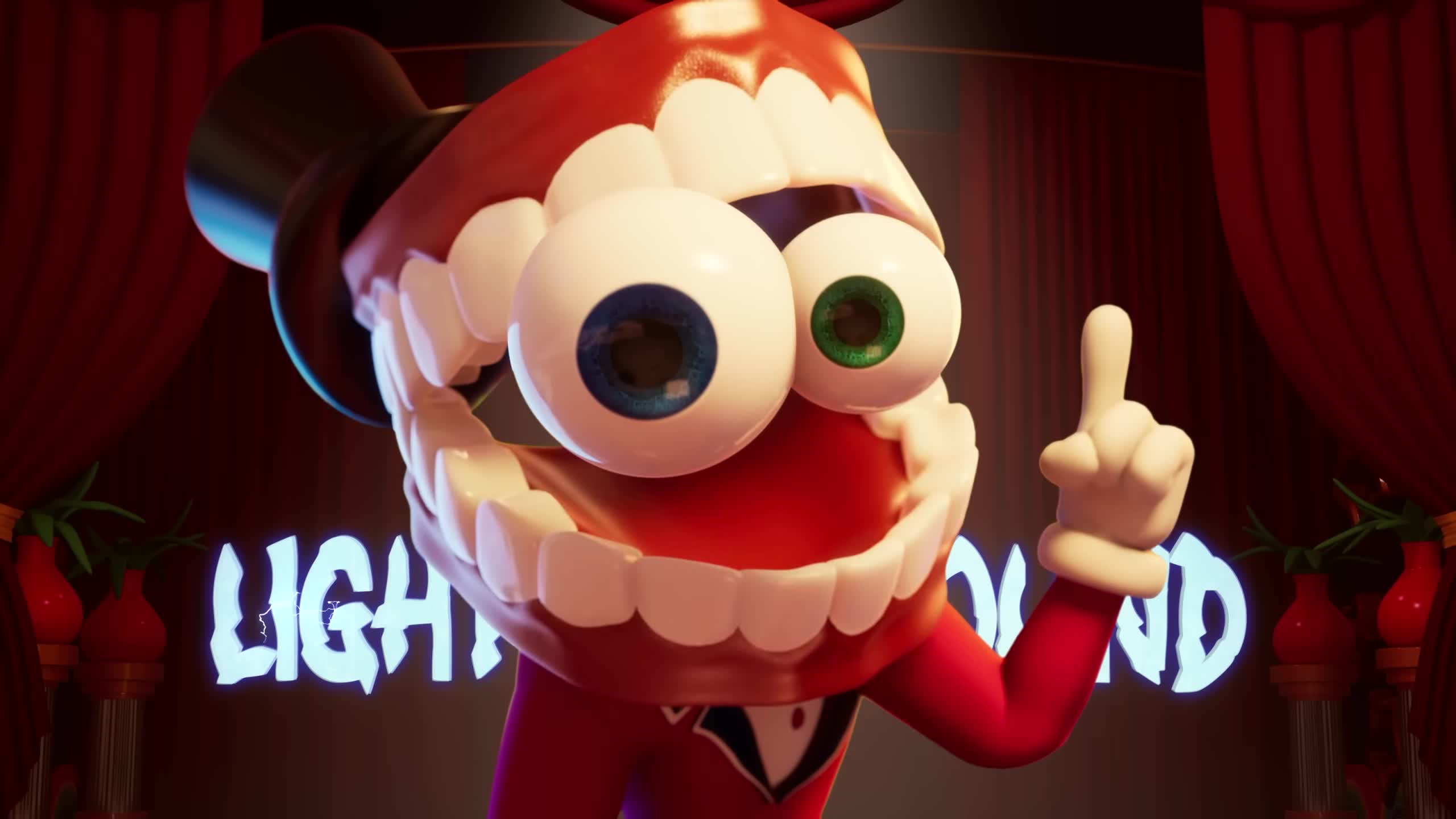
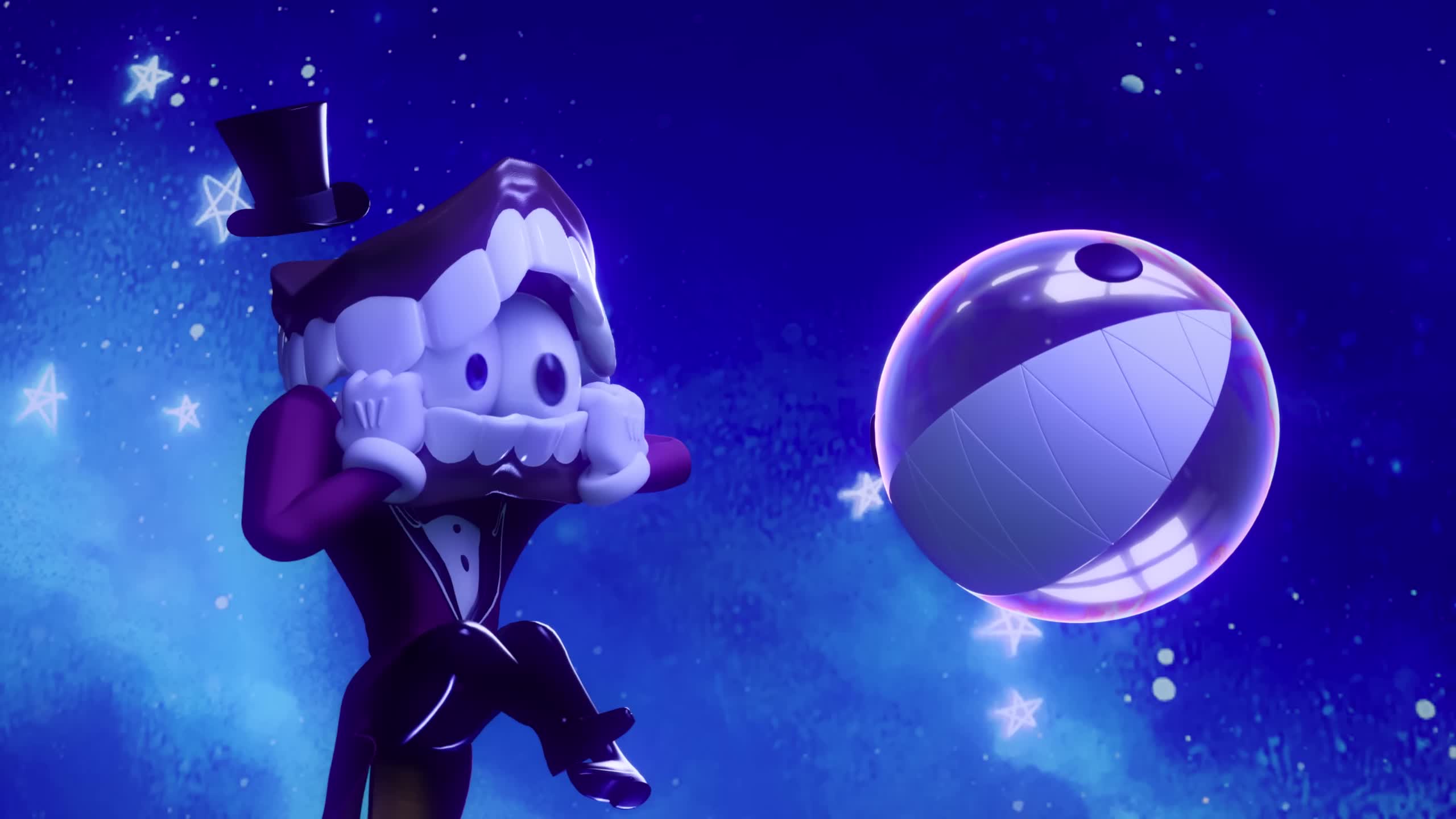
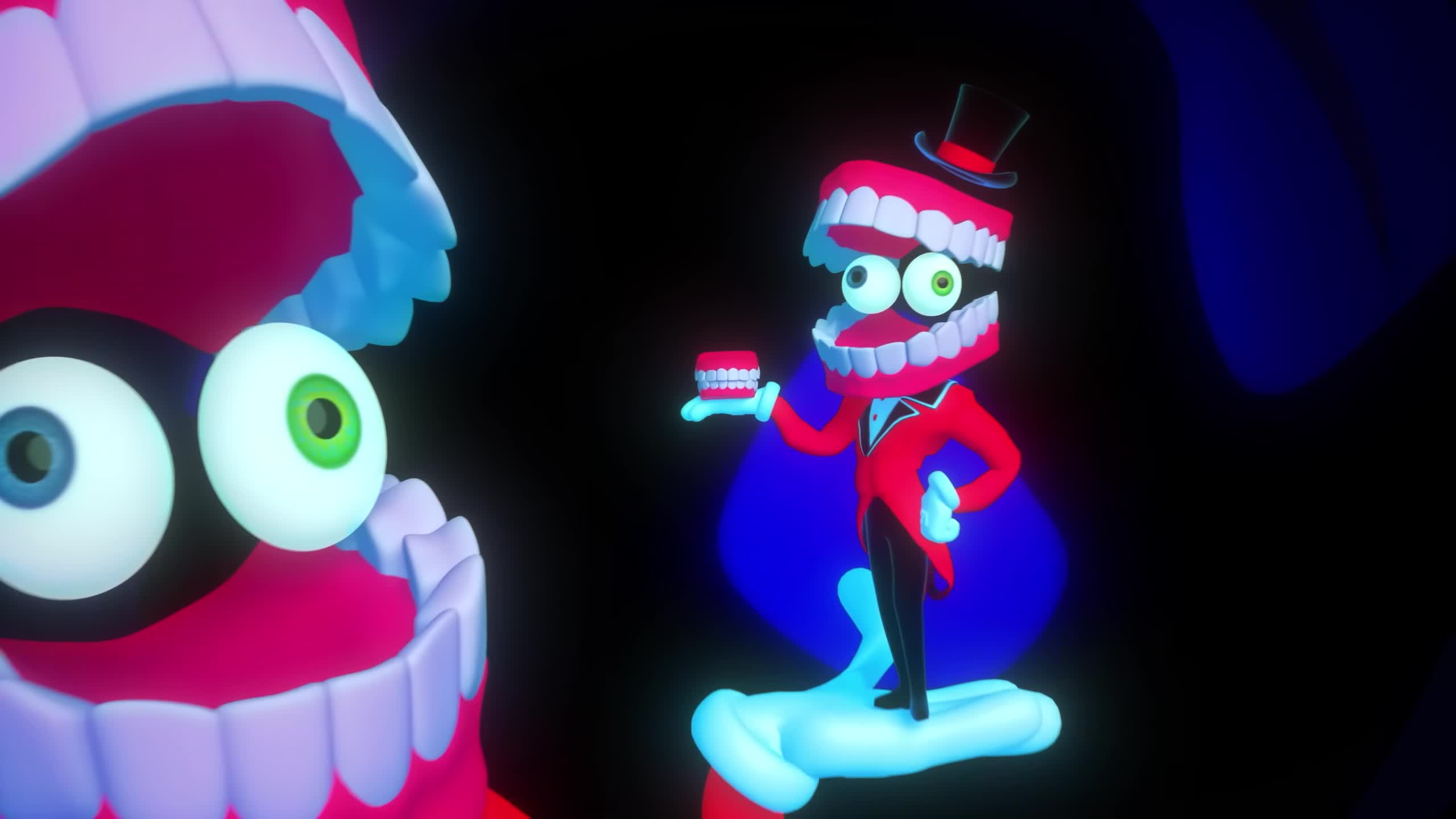
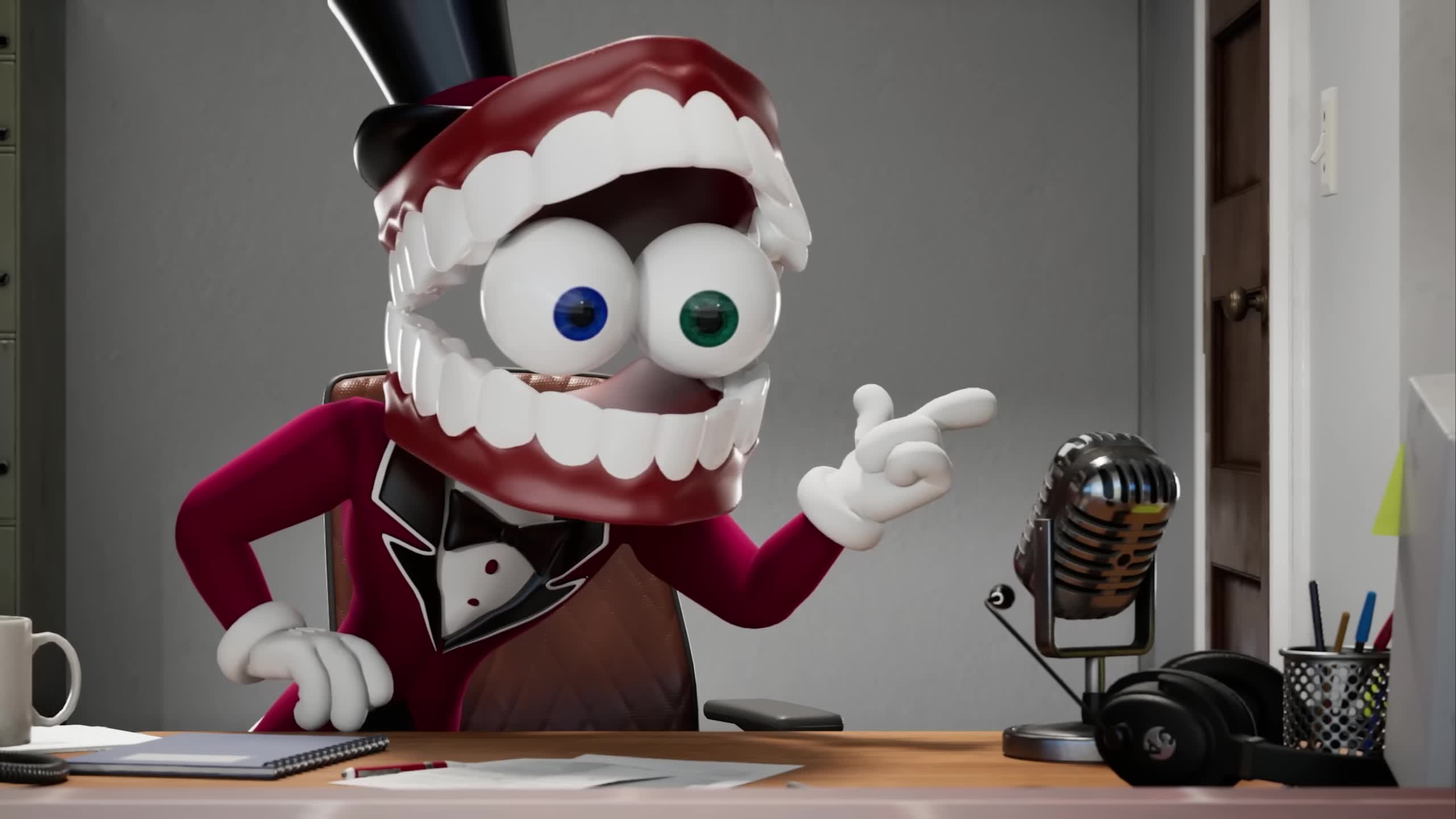
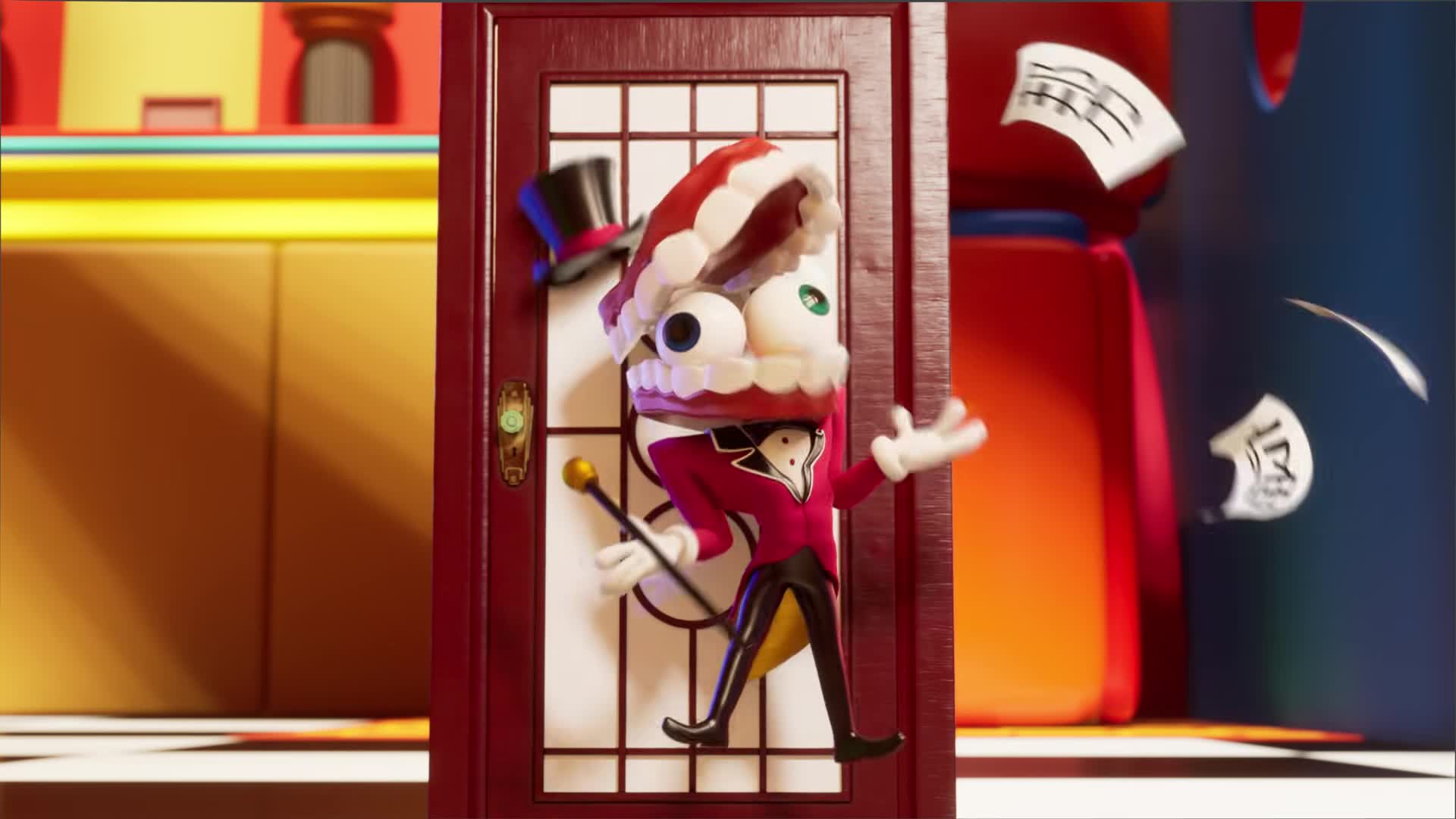
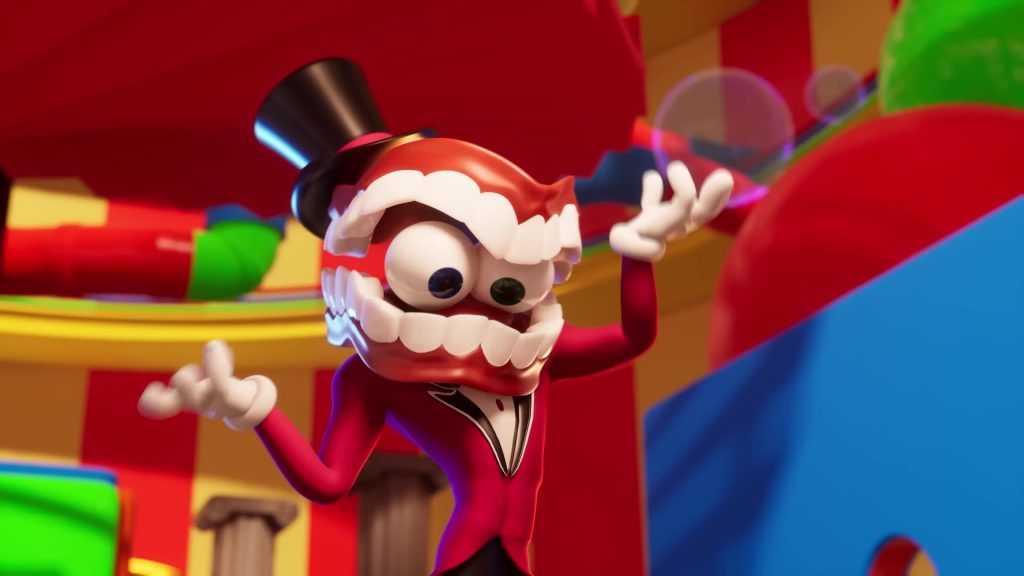
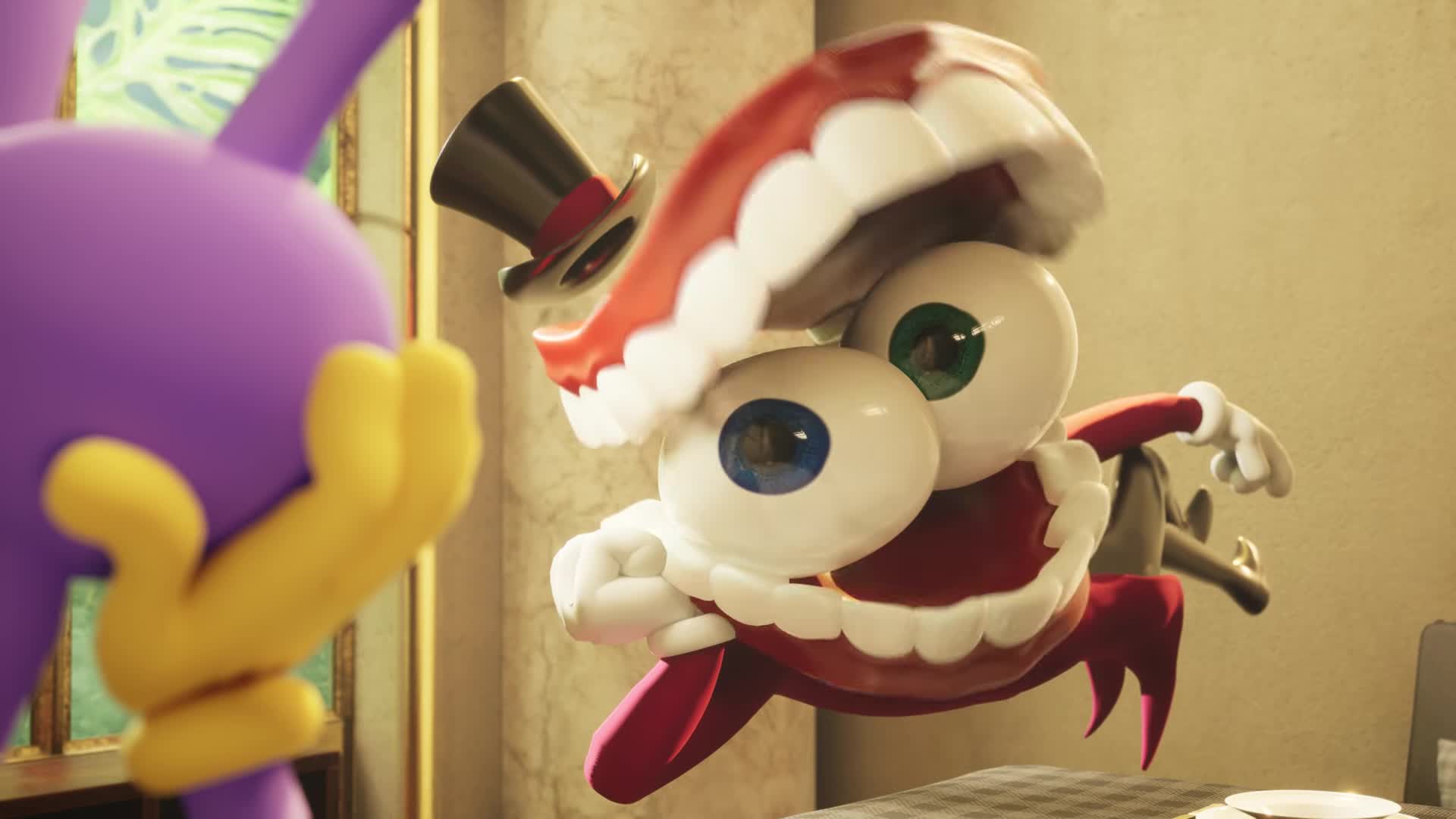
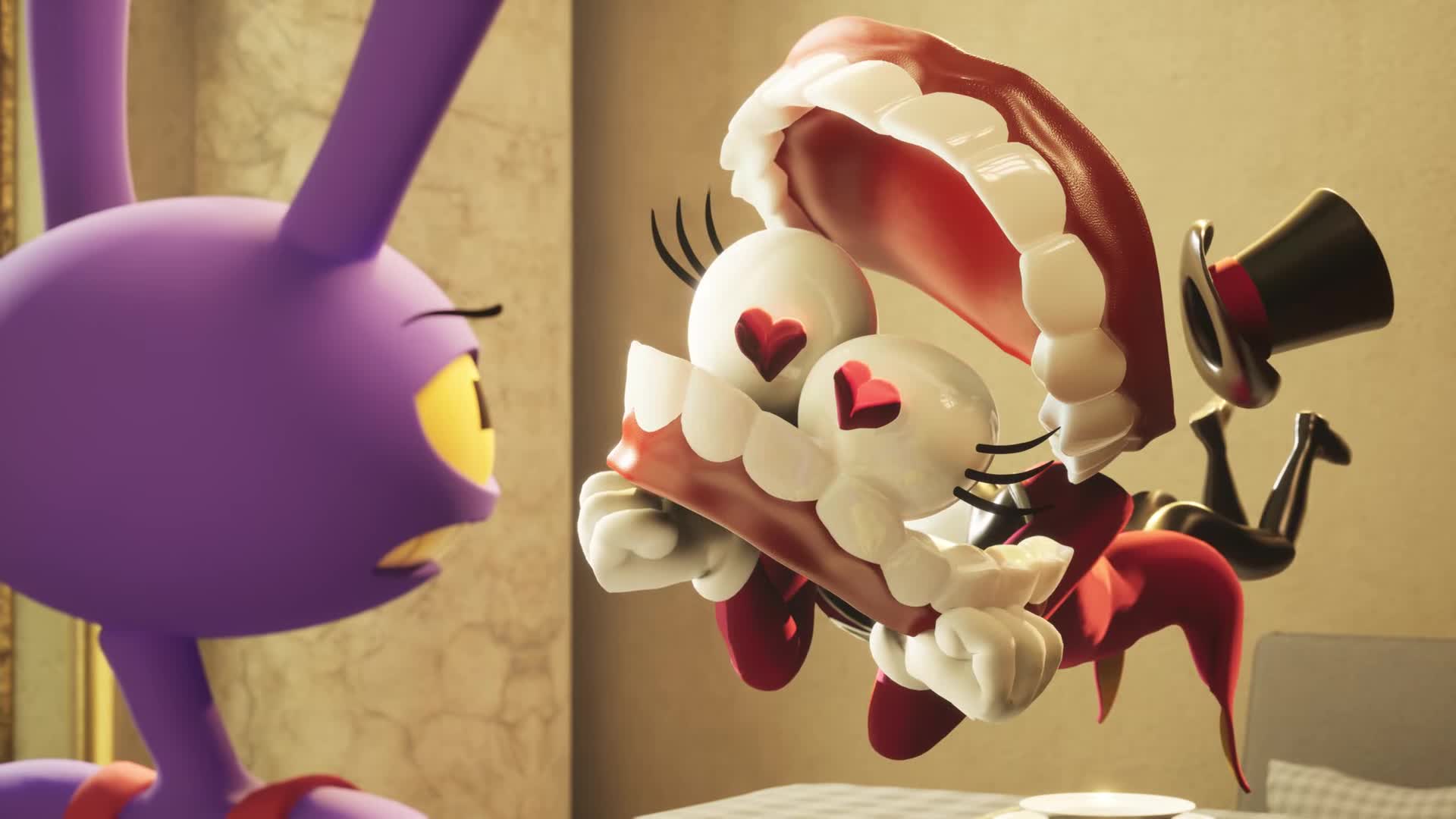
Caine resembles a floating stage magician or ringmaster. He wears a formal showman outfit with gloves, bow tie, top hat, and cane, but his head is the unforgettable part: a giant mouth of teeth with detached cartoon eyes hovering around it.
The design is funny at first glance, then gradually becomes more unnerving. His smile never quite reads as human. The more frantic he becomes, the more that permanent grin feels like part of the horror.
I Have No Mouth, and I Must Scream?
Caine clearly belongs to the tradition of godlike artificial intelligences trapping human minds inside sealed realities. The comparison to AM from I Have No Mouth, and I Must Scream is easy to understand, but Caine’s horror comes from a different emotional direction.
AM is built around hatred. Caine is built around performance, need, and a warped belief that stimulation can replace freedom. He is not terrifying because he only wants suffering; he is terrifying because he can mistake suffering for a successful show.
How Old Is Caine?
Caine does not have a normal human age. As an AI, his “age” is better understood as system history: how long he has existed, how long he has been learning, and how many layers of the Circus were built around or through him.
Episode 8 points toward an older technical history behind Caine and the Circus. Some screen details imply a specific creation date inside the code, but the series treats that less like a birthday and more like a clue about the simulation’s deeper past.
FAQ: Caine, Cane, Kane, or Cain?
What is the correct spelling?
The correct name is Caine. Search phrases such as “the amazing digital circus caine,” “digital circus caine,” “amazing digital circus caine,” “caine amazing digital circus,” “caine the amazing digital circus,” and “caine from the amazing digital circus” all refer to the same character.
What if someone searches for Cane, Kane, or Cain?
Misspellings like “cane digital circus,” “cane amazing digital circus,” “cane from the amazing digital circus,” “kane digital circus,” “kane from the amazing digital circus,” and “cain digital circus” usually mean Caine, the AI ringmaster of The Amazing Digital Circus. The “cane” confusion is understandable because Caine also carries a cane as part of his magician-like design.
Is Caine gone after Episode 8?
Episode 8 presents Caine’s apparent disappearance as a major turning point. The finale setup for The Last Act also frames the story around a darker Circus after Caine is gone, so his fate remains one of the biggest questions heading into the ending.