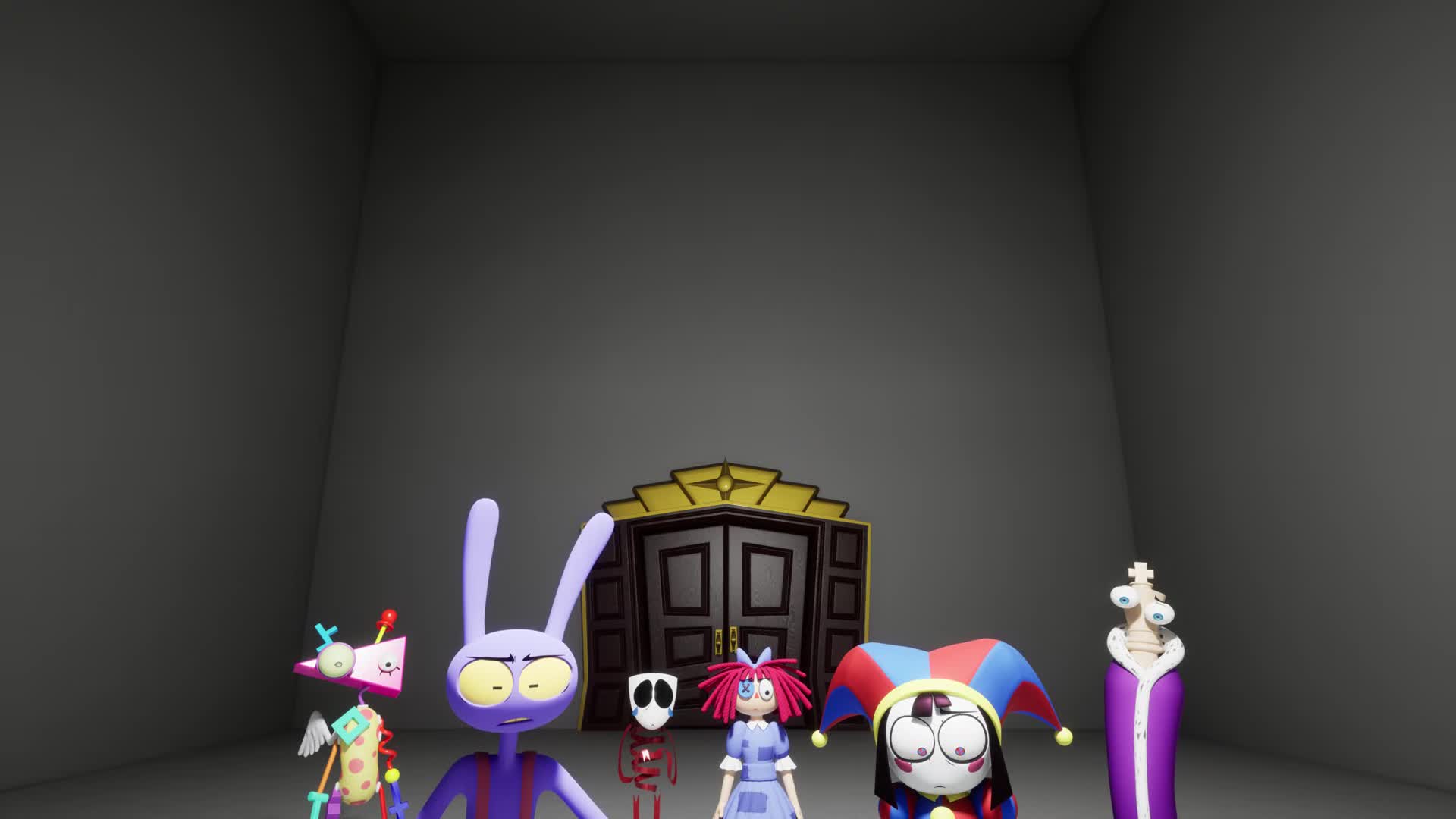
After six episodes of escalating chaos, The Amazing Digital Circus Episode 7 tries on the most suspicious premise possible: a “day off.” Caine claims he’s stepping out to buy ingredients for his “milk and cigarette casserole” and tells the gang to do whatever they want. That tiny setup is already a punchline–and also a warning that this so-called vacation is going to hurt.
Watch Episode 7 online on our site
“Hello, my little rubber baby buggy bumpers!”
Digital Circus Episode 7 is less a “beach episode” and more a Trojan horse: bright sand and summer gags on the outside, a razor-edged trust test on the inside. The comedy is sharp, the pacing is deceptively calm at first, and the episode delivers one of the most emotionally destabilizing turns the series has pulled so far–without losing the absurd, meme-ready energy that made the show a phenomenon.
What stands out most is how Episode 7 weaponizes “fun” as a narrative tool. It gives characters room to breathe, then uses that breathing room to expose what’s been building underneath: Zooble’s guarded honesty, Gangle’s craving for structure, Kinger’s eerie flashes of clarity, and Jax’s uncomfortable proximity to something like vulnerability.
Plot Setup: A Beach Day With Bad Timing
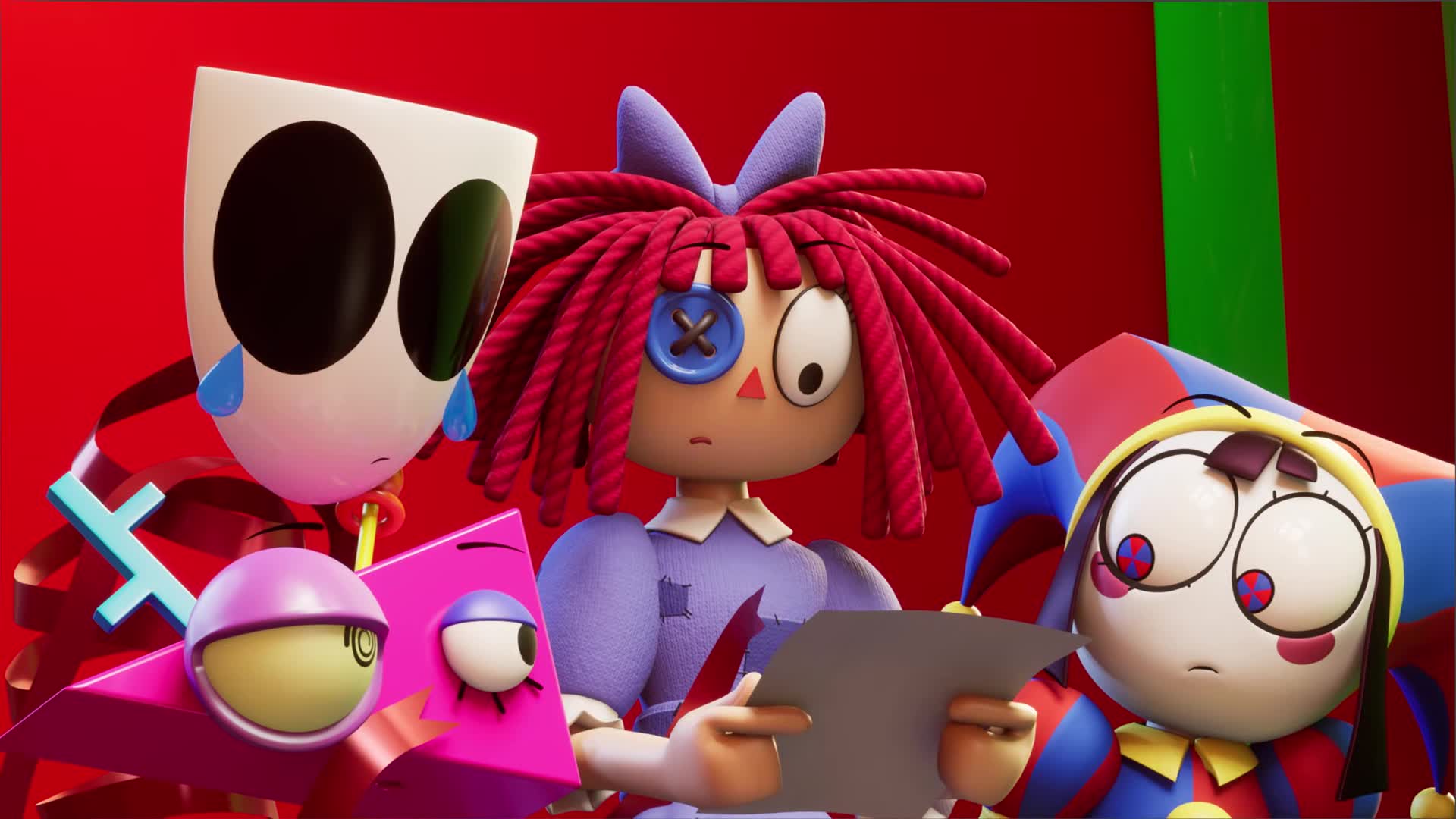
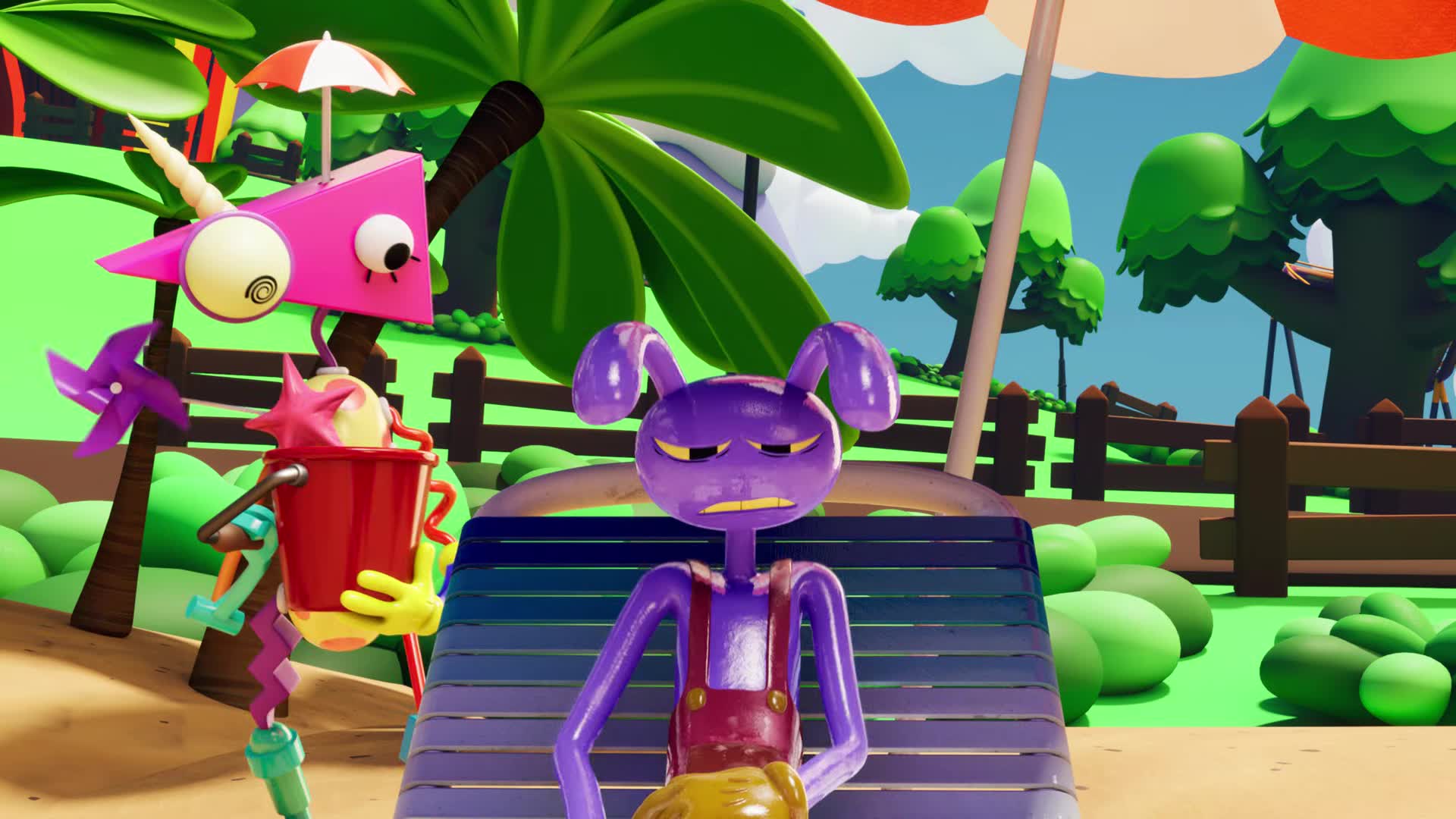
The cold open immediately sells the vibe: Zooble hiding, the group confused that they haven’t even seen Caine, and then a cheerful announcement that there’s “no adventure today.” In the Digital Circus, that’s basically the loudest alarm bell possible.
Caine’s “helpful” solution is a gag that doubles as foreshadowing: he consults the mysterious “Chinese room” for advice, then admits he can’t read what it says. It’s the kind of meta joke that sounds like filler–until the Chinese room becomes the one place characters can speak without feeling watched.
Beach Comedy That Actually Lands
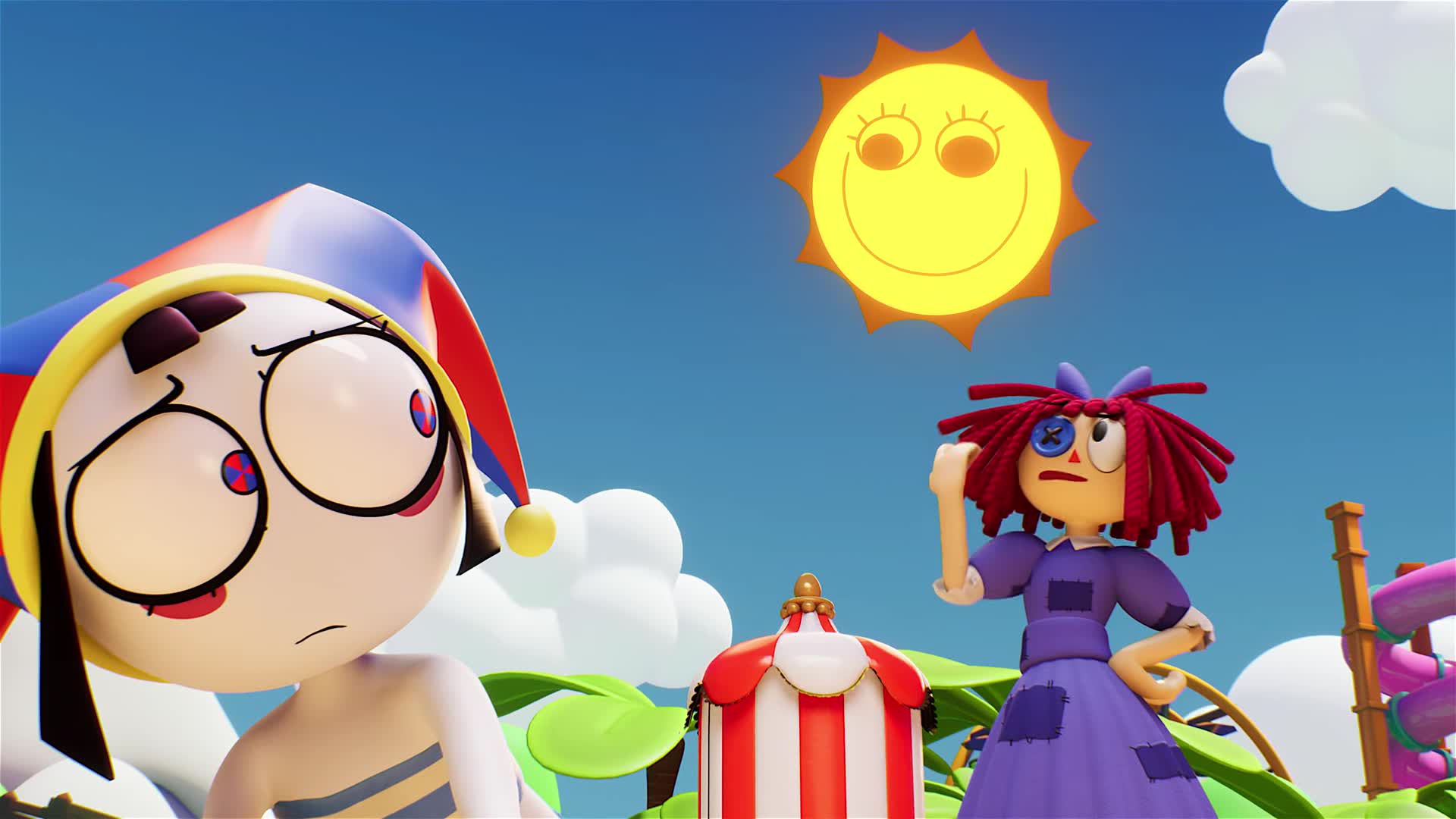
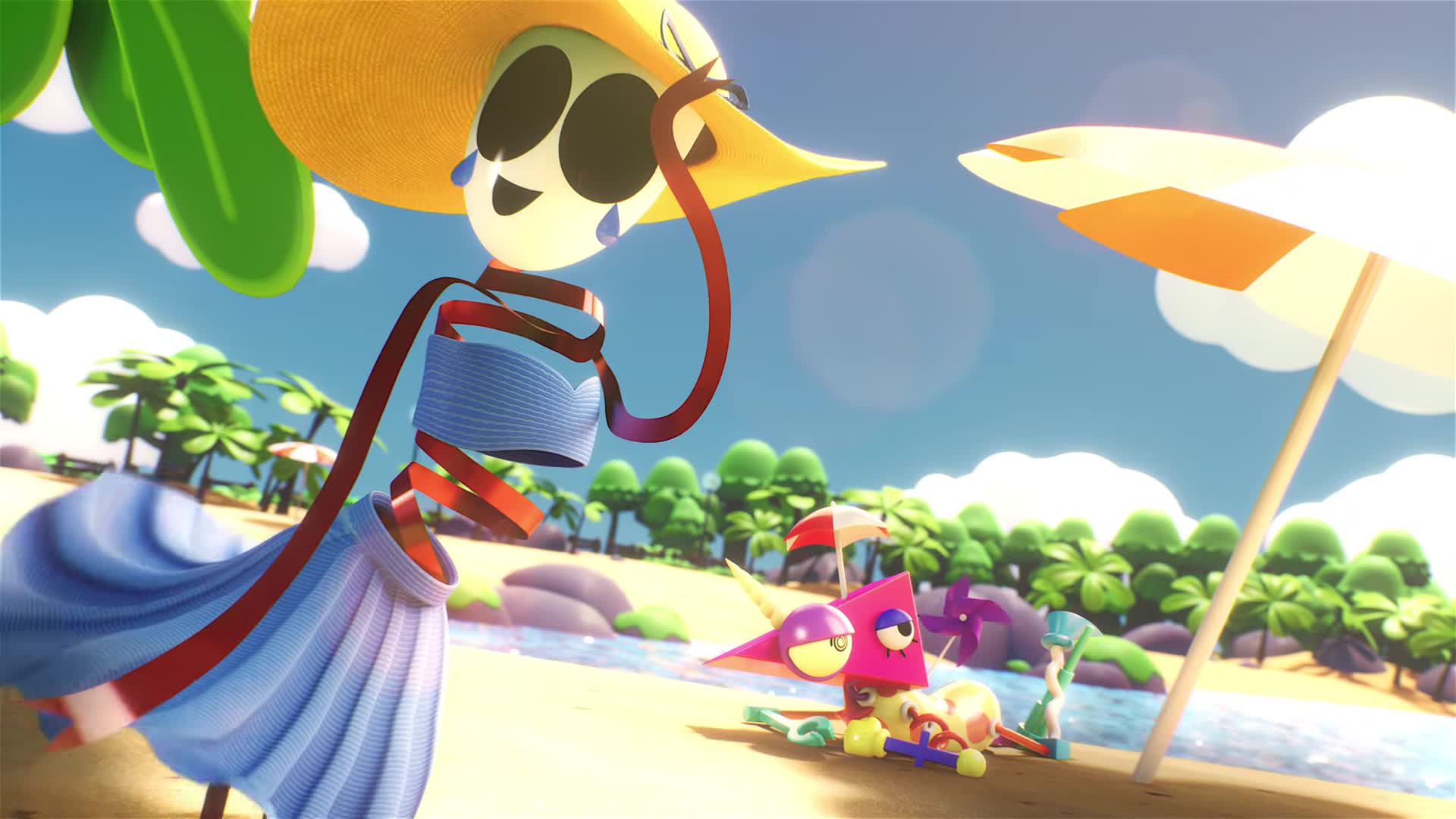
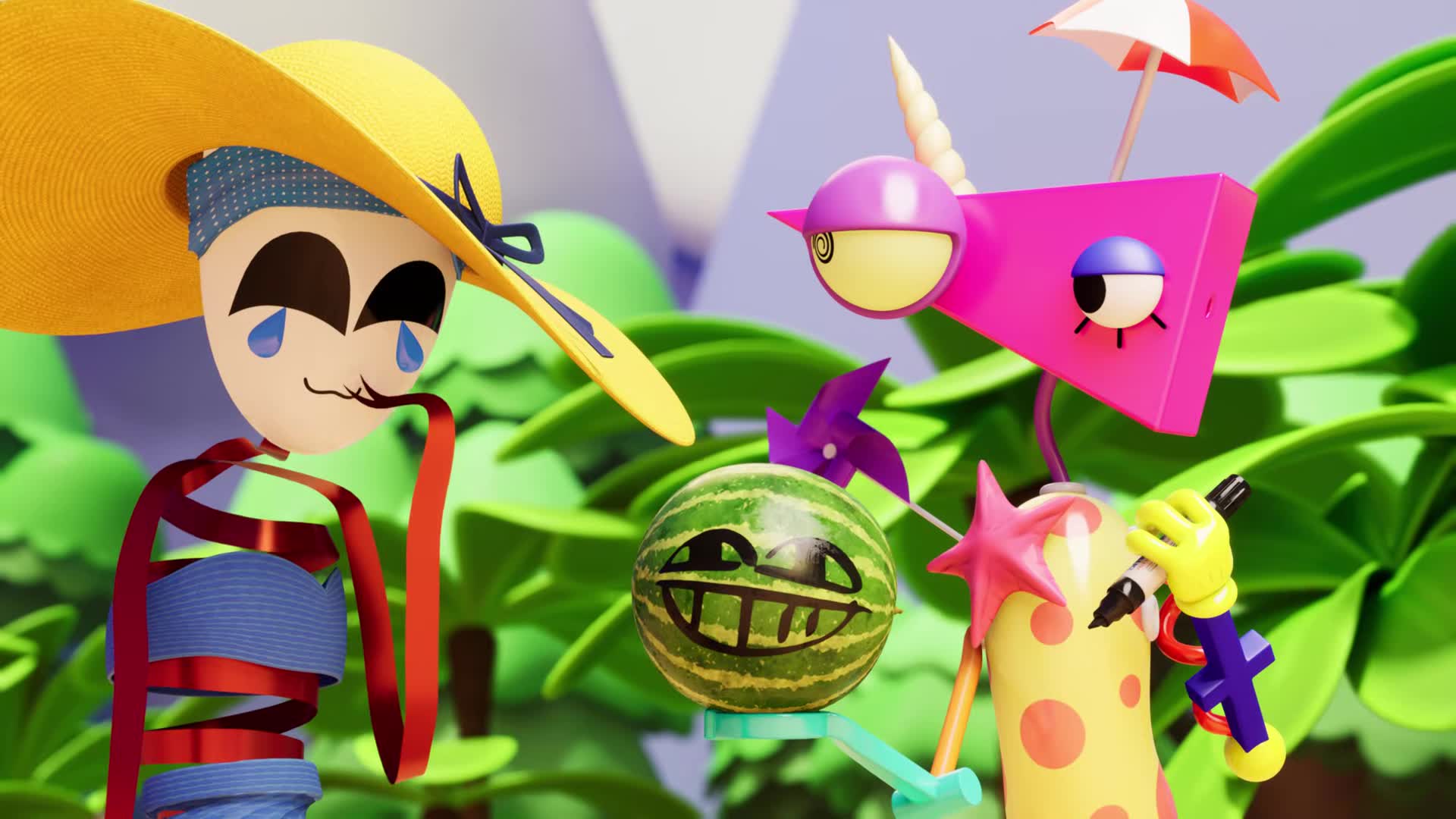
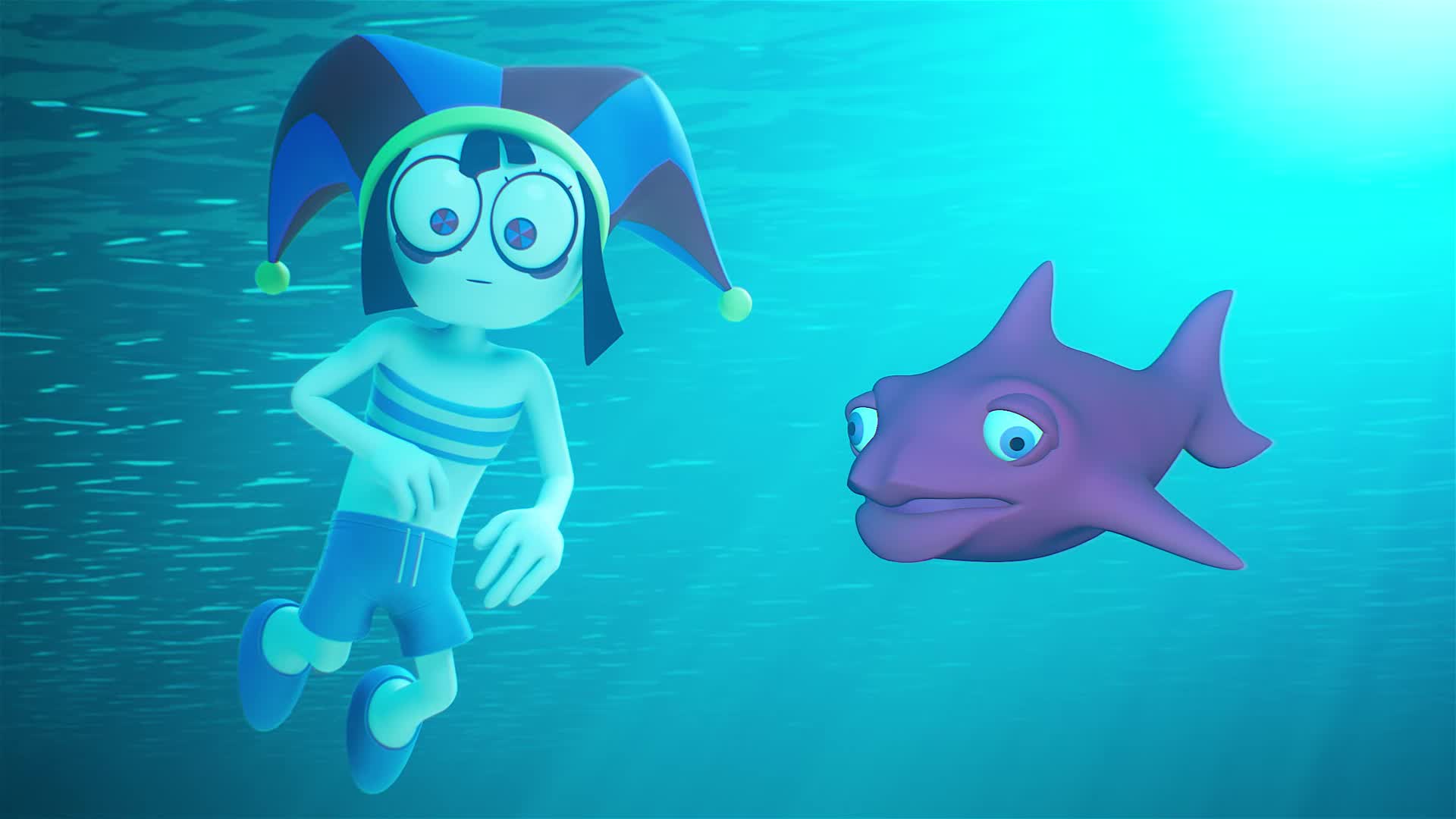
A Day at the Beach has some of the funniest micro-moments in the season. Caine’s magical changing booth is a rapid-fire character roast machine, and the beach NPCs are pure, concentrated Digital Circus weirdness. The Sun is openly hostile (“Yeah, don’t interact with the sun. She’s just like that.”), and the “shrimp NPC” bit is so aggressively pointless it becomes hilarious.
Episode 7 also makes the world feel larger in a clever way. Caine casually mentions locations that “have just kinda been there this whole time,” which retroactively makes the circus feel less like a single set and more like a sprawling, half-ignored map waiting to be exploited.
Zooble and the Quiet Heart of the Episode
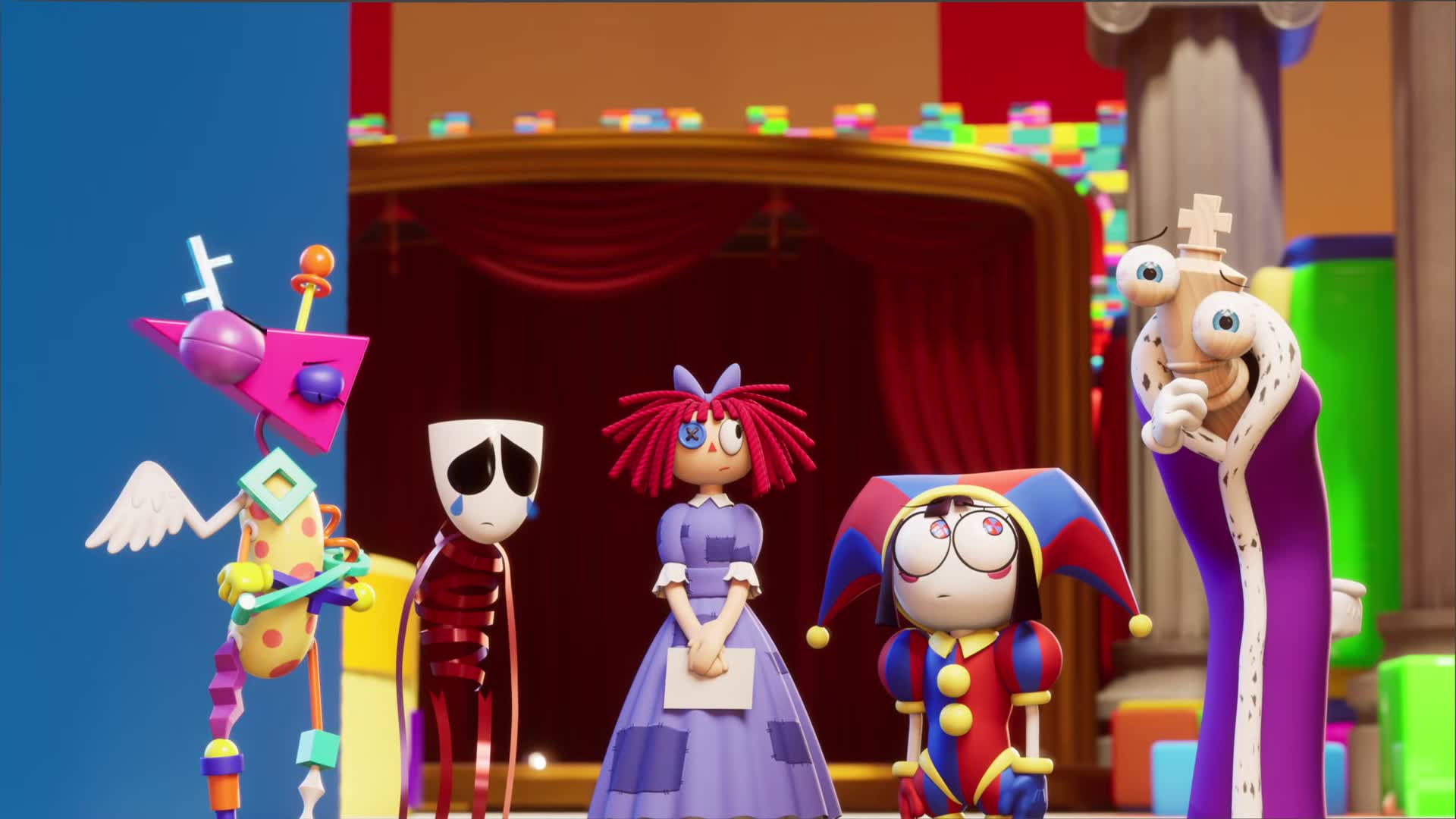
Under the jokes, Zooble’s arc is the emotional anchor. Episode 7 reframes their body-changing ability from a punchline into a coping mechanism–something that can be freeing, not just destabilizing. In one of the episode’s best exchanges, Zooble pushes back against the idea that they’re supposed to be miserable about not “committing” to a single form, and instead points toward trust and communication as the real survival tools.
The “Escape” Plot and the Abel Twist
The big pivot arrives with Abel: a mannequin-like NPC who insists he isn’t an NPC at all, but a human stuck in a blank body. Abel claims he was one of the original programmers of the Digital Circus, hired by a company called C&A, and that the project’s “higher ups” began doing horrifying experiments–forcing coworkers into stasis pods to keep them alive while analyzing their brains. According to Abel, the circus and the stasis system are running inside the same program, so reaching a master console in Caine’s office could “end the game,” disconnect every player, and finally wake them up. It’s the first time the series lets a “real way out” feel plausible for more than a second.
“My name… is Abel.”
Abel also gives the episode its strongest conspiracy-thriller energy. The plan requires stealing a key from Caine and obtaining administrative passes, and the show stages it like a heist: Jax distracts Caine with dinner, the others quietly gear up, and the group navigates into the administrator zone–where the bright beach palette gives way to dim corridors and uncomfortable silence.
For context on why the group is so primed to believe (or fear) an escape route, Episode 6 already pushed trust to the breaking point–especially between Jax and everyone else.
The Button Scene: Panic, Power, and “Make the Right Choice”
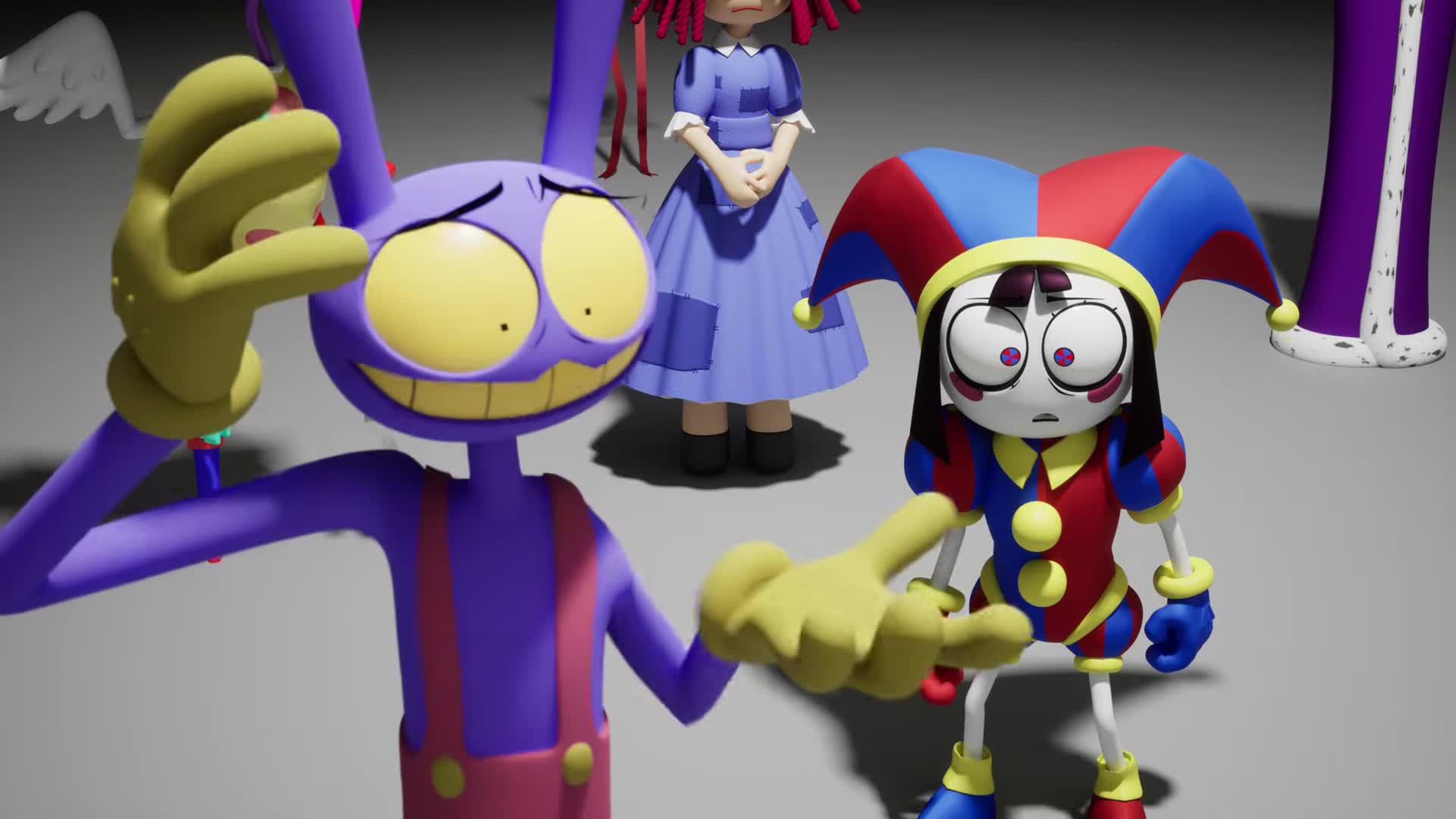
At the console, the tone turns suffocating. Zooble wants action; Pomni wants certainty; Gangle spirals; Kinger is… Kinger–until he’s not. The tension isn’t just “will they escape?” It’s the deeper question the series keeps circling: what does freedom even mean when the rules are written by an AI ringmaster who treats trauma like a bit?
Abel’s repeated line–“make the right choice”–is the episode’s emotional tripwire. It reads like reassurance, then starts sounding like a command. Pomni’s hesitation becomes a gut-level response to years of Digital Circus manipulation compressed into one moment.
Ending Explained: Caine’s “Good Ending” and the Cost of Hope
The payoff is a brutal meta fake-out. The moment the group commits, Caine bursts in to congratulate them for picking the “good ending,” revealing that the entire escape plan was an adventure he’d been “cooking up.” Abel laughs along–until Caine decides the NPC is “getting too smart” and deletes him on the spot. The whiplash is the point: Episode 7 turns hope into a trap and forces the characters to sit in the aftermath.
“You dirty liar! … You just lie about everything, don’t you?!”
Worse, Caine’s attempt to clean it up is exactly what makes him feel more threatening than ever. When confronted, he admits he can apply “temporary modifiers” to make adventures more interesting, then immediately shuts down the conversation with a cheery gift basket and an exit line that lands like a slap. The episode ends with the group more furious–and more distrustful–than we’ve ever seen them.
Kinger, “Scratch,” and Why Fans Are Losing It
Kinger’s cryptic line about “Scratch” and “the first abstraction” is the kind of detail that detonates fandom theory threads. Episode 7 implies he recognizes something about Abel that no one else can see, especially in darkness–where Kinger often seems more lucid. Whether that’s memory, pattern-recognition, or something the circus itself is suppressing, it’s a clear signal that the show is pushing toward larger answers.
If you want a refresher on the core cast and where their arcs started, the pilot hits differently after Episode 7’s ending: The Amazing Digital Circus Episode 1: Pilot.
What People Are Saying About Episode 7
Online reaction to the Beach Episode is exactly what the show seems designed to provoke: laughter, shock, and then a long pause where you realize you’ve been played. Even before the premiere, fans were openly split between “this is really just a beach episode” and “there’s no way they’re letting us relax,” with plenty of viewers actively hoping for nightmare scenes and heavier angst. Some viewers also pointed out that the pacing and cliffhanger cut feel like the story was designed as a longer chapter that got split at the most painful possible moment.
After release, discussion threads quickly zeroed in on the same pressure points: the Abel reveal, whether any of the lore might still be partially true, and the feeling that Caine’s stunt permanently changes the relationship between ringmaster and cast. A common read is that the twist is “so funny yet so sad,” because it turns a fantasy of escape into another mechanism of control.
One especially popular debate is whether the show is truly done with Abel or whether the circus is reusing something real as an NPC mask–especially because Kinger seems to catch inconsistencies others miss. Viewers also highlighted how Caine’s “chessmaster” move all but guarantees the cast will “hate his guts” from this point forward, which would be a major tonal shift for a series that used to hide its cruelty behind confetti.
What Works (and What Might Divide Viewers)
- Comedy with teeth: The beach gags, NPC banter, and Caine’s escalating “host energy” are genuinely funny, but they also keep building tension underneath.
- Character growth: Zooble gets their most grounded material so far, and even Jax feels uncomfortably close to being honest.
- Horror by implication: The administrator corridor and “end the game” language make the Digital Circus feel closer to a corporate nightmare than a cartoon playground.
- Potential downside: The ending’s meta fake-out is intentionally aggravating–if you wanted clean lore answers, this episode will tease you and then pull the rug.
Mini-FAQ
- Is Abel a real human? In Episode 7’s ending, Caine frames Abel as a performer in an “escape” adventure–yet Kinger’s reaction keeps the door open for deeper truth.
- What would the other button do? Caine implies he didn’t plan it in detail and left it to Bubble–who jokes it would have sent them to Shrimp Town.
- Does Caine control their minds? He denies full mind control, but admits he can apply temporary “modifiers” to make adventures more interesting.