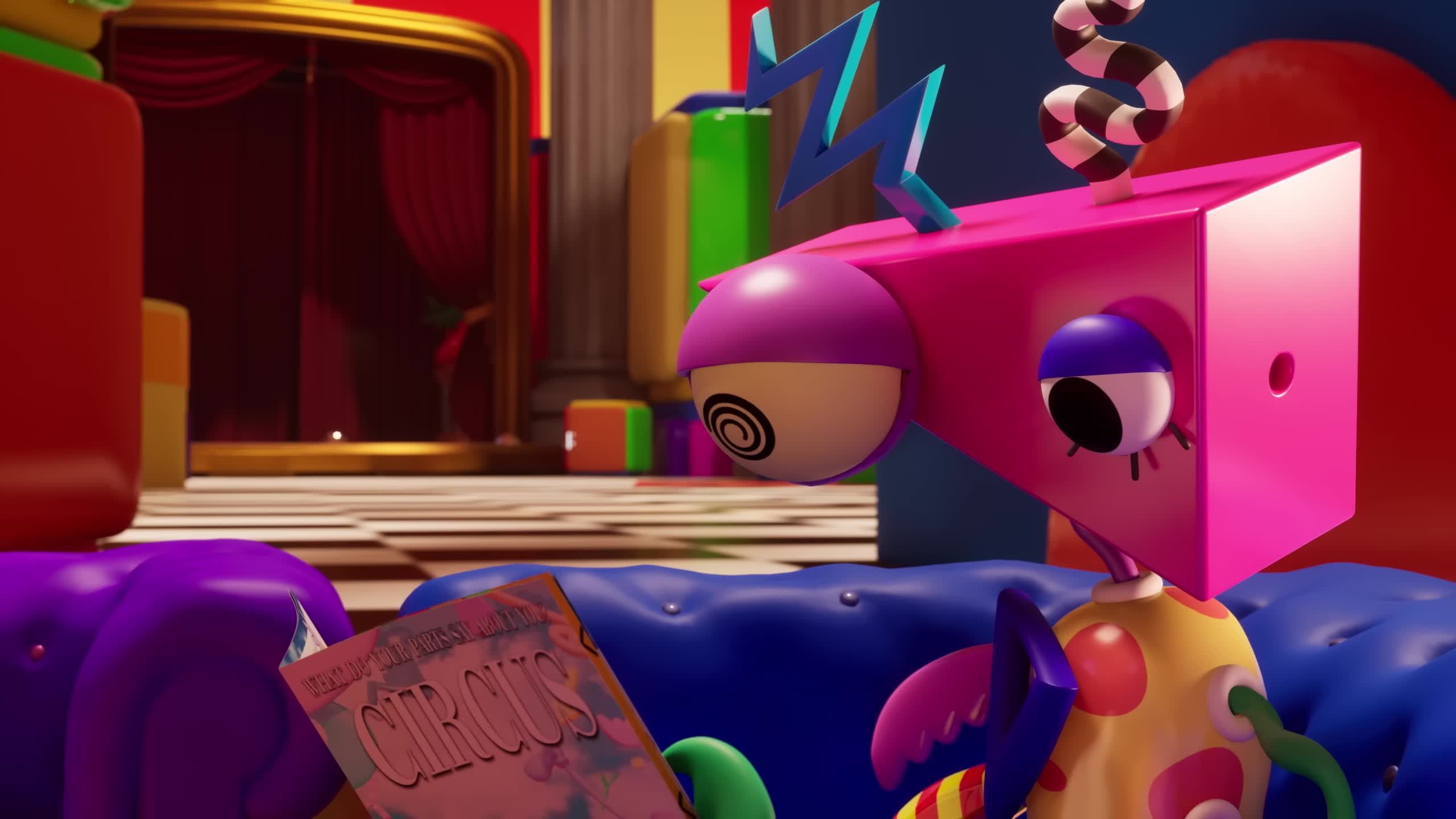
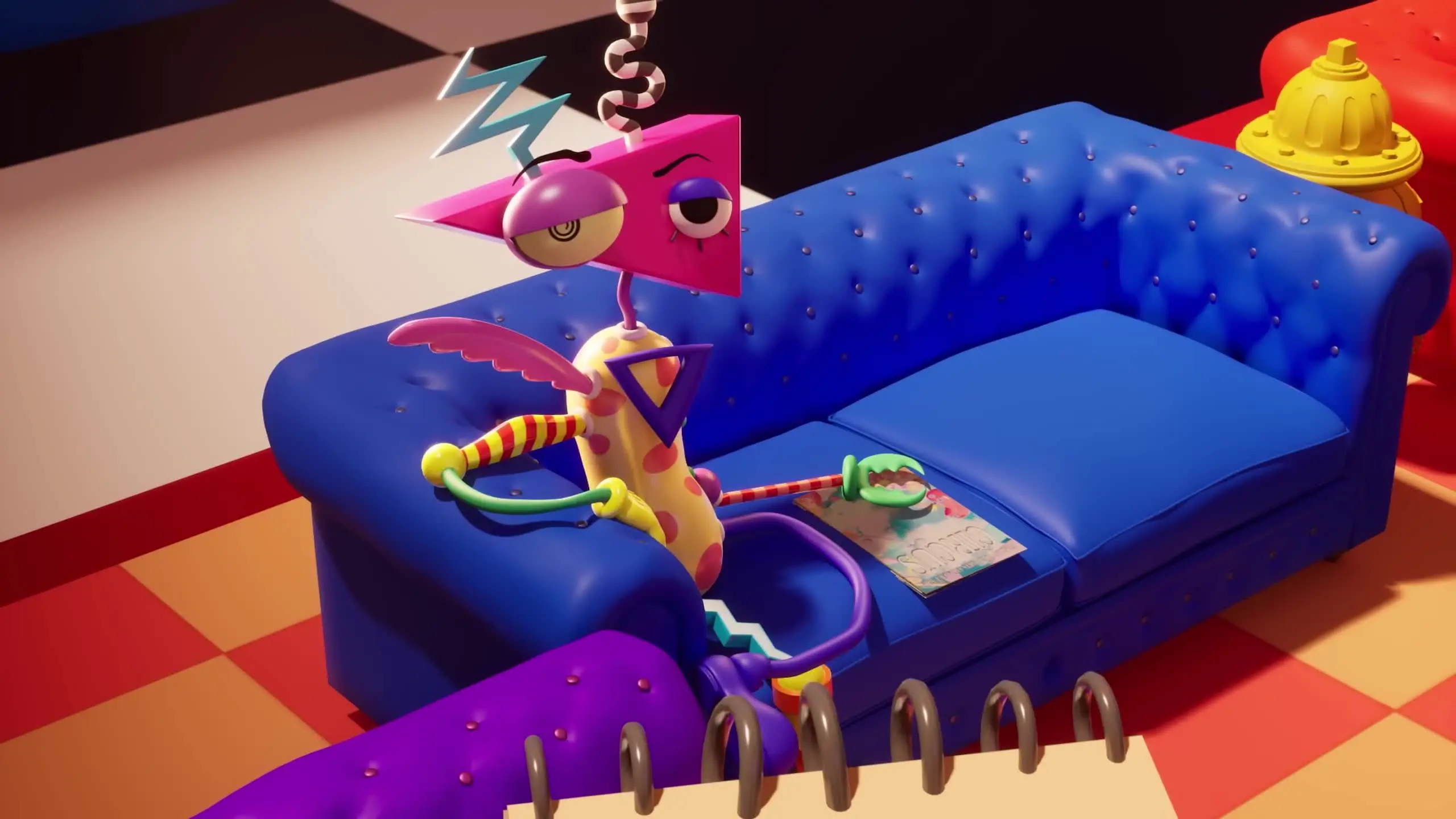
Zooble Digital Circus profile: Zooble from The Amazing Digital Circus is the modular, mix-and-match skeptic of The Amazing Digital Circus, the surreal psychological comedy created by Gooseworx and produced by GLITCH. Voiced in English by Ashley Nichols, Zooble is trapped in the circus as a toy-like avatar made of detachable parts. They rarely buy into Caine’s forced idea of “fun,” but that resistance is exactly what makes them one of the cast’s clearest emotional voices.
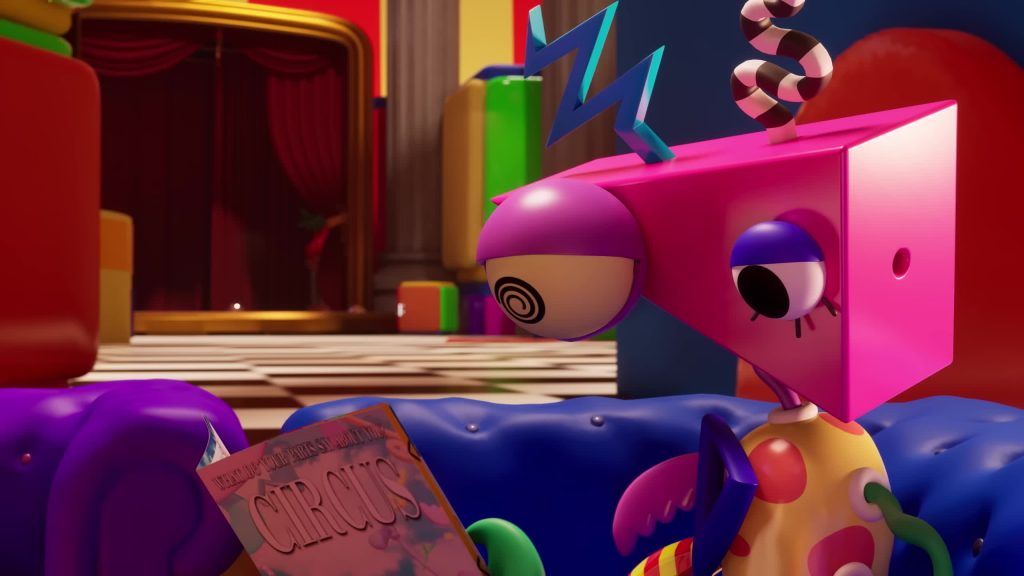
Zooble Digital Circus Profile: Who They Are
In the broader Digital Circus characters lineup, Zooble fills a very specific role: the person who refuses to pretend that the circus is fine just because everyone is being pushed into another colorful adventure. They are sarcastic, guarded, and visibly exhausted, yet their bluntness often protects the group from false comfort.
- Role: main cast member, skeptic, reluctant participant in Caine’s adventures.
- Avatar: a detachable mix-and-match toy body with mismatched shapes and parts.
- Voice: part of the English Digital Circus voice cast.
- Core conflict: the need for control over a body and a system designed by someone else.
Zooble’s Personality Traits
Beneath the sarcasm, Zooble is more caring than they want anyone to notice. That softer side comes through most clearly in their bond with Gangle, where blunt honesty gradually turns into reassurance, protection, and one of the series’ most quietly touching friendships.
With Pomni, Zooble usually acts as the realist rather than the comforter. They are quick to puncture false hope, but that same bluntness helps keep the newcomer grounded whenever the circus becomes emotionally overwhelming.
Zooble is sarcastic, perfectionist, impatient with nonsense, and often irritated by Caine’s idea of mandatory fun. At the same time, their strongest scenes reveal someone who pays close attention to other people’s pain, even when they pretend not to care.
Character Design and Visual Style
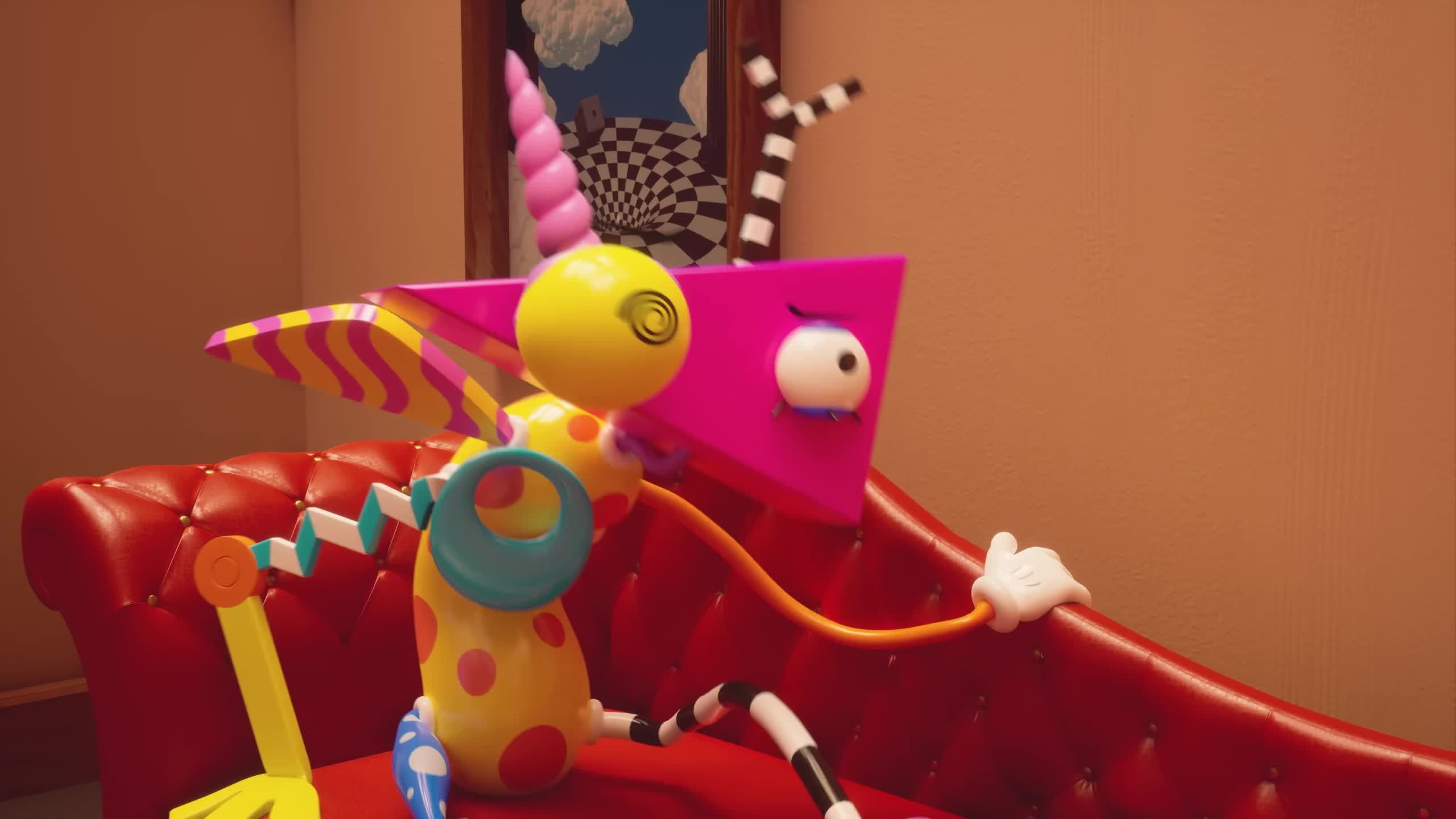
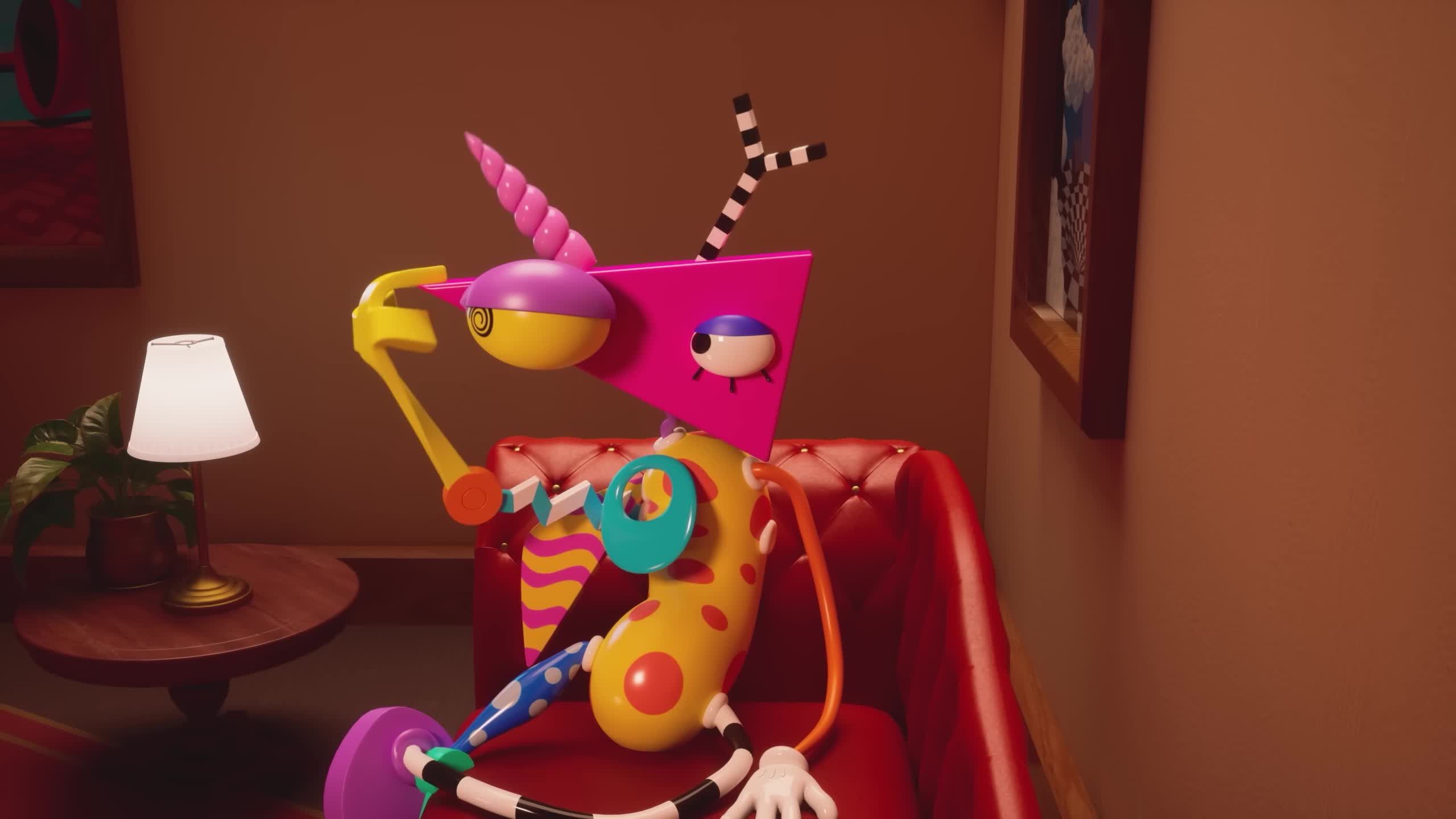
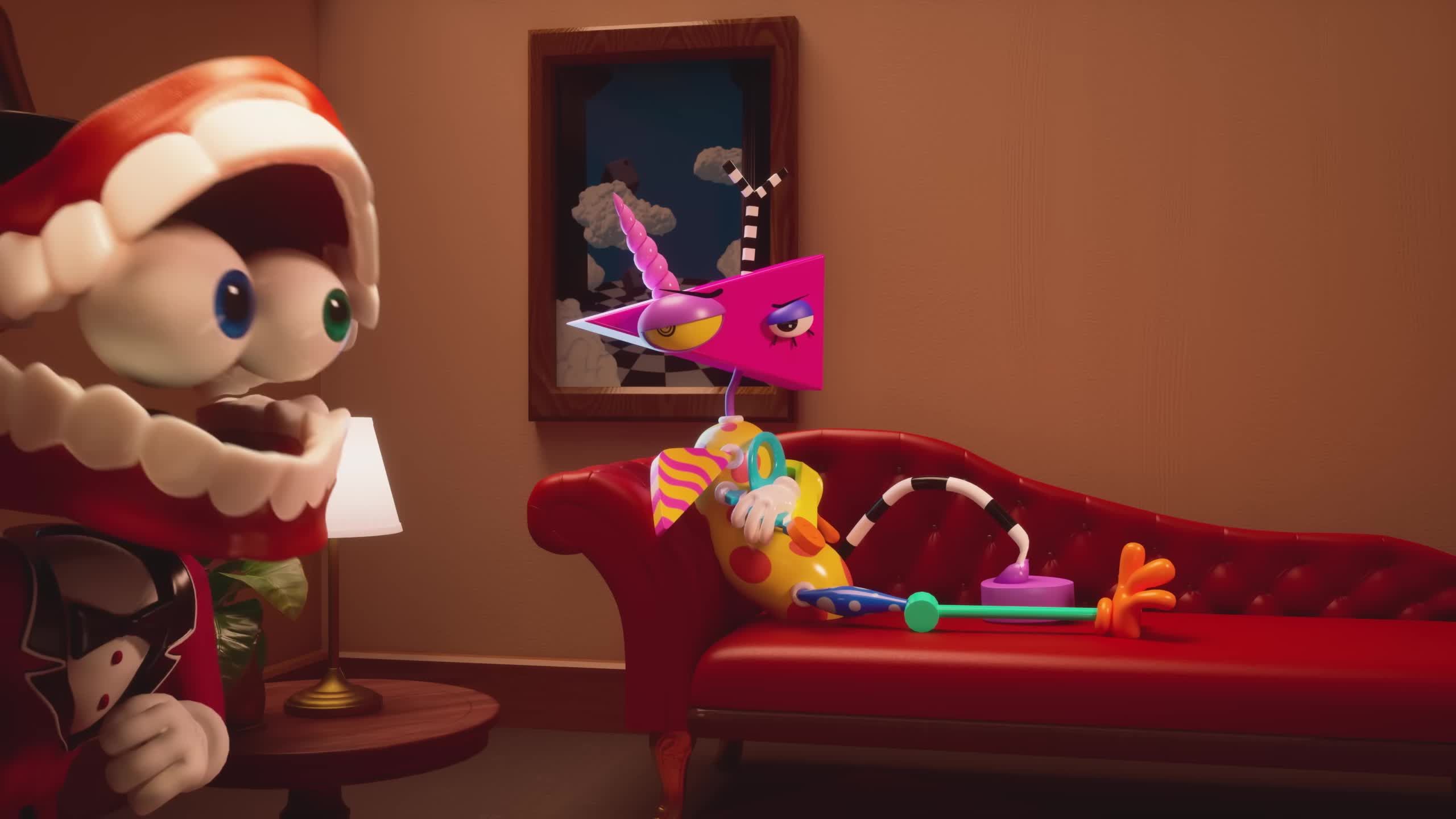
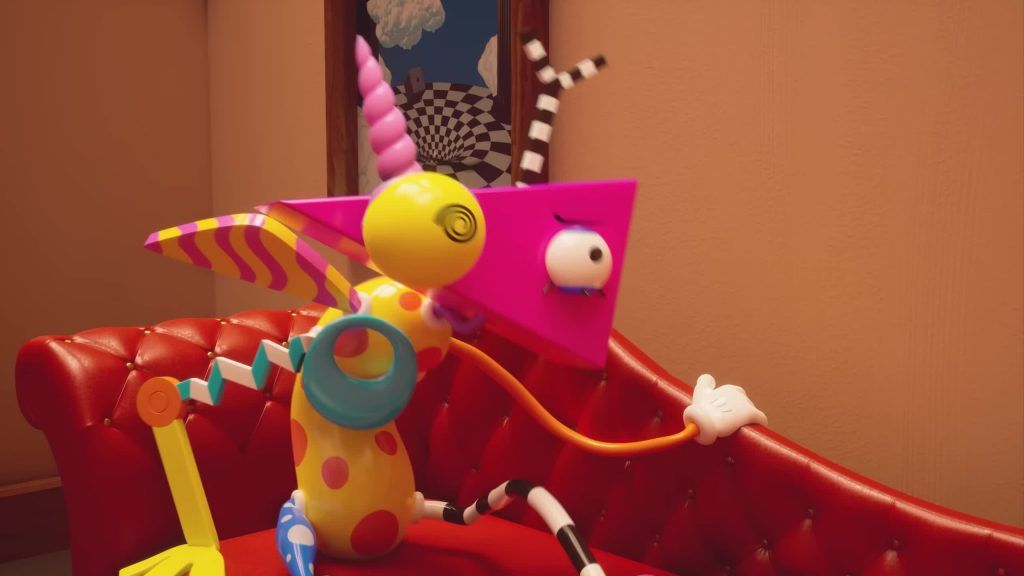
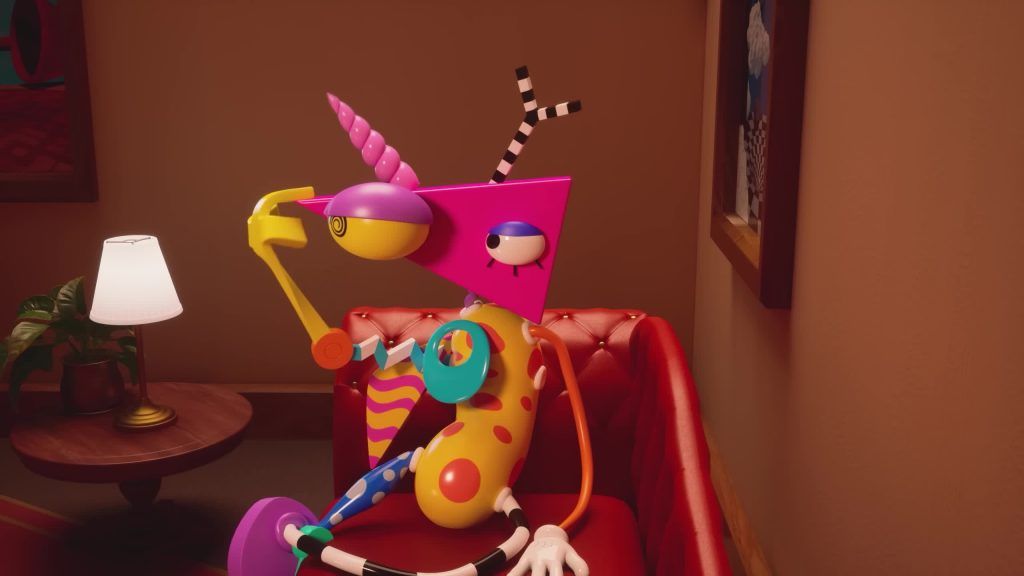
Zooble’s design is chaotic in a deliberate way: a pink triangular head, turquoise zigzag horns, mismatched detachable limbs, and eyes that never feel fully symmetrical. The patchwork toy body makes them instantly recognizable and turns their appearance into a visual shorthand for instability, reinvention, and discomfort.
That symbolism runs deeper than surface aesthetics. Zooble’s body often reads as a metaphor for body alienation, fractured self-image, dysphoria, or the exhausting work of trying to feel at home inside a form that never feels fully right. The show does not reduce that discomfort to a single explanation, which is why the character remains open to more than one thoughtful interpretation.
Later material also hints at more of the person behind the avatar. Zooble’s life before the circus is connected with bartender work and tattoo artistry, details that fit their dry competence, creative eye, and habit of acting like they have already lost patience with everyone in the room.
Key Moments and Character Arc
In Episode 1, Zooble is introduced as the cast member least interested in playing along with the circus routine. Their refusal to perform enthusiasm stands out even more after Kaufmo abstracts and the group is forced to keep moving as if panic can be managed by another game.
In Episode 2, Zooble’s choice to avoid Caine’s new “AI experiment” becomes more than a running joke. It shows that their withdrawal is a survival strategy: when the circus turns trauma into quests, opting out can be the only boundary left.
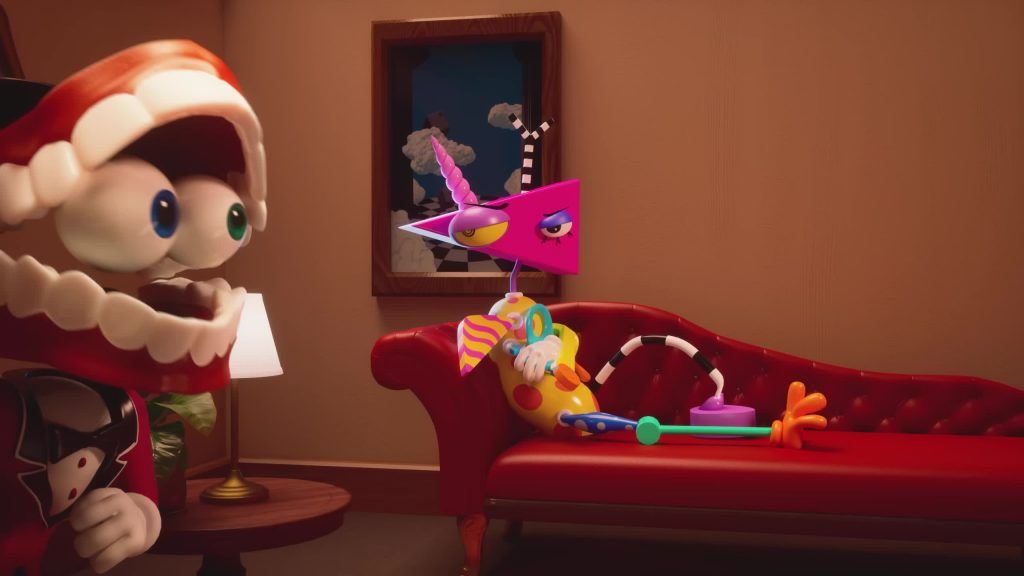
In Episode 3, Zooble’s therapy-room scenes with Caine make their body discomfort more explicit. The comedy still lands, but it is built around a serious point: Caine keeps trying to “fix” the problem without truly understanding what Zooble is telling him.
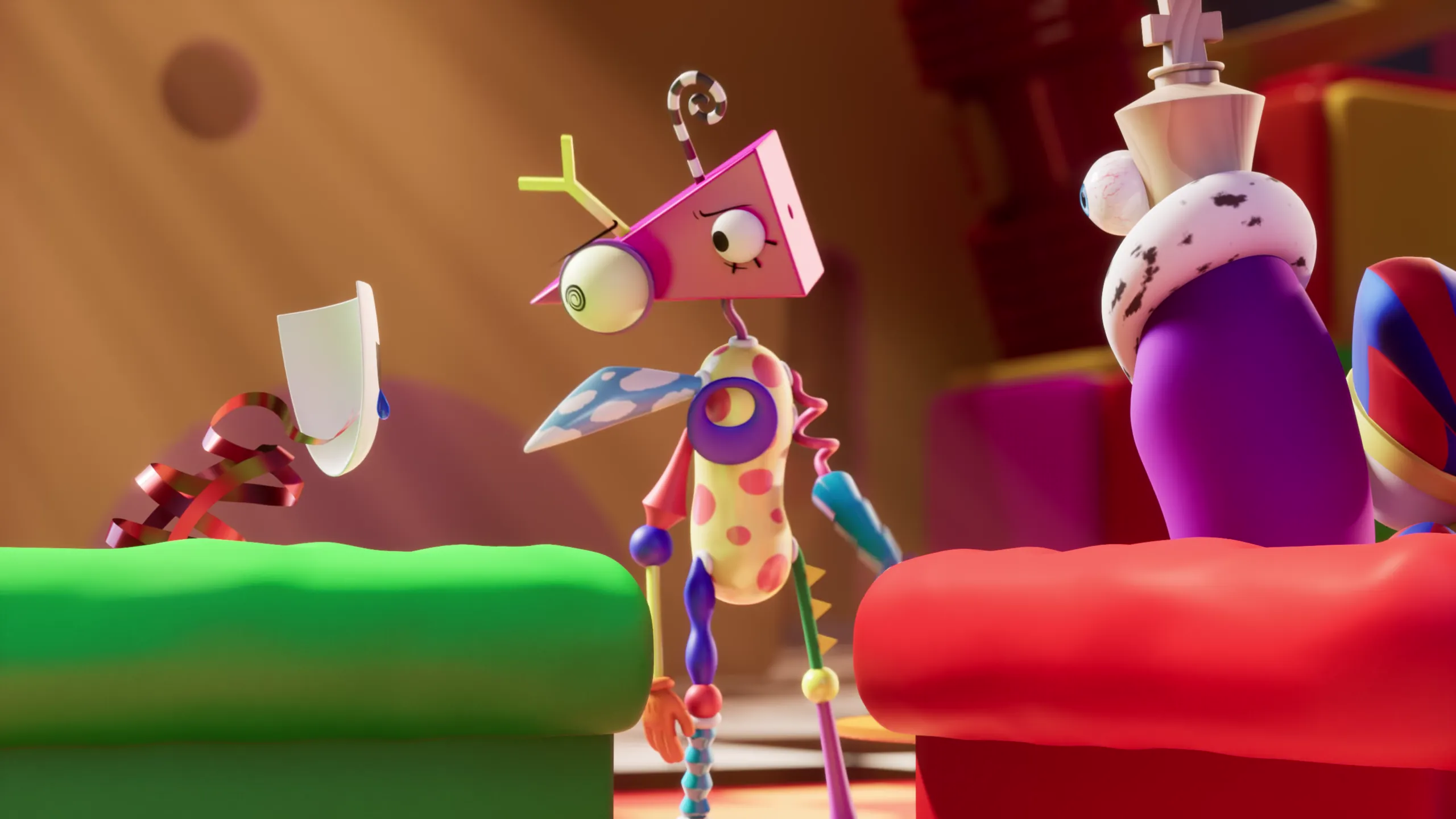
In Episode 4, they give Gangle a sturdier plastic comedy mask, turning a small practical gesture into one of the clearest early signs that Zooble’s sarcasm hides real tenderness. It is a moment where care becomes action.
Episode 5 brings out Zooble’s dry practicality in a more social setting. Instead of becoming softer in a simple way, they become useful because they are honest, observant, and unwilling to let the group’s worst habits go unchallenged.
During Episode 6, Zooble becomes one of the group’s steadiest presences under pressure. Teaming up with Gangle in the middle of battle-royale chaos, they come across as practical, protective, and unexpectedly good at helping someone more openly fragile than themselves.
By Episode 7, Zooble’s arc gains some of its richest material. They speak with more peace about the ability to change, rely on trusted friends for support, and reassure Gangle that everything she has felt and become inside the circus is still real.
In Episode 8, Zooble becomes one of the emotional centers of the story. After the collapse of the group’s hope for escape, they admit that they had dreams, goals, and a desire to leave a mark on the real world. Their breakdown, embrace with Gangle, and refusal to let Jax drift away all show how far they have moved beyond detached cynicism.
Relationship with Other Characters
Zooble’s relationship with Caine is built on resistance. More than most of the cast, they understand that his adventures are not harmless games but a performance of care that keeps everyone busy, distracted, and manageable. Even beside Bubble and Caine’s cartoonish showmanship, Zooble reads as the character least willing to accept the circus on its own terms.
The friction with Jax is sharper and more complicated. Zooble calls out his cruelty, distrusts his reflexive detachment, and refuses to excuse the damage he causes. Even so, when the group is most broken, Zooble is one of the first to remind him that he still belongs with them.
With Ragatha and Kinger, Zooble is less openly affectionate but still crucial to the group’s balance. Their presence works especially well in ensemble scenes, where optimism, panic, denial, and hard-earned clarity are all forced to share the same space.
Fan Interpretations and Reception
Many viewers respond to Zooble because the character invites more than one reading at once. Their detachable body can be read through body dysmorphia, dysphoria, fragmented identity, or the broader feeling of having to rebuild yourself from incompatible parts. The series never narrows them to a single explanation, which is part of why they feel so personal to so many people.
What makes Zooble stand out in the fandom is the balance between bitterness and vulnerability. They are funny without being lightweight, harsh without being hollow, and emotionally guarded without feeling distant. As the story moves deeper into memory, control, and survival, Zooble increasingly feels like one of the characters who makes the Digital Circus seem most human.
FAQ About Zooble from The Amazing Digital Circus
Who voices The Amazing Digital Circus Zooble?
Zooble is voiced in English by Ashley Nichols. The performance works because it keeps Zooble dry, irritated, and funny without flattening them into a simple “grumpy” character.
Why do fans search for “Zooble The Amazing Digital Circus”?
Fans usually search that phrase when they want Zooble’s character profile, episode role, design meaning, pronouns, or relationship with Gangle. The shorthand “Zooble Amazing Digital Circus” points to the same main character: the modular skeptic trapped in Caine’s virtual circus.
What makes Amazing Digital Circus Zooble different from the rest of the cast?
Zooble’s body can change more visibly than almost anyone else’s, and the show turns that visual idea into character drama. Their detachable parts are not just a gimmick; they reflect discomfort, control, and the possibility of choosing a form that finally feels less wrong.
Is Digital Circus Zooble only comic relief?
No. Zooble has some of the sharpest jokes in the series, but their arc is emotional rather than purely comic. Their sarcasm protects them, yet the later episodes reveal someone who cares deeply once the performance of not caring finally cracks.