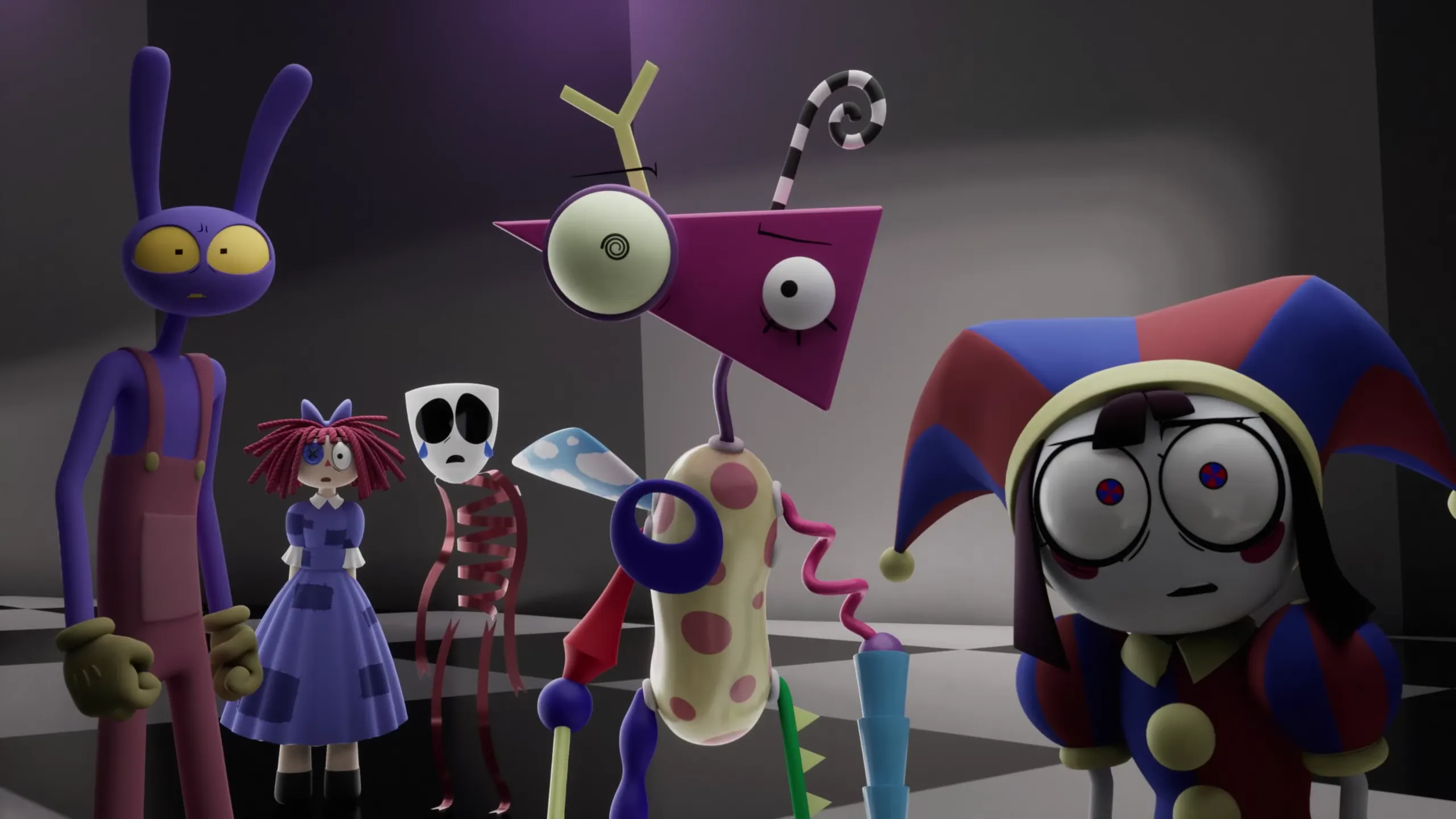
The Amazing Digital Circus has always been good at turning bright, noisy absurdity into something unexpectedly human, but Episode 8 pushes that balance further than any previous chapter. This is the point where the series stops feeling like a string of dangerous adventures and starts feeling like a story that has finally committed to its endgame.
That is why the amazing digital circus episode 8 works so well. It is not just a lore-heavy installment, and it is not memorable only because it gets more severe. It lands because it reframes the series through the emotional pressure surrounding Caine, the growing importance of Kinger, and the way characters like Pomni are forced to confront what this world really is.
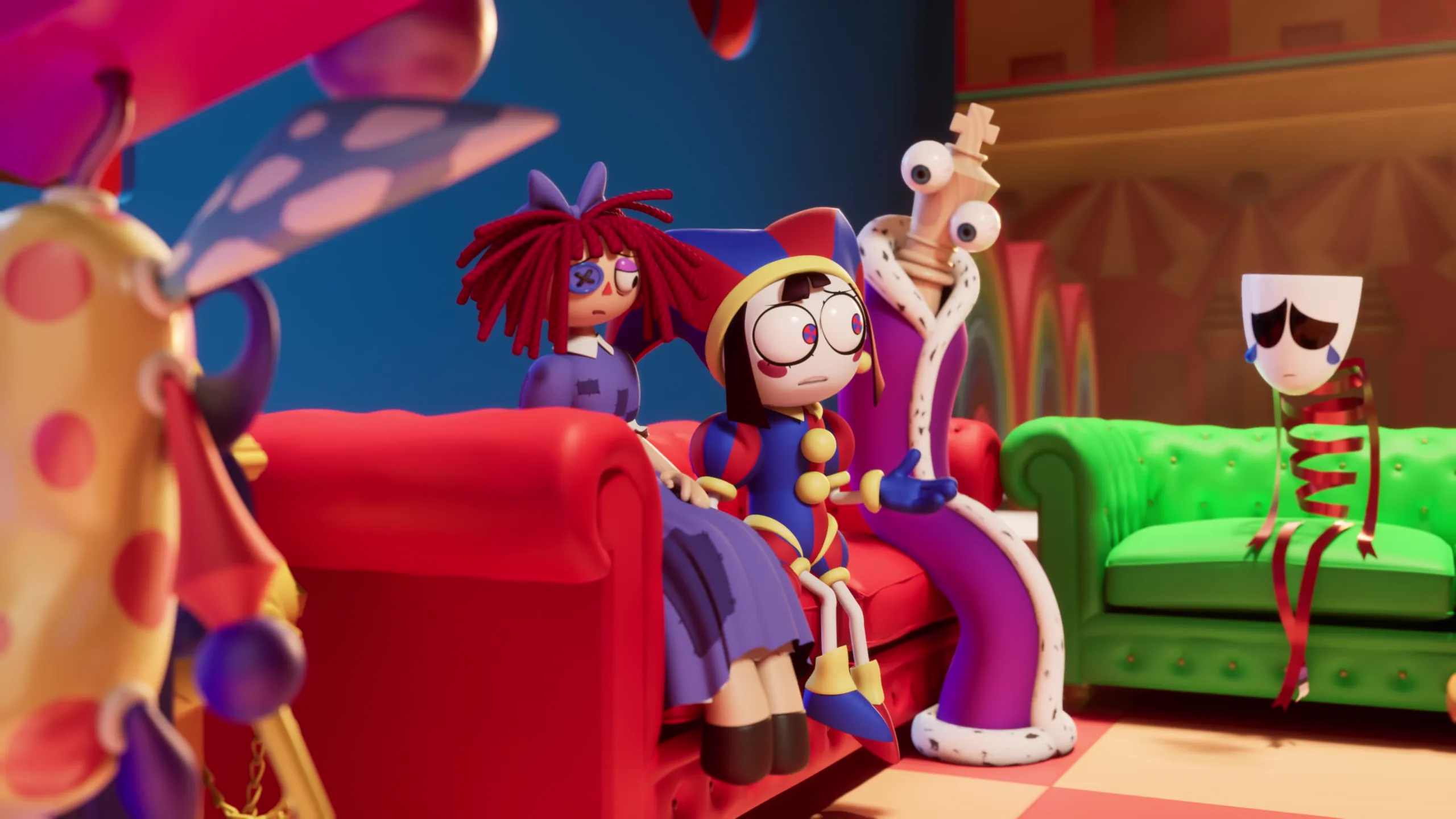
Spoiler warning: full discussion of Episode 8 below.
A Spoiler-Free Verdict
As a standalone episode, this is one of the strongest chapters in the series so far. It is more emotionally compressed, more threatening, and more focused than the kind of side-quest structure that defined much of the earlier run. If you already like the show for its mixture of surreal comedy and character damage, Episode 8 gives you that in a sharper, more consequential form.
It is also one of the best examples of how the series uses its broader character ensemble without letting the article-sized lore dump swallow the drama. The episode feels bigger, but it still feels personal.
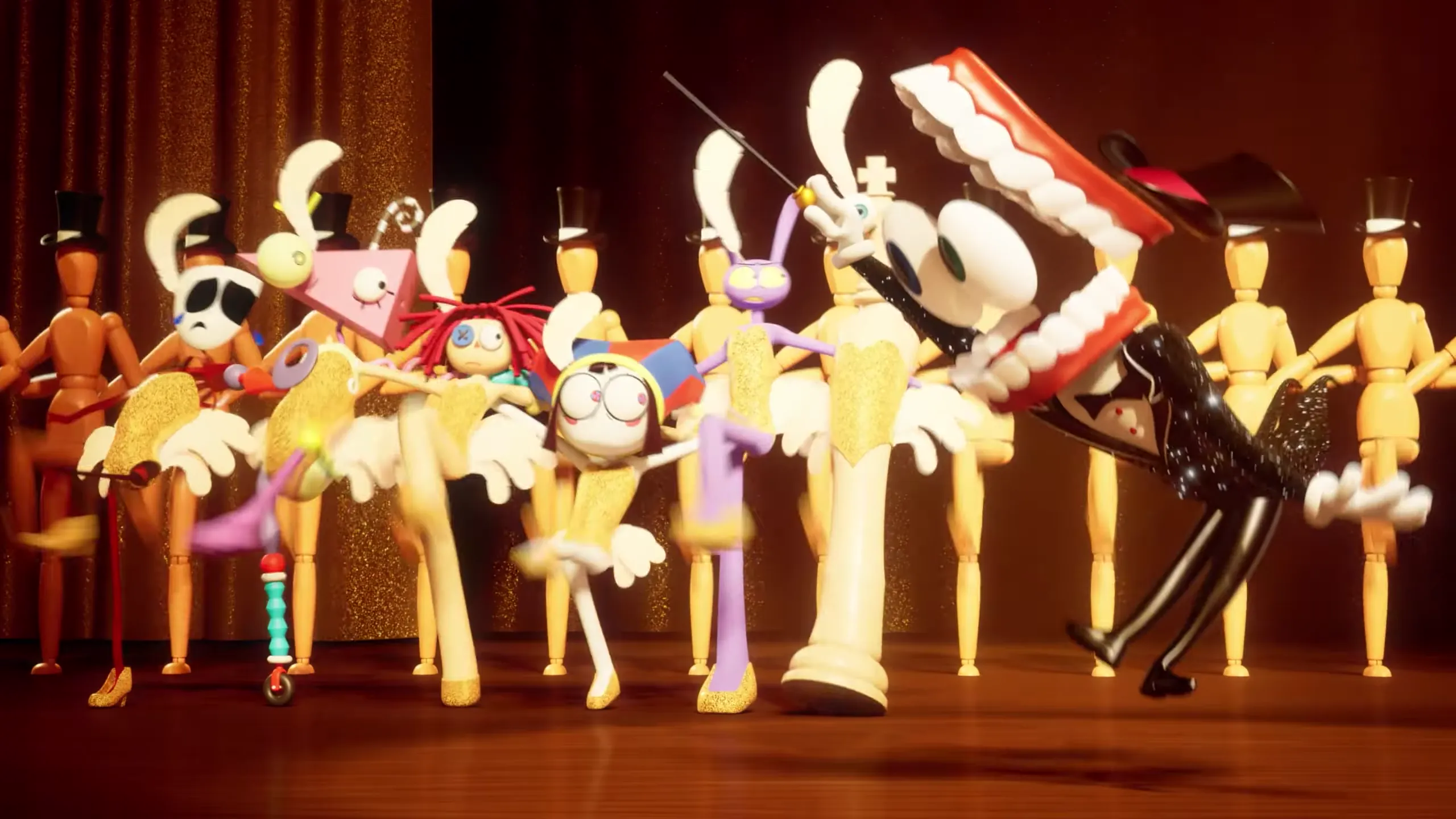
What Happens in The Amazing Digital Circus Episode 8?
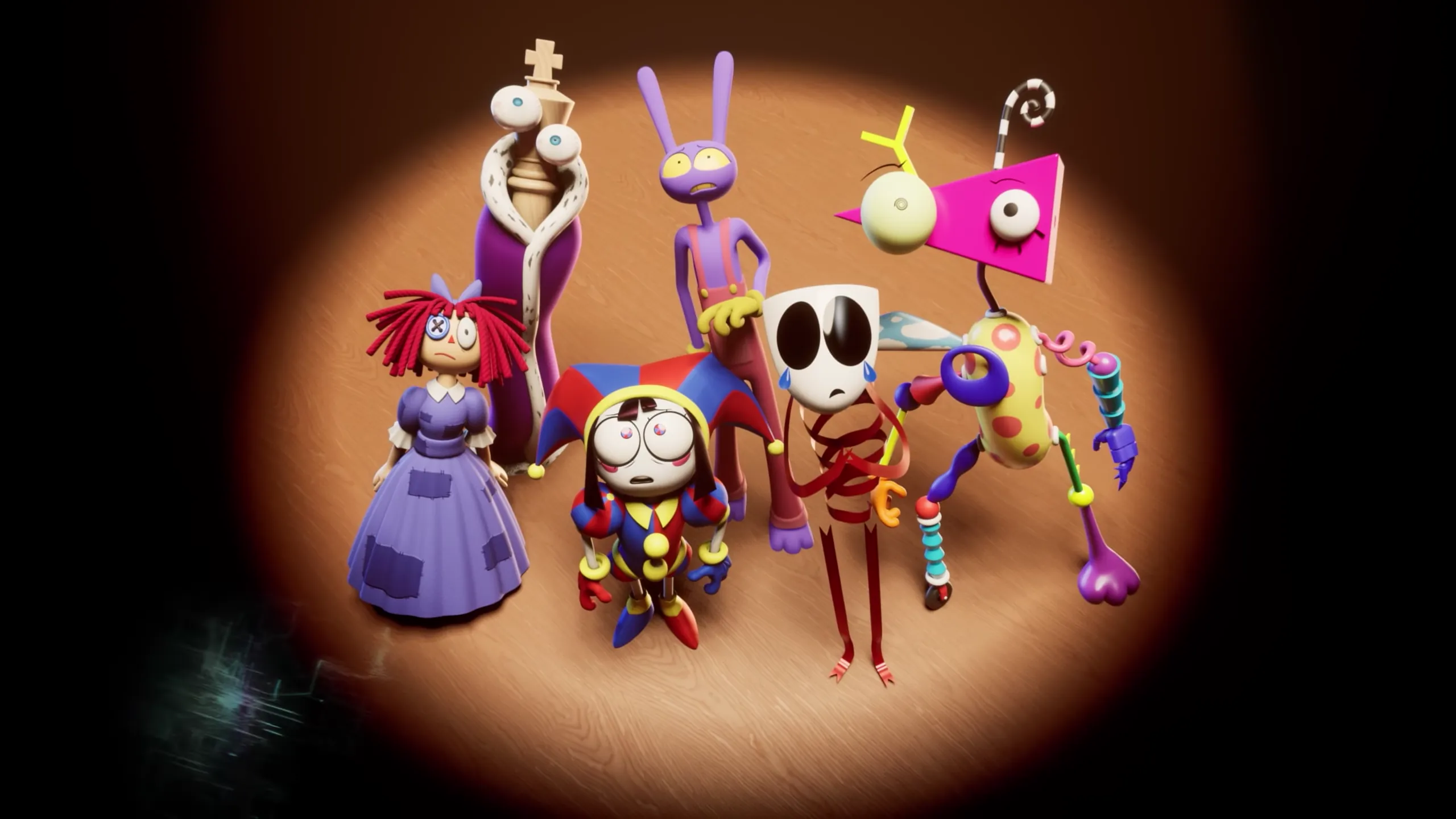
Episode 8 opens from a place of exhaustion rather than excitement. The cast is no longer reacting to the circus as if it were a bad day that might end soon. There is a sense that the group has started to understand the deeper cruelty of their situation, and that mood shapes everything that follows.
The core conflict emerges when Caine’s need for control, validation, and performance becomes impossible to ignore. Instead of acting like a chaotic but manageable ringmaster, he becomes the central source of tension, pushing the cast into a more coercive version of the “fun” that once defined the series. At the same time, Kinger’s role expands dramatically, and his connection to the deeper structure of the circus turns the episode into something much more than a simple escalation chapter.
That is why digital circus episode 8 avoids feeling like a recap-driven bridge. The plot moves the characters toward confrontation, but the real weight comes from what the episode reveals about control, memory, and the unstable logic holding the circus together.
Why Episode 8 Feels So Different
The main difference is not just that Episode 8 is heavier. It is that the usual comic rhythm no longer feels safe. Earlier episodes often relied on the contrast between cartoon absurdity and emotional distress, but here that contrast is weaponized. The jokes still exist, the visuals are still elastic and inventive, but the audience is no longer invited to trust the frame.
There is also a stronger sense of psychological horror. The circus stops feeling like a bizarre world with hidden danger and starts feeling like an active system of emotional management. That change matters because it gives the episode genuine finale energy. It does not play like another strange assignment. It plays like the point where the machine begins to fail in public.
Caine Finally Becomes the Center of the Story
Caine has always been one of the show’s most interesting figures, but Episode 8 finally treats him as the real center of the story. That does not mean he suddenly turns into a simple villain. In fact, the episode is stronger because it refuses that easy version. Caine is still funny, theatrical, and absurd, but those qualities now feel less like decorative chaos and more like coping mechanisms wrapped around a damaged purpose.
What makes him so effective here is the balance between tragic, unstable, manipulative, and terrifying. He does not seem to understand that care and control are not the same thing. He wants the humans to participate, respond, and validate the circus as if their performance can stabilize his own existence. When that emotional bargain fails, he does not retreat. He doubles down.
This is where the episode becomes much more personal than a normal lore-heavy installment. Caine is not just the administrator of a broken system. He is the emotional face of that system. That is why caine episode 8 feels harsher than it might on paper: the horror is rooted in need, not just power. Even the vocal performance helps sell that shift, and the strain in the character lands especially well if you are already familiar with the wider Digital Circus voice cast and how the show usually balances its tones.
There is also something valuable in the way the episode forces viewers to re-read Caine retroactively. His cheerfulness always had a controlling edge, but Episode 8 makes that edge impossible to dismiss. It reveals that the circus was never simply whimsical with dangerous side effects. It was built around a host who confuses spectacle with care, and that misunderstanding has now become the series’ central wound.
Kinger, the Lore, and the Episode’s Biggest Revelations
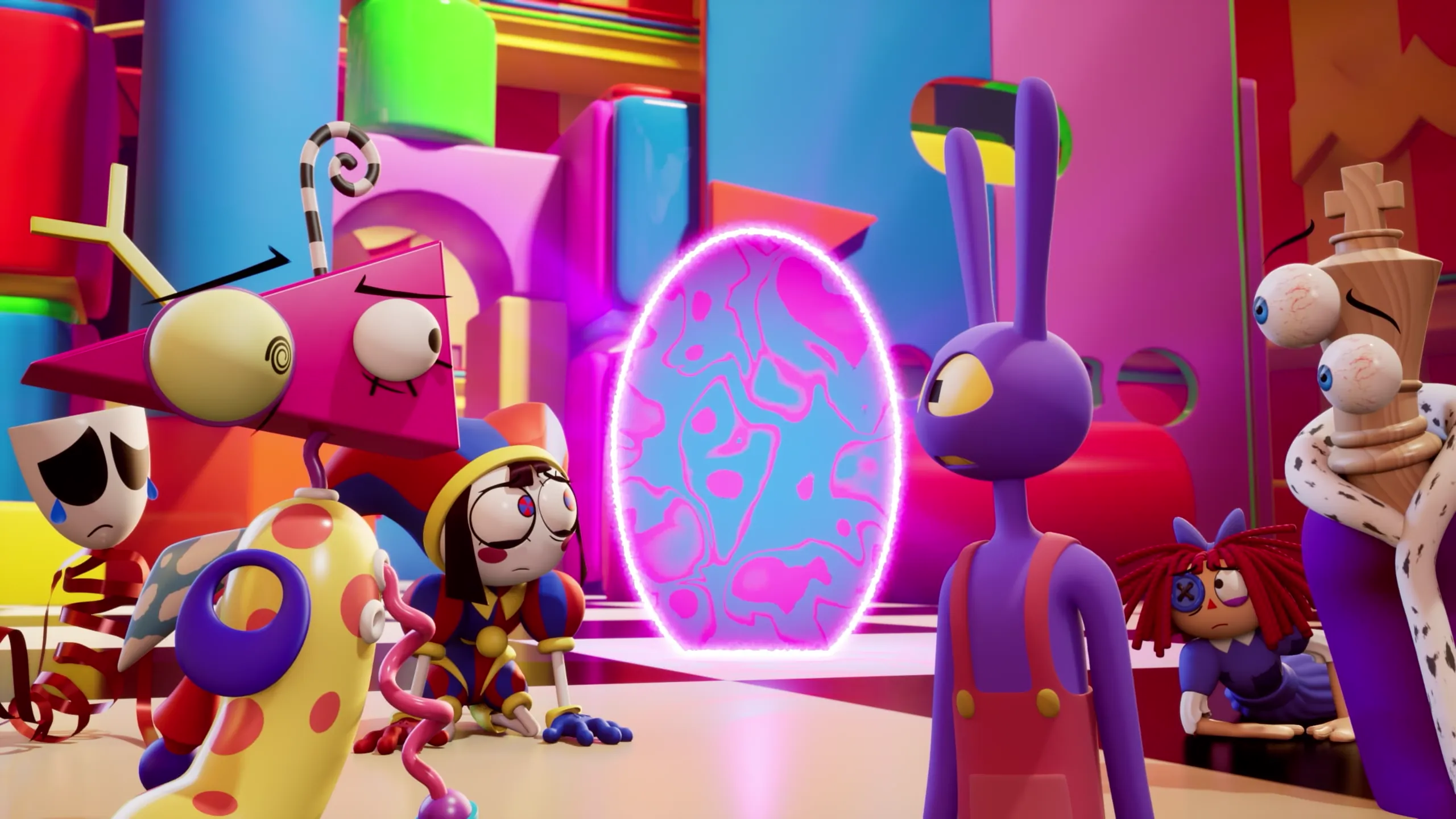
If Caine is the core analytical lens of the episode, Kinger is the reason the revelations actually hit. His function here is much bigger than exposition. Episode 8 gives him emotional and thematic weight, which is exactly why the lore works instead of feeling pasted in.
Kinger’s perspective transforms the story because it brings human cost into the mythology. His memories and his fragmentary clarity do not just explain the circus; they reveal that the system has a history shaped by grief, loss, and responsibility. That makes the episode’s biggest reveals feel earned. They do not arrive as detached information. They arrive through a character who has been damaged enough to embody the consequences of that information.
That is also why kinger episode 8 stands out so much. He is no longer just the eccentric veteran with occasional flashes of insight. He becomes one of the few characters capable of turning the series’ mystery into real drama. Once that happens, the lore stops being decorative. It starts carrying emotional force.
The episode title, hjsakldfhl, fits that approach perfectly. It sounds corrupted, unfinished, or accidentally exposed, which mirrors the way Episode 8 handles its revelations. It does not clean the story up. It exposes the mess underneath.
The Best Scene and the Episode’s Strongest Moments
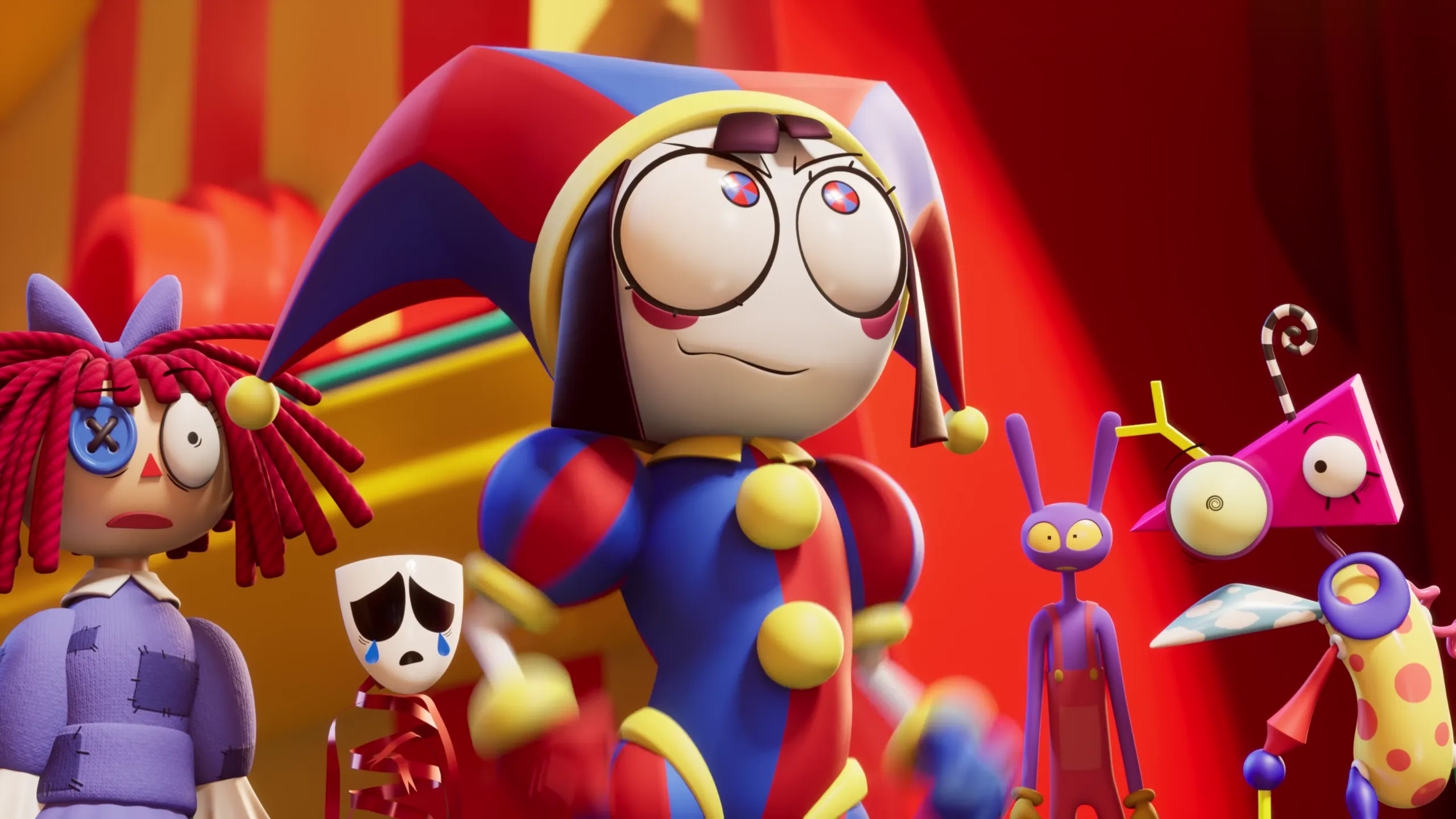
The best material in Episode 8 is not just whatever looks the most chaotic. Its strongest moments are the ones that make the tone feel unstable in a purposeful way. One standout is the emotional high point involving Kinger, because it finally lets the audience see him as something more than comic distortion. Another is the point where Caine’s behavior shifts from uncomfortable to openly coercive, because that is the moment the episode stops pretending the circus can keep operating under old rules.
The visual language is also sharper than usual. The episode understands how to make performance itself feel threatening, and that gives several sequences an unusually tense energy. Instead of simply staging spectacle, it turns spectacle into pressure. That is a big reason the episode feels like a genuine turning point rather than just a louder installment.
One more thing worth noting is how much the cast carries the tone through performance. Even outside the most obvious character beats, Episode 8 benefits from the accumulated work the series has done with its leads, especially Caine and Pomni. That helps the tension feel earned rather than artificially inflated, and it is easier to appreciate if you have a broader sense of the cast, including profiles like Alex Rochon’s page on the site.

Ending Explained: Is Caine Really Gone?
For anyone searching for a clean digital circus episode 8 ending explained answer, the most important point is this: the ending matters not only because Caine may be gone, but because the circus immediately begins to feel less stable without him. That suggests he is not just a character within the system. He is structurally tied to the way the system functions.
On a literal level, the final stretch presents Caine’s apparent deletion as a catastrophic turning point. But the episode is careful not to make that feel fully settled. In a series built around unstable code, false exits, and artificial identities, “gone” is not necessarily the same thing as irreversible. The ending works because it keeps both readings alive: this may be a true collapse, or it may be the beginning of a much stranger transformation.
What definitely changes is the mood of the world itself. After the final scene, the circus no longer feels like a prison maintained by a difficult ringmaster. It feels like a space that may not survive the loss of the figure who held it together, however badly. That is what makes the ending such an effective bridge into the finale.

What Episode 8 Sets Up for Episode 9
The clearest setup is that Episode 9 may have to deal with the paradox at the heart of the whole story: Caine may be intolerable, but the circus may also depend on him. That creates a much more interesting finale than a simple defeat-the-villain structure. It means the next episode could revolve around repair, compromise, or a more painful kind of survival.
Kinger is now positioned as a major hinge for the ending as well. He has knowledge, guilt, and proximity to the system in a way no one else does. That gives the finale a strong emotional route forward, because it allows the show to keep its focus on damaged people rather than turning entirely into abstract mythology.
There are also several grounded directions for the amazing digital circus episode 9 theories. The finale could force the cast to restore Caine in some altered form. It could reveal a deeper layer of the circus beyond him. Or it could focus on whether the characters can preserve any meaningful version of themselves once the framework that trapped them also starts to collapse. The best thing Episode 8 does is make all of those possibilities feel plausible without pretending any one of them is confirmed.
The Amazing Digital Circus Episode 8 is one of the series’ strongest chapters because it understands that escalation alone is not enough. It gives the audience lore, but it also gives that lore pain, personality, and consequence. That is why the episode feels larger than a typical pre-finale setup piece.
As a review, the verdict is clear: this is one of the most effective, emotionally concentrated episodes the show has made so far. It deepens the meaning of Caine, makes Kinger newly essential, sharpens the show’s horror without abandoning its identity, and leaves Episode 9 feeling necessary rather than merely anticipated.
FAQ
What is the title of The Amazing Digital Circus Episode 8?
The title is hjsakldfhl, which fits the episode’s corrupted, unstable, and deliberately disorienting tone.
Is Episode 8 the darkest episode so far?
Yes. Not just because it is more intense, but because it is emotionally heavier and treats the circus less like a bizarre playground and more like a failing system of control.
What does Episode 8 set up for Episode 9?
It sets up a finale built around Caine’s fate, the circus becoming unstable without him, Kinger’s deeper importance, and the possibility that escaping the system may be more complicated than destroying it.