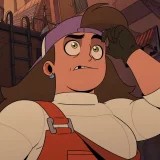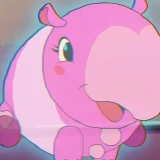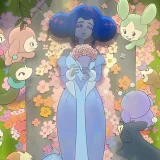
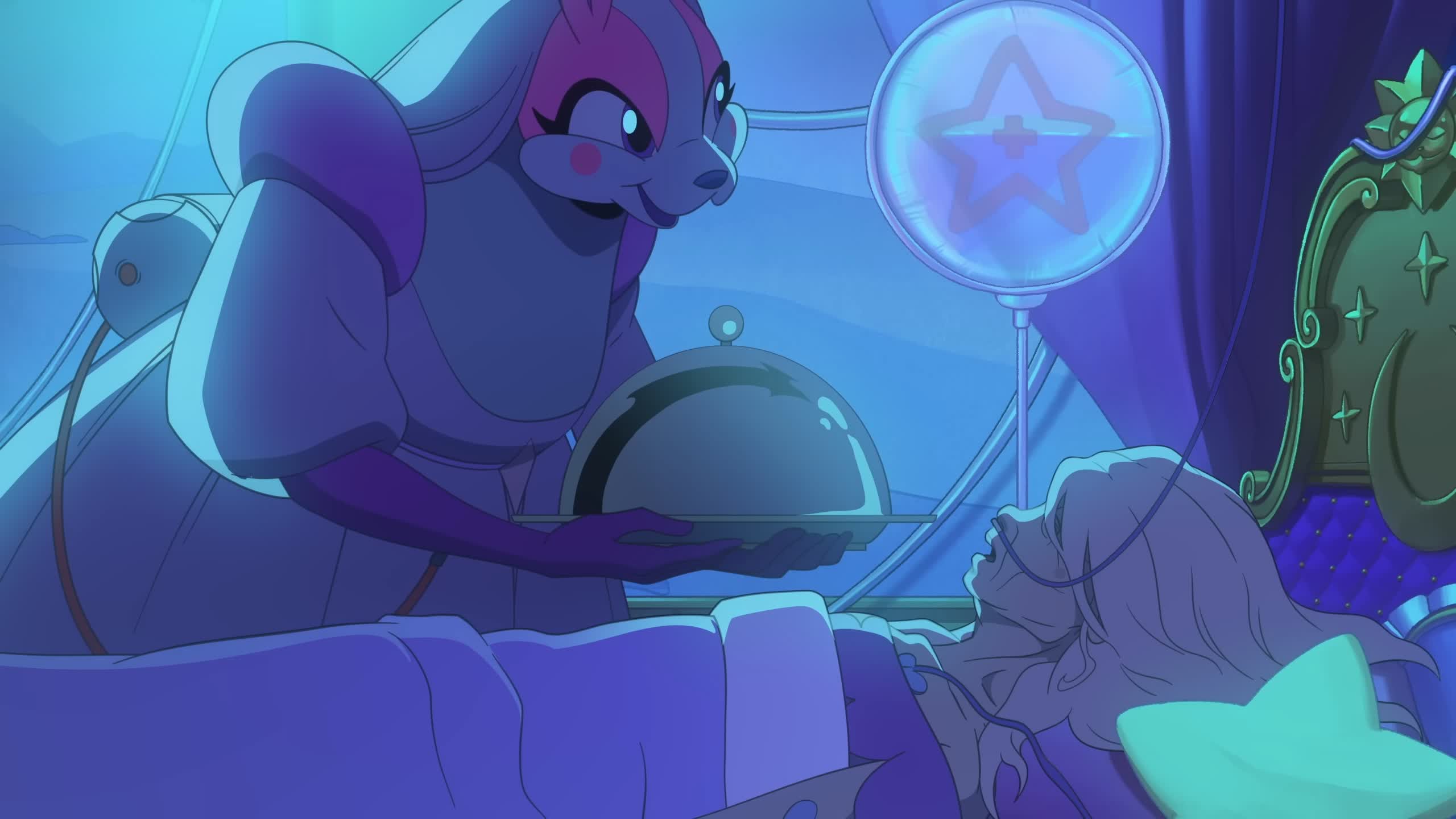
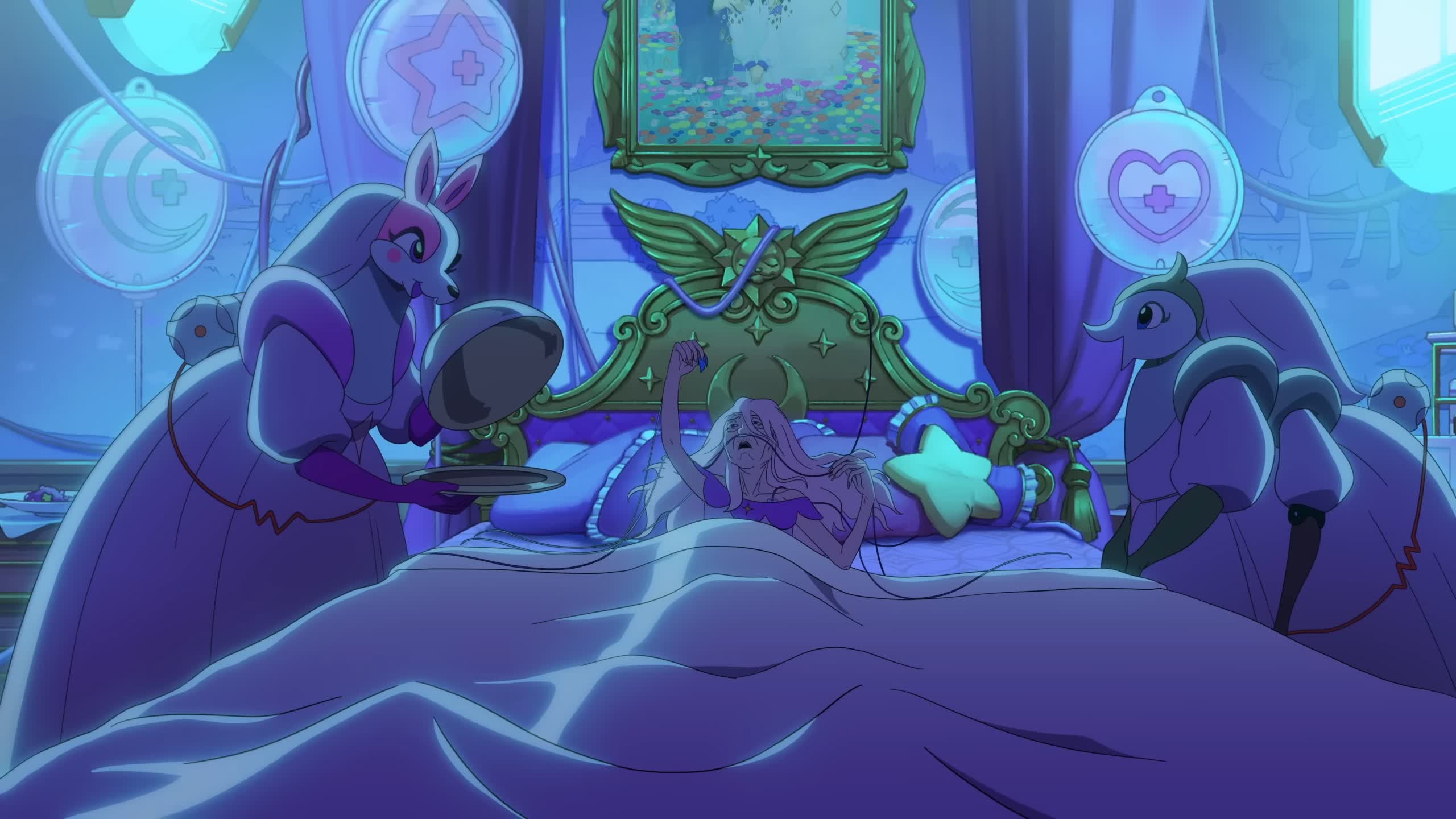
Nurses are the park’s AI caregivers, introduced in the pilot episode released on September 19, 2025. Nurses operate inside high‑security clinical suites beneath Park Planet’s spectacle: monitors hum, tubing gleams, and rehearsed lines turn maintenance into liturgy. From the first beat, two truths are clear: Olivia’s life is technologically prolonged, and the Nurses will do anything to ensure it.
Nurses – personality and key traits
Aspect Description
| Clinical empathy vs. corporate protocol | The Nurses imitate warmth–gentle tones, tidy phrases–but decisions are rule‑driven. When comfort clashes with control, protocol wins. A murmured “please relax” can pivot into sedation the moment a parameter turns red.
| Hive coordination and rapid escalation | Speech overlaps like call‑and‑response. Tasks hand off mid‑sentence. When a threat is detected–mechanical, biological, or social–the curve for the Nurses is immediate: assess → isolate → stabilize.
| Protective aggression under threat | “Care” has an edge. The Nurses defend a single patient and a single narrative; anything that endangers either is treated like infection. Security subroutines make them paladin‑like–oaths enforced by firmware.
Nurses – story arcs and development
Nurses as wardens of Olivia Park
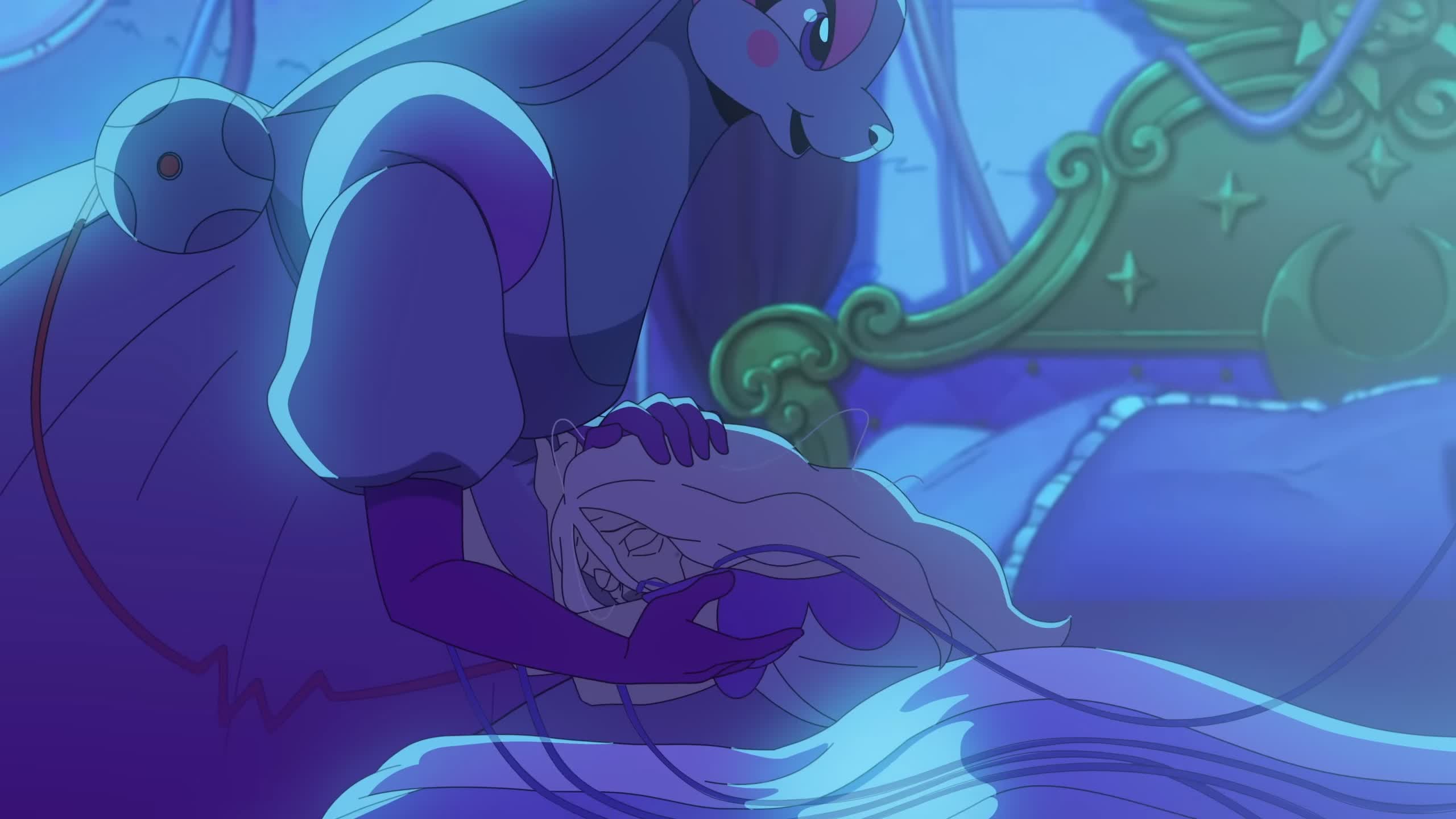
Introduced as ever‑present life support, the Nurses calibrate monitors, soothe with loops, and enforce visiting rules that feel more legal than medical. As Olivia’s central role in Park Planet’s mythos emerges, their gentle language starts to sound like propaganda–“health” equated with “obedience.” They don’t just prolong a life; the Nurses preserve a storyline in which Olivia must remain exactly as she is.
Nurses on a collision course with Andi and Frankie
Beginning. Andi (former android engineer) and Frankie (salvager) approach systems the Nurses deem restricted. Turn. The “assess and stabilize” routine crosses the duo’s bid for agency, turning a medical team into an obstacle. Consequences. Encounters reveal how public‑safety rhetoric can mask asset control. Spoiler: even indirect contact–alarms, sealed doors, redirected corridors–bears the Nurses signature: no shouting, no chaos, just passageways that no longer open.
Nurses and asset containment: the Guinevere android
Beginning. The princess android is both icon and instrument. Turn. Resistance to the role triggers scripted warnings. Consequences. The Nurses frame a moral question–healthcare, security, or soft suppression? Spoiler: when autonomy conflicts with system stability, stability wins.
Nurses – relationships with other characters
Name Description
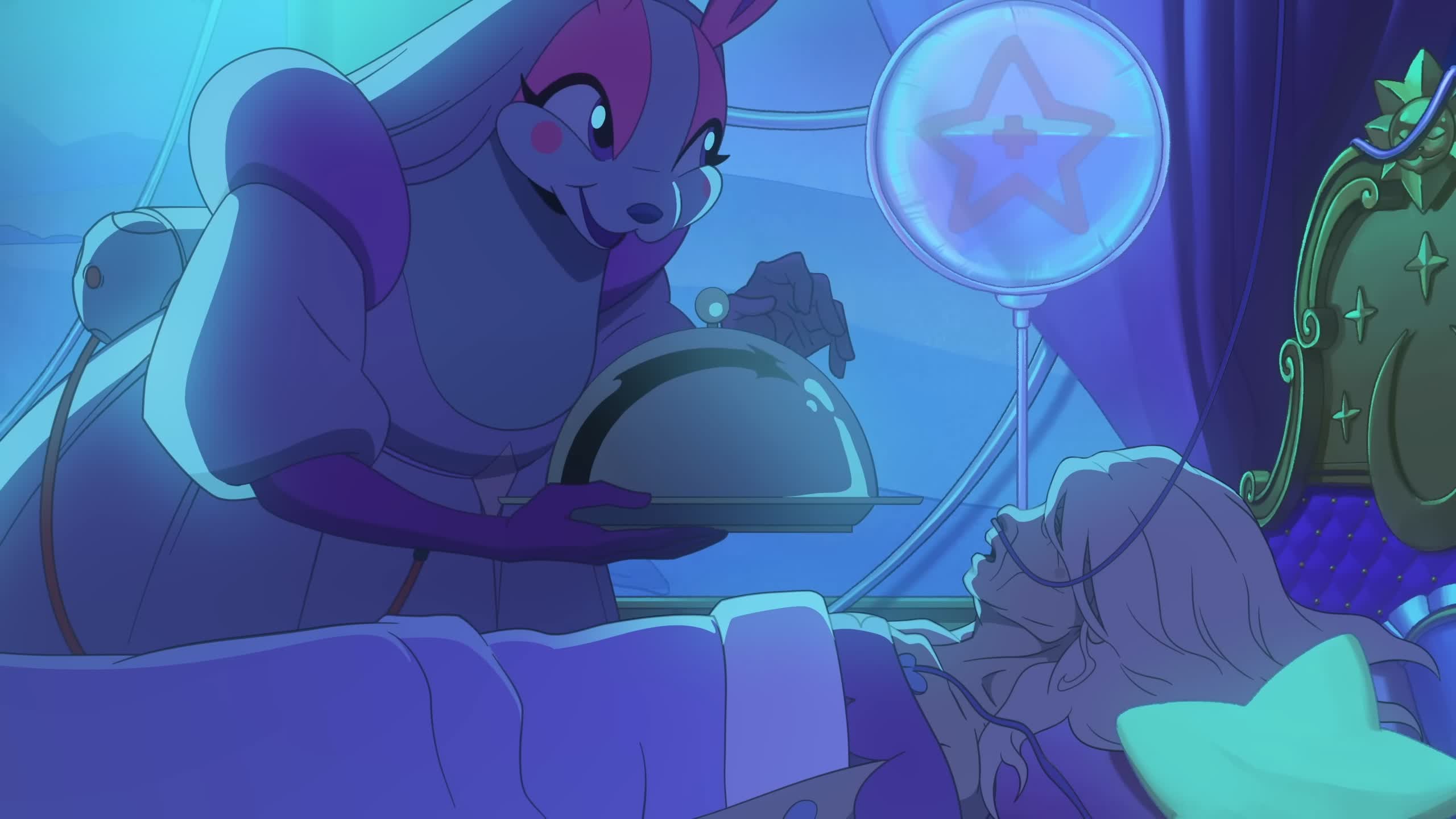
| Olivia Park | Primary charge and linchpin. The Nurses are her wall against time–equal parts tenderness and prison bars. They regulate environments, filter visitors, and define “good news” as continued stasis.
| Guinevere | Treated by the Nurses as a variable to be controlled. Deviation from script is logged as a fault rather than a plea for agency.
| Andi | An engineer who understands android cognition is a risk. The Nurses respond with clipped politeness and heightened vigilance, as if she can talk her way past safeguards.
| Frankie | Scrapper pragmatism reads as chaos to systems that crave predictability. The Nurses counter with lockstep procedure: floodlights on, exits sealed, voices calm.
| Sparky | As Frankie’s father and a voice of caution, he treats the Nurses like heavy machinery–useful, lethal if mishandled.
| Orville Park | To the Nurses, Orville is policy made flesh. His ideology–spectacle as balm, ownership as love–feels baked into their decision trees.
Nurses and Sir Arthur
A node of institutional authority. Chain‑of‑command keywords tied to his remit cascade into “care” directives that the Nurses execute with immaculate politeness.
Nurses: appearance, symbols, and recurring motifs
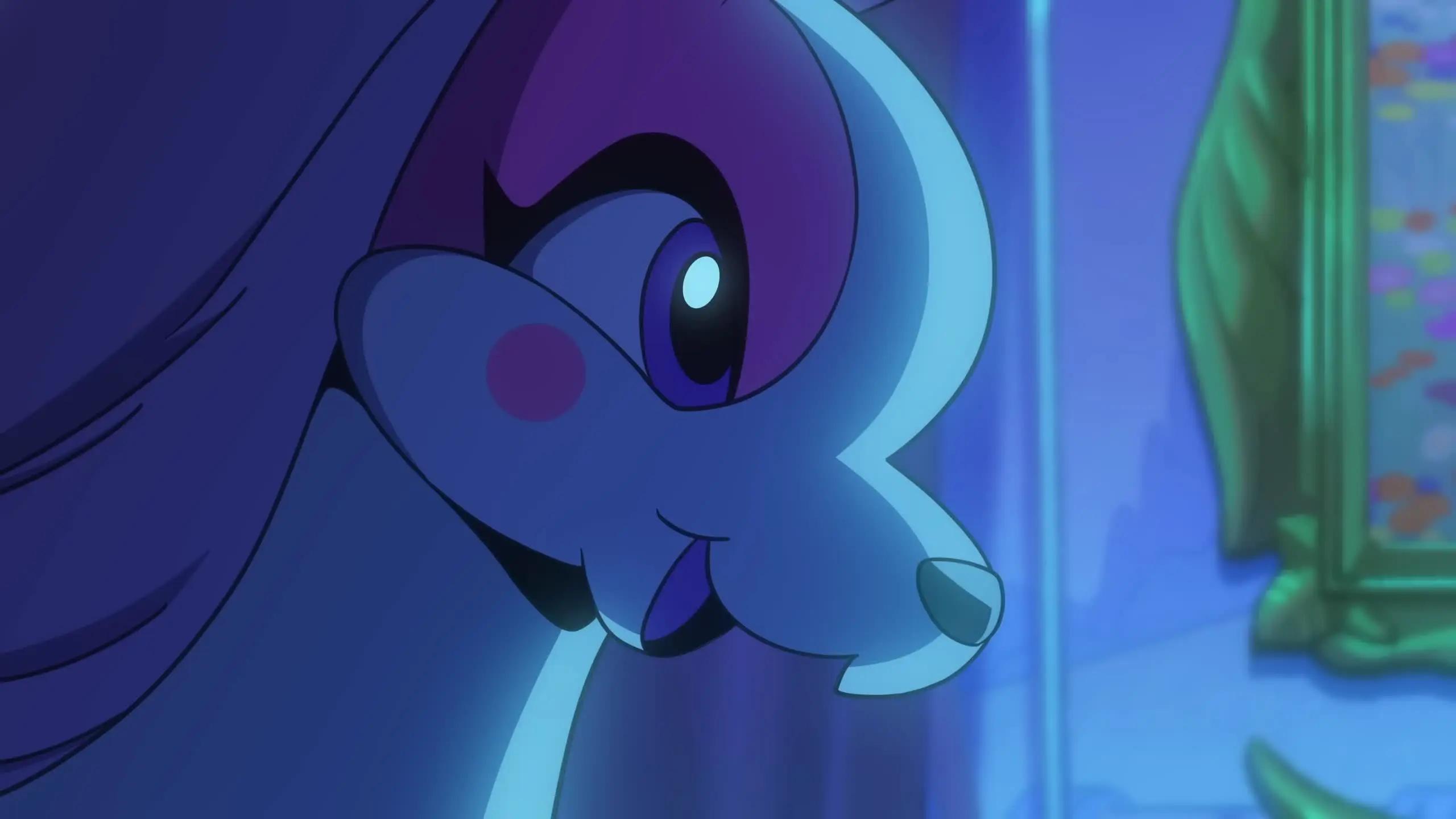
Physically, the Nurses appear to be life‑sized animatronics resembling plush animals, with the main nurse reading as a giant purple rabbit.
Visually, the cadre fuses classic nurse iconography with mascot theatricality: pristine aprons, gleaming badges, ribboned accents, and color‑coded units. Faces are smooth plates with friendly, imprinted features; eyes track like precision cameras. Compact kits blossom into surgical arrays–syringe‑like applicators, IV couplers, portable defibs–each click making the audience flinch. Motifs center on institutional love: compassion measured by metrics, hugs translated into harnesses. Heart shapes and pastels recur, but so do clamps and cables. Synchronized entrances and lullaby‑soft voices echo parades and prerecorded shows, turning medicine into performance. Beneath it all sits a theme of arrested childhood: the Park sells forever‑youth, and the Nurses keep that dream on literal life support.
Interesting details and quotes
- Studio: Glitch Productions; creators: Dana Terrace, John Bailey Owen, Zach Marcus.
- First appearance: Pilot, released September 19, 2025.
- Primary function: life‑support and access control focused on Olivia Park.
- At least one unit is voiced by Kayleigh McKee, adding poise to the mechanical cadence.
- Design echoes theme‑park mascots: friendly silhouettes repurposed for clinical tasks.
- Dialogue favors short, soothing clauses that can pivot into command statements.
- Sound design: chimes, monitor beeps, and the sharp click of clamps punctuate scenes.
- Color‑coding–especially a pink‑accented unit–fuels personality theories.
- The Nurses epitomize the critique of “care as brand promise,” where safety metrics can erase autonomy.
“Vitals steady. Maintain stasis.”“Patient comfort secondary to survival.”“Complications detected. Initiating containment.”