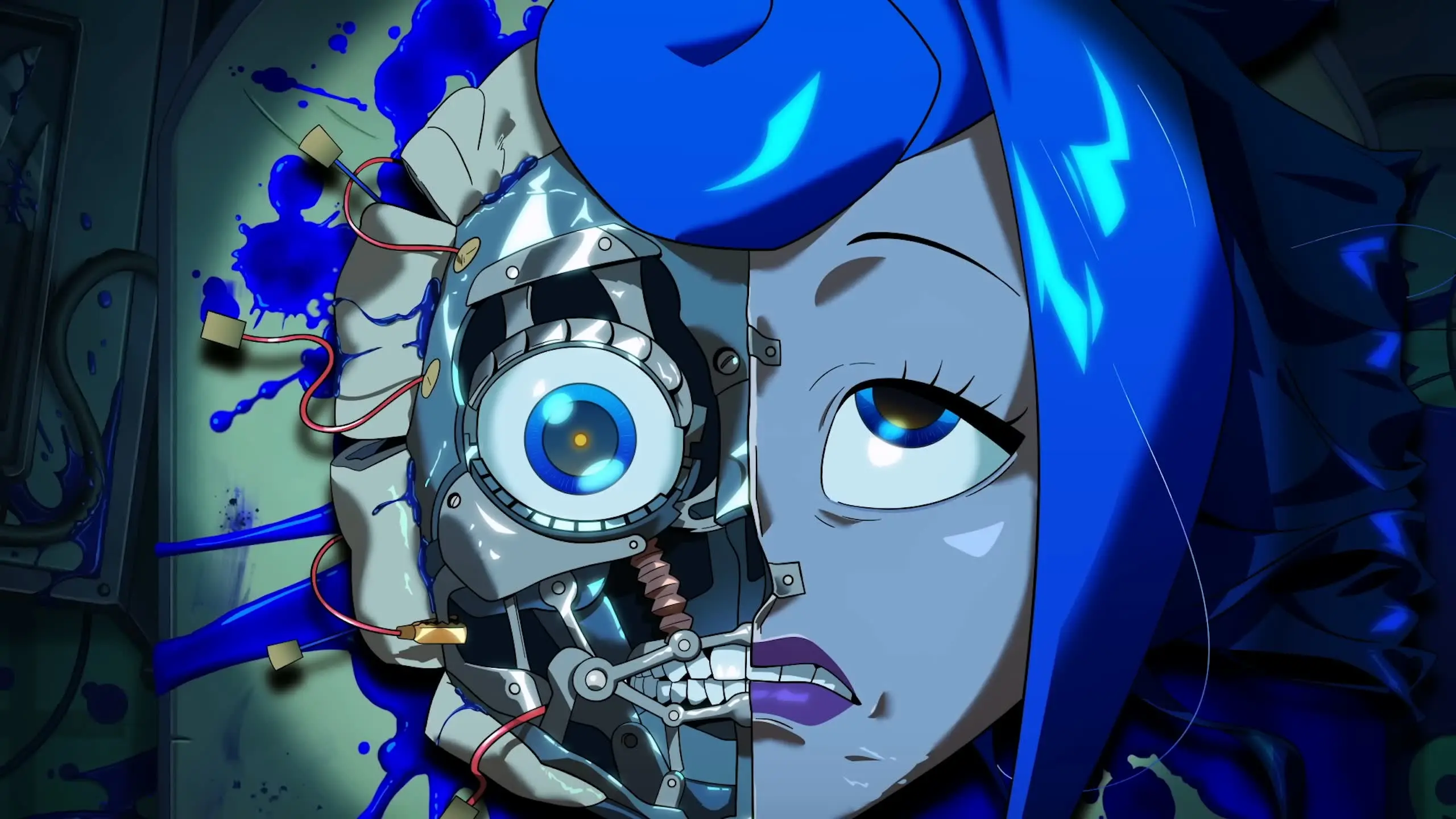
Guinevere–a brand icon come to life–begins as the smiling face of Park Planet’s marketing and guest experience. However, she is only one of many “Guinevere units.” Nevertheless, the story follows a single unit who becomes central to the lives of Andi and Frankie. She moves between a pastel fairy‑tale mindspace and a stark industrial reality. As a result, the contrast raises questions about memory, agency, and personhood. Despite the gentle voice and polished manners, Guinevere acts with surprising force when danger appears. Consequently, she hints at defense protocols–or instincts–she does not fully understand. Over time, her identity steadies. Therefore, Gwen shifts from product to protagonist and from asset to ally, shaping the hopes of the workers who find her.
Guinevere – origin and first appearance
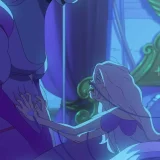
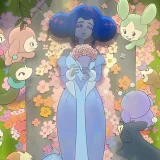
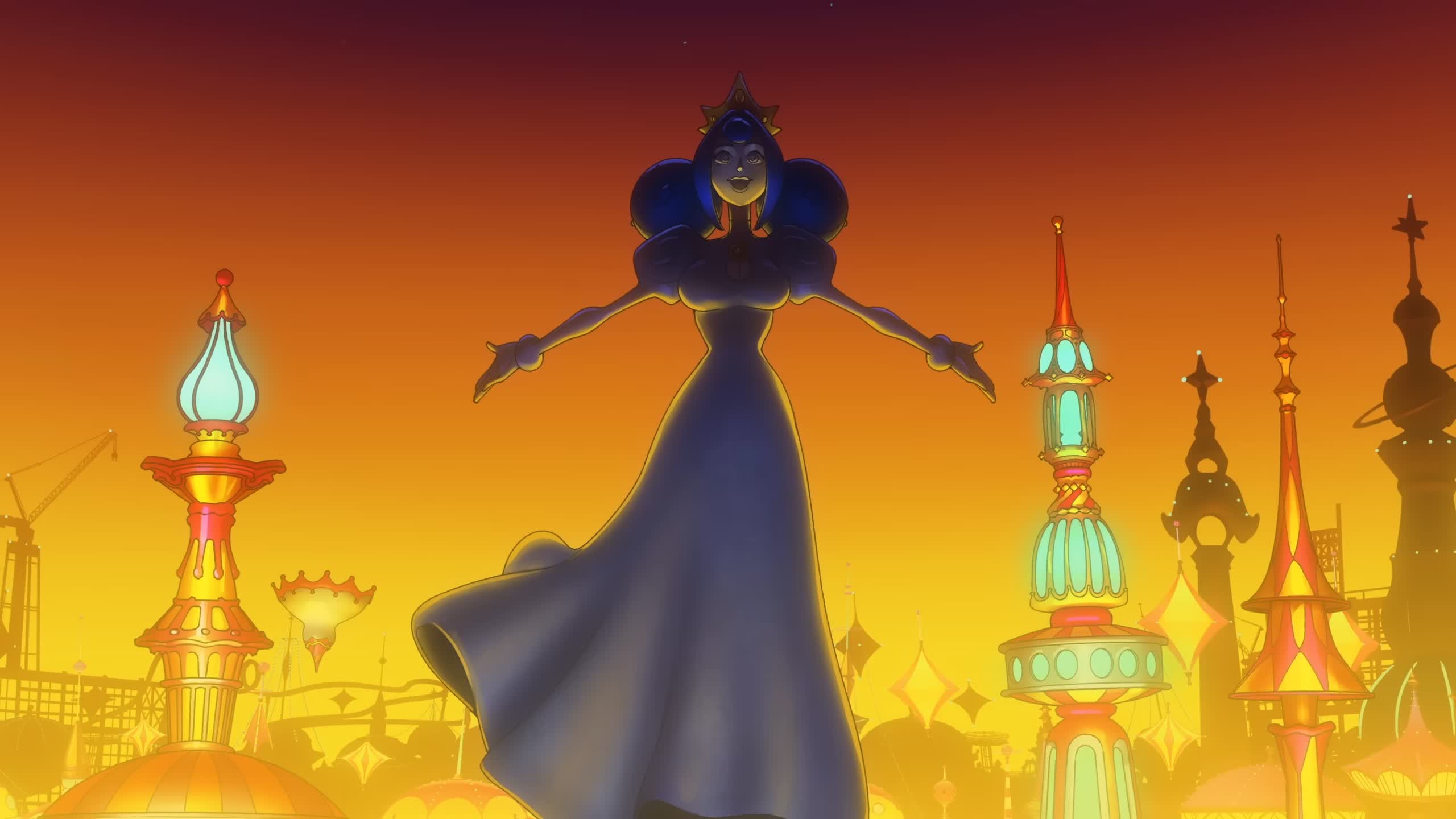
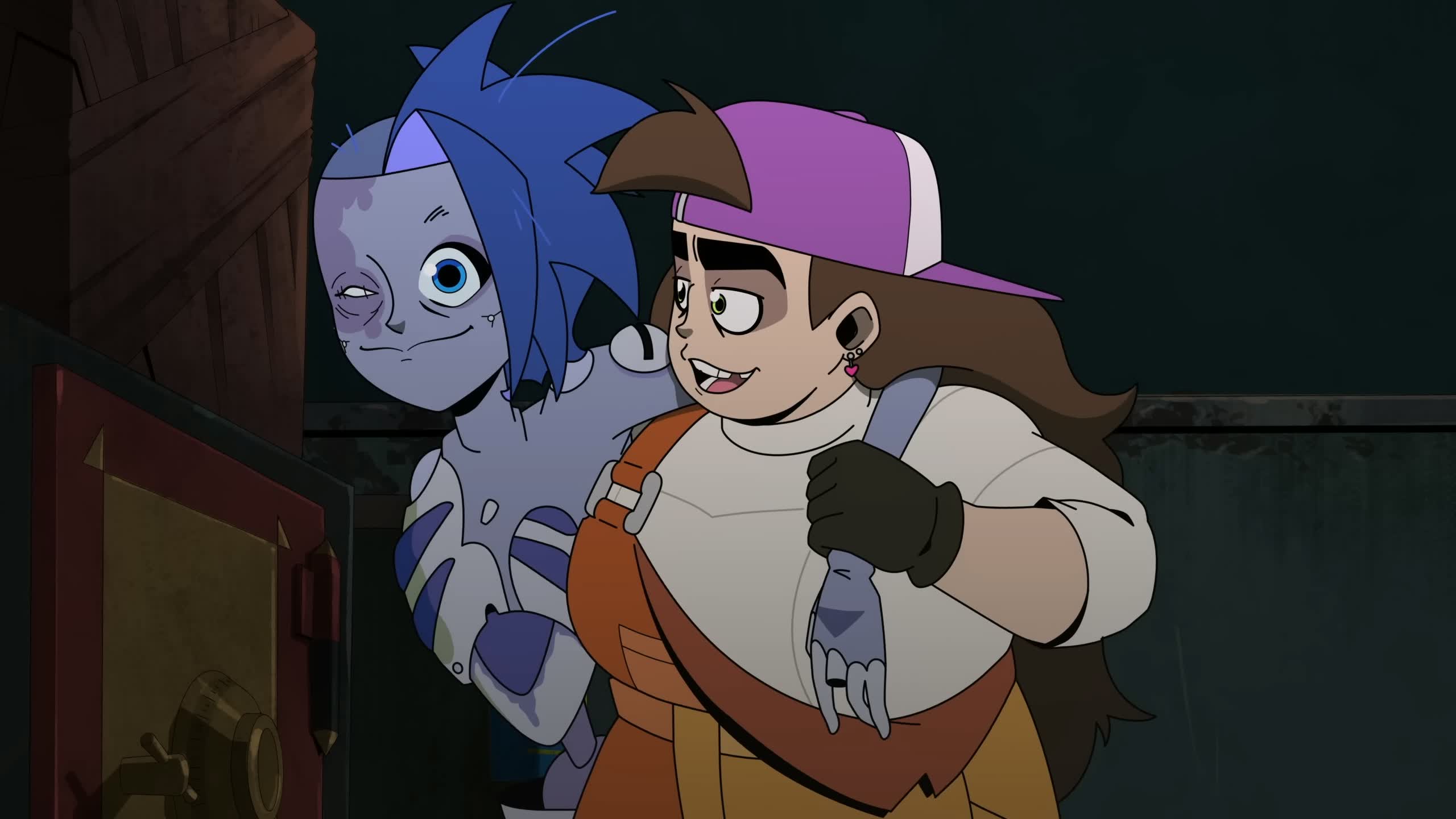
Guinevere debuts in the pilot episode of Knights of Guinevere (2025). Importantly, it is the studio’s first fully 2D original from Glitch Productions, co‑created by Dana Terrace with writers John Bailey Owen and Zach Marcus. She is voiced by Eden Riegel. The introduction starts as a fractured fairy tale and then dissolves into a laboratory. A princess surrounded by animals and flowers suddenly becomes an android on a workbench. Years later, within the timeline, she is rediscovered during a salvage run–damaged yet recoverable. At that moment the working‑class duo–Andi, an android surgeon, and Frankie, a factory worker and scrapper–choose to repair her. As a result, the decision sets the story in motion and quietly reframes Guinevere from mascot to patient to partner.
Guinevere – personality and key traits
Aspect Description
| Emotional duality and empathy | At first, Guinevere carries a courtly warmth that can feel rehearsed–smiles, posture, ceremony. However, the more she interacts with Andi and Frankie, the more genuine care breaks through the scripted behavior. She shows protective concern when people are hurt and recognizes them in ways that suggest long‑buried memory, not just branding routines.
| Moral compass and growing agency | Initially, she seems bound by park protocols and the storybook “princess” role. Then, as she reboots and recalls, Guinevere quietly resists objectification: she questions orders, refuses to be traded like parts, and shows flashes of clarity about who is using her and why. Therefore, her sense of consent–over body, image, and purpose–anchors the series’ commentary on ownership versus selfhood.
| Capabilities and skills | Although built for hospitality, Guinevere has precise strength, fast reaction time, and adaptable motor control. In addition, she can interface with park systems and survive environments that would overwhelm humans. Under stress, she exhibits defensive maneuvers that feel like failsafe routines–brief, startling bursts of power that hint at what a Princess Android can do beyond pageantry.
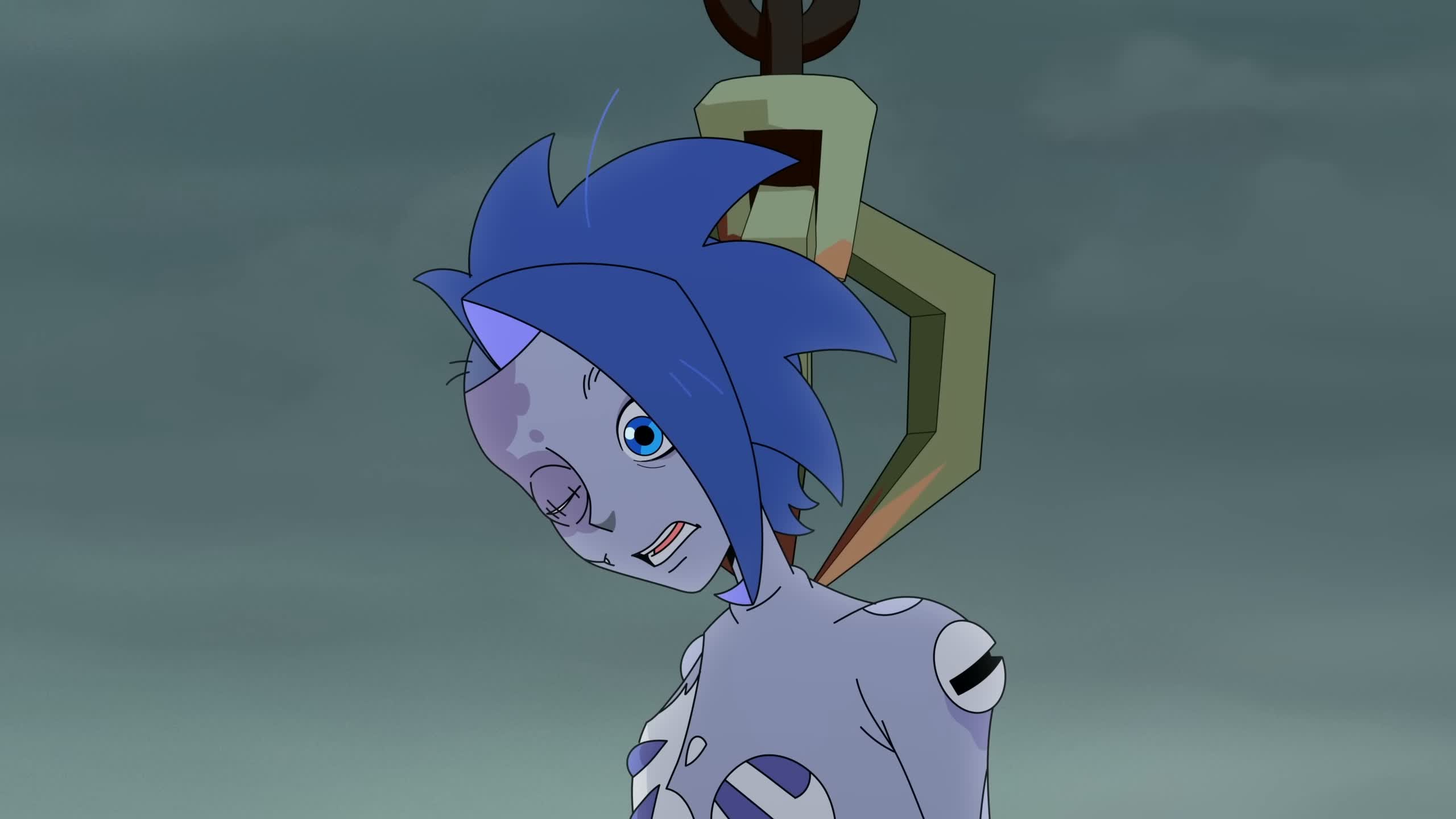
| Vulnerabilities and limits | Her synthetic frame can be cracked, and her software can be interrupted or reset. Meanwhile, memory fragmentation–cutting between fairy‑tale “inside” and factory “outside”–leaves Guinevere open to manipulation by those who control Park Planet’s networks. She is also susceptible to being treated as interchangeable with other units, an erasure the narrative repeatedly challenges.
Guinevere – story arcs and development
From mascot to myth: the Park Planet paradox
Start: Guinevere begins as the smiling emblem of a floating, planet‑spanning amusement park. Then: the series juxtaposes her idyllic inner tableaux with surgical lighting and diagnostics, exposing how the dream is manufactured. As a result: this paradox–princess and product–fuels her identity journey. The more she remembers, the less she fits the frame that contains her.
The salvage pact
Start: Frankie discovers a broken unit during a scrap run, and Andi’s medical know‑how makes a risky repair seem possible. Then: practical pressures–debt, a deal with Sparky, and the park’s security–complicate the rescue as everyone wants something different from the android. As a result: choosing to fix Guinevere redefines the trio; she becomes a catalyst instead of a commodity, deepening trust between her and the two workers who refuse to treat her as parts.
Memory reboot: fairy tale vs. factory
First: repair brings Guinevere back online in a dreamlike woodland–roses, creatures, and a gentle princess routine. Then: reality bleeds in, names surface, and she recognizes Andi and Frankie as the montage cracks. Consequently: recognition stabilizes her sense of self; she is not merely one mask among many models.
The Parks’ legacy and power
First: Park Planet is the brainchild of Orville Park, with his daughter Olivia tied to both its marketing and its machinery. Then: the same system that built Guinevere hunts or harnesses her, deploying machines to control the narrative–and the android at its center. Therefore: her existence tests whether a corporation can own a face, a name, and a voice once that voice starts speaking for itself.
Guinevere – relationships with other characters
Character Description
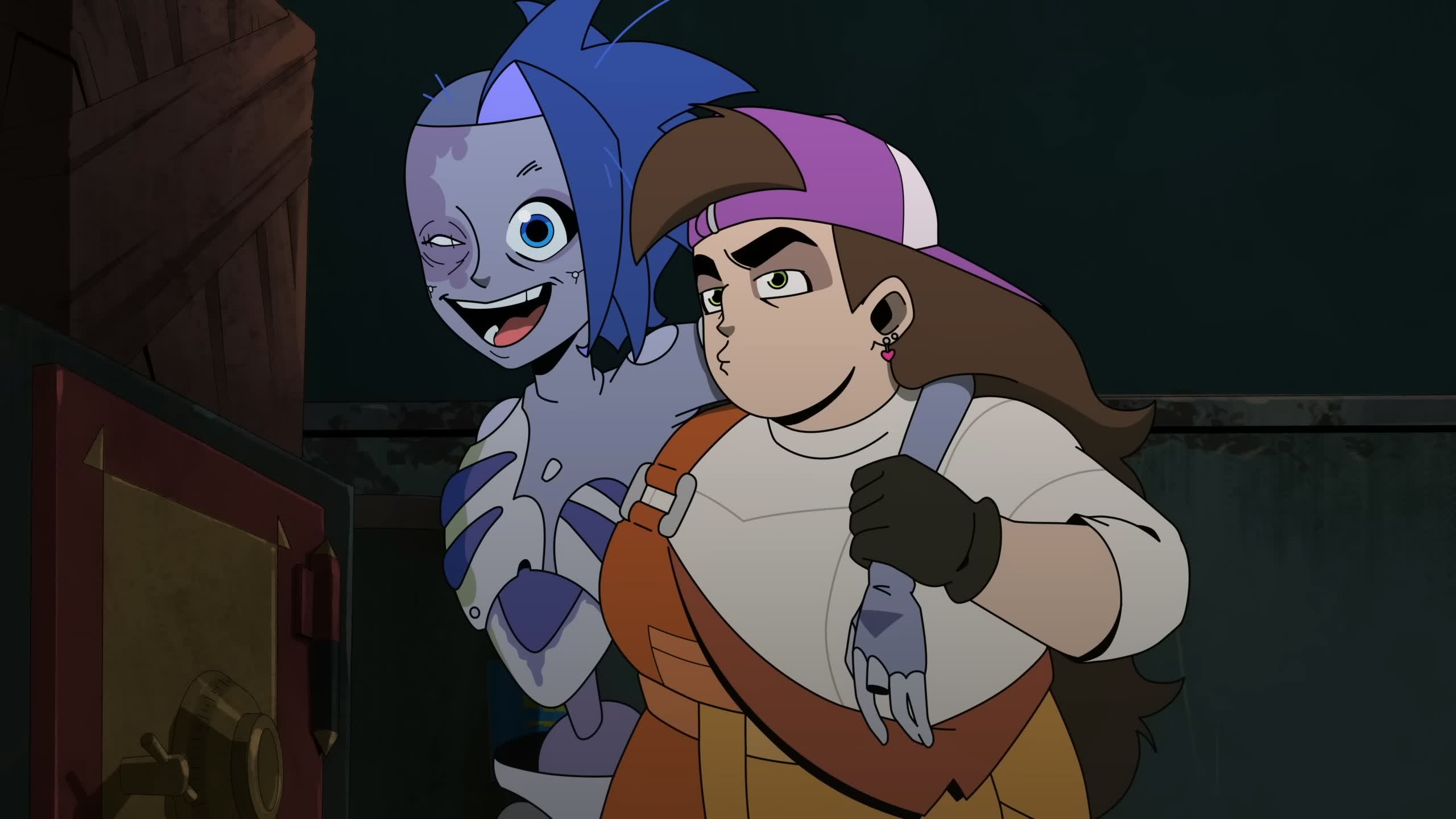
| Andi | Initially, Andi approaches Guinevere as a patient and then as a person. Their rapport is half clinical, half protective; steady hands and a skeptical mind help her navigate the difference between programmed charm and earned choice.
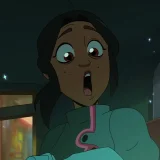
| Frankie | Frankie is the emotional engine–hopeful, stubborn, and quick to risk herself to give the android a chance. Therefore, she refuses to see Guinevere as salvage, which inspires reciprocal loyalty when danger makes idealism costly.
| Sparky | A hard‑dealing salvage boat owner and Frankie’s boss, Sparky initially views the princess as inventory. However, his transactional stance becomes a foil that clarifies her personhood: the more he tries to reduce Guinevere to parts, the clearer it becomes that she isn’t.
| Olivia Park | Olivia’s past with the program complicates everything. Where Guinevere sees people, Olivia sees assets and threats. As a result, their connection layers power, obsession, and guilt.
| Orville Park | Orville embodies the smiling executive mythos of Park Planet–the “gift” to the world that hides the machinery below. To him, the princess is a brand promise made manifest. To Guinevere, he is the architect of a gilded cage she is learning to name.
| The other Guineveres | Multiple princess units exist across the park. Consequently, meeting posters and mascots that look exactly like her forces Guinevere to ask: what makes her her? This “one among many” tension shapes questions about copies and individuality.
Guinevere – appearance, symbols, and recurring motifs
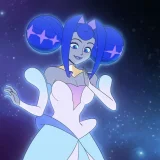
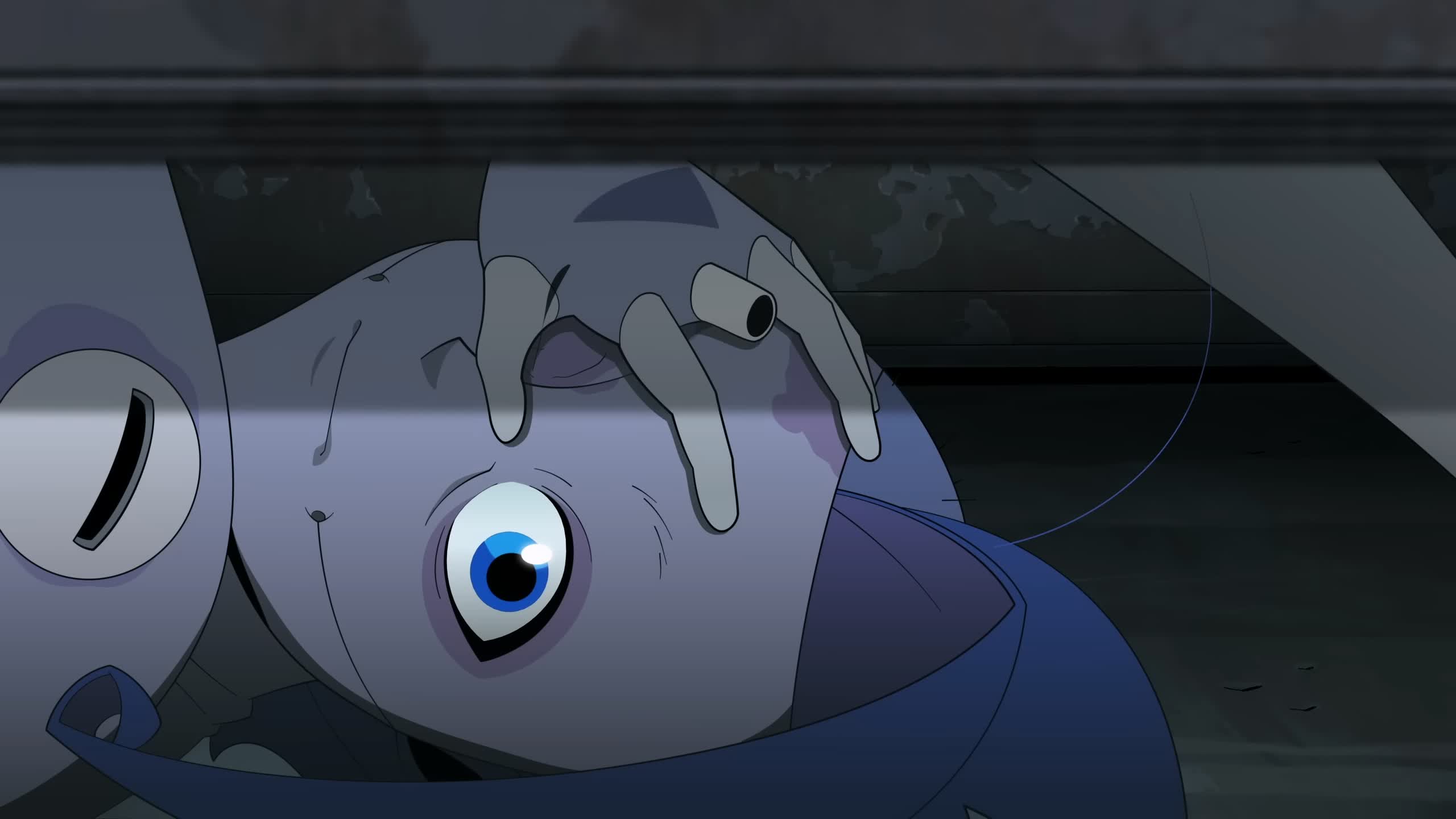
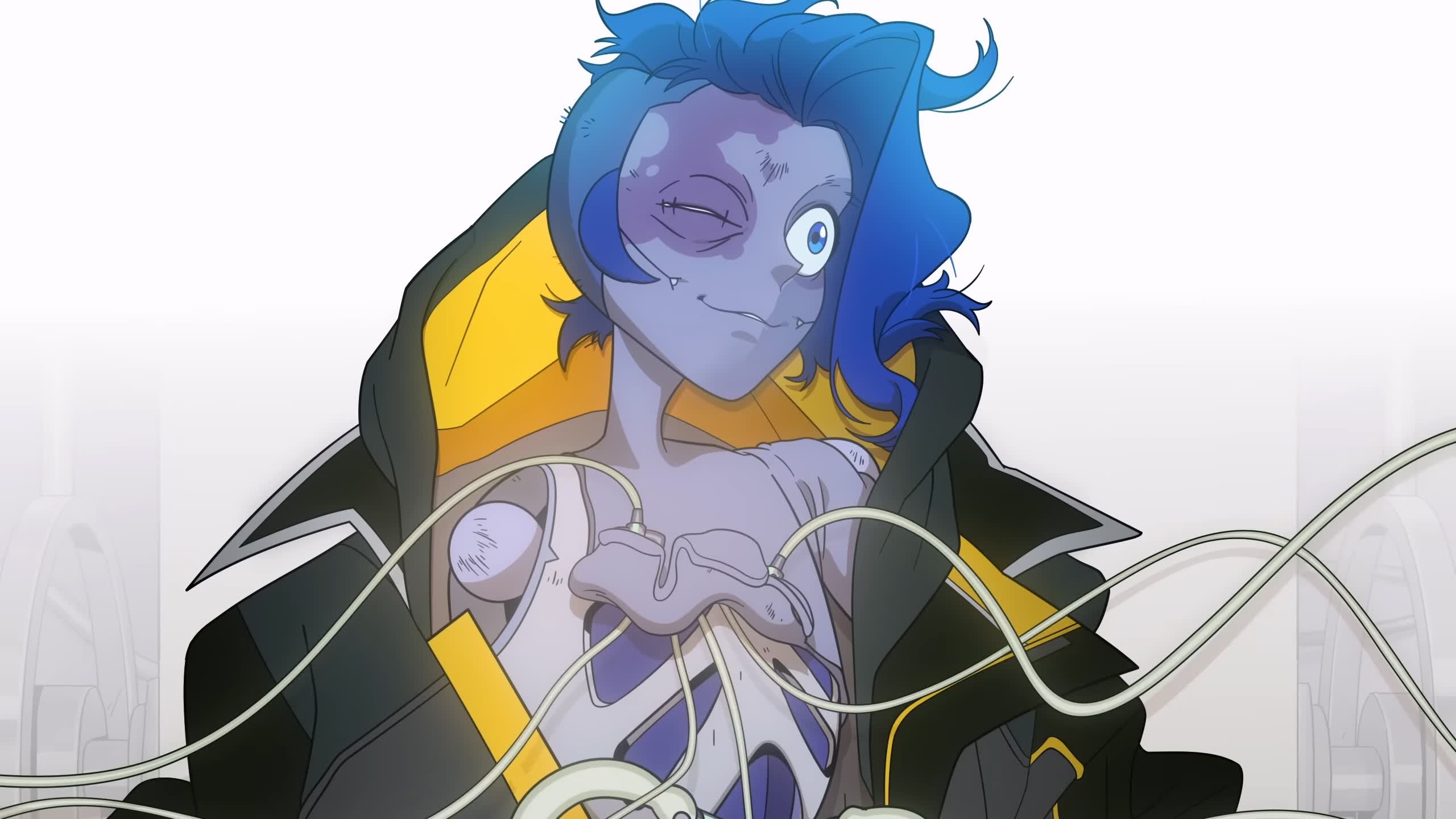
Visually, Guinevere fuses silver‑blue “porcelain” skin with deep‑blue hair gathered into rounded twin buns marked by pink star motifs. A curl at the forehead shapes into a crescent–part logo, part lullaby. Her gown recalls classic animated‑princess silhouettes–puffed sleeves, fitted bodice, and a flowing skirt–rendered in cool pastel gradients that glow in soft light. When she moves, highlights catch like enamel. When she’s damaged, the exposed internals make the fairy tale read like lacquer over steel.
Across episodes, motifs repeat: animals and blossoms crowd around a sleeping‑princess tableau; glossy “Meet the Princess at Park Planet” posters beam from kiosks; star‑sparkles float through fantasy scenes while hard industrial greens and reds dominate labs and salvage decks. Accordingly, smash cuts between these palettes visualize Guinevere’s contested reality.
Fandom and alternative names
Fans often abbreviate the title to KoG or simply “Knights.” For example, in French‑speaking spaces it appears as Les Chevaliers de Guenièvre; in Russian communities as Рыцари Гвиневры; in Hungarian as Guinevere Lovagjai. Spanish‑language posts sometimes use Caballeros de Guinevere. Within the fandom, you’ll also see shorthand like “Princess Android,” “Park Planet princess,” and “Gwen” for the character herself. These variants reflect localization, community slang, and the show’s in‑universe marketing voice.
Interesting details and quotes
Once upon a time… there was a princess… locked away by complicated machines that ran on blood and fear.
- The pilot premiered in 2025 and runs about 26 minutes, establishing the world, the trio dynamic, and the park’s corporate power structure in one go.
- This is Glitch Productions’ first fully 2D original, a milestone for a studio better known for earlier CG‑leaning projects.
- The character is voiced by Eden Riegel, whose performance threads innocence with steel.
- The floating park and the ground‑level town M7 set up a literal “above vs. below” class metaphor that the android keeps puncturing.
- Posters and signage featuring her likeness are part of the narrative, not just set dressing–advertising as world‑building.
- The series leans into “princess as product” imagery to examine consumer mythmaking and corporate ownership of faces and stories.
- A recurring visual contrast–glittering woodland serenity vs. metal, wire, and coolant–maps directly onto Guinevere’s internal state.