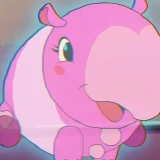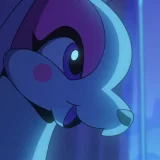
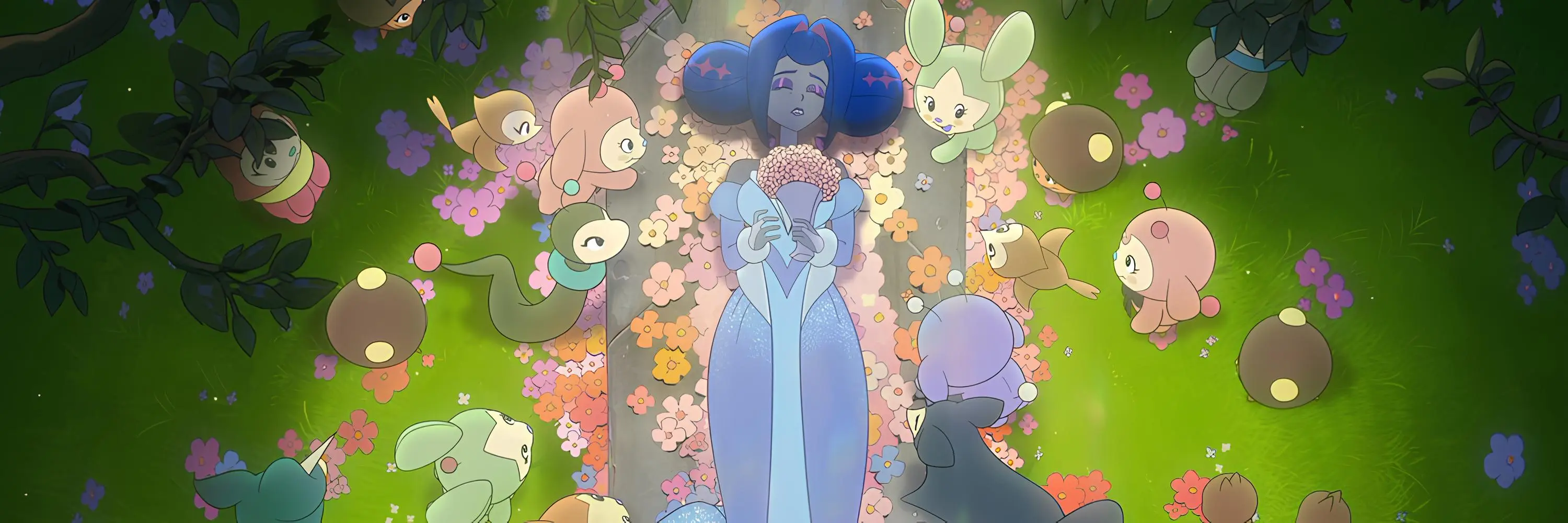
Star Pups are minor yet telling background creatures in Knights of Guinevere. However, their soft, pastel designs appear inside a show marketed as a sci-fi psychological thriller, so their cuteness functions as a deliberate contrast device. Therefore, when one of them hushes the forest because “she’s dreaming,” the moment becomes a visual anchor for Guinevere’s fairytale interiority–the fragile space the series keeps setting against industrial reality and body-horror imagery. Next, their cameos land in promotional footage rather than dense dialogue scenes, yet they still signal how the narrative splits its world between a branded princess fantasy and the harsher systems that sustain it. Consequently, the critters read as a compass: whenever they appear, we are likely drifting back into the princess’s storybook headspace, even as cables, bolts, and lab wards intrude from the edges. Finally, that tension makes the creatures memorable beyond their limited screen time; they are small, but they matter, because they help audiences track the boundary between comforting myth and uncomfortable truth.
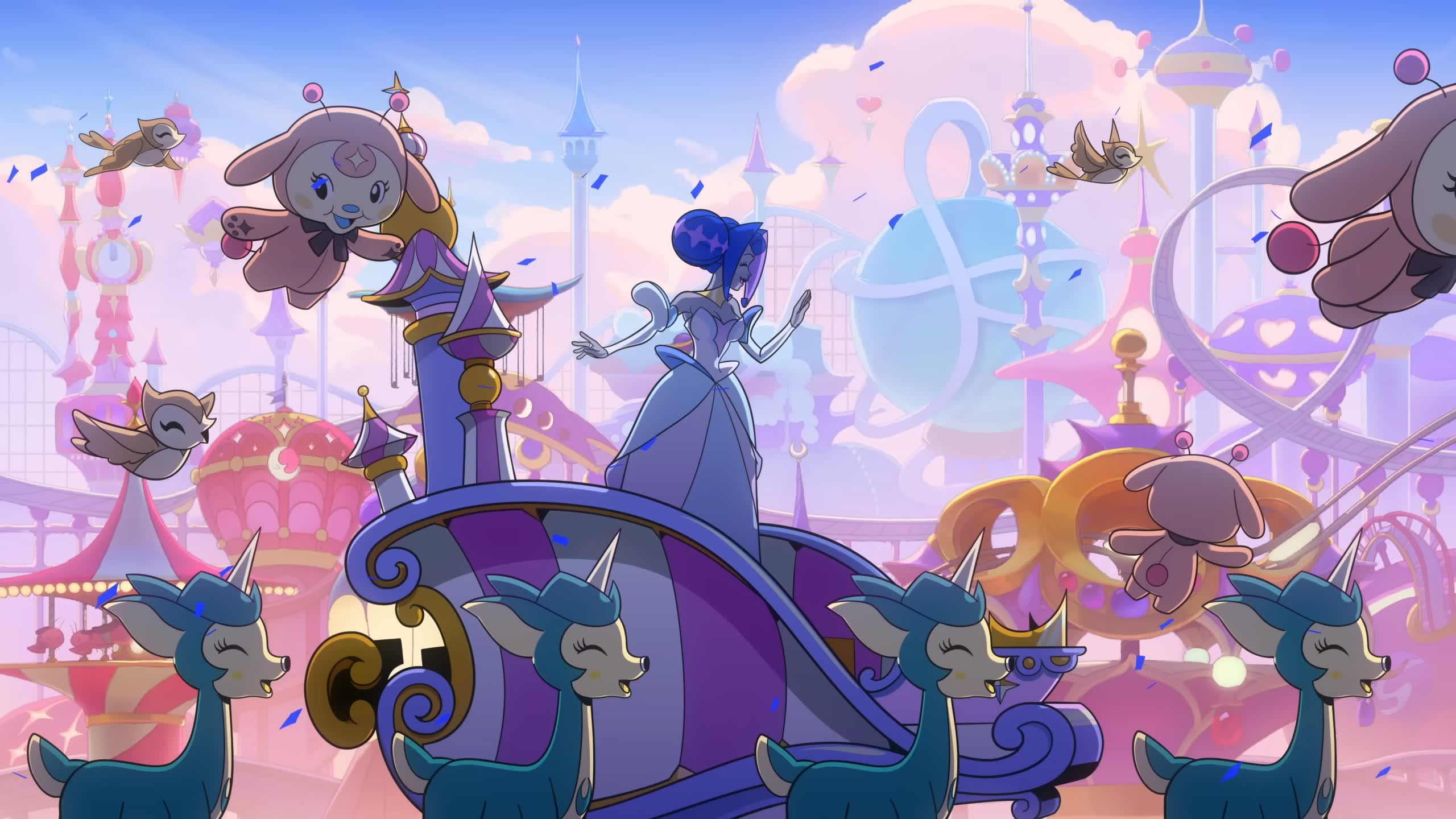
Origin and first appearance – Star Pups
However, the on-screen origin of the Star Pups is straightforward: they first surface in early public footage that frames a sun-dappled forest around a sleeping, bouquet-clutching woman. Then tiny rounded creatures cluster near her, and a green, rabbit-like one whispers for the rest to be quiet “because she’s dreaming.” Next, the imagery snaps to an eerie clinical space–an operating chamber that punctures the idyll and previews the show’s signature whiplash between fairytale affect and sci-fi dread. Therefore, the Pups’ earliest role is not to deliver exposition but to flag an axis the series will keep revisiting: dream versus waking, brand versus mechanism, childlike calm versus industrial menace. In addition, the sequence telegraphs how the series uses iconography to ferry viewers across that axis. The forest tableau–with gentle hush, clustered critters, and a sleeping “princess”–becomes a shorthand for Guinevere’s interior myth where danger is distant and kindness polices the frame. As a result, when the story later bends back toward lyric greenery, picnic motifs, or rounded mascot shapes, audiences already know what that grammar means: the narrative is privileging the fantasy lens, and the Pups are its ushers.
Personality and key traits – Star Pups
| Trait | What it looks like | Why it matters |
|---|---|---|
| Gentle hushers | One green, rabbit-like Pup quietly instructs the others to keep the princess dreaming. | Therefore, the creatures are coded as protective attendants of her inner world rather than guides or pranksters. |
| Rounded pastels | Small, soft silhouettes with star accents; big eyes; toy-adjacent proportions. | Consequently, their aesthetic screams innocence and safety, sharpening the show’s visual irony when scenes pivot to labs and machinery. |
| Ambiguous reality | Appear primarily in fairytale frames, not the rusted undercity or workshop floors. | As a result, they help viewers detect transitions between diegetic reality and the princess’s subjective fantasy. |
| Brand emissaries | Iconography that aligns with princess-centric marketing materials and storybook captions. | Therefore, the Pups sit at the intersection of narrative and in-universe branding, expanding their presence beyond a single scene. |
Story arcs and development – Star Pups
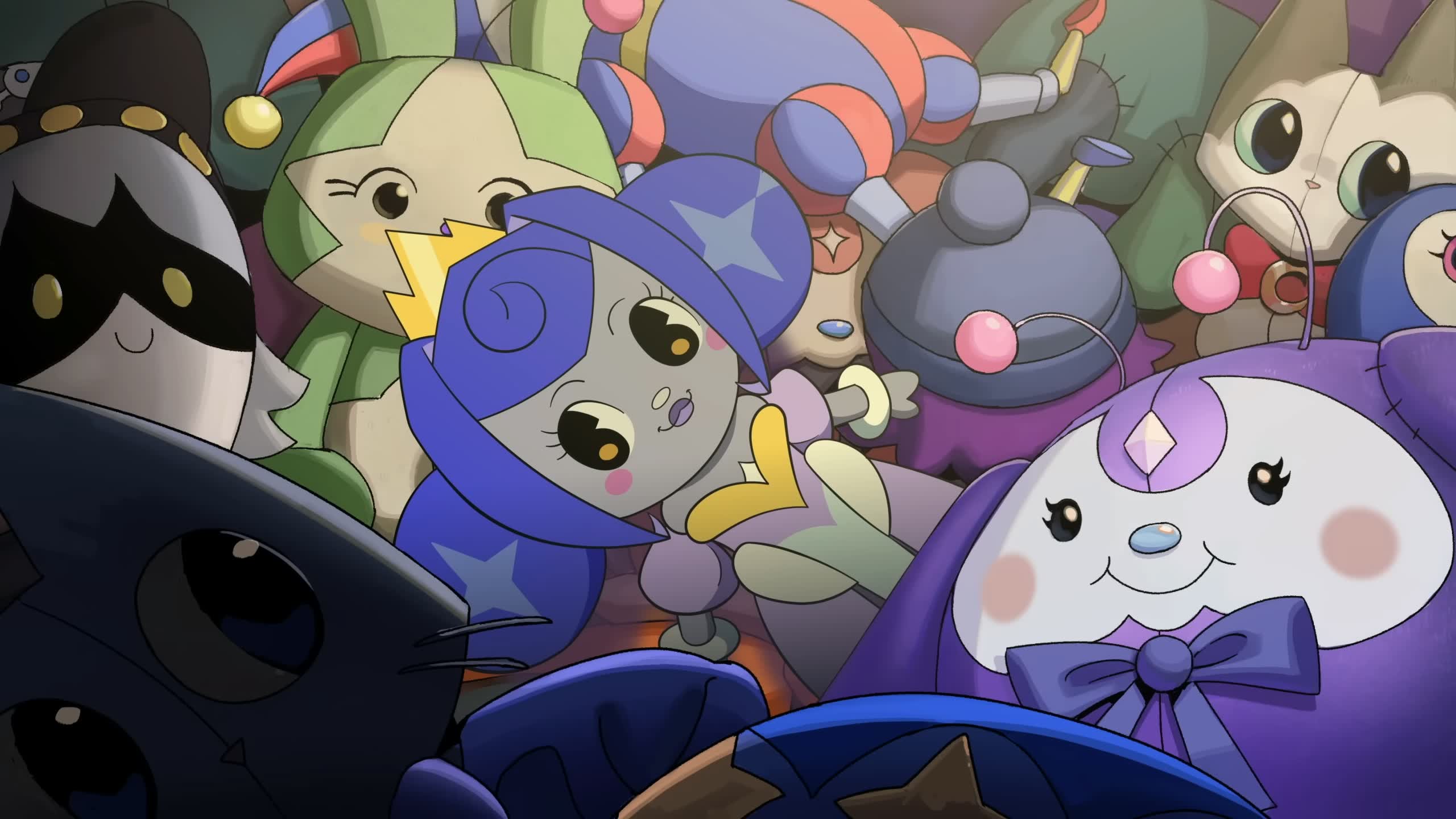
Arc 1 – Dream guardians in the teaser. Start: A tranquil fairytale tableau introduces a sleeping figure in a forest as rounded critters gather and watch. Then: A rabbit-like Pup hushes the group “because she’s dreaming,” which instantly defines their function as caretakers rather than comic relief. The scene hard-cuts to sterile machinery and shivering android flesh, collapsing the comfort the creatures promised. As a result: the Pups become signposts for the show’s split reality; their presence primes us for sweetness the story will interrogate or break, and their absence often precedes a descent into body horror, industrial pressure, or surveillance.
Arc 2 – Transmedia breadcrumbs expand their footprint. Start: Early viewers document a scannable reveal that routes to in-universe pages drenched in picnic blankets, fairytale captions, and princess motifs. Then: Those pages echo the same roundness and hush that define the critters on screen, effectively staging the Pups as mascots inside a corporate myth about wonder and safety in the clouds. As a result: the creatures graduate from cameo to emblem. Even when they are not physically present, their shapes and soft star markers haunt the marketing grammar around Guinevere, reinforcing how corporate fantasy colonizes perception.
Arc 3 – The pilot’s “fantasy reboot.” Start: After a dangerous sequence that drags the princess’s shell through labs and salvage, the episode closes by snapping back toward her idealized world. Then: The tonal reset recalls the teaser’s forest hush without necessarily reproducing its exact creature choreography, allowing viewers to connect the sensibility rather than a checklist of props. As a result: the Pups’ function persists even offscreen: they mark the threshold of a curated idyll, a place the series uses to interrogate both corporate branding and personal self-deception. Spoiler: The “reboot” language underscores how fragile and manufactured that dream state is, turning the critters into caretakers for a loop the narrative may not let her escape.
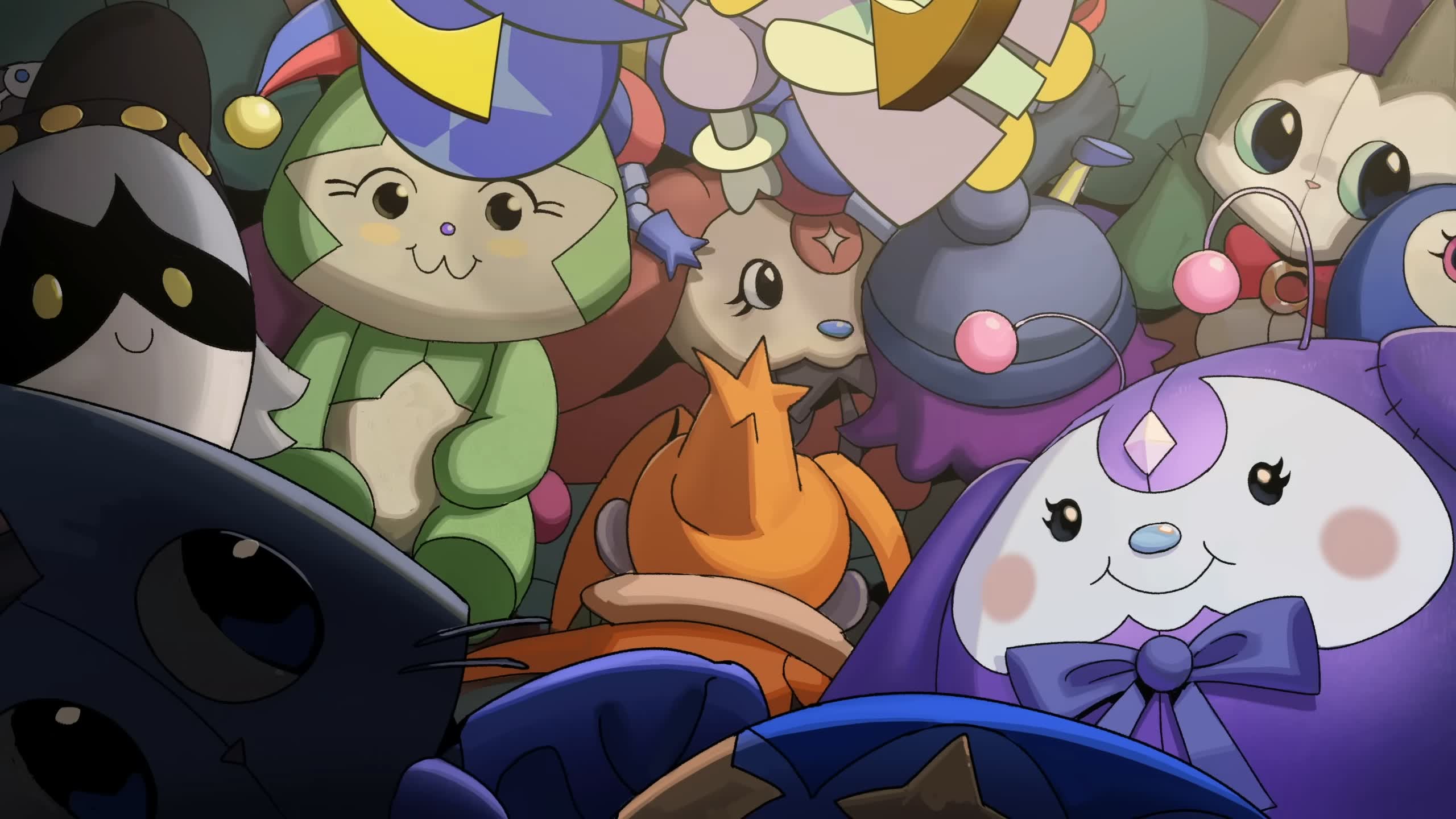
Arc 4 – Symbolic pressure against the undercity plot. Start: Andi and Frankie grind through an economy of scrap, repairs, and risk that rarely affords softness. Then: Whenever the story veers back into princess-coded motifs, the rounded critters shadow that move and highlight the distance between dream and labor. As a result: the Pups become a measuring stick for class and access. They are not antagonists, but their very existence implies a buffer of safety the undercity cannot claim; in that way, the cutest figures in the show end up indicting the prettiest lies.
Relationships with other characters – Star Pups
| Character / Entity | Role vs. Star Pups | Dynamic |
|---|---|---|
| Guinevere | Dream-space patron | They cluster around her and hush one another so she can “keep dreaming,” aligning themselves with the princess persona and her inner sanctuary. |
| Andi | Indirect observer | Her story roots in engineering and survival; therefore, any contact with the Pups occurs via Guinevere’s fantasy lens rather than hands-on interaction. |
| Frankie | Rescue vector | Frankie’s push to repair and move the princess’s shell places her adjacent to the dream narrative the creatures protect, but not inside it. |
| Orville Park | Brand architect | As the public face of the park’s cheerful veneer, Orville’s vision makes room for mascot-like companions whose softness sells safety. |
| Olivia Park | Intended audience | The princess-and-critters aesthetic reads like a corporate love letter pitched at Olivia; over time, the sweetness becomes part of the show’s irony. |
| Park Planet | In-universe platform | Transmedia pages mirror the same storybook grammar, making the brand world the creatures’ natural habitat and extending their reach beyond episodes. |
Appearance, symbols, and recurring motifs – Star Pups
Visually, the Star Pups embody a language of roundness and restraint: minimal lines, pale faces, over-scaled eyes, and star shapes that echo across cheeks, ears, or silhouettes. However, the palette leans toward pastels and toyetic warmth, which reads as endearing and safe in a universe otherwise dominated by armored drones, sparking cables, and pressurized doors. Therefore, the creatures double as mood lighting, bathing scenes in reassurance whenever they appear. Next, their signature behavior–a gentle hush–codes them as caretakers of sleep and story, the custodians of a myth that asks to be preserved unbroken. In addition, the show repeats picnic blankets, lyrical captions, and soft mascot galleries in adjacent media; those motifs function like breadcrumbs back to the princess’s curated idyll. Consequently, when the camera returns to forest glens or brand-friendly vignettes, viewers can infer that the narrative has stepped out of rust and into reverie, with the Pups acting as quiet border guards.
Fandom and alternative names – Star Pups
- Star Pups – common English usage.
- star pups – lower-case fan shorthand.
- Cosmo Critters – Russian-language localization (Космо-зверушки).
- forest creatures – descriptive label in early recaps.
- the pups – clipped shorthand when context is clear.
- dream guardians – descriptive nickname used in meta discussions.
- storybook pets – informal tag for their toy-like design.
Interesting details and quotes – Star Pups
- Their first public glimpse comes in a teaser that sets the show’s visual grammar: fairytale calm followed by clinical menace.
- The hush line–“Shh, she’s dreaming”–is the creatures’ defining behavioral beat and frames them as caretakers rather than chatterboxes.
- Transmedia elements echo their shapes and palette, turning the Pups into soft-power branding for Guinevere’s curated world.
- Their toy-adjacent silhouettes are intentionally “merch-legible,” which the series uses to critique the marketable side of wonder.
- They seldom appear in the undercity; that absence highlights the show’s class contrast between fantasy and survival labor.
- The creatures’ star motifs recur in cheeks, badges, or ears, acting as visual breadcrumbs across scenes and promotional art.
- Because they mostly inhabit fairytale frames, some viewers debate whether they “exist” physically or only in the princess’s subjective space.
Shh–she’s sleeping!
– the rabbit-like Pup’s whisper that established their role in a single line.- Their presence often foreshadows a tonal pivot: if the Pups are near, a cut to clinical tech may be imminent.
- Even without dialogue, the creatures function as emotional UI–instant feedback that the scene is safe, curated, or childlike.