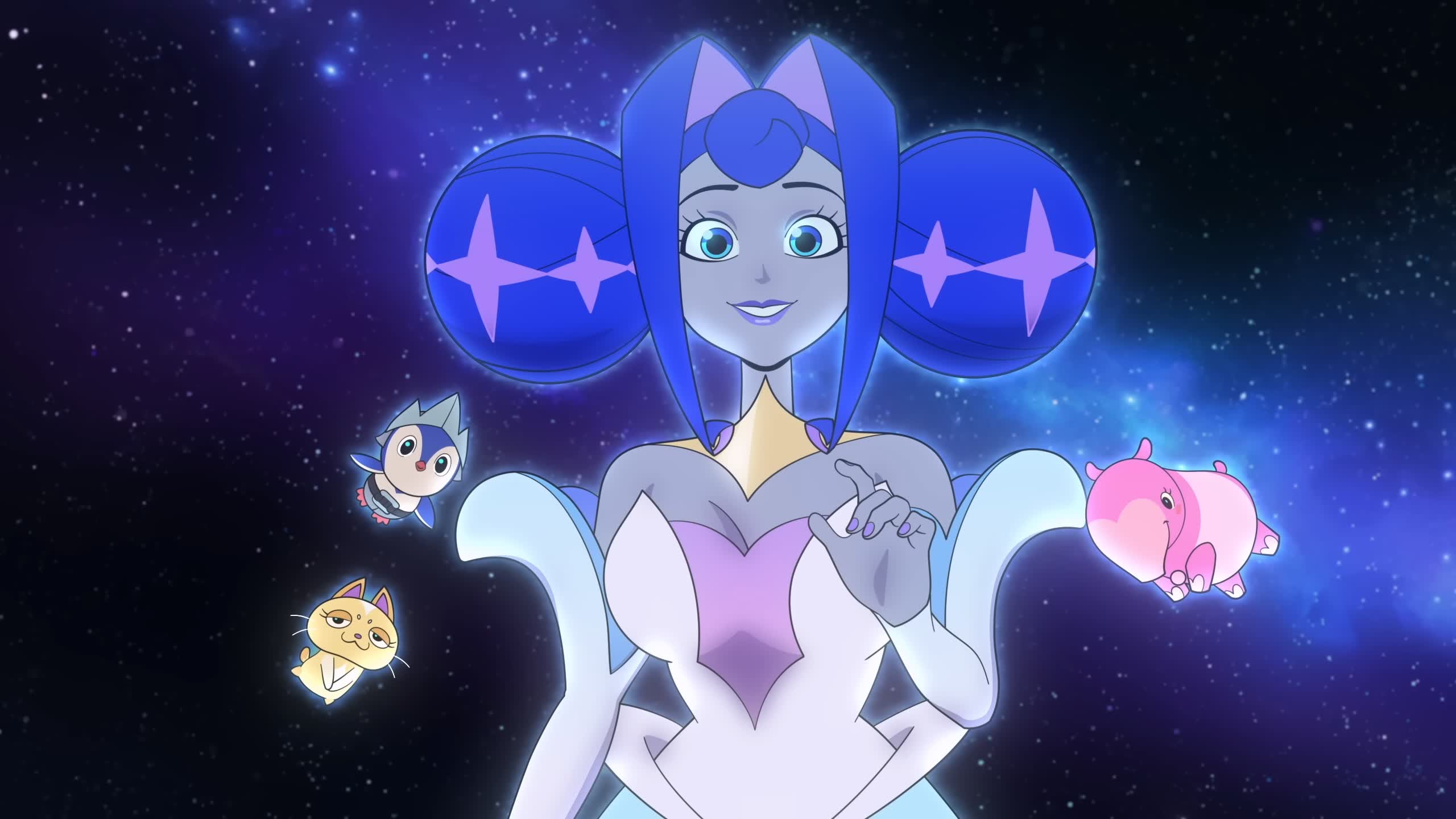
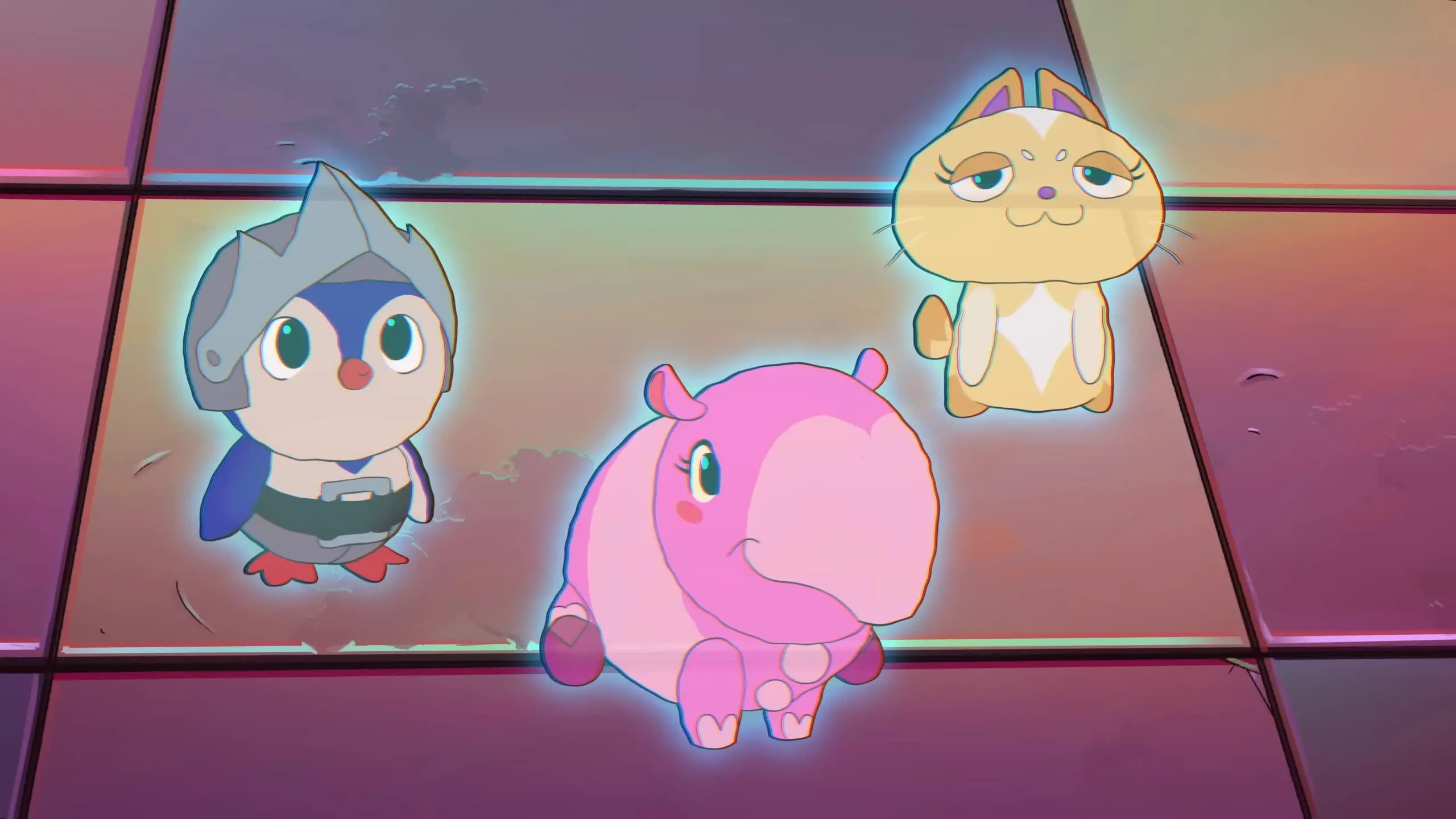
Space Penguin is a minor yet unmistakable supporting character in Knights of Guinevere. However, this compact, toy-adjacent bird isn’t here just for mascot giggles–the design sits at the junction of fairytale charm and industrial unease that defines the show’s tone. Therefore, whenever the penguin waddles into frame in its stubby helmet and belt, it signals that the narrative is tilting toward the branded, child-safe side of the story even as harsher systems lurk outside the shot. In addition, Space Penguin belongs to a trio with a cat and a tapir, and together they function as a pocket chorus that reflects the princess myth back at the audience. Consequently, the character’s value is more symbolic than plot-heavy: the bird helps viewers decode when the series is speaking in corporate fairytale grammar and when it is about to puncture that language with cables, clamps, and cold fluorescents–an interpretive lighthouse more than a quest-giver, as outlined in the provided brief.
Origin and first appearance of Space Penguin
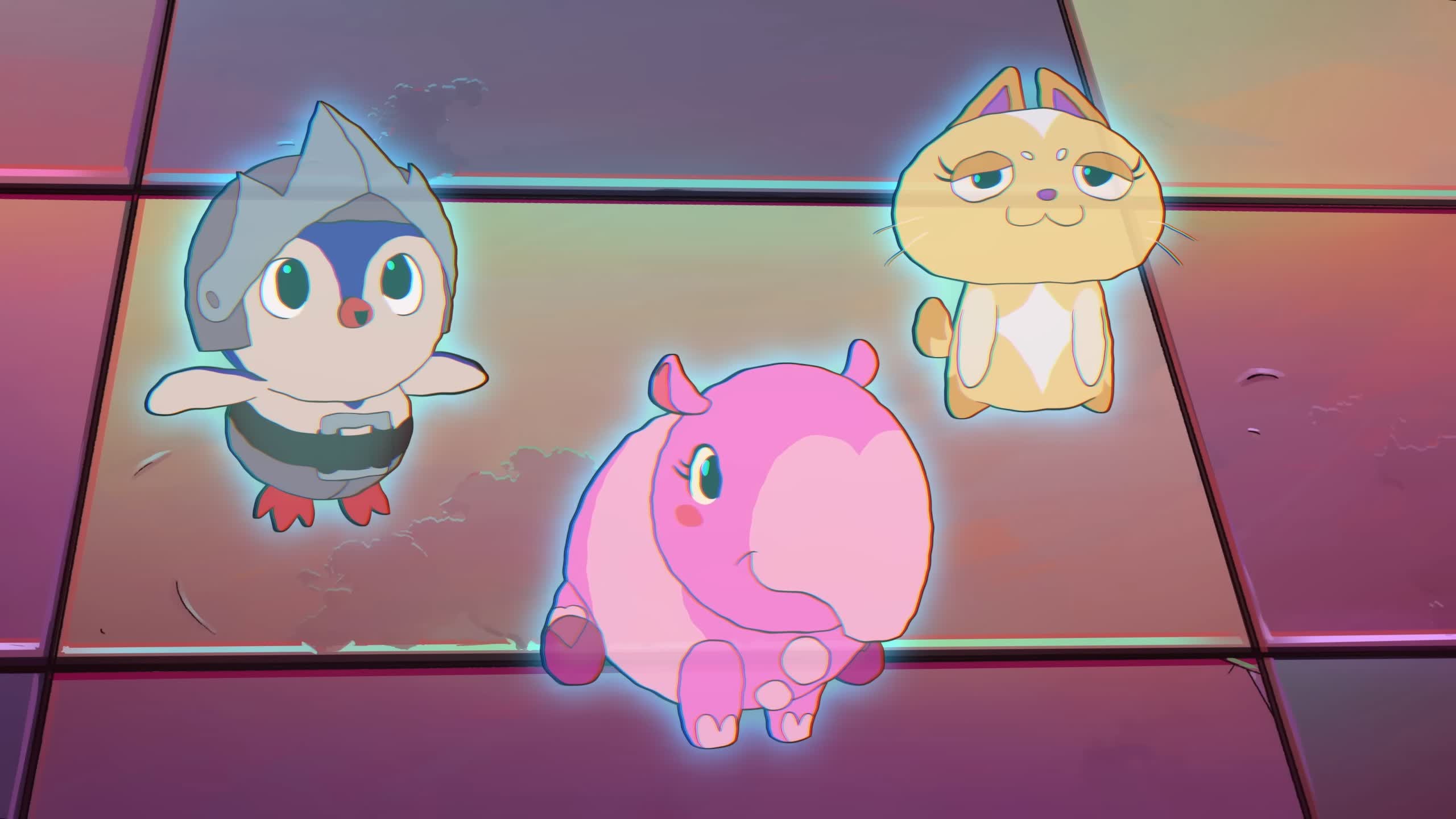
However, Space Penguin’s on-screen origin is straightforward: the character first shows up around the pilot era, when the series introduces a world that can pivot from lyric, merch-readable imagery to clinical dread in a heartbeat. Then the camera gives us a penguin that looks built for a plush shelf–dark blue and white body, orange beak and feet–yet it wears a miniature knight’s helmet and a simple belt like a parody of chivalry refitted for a toy line. Next, that juxtaposition tells you exactly how Knights of Guinevere plans to operate: innocence and wonder are brand assets, but they live next to meat-and-metal realities the show refuses to hide. As a result, the first appearance doesn’t merely name a character; it defines a lane. The penguin and its Space Trio partners arrive as a kind of tonal switch, a visual macro that drops the viewer into the curated “princess” register without a word of exposition. In addition, their early placements–thumbnails, key art, and blink-and-you’ll-miss-it beats–treat the trio like living decals that can be peeled off the screen and sold, which the show uses as a sly critique. Consequently, Space Penguin’s debut compresses the series’ thesis into a single figure: an object that’s cute by design and meaningful by contrast.
Space Penguin: personality and key traits
- Mascot bravery. The penguin moves with a sturdy, head-forward confidence, as if a pint-sized knight whose courage is played for warmth rather than swagger. As a result, even small actions–standing sentry, peeking from behind a boot–scan as protective.
- Loyal companion energy. The bird tends to appear with the Space Trio, echoing loyalty to the princess ideal and to whichever protagonist is clutching the branded dream in that moment. Consequently, it feels less like a standalone agent and more like a team player that reinforces group identity.
- Toy-logic reactions. Movements snap from pose to pose, and expressions are minimal; however, this restraint reads intentional, as if the character obeys the physical rules of a figurine. Therefore, tiny head tilts and simple stares carry surprising weight.
- Comic deadpan. Even in chaos, the penguin’s flat gaze can land as a punch line. Next, that deadpan helps the show vent pressure without breaking tone, offering a breath before the story dives back into grit.
- Ambiguous “aliveness.” Fans often debate whether the Space Trio are living beings or just beloved toys that film grammar treats as alive for a beat. As a result, Space Penguin doubles as a question mark: what counts as real in a world where branding dreams for you?
Space Penguin: story arcs and development
Arc 1 – The mascot as tone-setter (Start → Then → As a result). Start: Early sequences place the penguin inside fairytale-coded frames–soft light, rounded shapes, and a sense of safety that feels packaged. Then the camera cuts to sterile corridors or the rumble of heavy machinery, using the penguin’s softness as a springboard for shock. As a result, Space Penguin becomes a mechanical lever: pull to evoke comfort; release to reveal the cost that comfort hides.
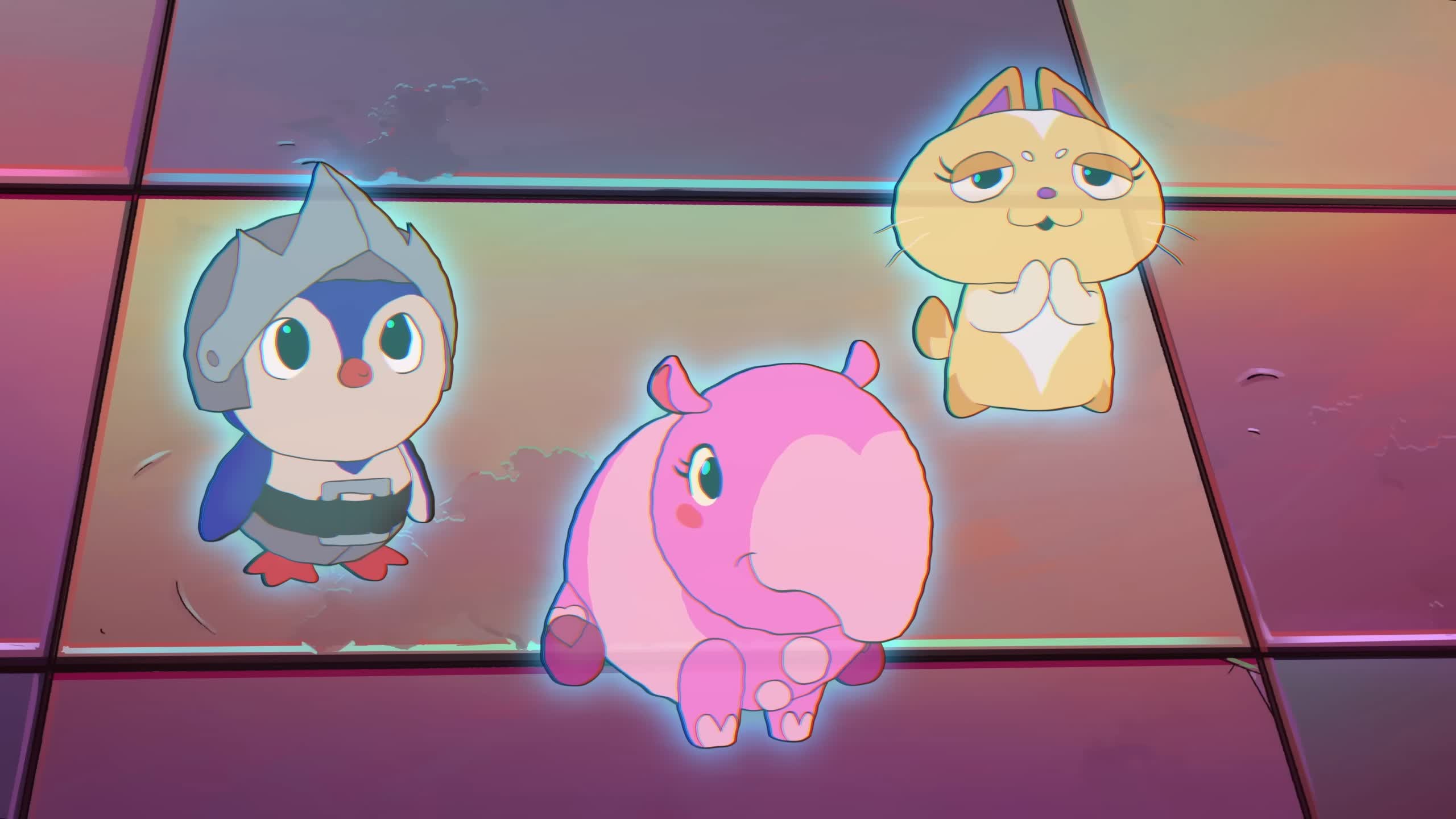
Arc 2 – The Space Trio and the promise of companionship. Start: The penguin appears alongside Space Cat and Space Tapir as a ready-made friend group, the kind of trio that fits perfectly on a bag, a shelf, or a character’s belt clip. Then the story threads them through a protagonist’s day as an emotional prop–something to squeeze, glance at, or joke with when fear threatens to win. As a result, Space Penguin’s “arc” isn’t growth so much as proof of function: the bird absorbs and reflects affection, stabilizing characters who need gentleness to survive the next scene.
Arc 3 – The brand bleeds into life. Start: As Park Planet’s smiling mythology bleeds into everyday survival, the penguin’s presence in marketing, thumbnails, and props starts to feel omnipresent. Then the difference between a friend you carry and an image that carries you gets slippery, especially when the dream of princess-safety pulls people into risky choices. As a result, Space Penguin reads like a benevolent ghost of the brand–comforting, yes, but also a reminder of how deeply the fairytale infiltrates decisions.
Arc 4 – Ambiguity as character engine. Start: The show rarely tells you–in a literal, canonical way–what the Space Trio “are.” Then the camera keeps treating them as alive just long enough for viewers to invest, only to drop them back into the background like set dressing. As a result, Space Penguin’s development is deliberately paradoxical: the less confirmed lore it gets, the more interpretive energy it collects, which keeps the character useful across tones and episodes.
Space Penguin: relationships with other characters
| Character / Entity | Role vs. Space Penguin | Dynamic |
|---|---|---|
| Frankie | Keeper / everyday ally | The penguin often reads as part of Frankie’s personal kit; therefore, its presence tracks when she reaches for comfort or control in a world that rarely offers either. |
| Andi | Indirect protector | As a fixer and engineer, Andi operates where the dream meets hardware; consequently, the penguin’s softness highlights the stakes of Andi’s risk-heavy choices. |
| Space Cat | Trio partner | Together they build a call-and-response rhythm–cat’s sly calm to penguin’s sturdy deadpan–that sells the group as a portable support system. |
| Space Tapir | Trio partner | The tapir’s gentleness rounds out the trio; therefore, scenes that feature both read warmer, pushing against the show’s clinical edges. |
| Guinevere | Distant ideal | The penguin reflects loyalty to the princess myth more than to the person; as a result, any proximity to her underscores the tension between curated gentleness and lived danger. |
| Park Planet | Brand home | The bird’s look and name mesh with the park’s storybook voice; consequently, it functions as both in-world friend and out-of-world logo. |
Space Penguin: appearance, symbols, and recurring motifs
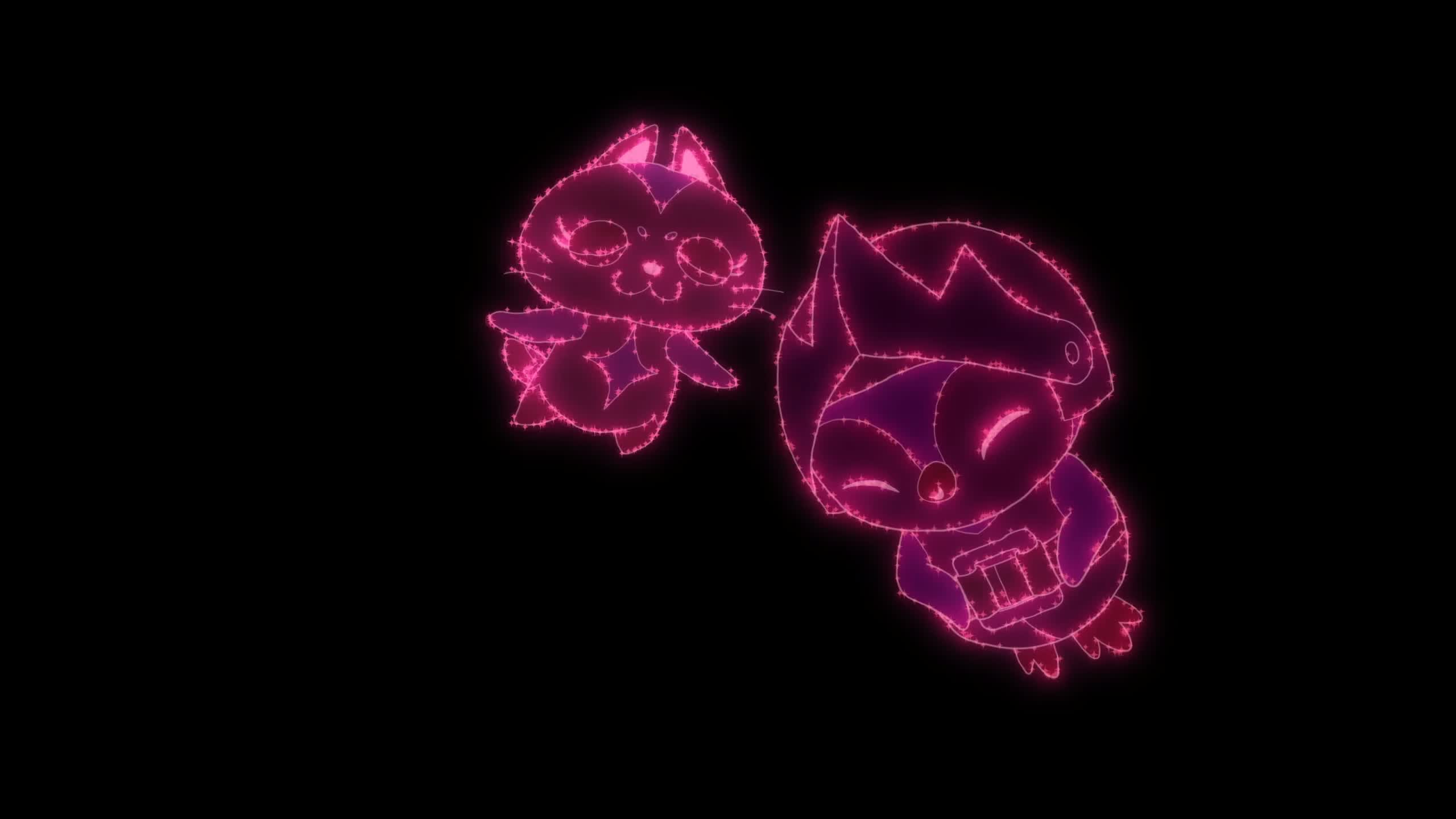
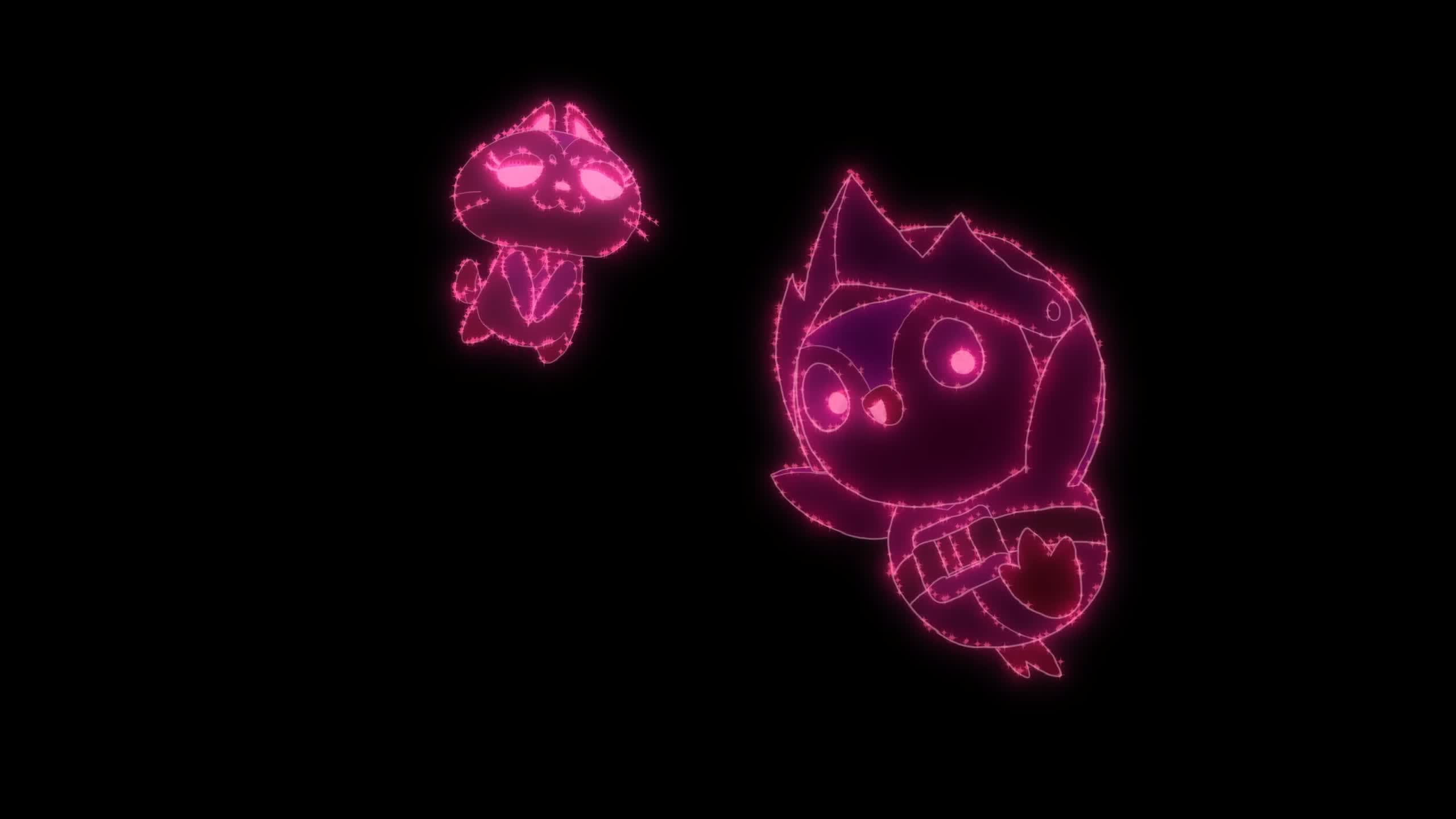
Meanwhile, Space Penguin’s design makes its job obvious at a glance. Visually, the character combines a compact, dark-blue-and-white body with a bright orange beak and feet, then adds a simple knight’s helmet and a plain belt to wink at chivalric fantasy. Therefore, the silhouette is clean enough to read at thumbnail size and sturdy enough to survive quick cuts between dream and machine. In addition, the penguin’s movements favor short, readable beats–tilt, hold, waddle–so the bird can land comic punctuation without talking over tense dialogue. Next, the color blocking keeps the face legible under moody lighting, and the helmet sells the “mini-knight” joke without clutter. As a result, the figure doubles as a portable emblem: it can sit in a pocket, on a desk, or on a poster and still carry the same promise–friendship, safety, and the hope that the fairytale is real long enough to get you through the next scene.
Space Penguin: fandom and alternative names
- Space Penguin – standard English name.
- SP – clipped initialism in captions and file names.
- the penguin – casual shorthand when the trio context is clear.
- Space Trio – Penguin – listing used in galleries and merch sets.
- mini knight penguin – descriptive nickname that references the helmet.
- penguin friend – informal tag in emoji-heavy posts.
- космо-пингвин – Russian-language shorthand seen in fan annotations.
Space Penguin: interesting details and quotes
- The character is part of a “Space Trio” with a cat and a tapir, a pattern that makes the set easy to merchandise and to read in-scene as an instant friend group.
- Early art drops and thumbnails showcased clean character “turns,” underscoring how the silhouette was built to be learned by hand and recognized at a glance.
- The penguin’s design reads androgynous, which fuels gentle fandom debates about gender without the show needing to settle the question in dialogue.
- The bird’s outfit–helmet, belt, and trousers–leans into a half-dressed cartoon tradition, selling humor without losing warmth.
- Pilot-era galleries file the penguin’s first appearance alongside the trio partners, reinforcing the idea that it’s best understood as part of a set.
- Official merch treats the trio as companions you can carry, echoing the way characters in-story lean on them for comfort.
- The character works as a pressure valve: one cutaway glance from the penguin can release tension just before a scene drops into mechanical dread.
Be just like Frankie.
– a tagline fragment that captures how the trio are framed as portable companions for both viewers and characters.The Space Trio.
– a short handle that turns three small figures into one recognizable idea.