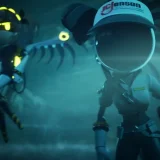
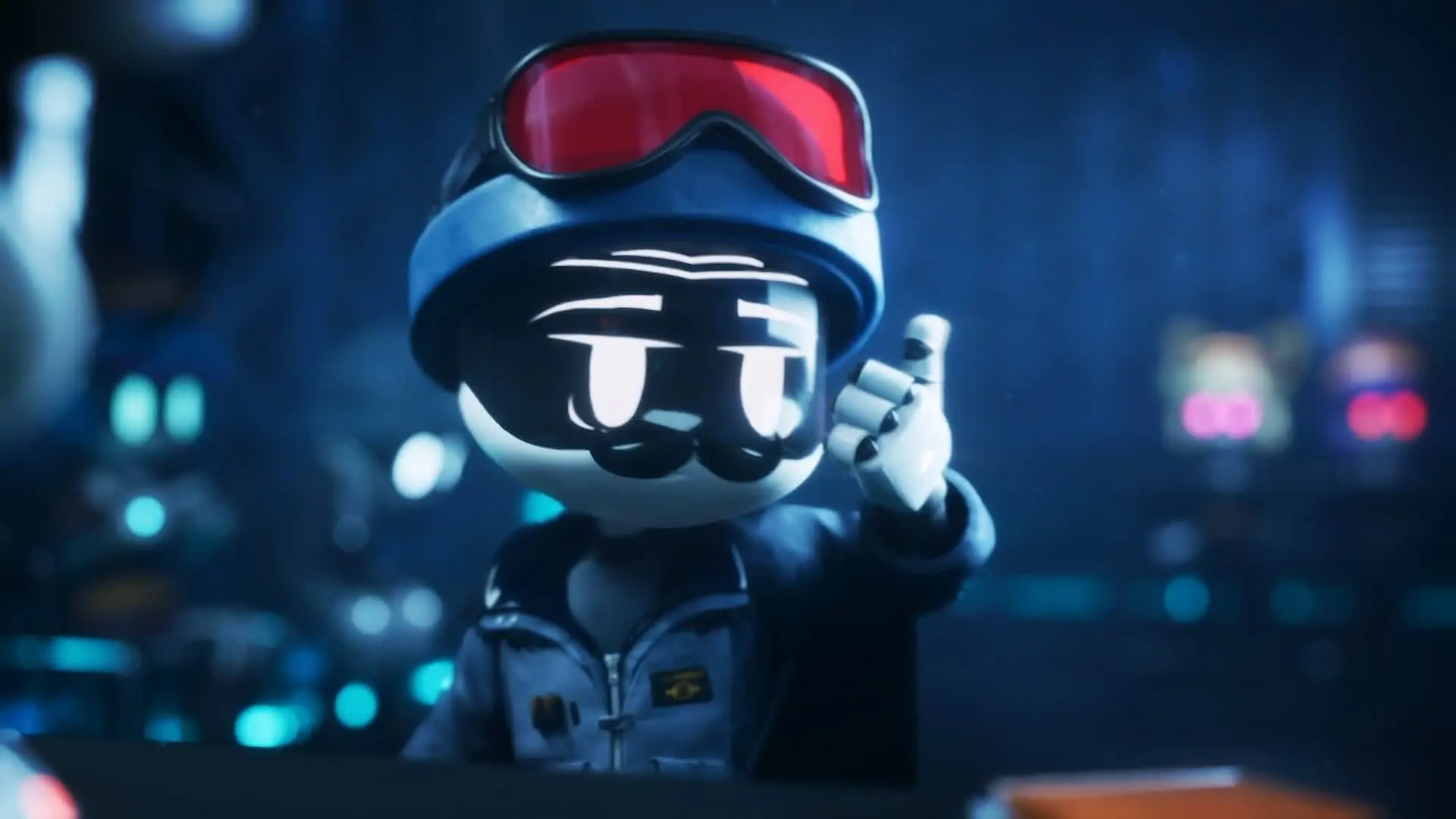
Khan Doorman is the anxious “door guy” of Murder Drones – the character fans usually mean when they search for khan murder drones or murder drones khan. He is Uzi Doorman’s father, Nori Doorman’s husband, a Worker Drone engineer, and the builder of the colony’s massive blast doors under Copper-9’s ice.
At first, Khan treats doors like the answer to every problem: close the hatch, praise the mechanism, pretend the danger is handled. The series keeps testing that belief. His arc is not about becoming fearless; it is about learning that safety without trust can still wound the people he wants to protect.
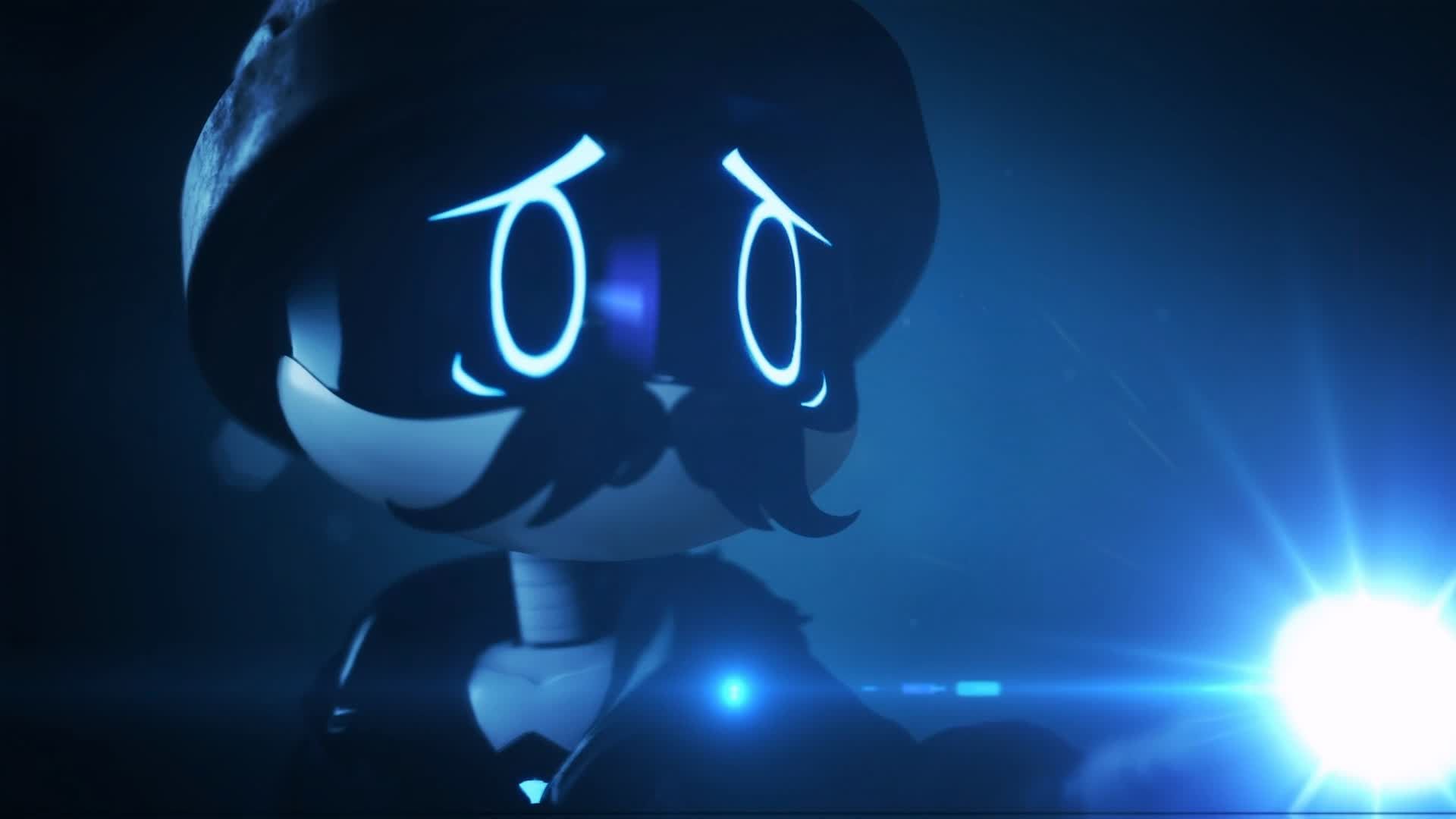
Khan Murder Drones Quick Facts
- Full name: Khan Doorman
- Series: Murder Drones
- Species: Worker Drone
- Role: Engineer, blast-door specialist, and Worker Defense Force figure
- Family: Father of Uzi Doorman; husband of Nori Doorman
- Status: Alive by the end of Season 1
- First appearance: Episode 1 – Pilot
- Last appearance: Episode 8 – Absolute End
- English voice actor: David J. Dixon
- Related roster: Murder Drones characters
Physical Appearance
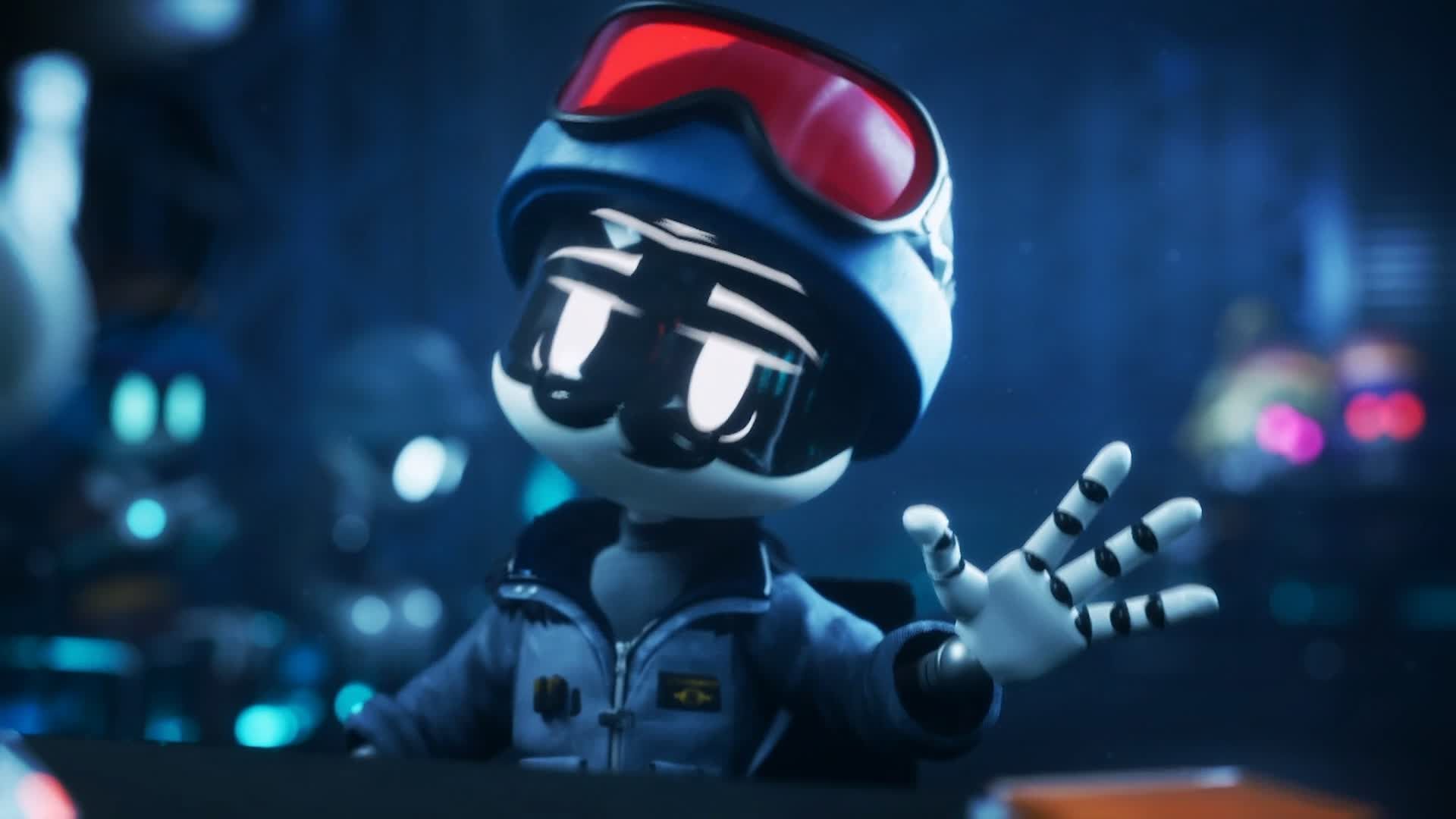
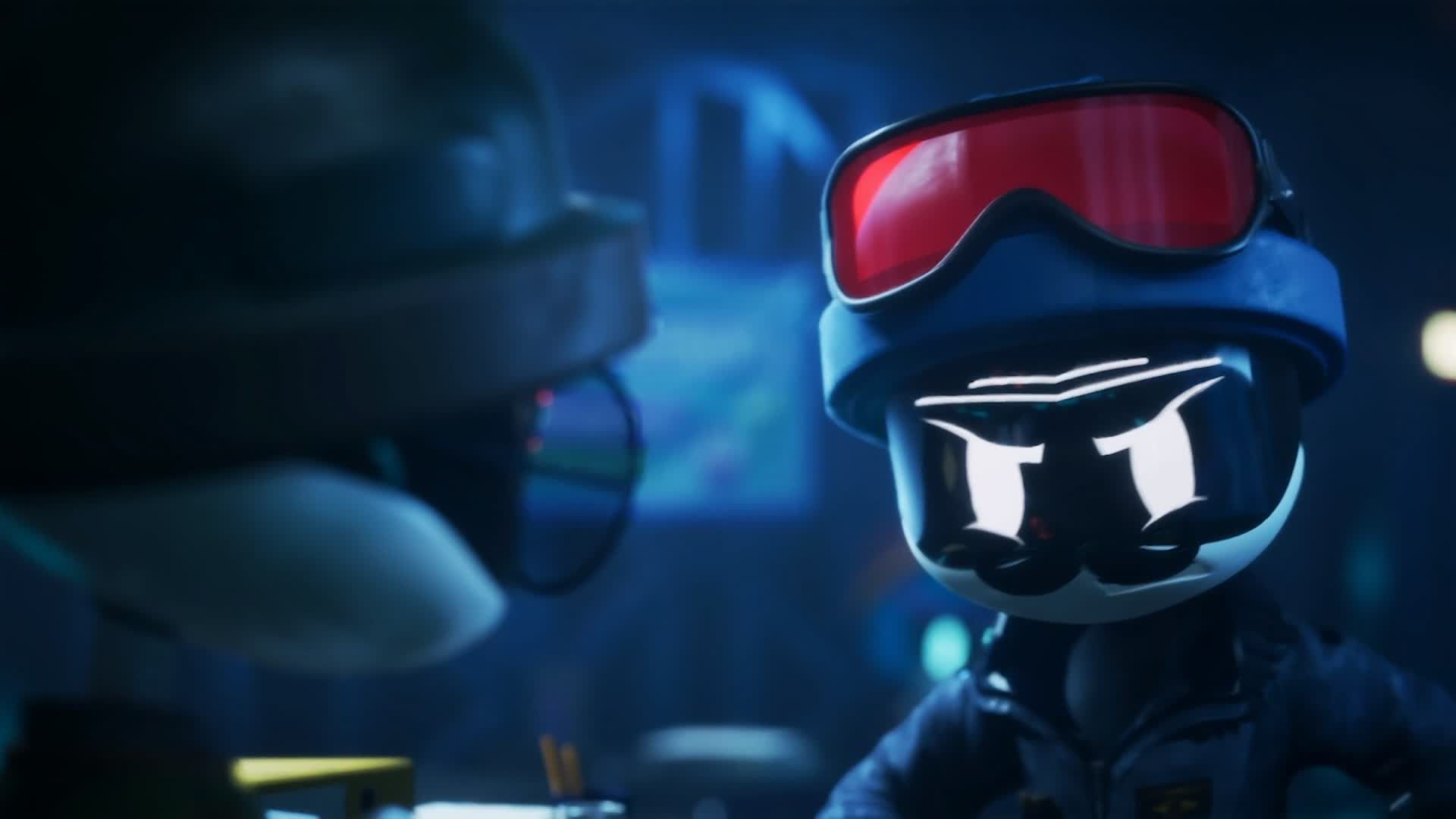
Khan has the standard Worker Drone frame, but his design is instantly readable: white optics, a fake black mustache, a utility-heavy outfit, and the exhausted posture of someone who has made “door maintenance” his entire personality. He often looks like he is one alarm away from inventing a fourth door.
His door remote, helmet-and-goggles silhouette, and fussy body language make him stand out in crowd scenes. Khan does not need to be the loudest character in the room; he just needs to hover near a control panel with “frazzled dad energy.”
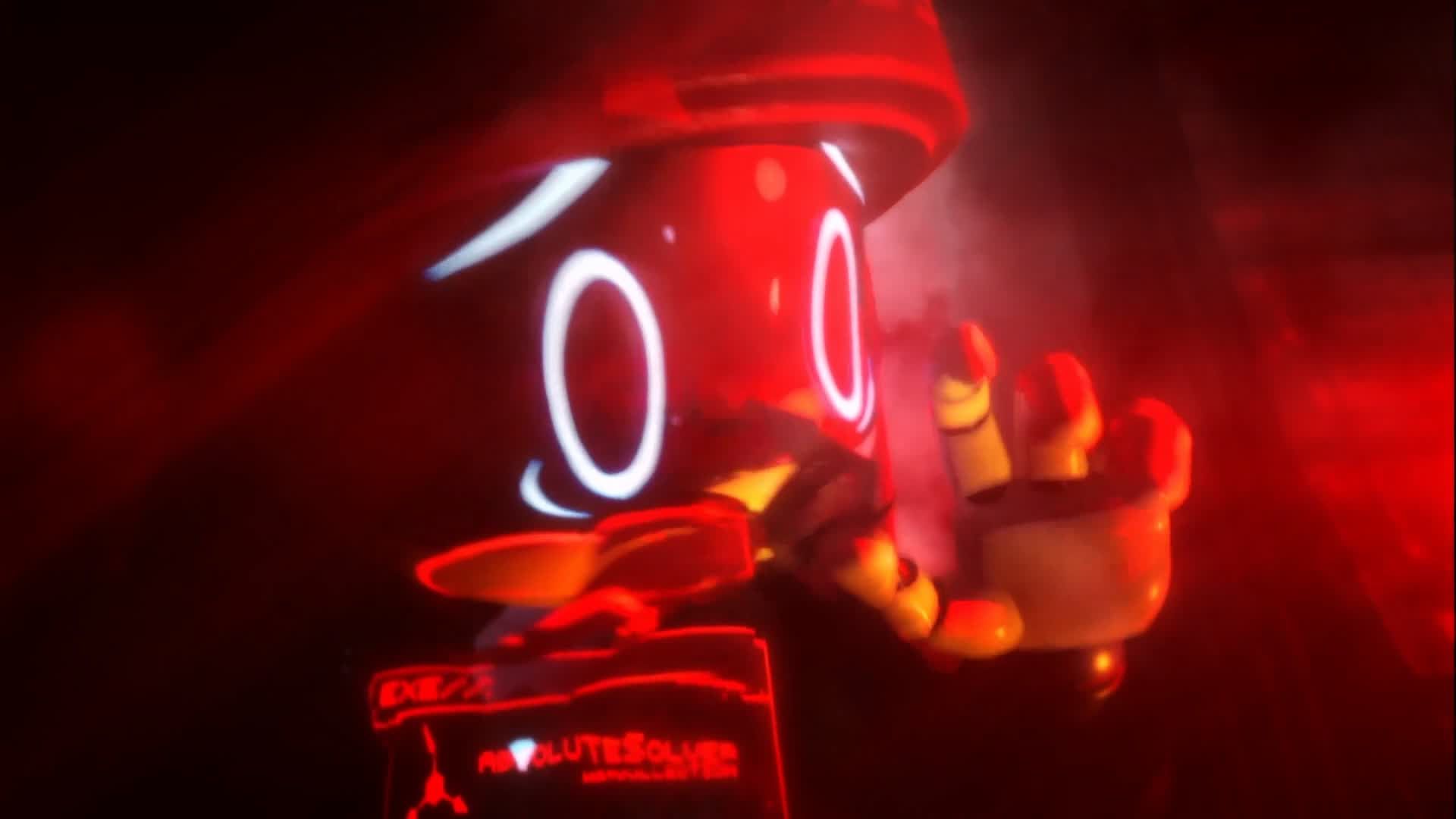
Personality: Fear, Jokes, and Door Logic
Khan is funny because he is genuinely terrified. He copes with trauma by praising doors, dodging hard talks with Uzi, and treating a sealed hatch as if it can solve grief, parenting, and apocalypse logistics at the same time.
That does not make him heartless. When Uzi is dismissed as “damaged,” Khan snaps into protective dad mode. When the colony is threatened, he panics – but he still tries to coordinate people who are often just as scared as he is. His problem is not a lack of love. It is that he keeps confusing love with control.
Biography
Before the Disassembly Drones became the colony’s nightmare, Khan helped keep the Worker Drone settlement functional and protected. After Nori was presumed lost following a nanite-acid incident, his grief hardened into engineering. Doors became his monument, his coping mechanism, and his excuse not to face what Uzi was becoming.
Uzi’s rebellion cracks that routine. She refuses bunker life, allies with Serial Designation N, and keeps dragging the family’s buried pain into the open. By the time the Absolute Solver and Cyn push the story into full end-times territory, Khan has to learn that protecting Uzi means trusting her choices, not only locking doors behind her.
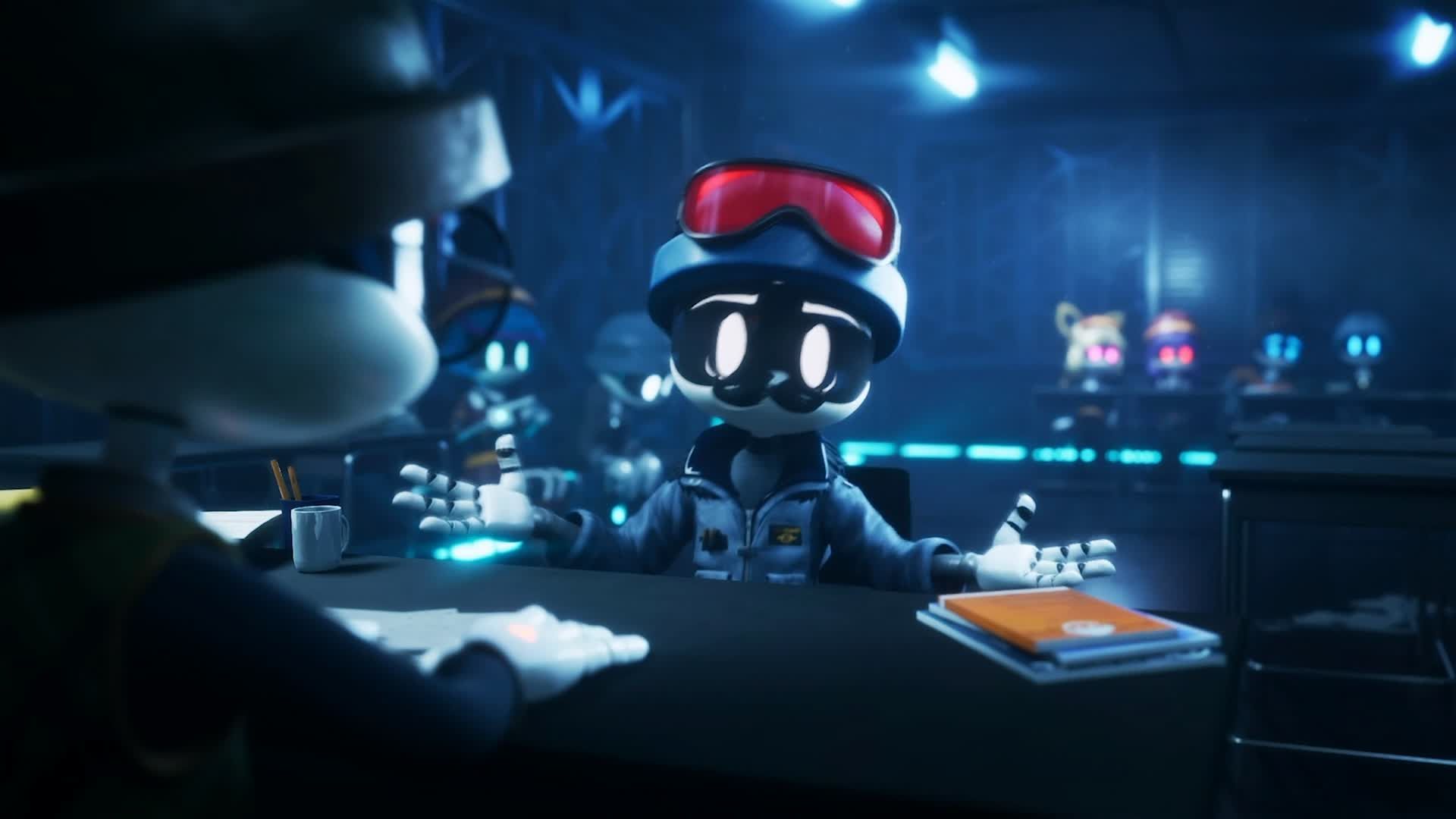
Episode 1: “Pilot”
Khan enters the story as the colony’s door evangelist. He gives Uzi his prototype wrench and tries to redirect her restless genius into “responsible” door culture. When the Disassembly Drones breach the colony, he freezes, clings to the safest option, and chooses the blast doors over immediate trust in his daughter.
That decision wounds Uzi deeply. She leaves with N, and Khan’s central conflict is set: he loves his kid, but his fear keeps making him act like survival matters more than belief.
“When you build doors so good… Good door. Gooooood door.”
Episode 2: “Heartbeat”
In Heartbeat, Khan is awkward, defensive, and clearly out of touch with Uzi’s social reality. Still, when someone implies she is “damaged,” he reacts with immediate anger. It is clumsy, but it is also one of the earliest signs that his protectiveness can break through the panic.
“Call her damaged again, and I will install a door on your face!”
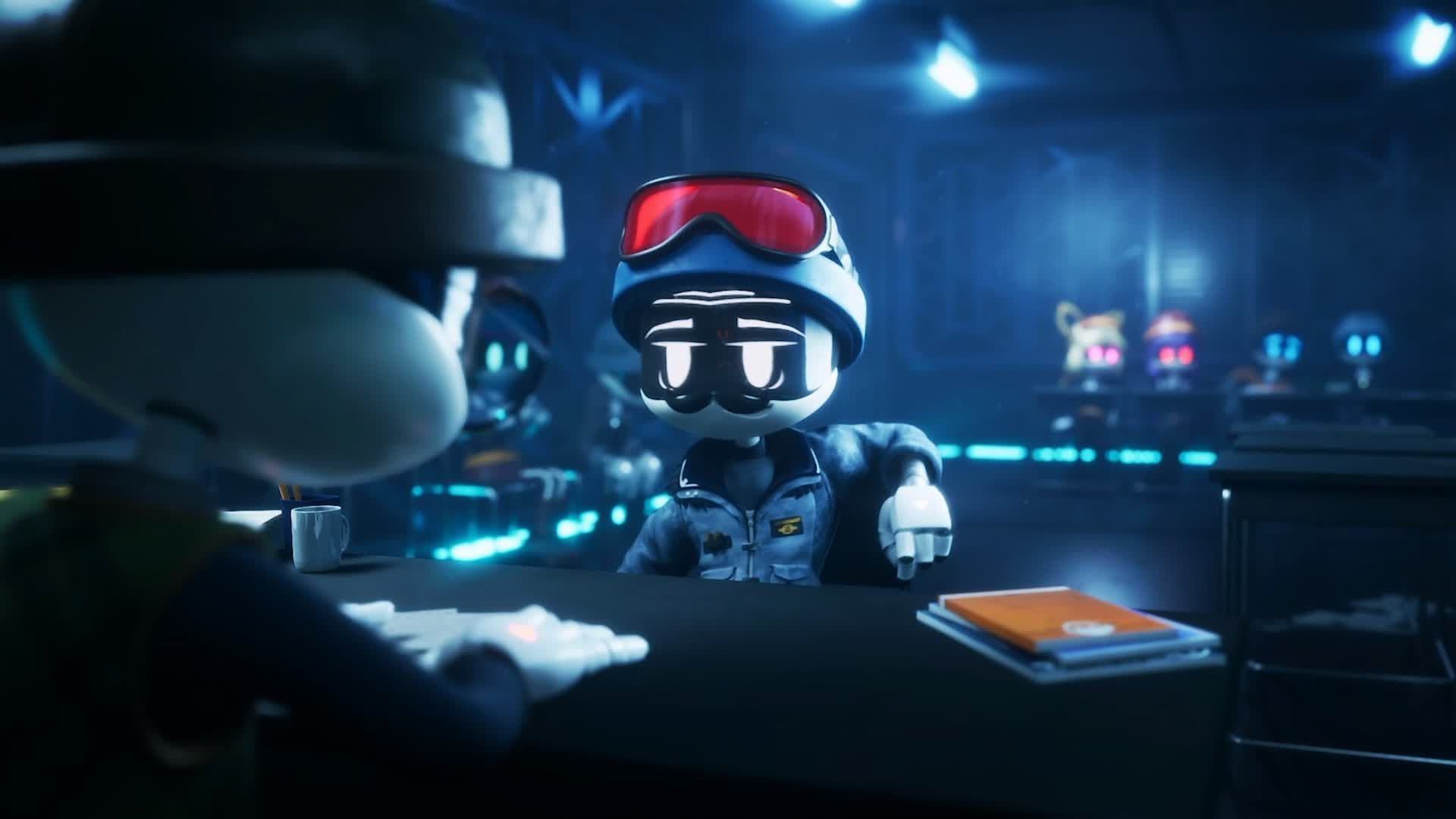
Episode 3: “The Promening”
In The Promening, Khan tries to manage Uzi’s life through control: grounding her, arranging a dress, and inserting himself into the prom-night situation. It is classic Khan. He wants to prevent disaster, but he keeps treating symptoms instead of asking why Uzi feels so alone.
The chaos around Doll, the Solver, and the school’s social cruelty shows how limited Khan’s “just keep things orderly” approach really is.
Episode 4: “Cabin Fever”
Cabin Fever gives Khan one of his most vulnerable turns. He reminisces about Nori and admits that after the core collapse he missed signs he should have noticed. The joke-heavy dad briefly drops the shield and becomes a grieving husband who knows he failed to be what Uzi and Nori needed.
“After the core collapse… I didn’t notice the collars. Only your mom being a catch.”
Episode 5: “Home”
Home focuses on memory, Earth, and the origins of the Disassembly Drones, but Khan still matters as the emotional pressure behind Uzi’s story. His absence from the central memory plot reinforces a key point: Uzi’s family trauma is not only cosmic lore. It is also a daughter wondering whether her dad will ever truly see her.
Episode 7: “Mass Destruction”
By Mass Destruction, Khan is no longer only the guy hiding behind doors. On the surface, he works with Thad and Lizzy as escape options collapse and the planet itself starts behaving like a monster.
He is still nervous. He is still ridiculous. But the show now lets his practical knowledge matter. His doomsday humor lands because he is finally trying to respond to danger instead of just sealing it outside.
“It’s the end times! If my wife’s closet is right, the planet’s gonna try to eat us soon.”
Episode 8: “Absolute End”
In Absolute End, Khan survives the finale and becomes part of the colony’s aftermath. While Uzi, N, Serial Designation V, and the others face the biggest threat, Khan’s quieter change is just as important: the doors are no longer his answer to everything.
That is the point of his arc. Khan does not stop being scared. He stops letting fear make every decision for him.
Skills and Occupation
- Structural engineering: Khan is best known as the architect of the colony’s blast-door defenses.
- Security systems: He handles remotes, access points, timing devices, and door mechanisms under pressure.
- Worker Defense Force coordination: The WDF often looks more like a terrified card club than a military unit, but Khan still functions as one of its key organizers.
- Improvised defense: Later episodes imply he can adapt beyond doors, including crisis work around Uzi-style railgun tactics.
- Community management: He is not always brave, but he understands the colony’s routines, fears, and weak points.
Relationships
- Uzi Doorman: Khan loves Uzi but often tries to protect her by controlling her. Their relationship improves when he starts recognizing that her anger is not just rebellion – it is a response to being unheard.
- Nori Doorman: Nori is the missing center of Khan’s emotional life. He believes he lost her, and that grief drives much of his door obsession. Later revelations make her legacy far bigger and stranger than he understood.
- Serial Designation N: Khan initially reads N as one of the monsters outside the door. Over time, N’s loyalty to Uzi forces Khan to accept that labels like “murder drone” do not always predict who will protect his daughter.
- Thad and Lizzy: They become part of the surface-side survival response when the colony’s usual hiding strategy breaks down.
- Serial Designation J: J represents the corporate threat Khan has feared for years – organized, armed, and willing to treat Worker Drones as disposable.
- Cyn / Absolute Solver: The real enemy behind the late-season apocalypse. Khan’s doors cannot solve this threat; only trust, cooperation, and Uzi’s agency can push back.
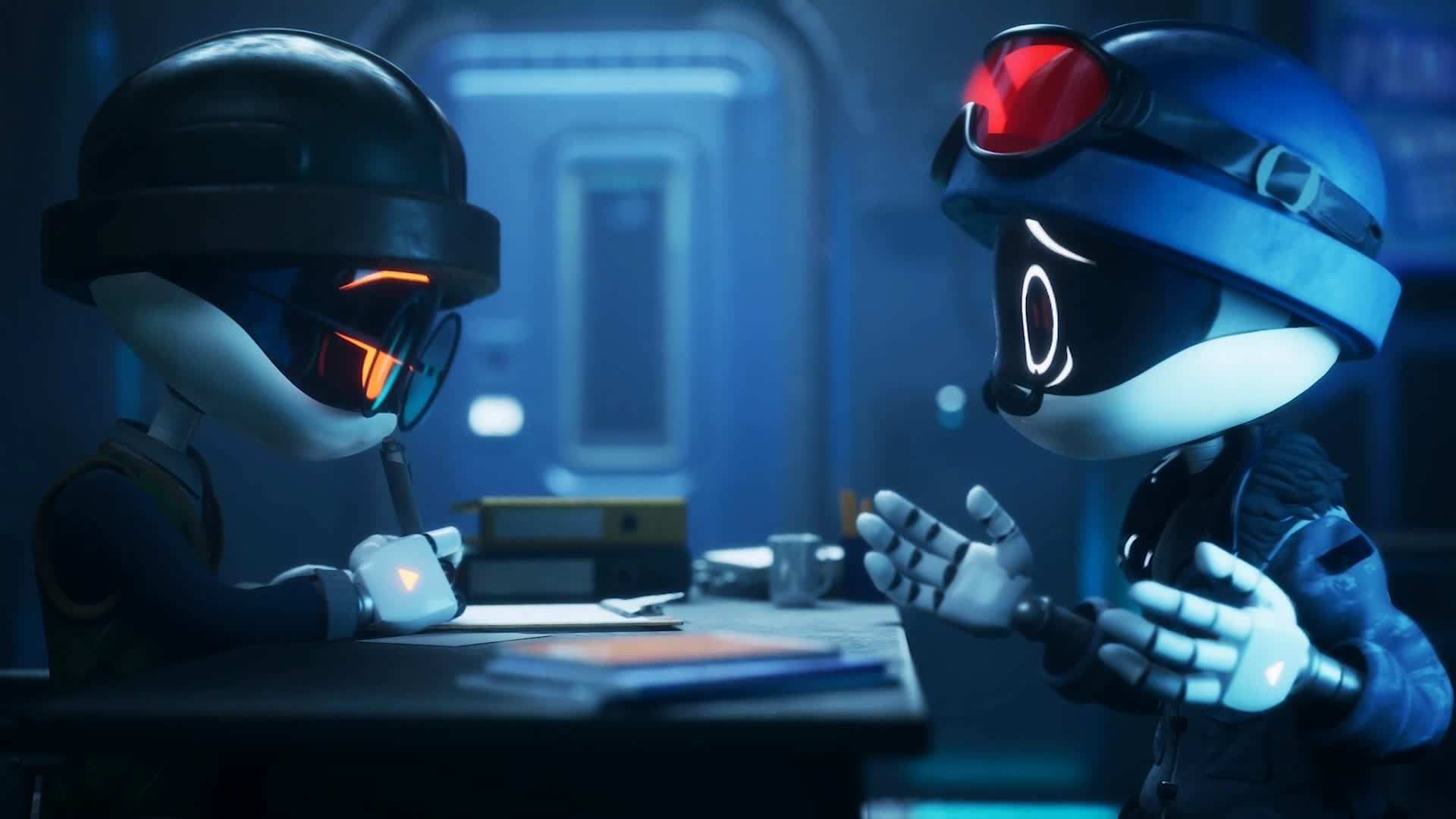
Family: Nori and Uzi
Nori is the grief Khan never properly processed. His fixation on doors reads like a memorial that became a lifestyle: build something strong enough, and maybe the next loss will not happen.
Uzi is his mirror and his challenge. She inherited Nori’s spark, Khan’s stubbornness, and a much heavier burden through the Solver plot. Their conflict is the domestic heartbeat of the show: safety versus agency, fear versus trust, parent versus child – with both of them scared they are already too late.
Allies and Enemies
Khan’s allies are the Worker Drone colony, the WDF, Thad, Lizzy, and eventually Uzi’s strange found-family circle. That circle includes N and V, even if Khan’s instincts take a while to catch up.
His enemies shift over time. Early on, he fears all Disassembly Drones. Later, the true threat becomes Cyn, the Absolute Solver, and any system that turns people into tools. On a character level, Khan’s biggest enemy is avoidance: the habit of hiding from emotional danger the same way the colony hides from physical danger.
Character Development and Themes
Khan’s story is about the limits of walls. Doors can buy time. They can protect a colony from immediate slaughter. They cannot raise a daughter, heal grief, or stop a cosmic parasite from rewriting reality.
That is why Khan works as more than comic relief. His “door guy” joke is funny, but it also exposes a survival strategy that has gone stale. He begins as a well-meaning coward who overcorrects with control. He ends as a father who is still afraid, but more willing to stand with Uzi instead of locking her away from the problem.
Quotes
These three lines capture Khan’s range: corny, protective, and apocalyptic.
“When you build doors so good… Good door. Gooooood door.”
“Call her damaged again, and I will install a door on your face!”
“It’s the end times! If my wife’s closet is right, the planet’s gonna try to eat us soon.”
Trivia
- Khan gives Uzi the wrench tied to his early prototypes and to the painful story of what he believed happened to Nori.
- His door obsession is both a running gag and a coping mechanism. When Khan stops joking about doors, the situation is usually very bad.
- The “door guy” label is funny because it is accurate, but it also explains his flaw: he keeps trying to turn emotional problems into engineering problems.
- His English voice actor is David J. Dixon, whose performance leans into Khan’s panic without losing the character’s affection for Uzi.
- Khan’s late-season growth is subtle but meaningful: he does not become a perfect hero; he becomes less willing to let fear make every choice for him.
FAQ
Who is Khan in Murder Drones?
Khan Doorman is Uzi Doorman’s father, Nori Doorman’s husband, and a Worker Drone engineer from the colony on Copper-9. He is best known for building and obsessing over the blast doors that protect the survivors.
Why do fans search for “murder drones khan”?
Most searches for “murder drones khan” point to Khan Doorman: the anxious WDF door specialist, comic-relief dad, and one of the main emotional anchors in Uzi’s family story.
Is Khan Doorman alive at the end?
Yes. Khan is alive by the end of Season 1 and appears in the finale-era aftermath of Absolute End.
What is Khan’s biggest flaw?
Khan’s biggest flaw is avoidance. He tries to solve fear with walls, rules, and door mechanisms, even when Uzi needs trust, honesty, and emotional presence more than another locked hatch.
Does Khan change?
Yes. His change is gradual: he remains nervous and goofy, but he becomes more willing to act, cooperate, and accept that Uzi cannot be protected by control alone.