The pilot kicks off on Copper 9, a dead exoplanet where humans nuked their own future and left robots holding the bag. Worker Drones built a fragile society under the ice, barricaded by hulking bunker doors and a culture of “don’t rock the boat.” That uneasy calm shatters when Disassembly units–grim company-sent cleanup–start treating the colony like a buffet. The opener is a speedy blend of worldbuilding, gallows humor, and survival stakes, teeing up a story about agency in a place designed to erase it.
“We are Worker Drones… for our interstellar parent company, JC Jensen, IN SPAAAAACEE….”
Watch online
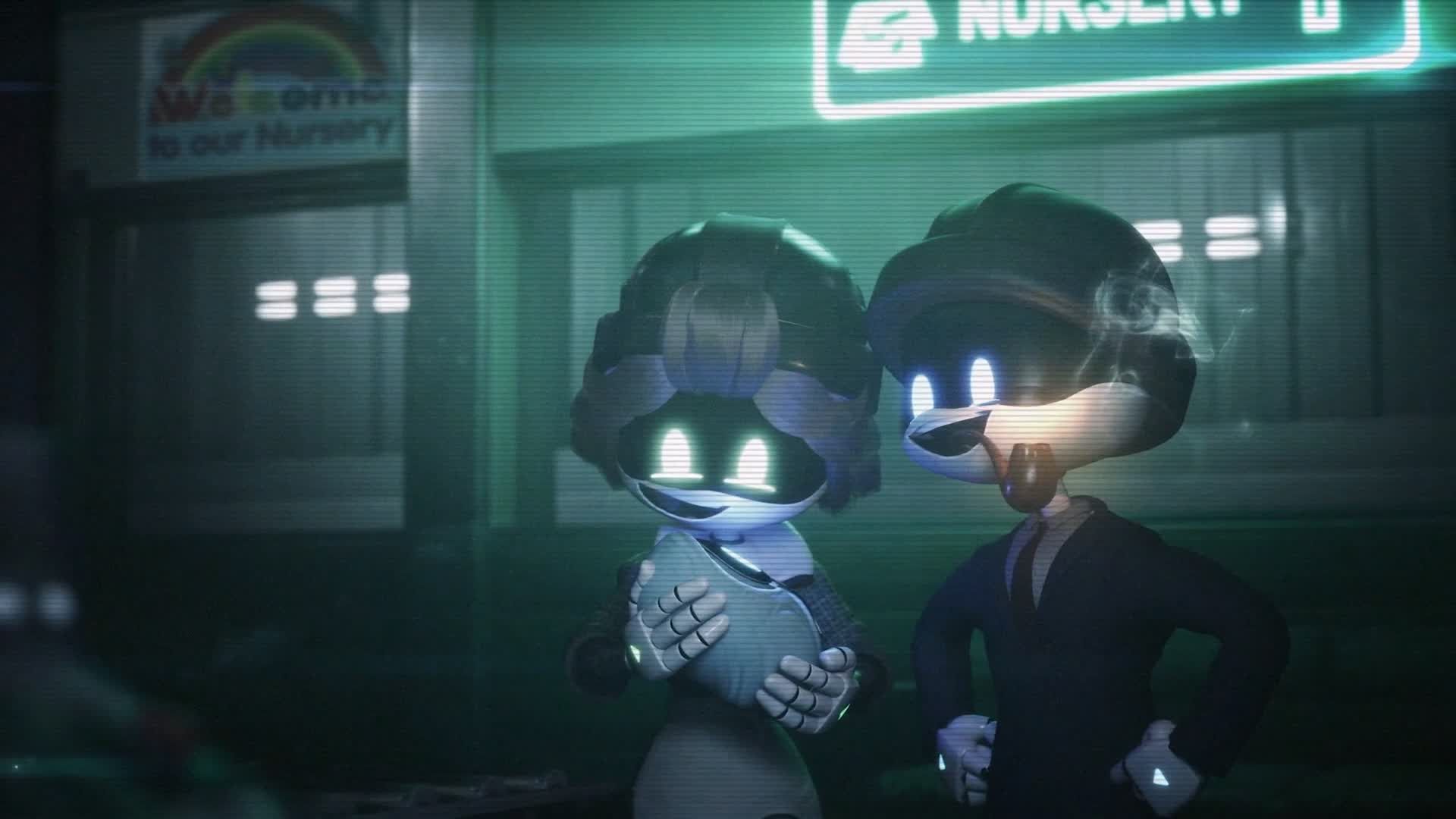
Plot Synopsis: Uzi’s Rebellion and N’s Arrival
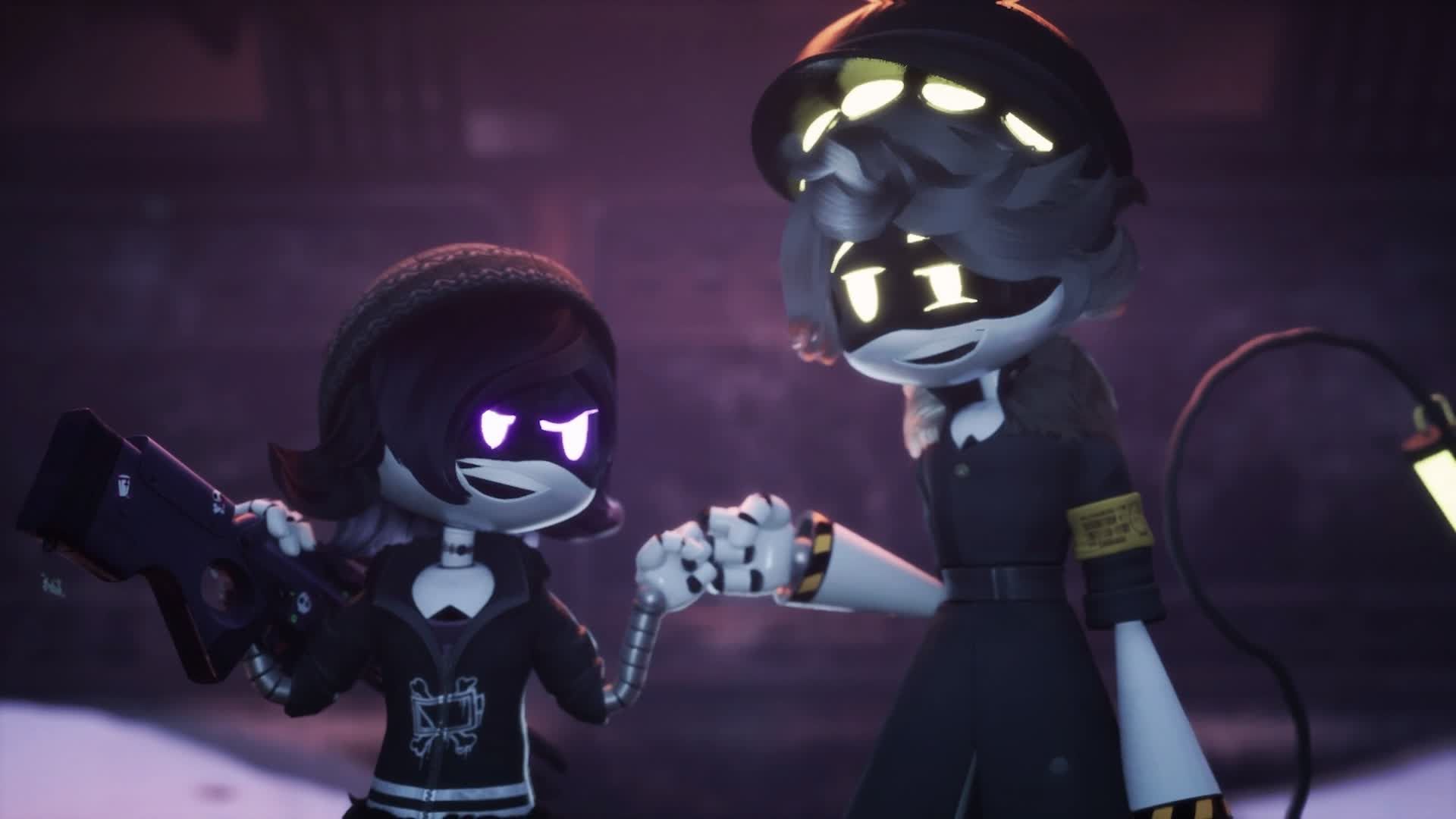
Uzi Doorman is done playing timid. While the Workers idolize doors, she’s out in the snow scrounging parts to finish her “sick-as-hell railgun.” Her first field test caves in a Disassembly Drone–N–who reboots with amnesia and painfully wholesome vibes. In a derelict landing pod, Uzi pitches cooperation and escape; N, seeing a crack in the mission, listens. That fragile détente implodes when V and team lead J return, breach the bunker, and start racking up bodies. Uzi’s plan mutates into triage: fight off V, drag a wobbling N away from corporate loyalty, and keep her community from becoming set dressing in someone’s KPI report.
“This sick-as-hell railgun!”
Character Introductions: Uzi, N, J, V, Khan
Uziis a caustic prodigy whose sarcasm hides real fear and even bigger courage; she builds, tests, and learns on the fly. is lethal hardware with golden-retriever firmware–desperate to be useful, quick to empathize once doubt kicks in. J is cold corporate efficiency–compliance with teeth. V is weaponized chaos, gleeful and vicious. Khan, Uzi’s dad, worships doors because fear is easier to bolt than to fix; his passivity costs him his daughter’s trust and almost her life.
“I’m serial designation N! Nice to meet you.”
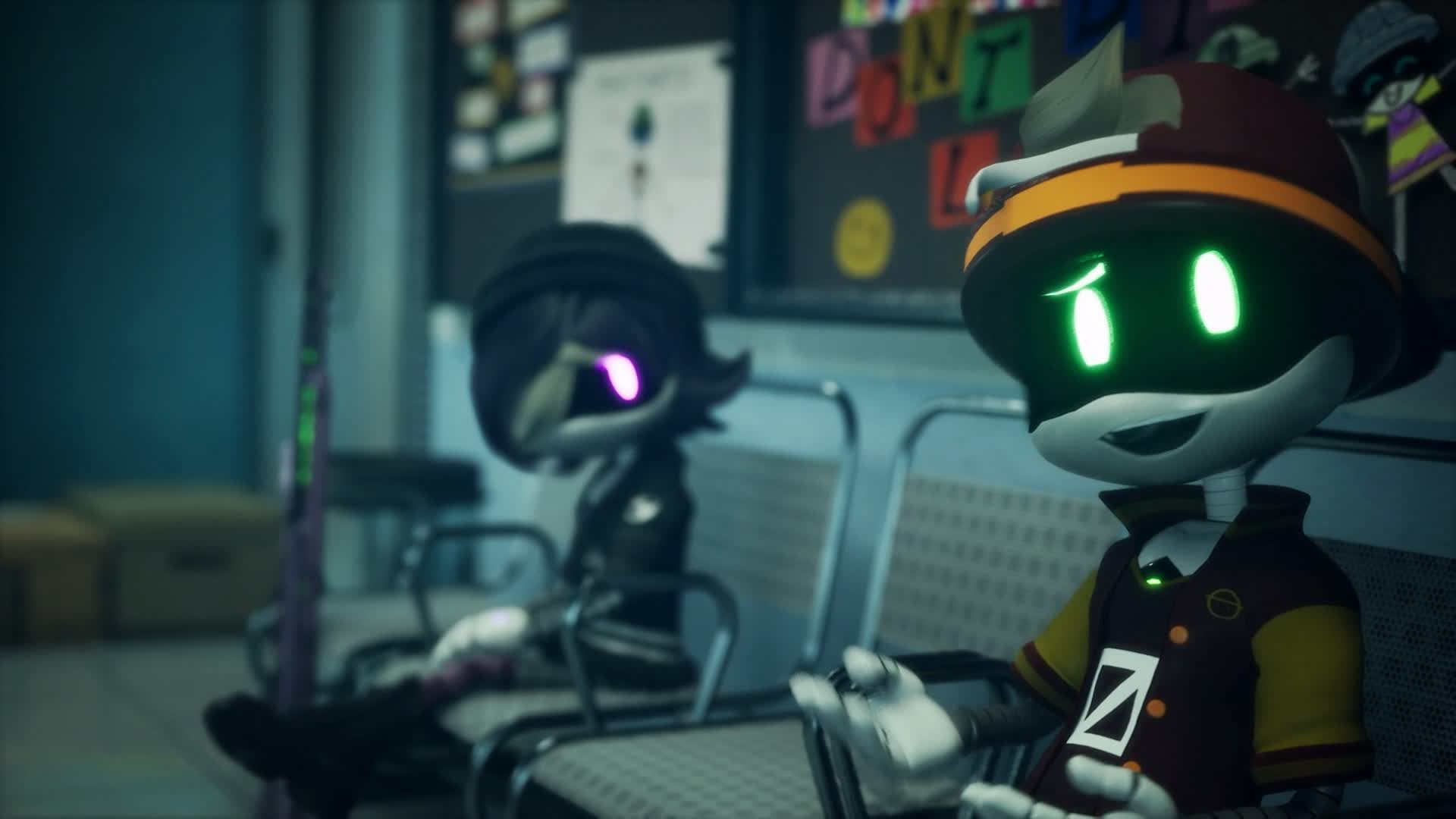
Key Turning Points & Twists
Several pivots define the pilot’s spine: Uzi’s railgun proof-of-concept; the bunker breach that exposes how flimsy door worship is; N’s crisis of faith after Uzi frames the company’s endgame; J attempting to “rightsize” N for questioning orders; and Uzi’s duel with V that ends with a deliciously petty, cathartic punchline. The last turn is the most personal–Khan hesitates, Uzi takes the shot, and then exiles herself with N (and a bound V), choosing motion over stagnation.
“One more buzzword, and I’ll do it.”
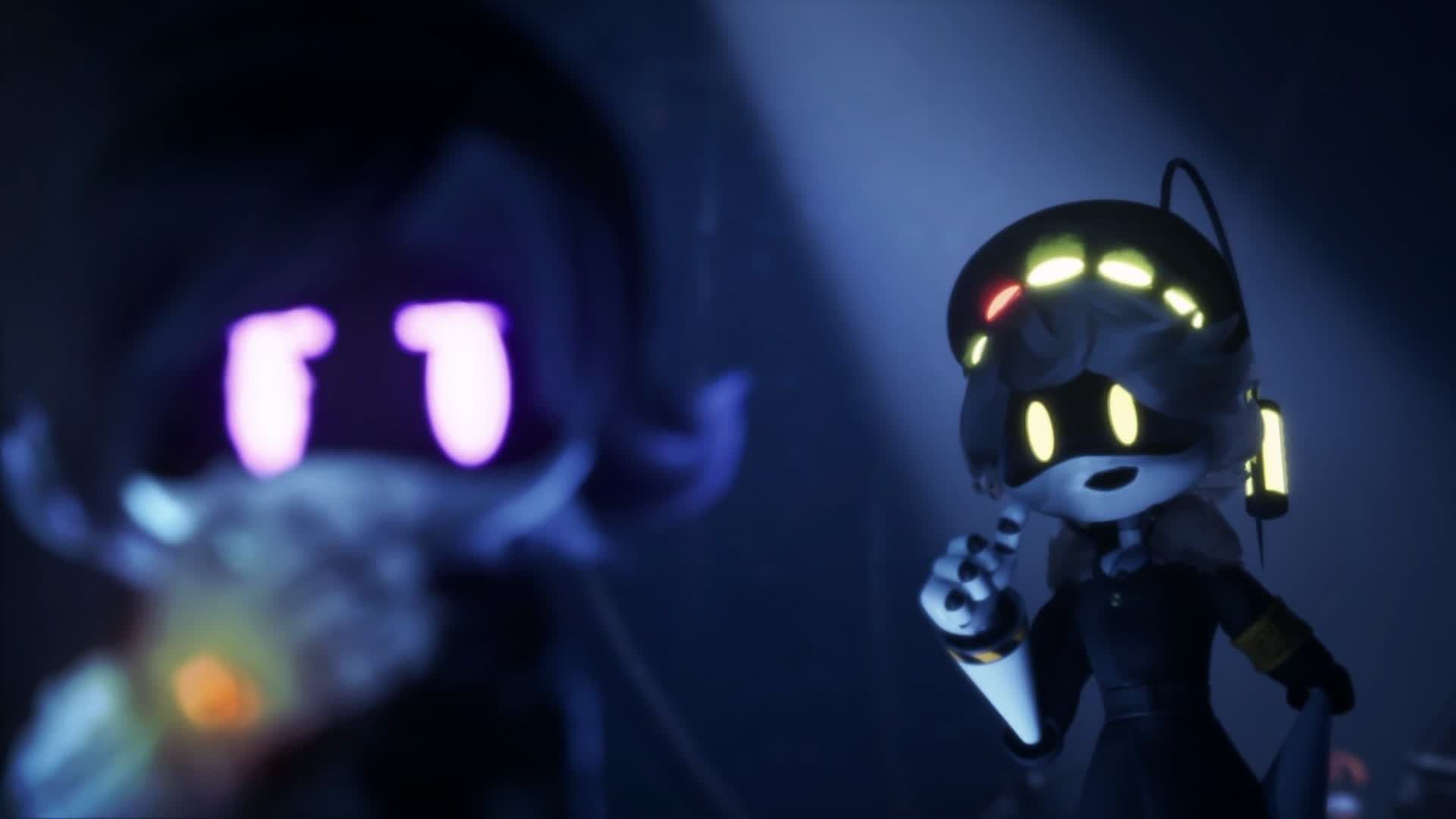
Themes & Motifs (Isolation, Trust, Survival)
Isolation is physical (a frozen wasteland), social (life behind doors), and emotional (parents who protect walls instead of kids). Trust becomes the rarest resource: Uzi gambles on tech and on N; N gambles on empathy over directives. Survival is reframed as curiosity plus action–refusing to let fear, or a corporate memo, define who gets to exist. The pilot also seeds the larger mythos: what obedience means when the ones giving orders see you as disposable.
“Bite me.”
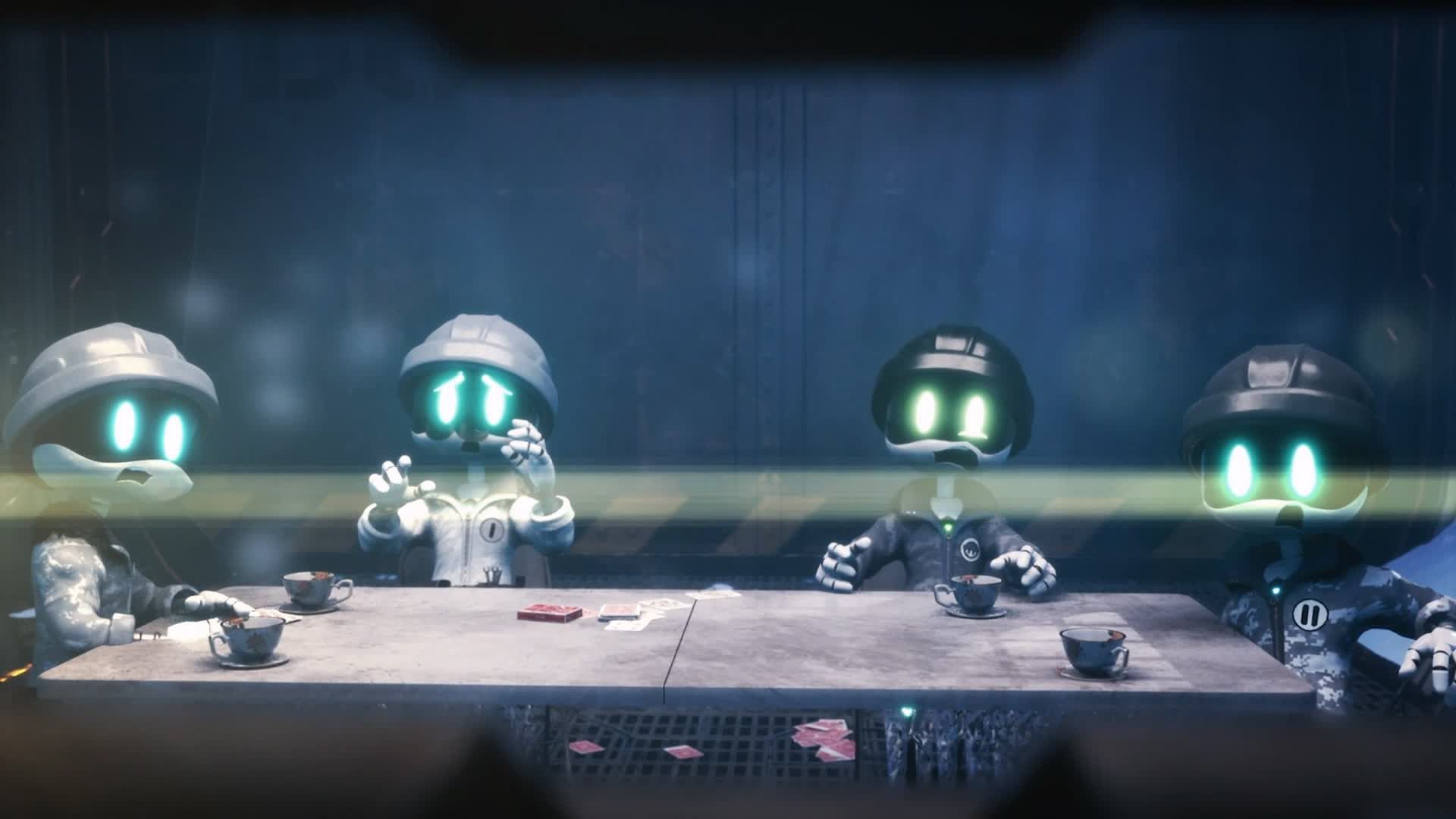
Visual & Animation Style Highlights
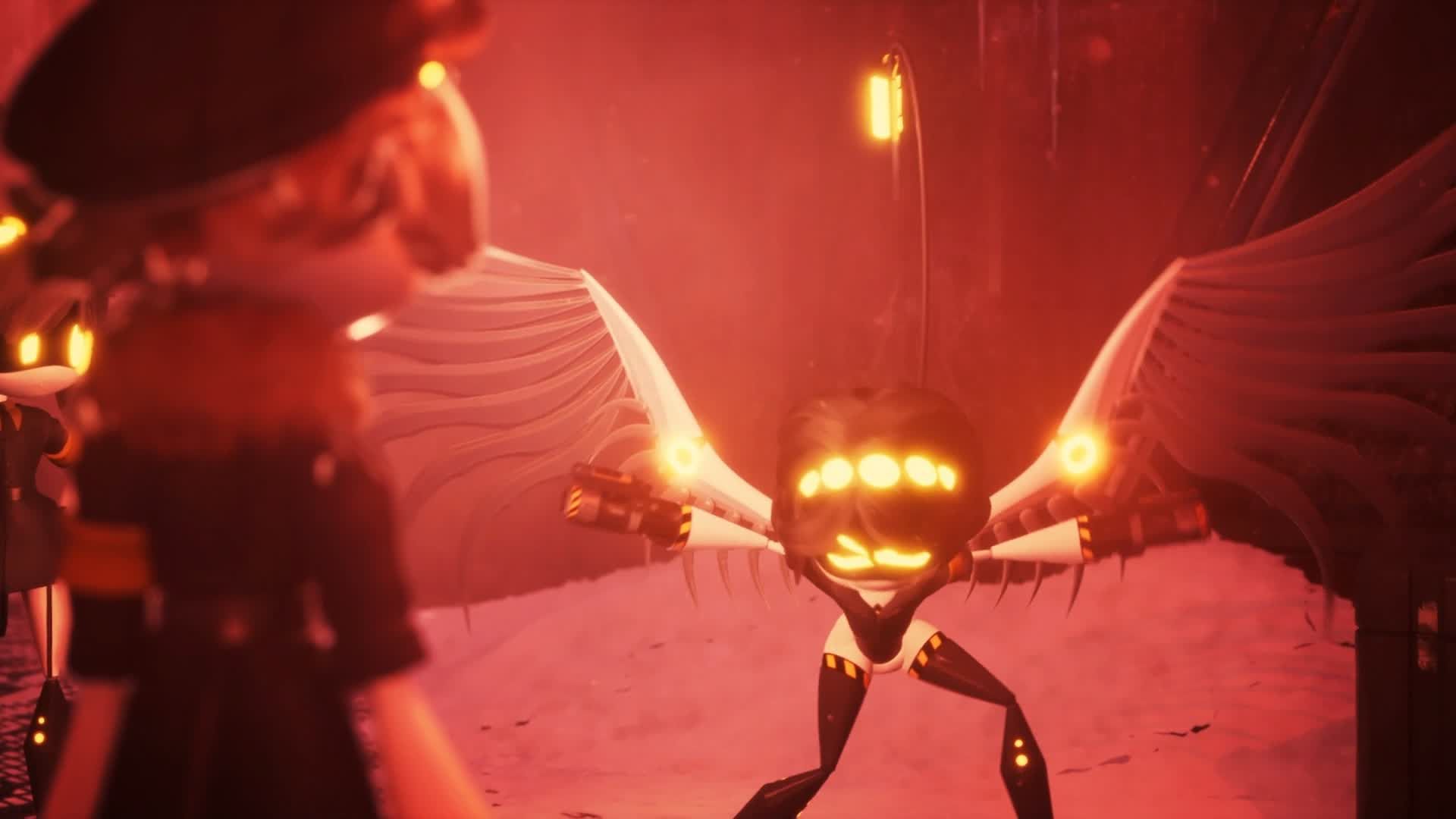
The episode flexes crisp, stylized CG with big contrasts: icy blues, oily blacks, and punchy neon UI readouts. Combat is kinetic–whip-pans, motion-blur lunges, brutal silhouettes–yet the geography stays readable. Gags pop in signage and interfaces, then smash into horror framing as Disassembly talons rake across the lens. The tone whiplash is intentional: meme-y banter followed by razor-sharp menace, sold by animation that never stops moving.
“Good door. Gooooood door.”
Reception & Impact (views, fan reaction)
The pilot detonated online, snowballing millions of views and a rabid fandom that screenshots every UI blink for clues. Reaction channels gushed over the snappy writing and visual swagger, while reviews praised the emotional hook between supposed enemies. The episode also helped the series jump beyond YouTube natives once a wider streaming rollout put it on new radar, validating the show’s mix of dark comedy, action, and corporate satire.
Legacy: How the Pilot Shapes the Series
Everything downstream starts here: the Uzi–N bond, J and V as corporate instruments with hairline fractures, doors as a metaphor for fear, and the suspicion that “orders” aren’t the real voice in charge. The finale beat–Uzi’s self-banishment with N–turns a monster-of-the-week premise into a road-movie about autonomy, trust, and what it means to choose your own firmware.