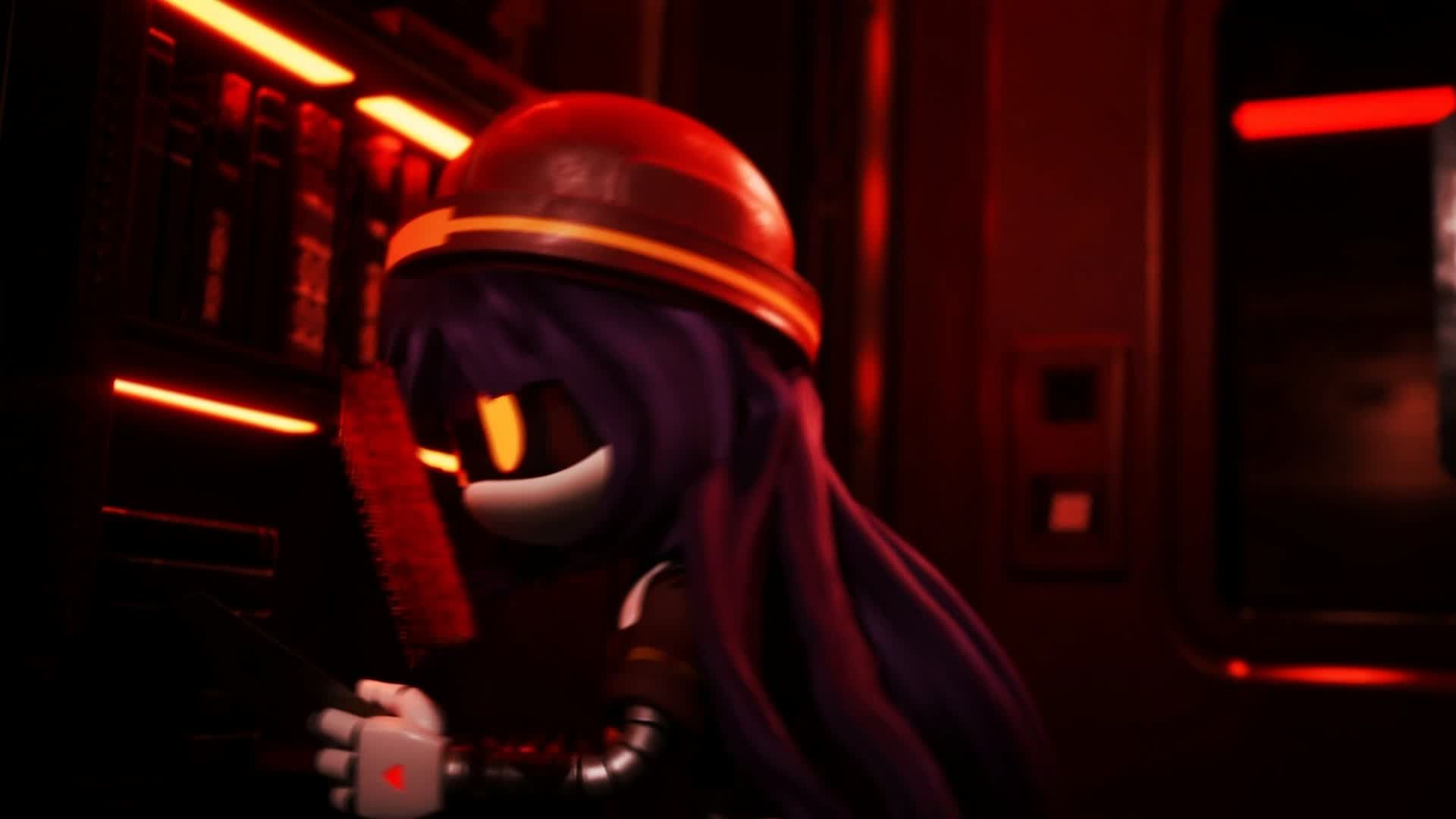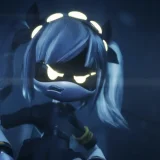
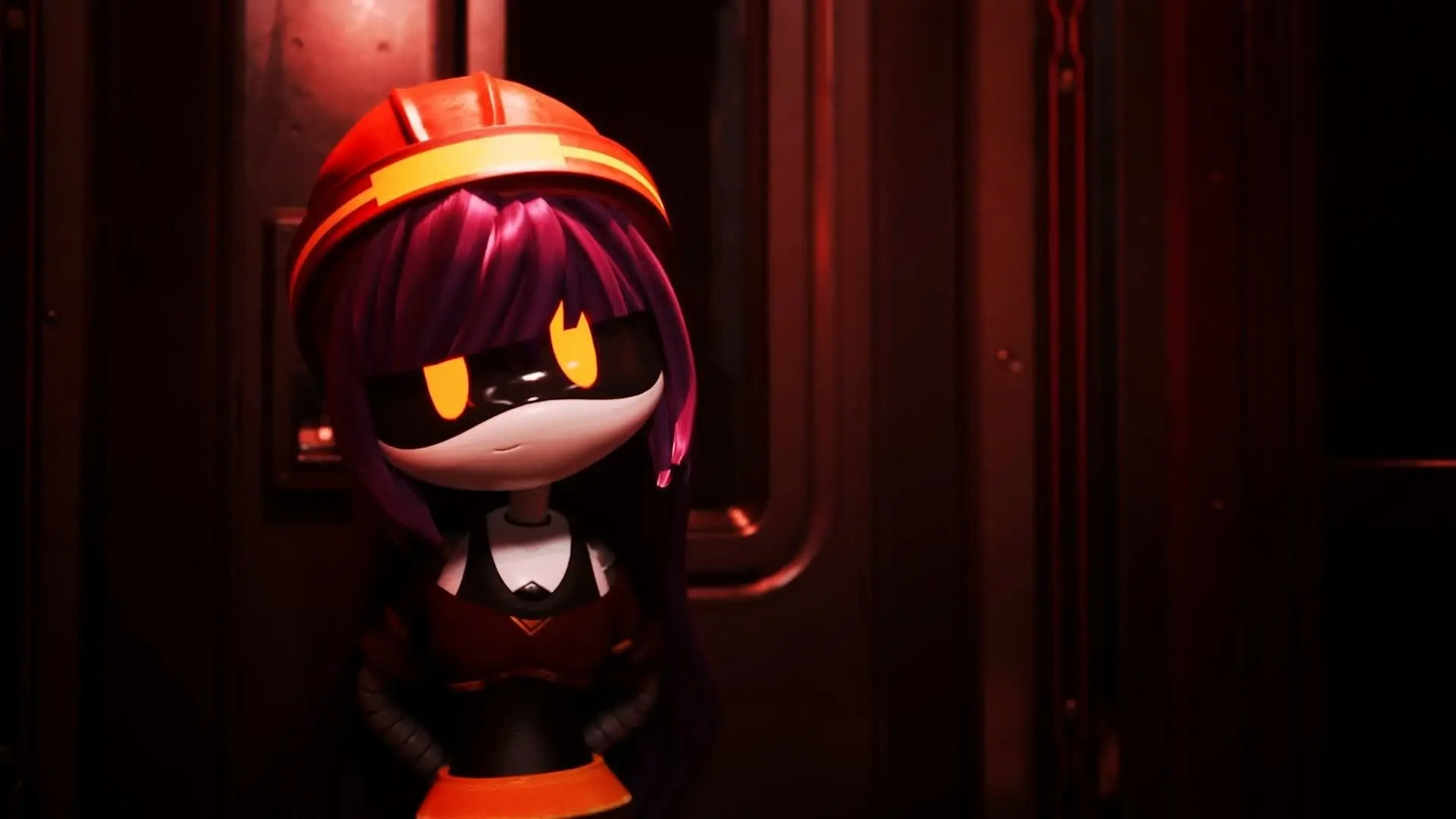
For anyone searching doll murder drones, Doll is the Russian-speaking Worker Drone whose quiet presence turns into one of the sharpest anti-villain arcs in the series. She appears briefly in the Pilot, becomes a major plot force in Episode 3: “The Promening,” and is last seen alive in Episode 7: “Mass Destruction.” Her remains and afterimage-like traces later appear in Episode 8: “Absolute End.”
Doll is not simply “the scary prom killer.” Her arc moves from revenge against V to a desperate attempt to escape the Absolute Solver. That makes her one of the clearest mirrors for Uzi: both are infected, both are stubborn, and both are forced to decide whether the Solver gets to write their identity for them.
Character facts
| Name | Doll |
|---|---|
| Series | Murder Drones |
| Species | Worker Drone; Solver-infected host |
| Voice actor | Emma Breezy |
| First appearance | Pilot cameo; major role begins in “The Promening” |
| Core conflict | Revenge for her parents, then resistance against Solver possession |
Personality Traits and Motivations
Doll is calm in the way a locked door is calm: controlled, dangerous, and hiding something worse behind it. She speaks little, moves carefully, and uses deadpan humor as a mask. In “The Promening,” she greets Uzi with eerie politeness before turning the school dance into a trap. In later episodes, the slasher-villain posture gives way to something more desperate and human: she wants a cure, not a throne.
Her motivation begins with revenge. V killed her parents, and Doll builds much of her early plan around punishing that one specific Disassembly Drone. But the deeper horror is that Doll also carries the Solver. She understands that the power inside her is not a gift; it is a parasite looking for a host, a planet, and an excuse.
“I will not let it use me to consume the planet!”
That line sums her up. Doll is ruthless, but she is not passive. When the Solver tries to turn her into a tool, she chooses resistance even when survival is no longer likely.
Background and Origins
Doll begins as a Worker Drone on Copper 9. Her family history is tied to violence outside the bunker: she witnessed the deaths of her parents and later preserved the scene at home under sheets, as if denial could freeze the moment in place. That image explains much of Doll’s behavior. Her house is not only a hiding place; it is a private stage for grief she refuses to process normally.
The Solver infection complicates that grief. Doll believes the “sickness” is inherited, but the story gradually frames it as possession, corporate aftermath, and eldritch code all tangled together. By “Home” and “Dead End,” Doll is no longer just hunting V. She is hunting the key, the patch, and any chance to cut the Solver out before it can fully use her.
“I’m back, Mom, Dad.”
The tragedy of Doll from Murder Drones is that she understands the danger earlier than most characters, yet she does not have enough trust left to ask for help cleanly.
Relationships with Other Characters
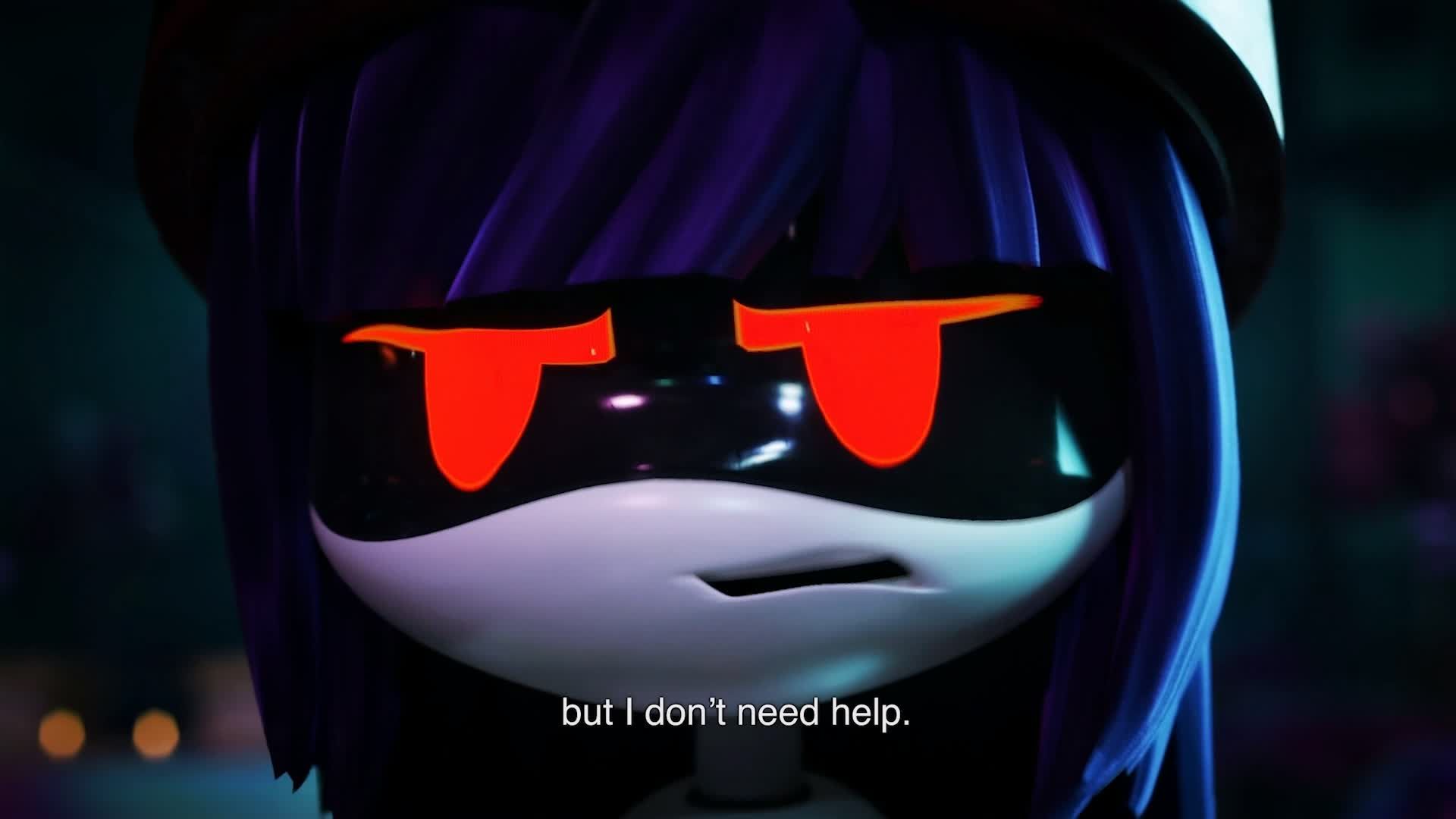
Uzi Doorman. Uzi and Doll are mirrors before they are allies. Doll recognizes Uzi’s Solver connection and, eventually, her will to fight it. Their bond is tense, but Doll’s final command gives Uzi a clear emotional direction: do not surrender to the thing inside you.
Serial Designation V. V is Doll’s original target. Their fights are personal because Doll is not attacking “a Murder Drone” in the abstract; she is attacking the drone she blames for destroying her family.
Serial Designation N. N rarely gets full emotional access to Doll, but he reads enough to understand that she is not just another monster. His sympathy contrasts with Doll’s refusal to slow down or explain herself.
Tessa Elliott. Doll’s attitude toward “Tessa” is transactional and urgent: give her the patch, or get out of the way. This makes their confrontation in “Mass Destruction” one of the clearest moments where Doll’s true goal is exposed.
Cyn. Cyn represents the end point Doll fears: the Solver using a body, a voice, and a face as tools. Doll’s final stand matters because she refuses to become that kind of puppet.
Key Moments and Development in the Story
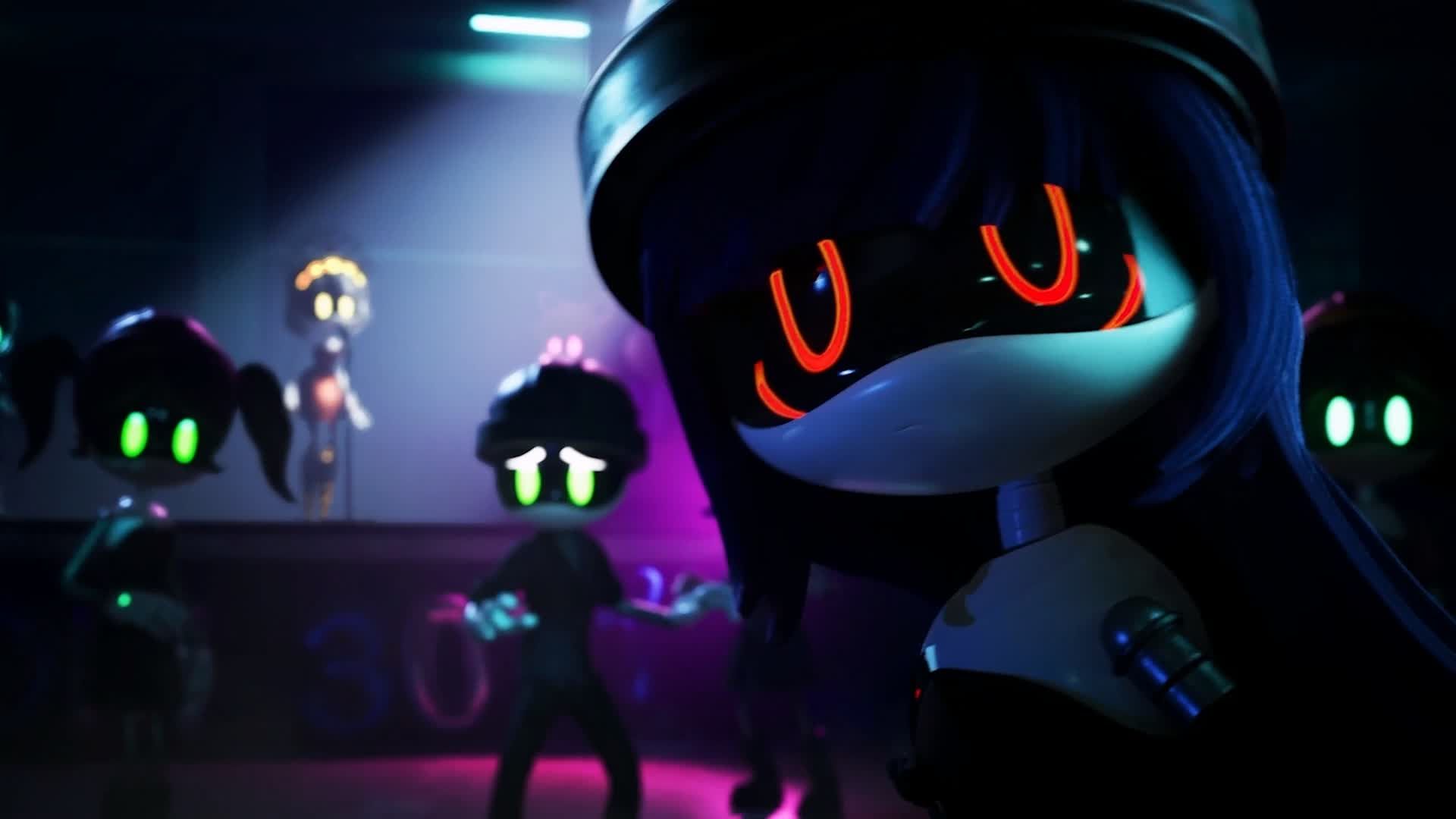
- The Promening (Ep. 3): Doll steps out as a full antagonist, turns the prom into a trap, confronts V, and reveals the first clear shape of her revenge arc.
- Cabin Fever (Ep. 4): Doll stalks the camp like a slasher figure, pushing Uzi and V closer to the truth about Solver infection.
- Home / Dead End (Eps. 5–6): The story expands around labs, keys, and the patch. Doll’s target shifts from revenge alone to a possible cure.
- Mass Destruction (Ep. 7): Doll demands the patch, declares that the Solver will not use her to consume the planet, and reaches Uzi badly wounded with one last message.
“FIGHT BACK.”
Those words do more than rally Uzi. They reframe Doll’s entire arc: not as a clean redemption story, but as a refusal story. She cannot undo what she has done, but she can still reject the thing trying to own her.
Powers and Absolute Solver Abilities
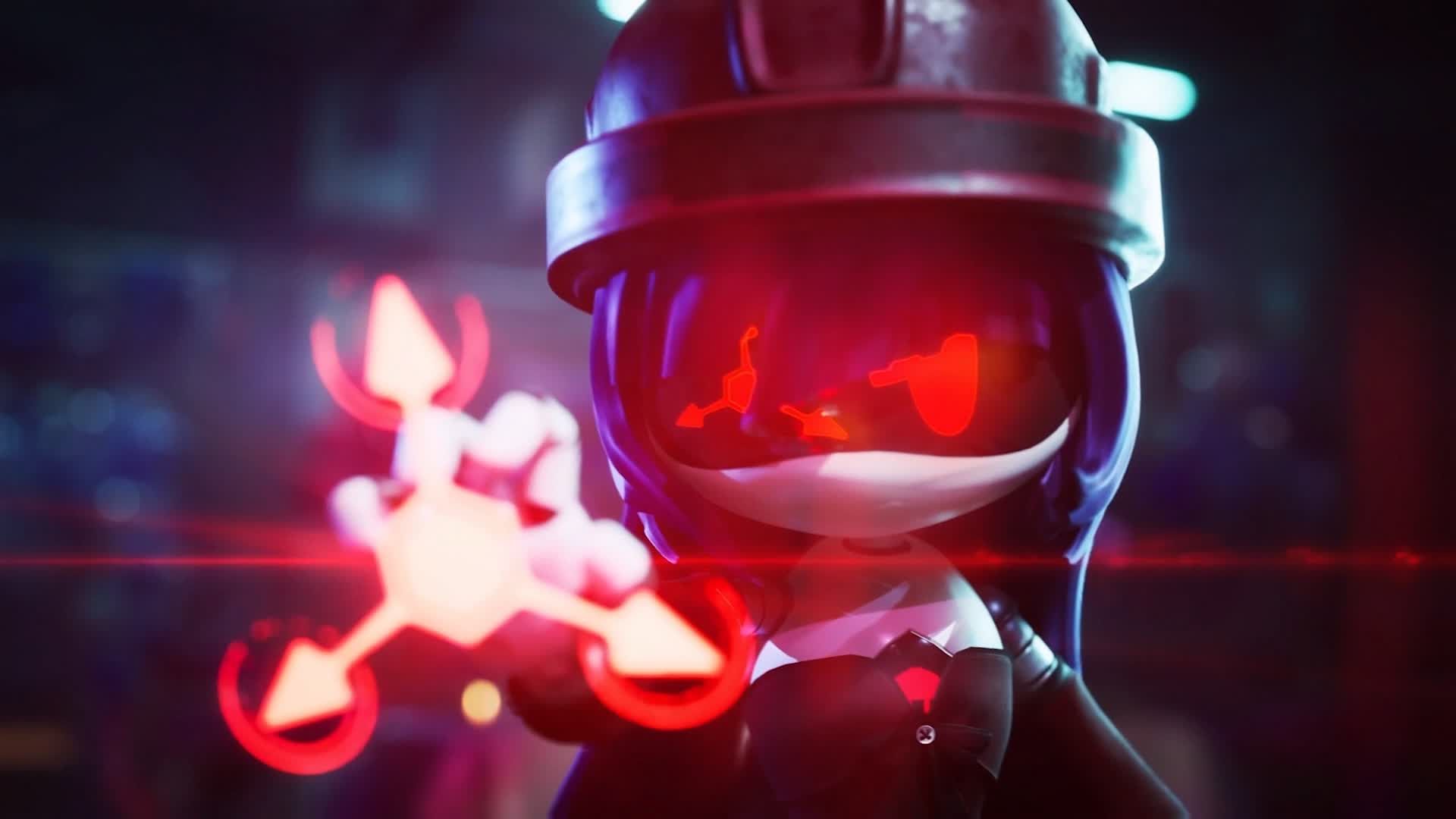
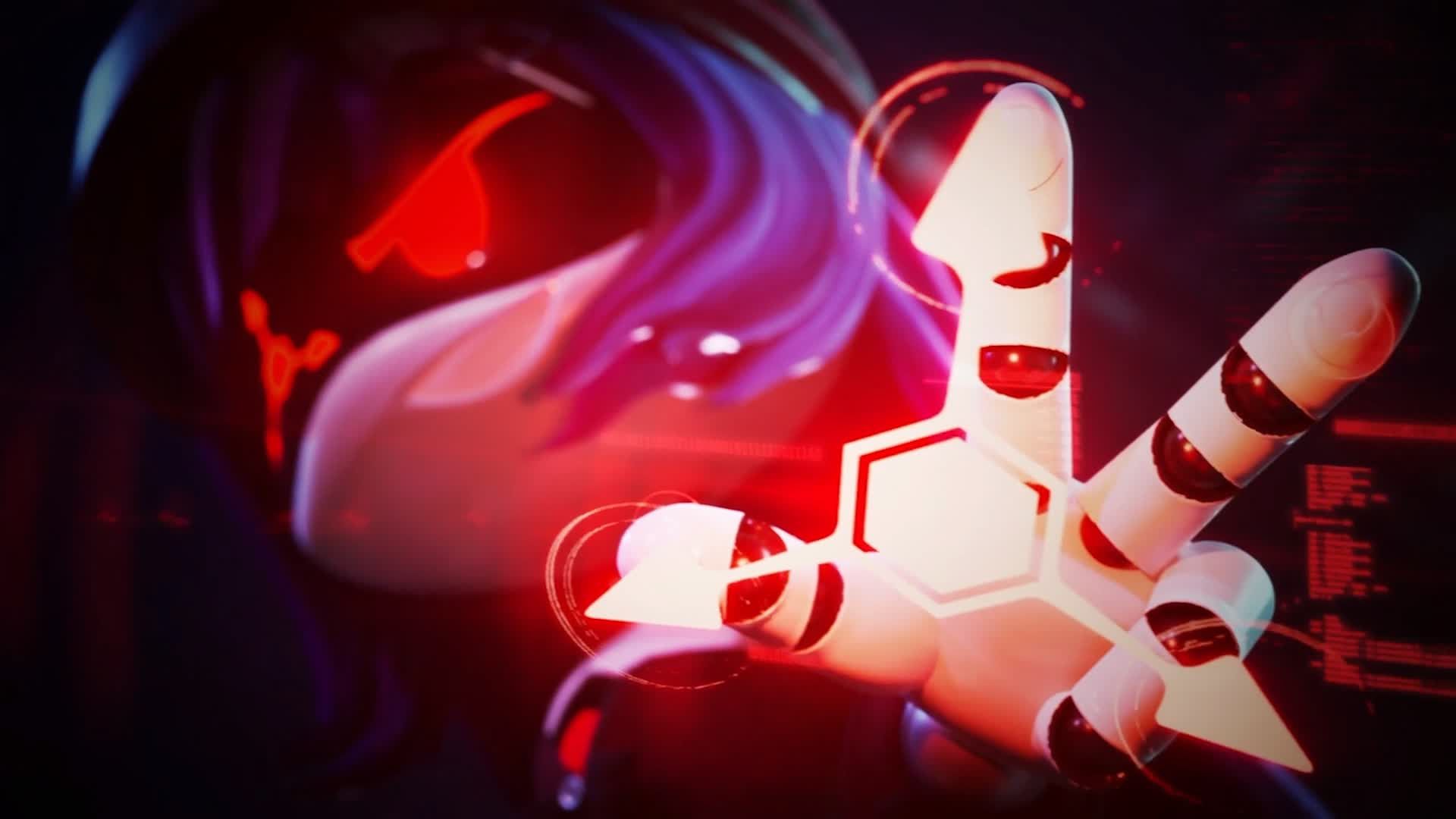
Murder Drones Doll uses Solver abilities with a cold, almost surgical style. Her powers include telekinesis, glyph manipulation, shields, teleportation, object duplication, regeneration, and brutal environmental control. She does not fight like V or N; she fights like someone editing the room around her.
- Telekinesis: she can move weapons, furniture, doors, and debris without touching them.
- Glyphs and code-like symbols: her Solver use appears through red symbols and command-like effects.
- Shields: she blocks bullets, missiles, and thrown weapons when focused.
- Teleportation and misdirection: she escapes, reappears, and tricks enemies into wasting time.
- Regeneration: she survives damage that would stop an ordinary Worker Drone.
The important detail is that Doll’s power is never framed as safe. Every ability makes her more dangerous, but also more visibly trapped inside the same system she is trying to escape.
Symbolism and Themes Associated with Doll
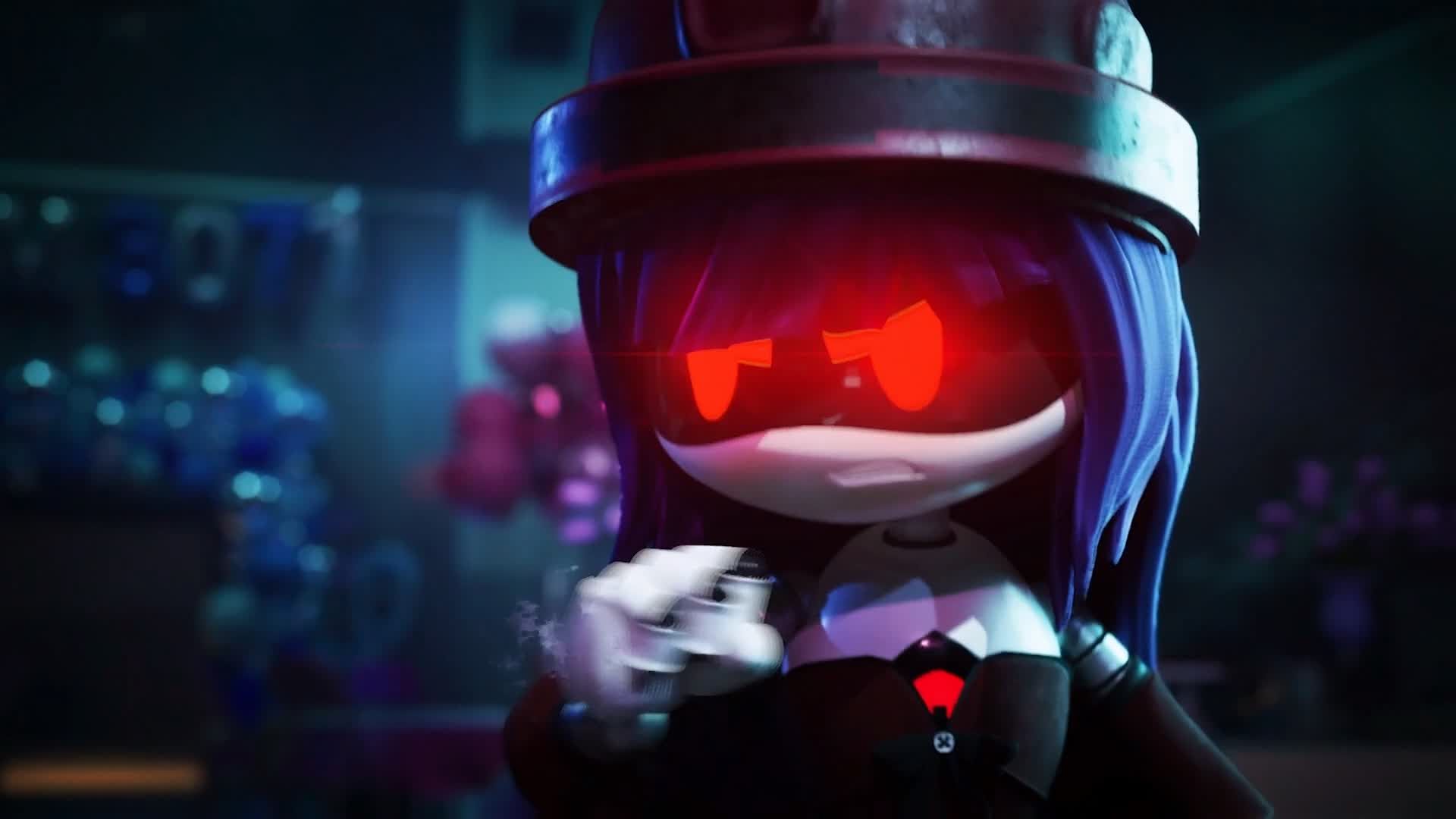
Red eyes and the eyepatch. Doll’s red glow marks her as a Solver host, while the eyepatch suggests concealment and control. She is hiding damage, but also trying to decide what others are allowed to see.
Mirrors and broken reflection. Doll’s shattered mirrors turn identity into horror imagery. She cannot look at herself without the Solver looking back.
Sheets, staging, and denial. The covered bodies in her home make grief theatrical. Doll tries to control the story after losing control of the event itself.
Inherited harm vs. chosen resistance. Doll thinks of the Solver as a sickness, but her final actions show that identity is not only what infects you. It is also what you refuse to become.
Fan Reception and Popularity
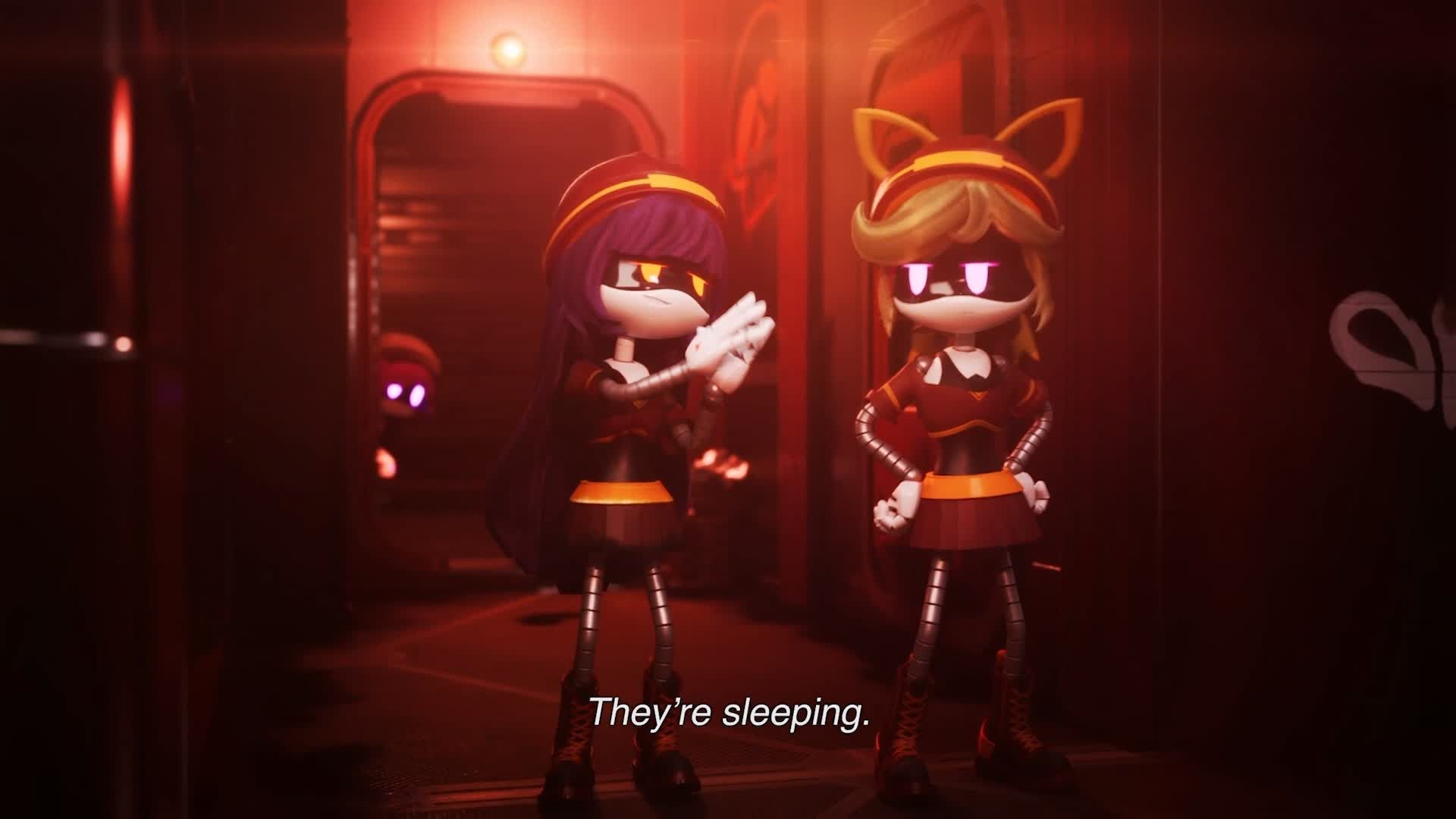
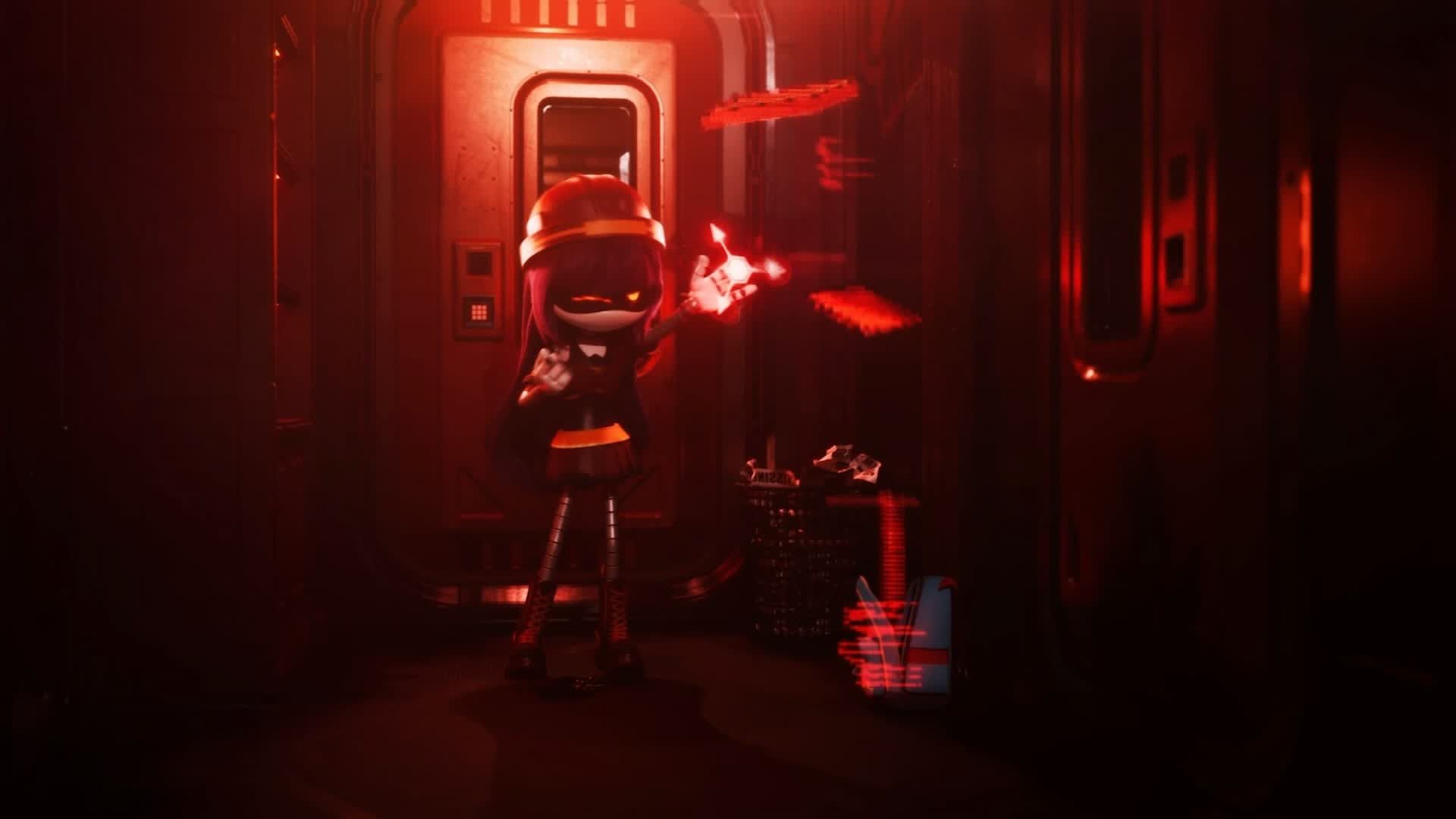
Doll is popular because she sits between tragic character and horror antagonist. Fans remember the prom ambush, the red Solver visuals, the Russian lines, and the final “fight back” moment. She also works well as a foil to Uzi: same infection, different coping strategy, and a much colder sense of humor.
Her design helps too. The red eyes, button-like eyepatch, dark hair, and prom outfit make Doll instantly recognizable in edits, cosplay, fan art, and short-form videos.
Impact on the Murder Drones Narrative
Doll opens up the series’ mythology. Through her, the story moves from “killer drones attack Worker Drones” into a larger mystery about inherited infection, labs, patches, and the Solver’s plan. She forces V to face the consequences of past violence, pushes Uzi toward self-knowledge, and gives the finale one of its simplest moral instructions: resist.
Her ending is deliberately harsh. Doll’s active role ends in “Mass Destruction,” while “Absolute End” uses remains, visual flashes, and memorial imagery to keep her presence haunting the story. The safest canon reading is that Doll is no longer restored as an ordinary living character, but the show still lets her final message survive.
Latest canon note
The animated season is complete at eight episodes, and the wider Murder Drones franchise has since expanded through official comics and graphic-novel adaptations. Those releases do not change Doll’s on-screen ending, so this profile keeps confirmed story events separate from fan theories.
FAQ about Doll
Who is Doll in Murder Drones?
Doll is a Russian-speaking Worker Drone, Solver host, and major anti-villain whose story begins with revenge against V and ends with resistance against the Absolute Solver.
Is Doll from Murder Drones evil?
She is murderous and dangerous, but the story later frames her as more than a simple villain. Doll is driven by grief, revenge, fear of possession, and a real desire to stop the Solver from using her.
What does “murder drones doll” usually refer to?
The search phrase usually refers to Doll, the red-eyed Worker Drone from Murder Drones, especially her role in “The Promening,” her Solver powers, and her final “FIGHT BACK” message to Uzi.
Does Doll survive?
Doll is last seen alive in Episode 7 and appears only through remains, brief visual traces, and memorial-style imagery afterward. The series does not restore her as an active living character in Episode 8.