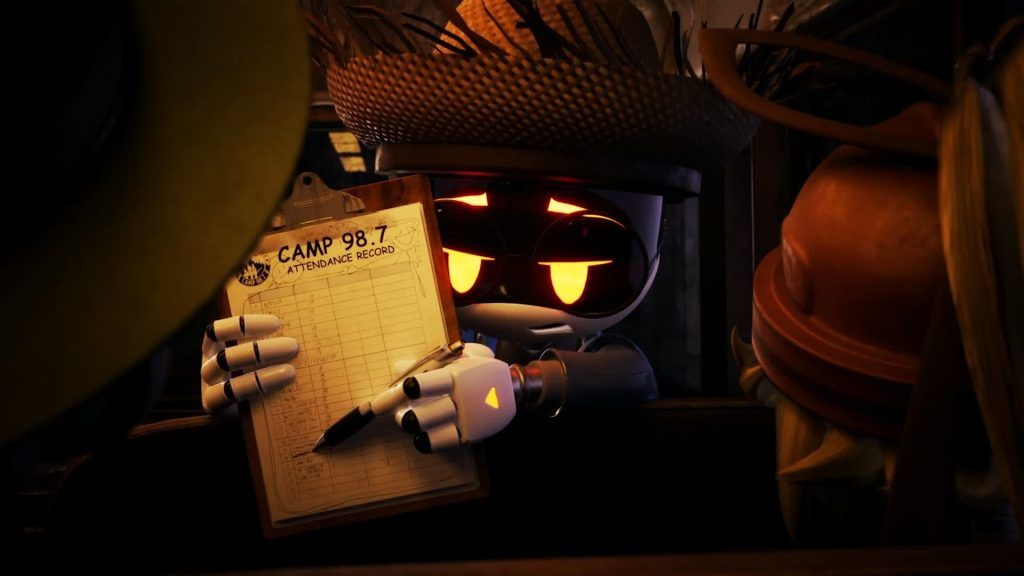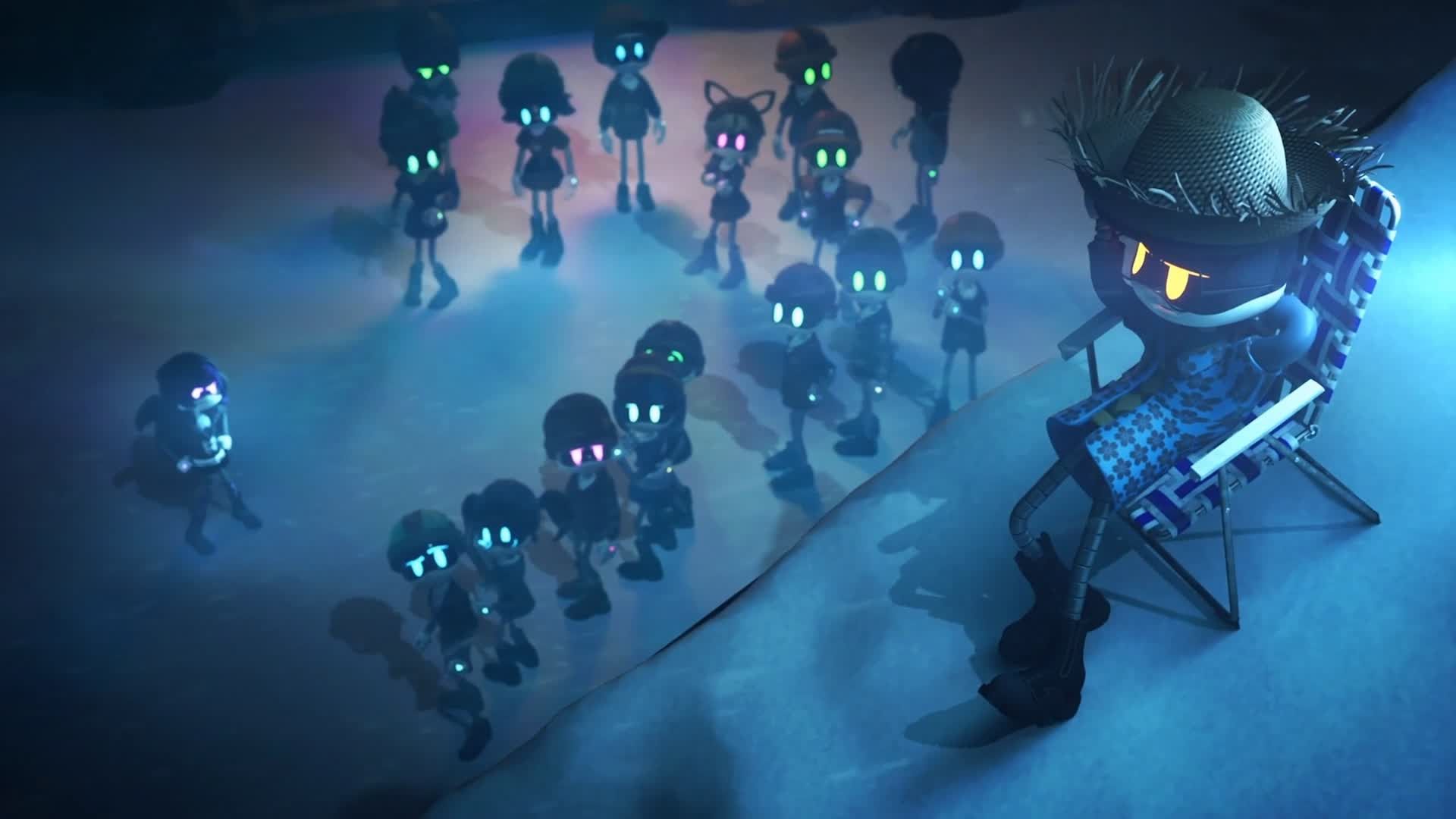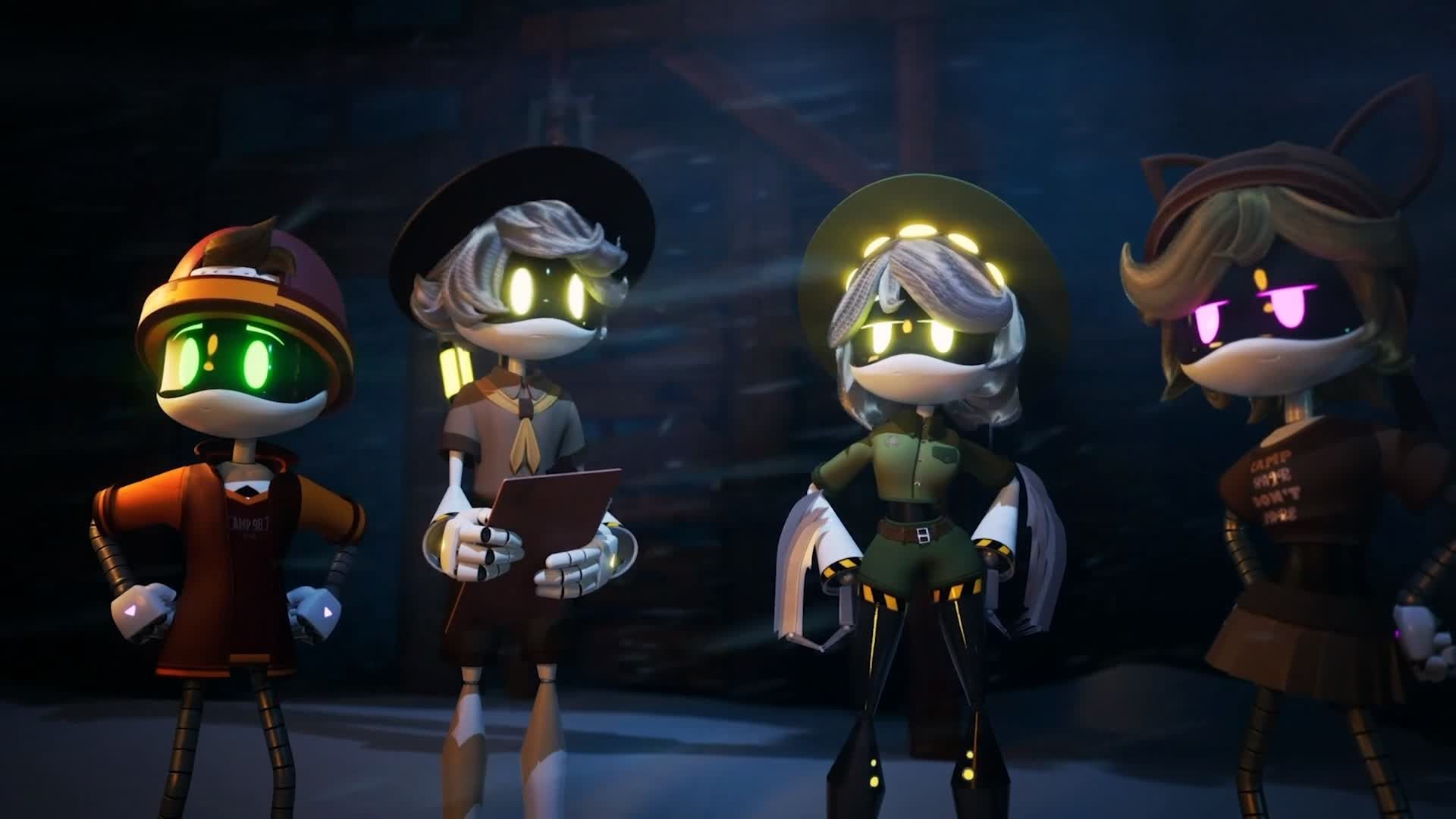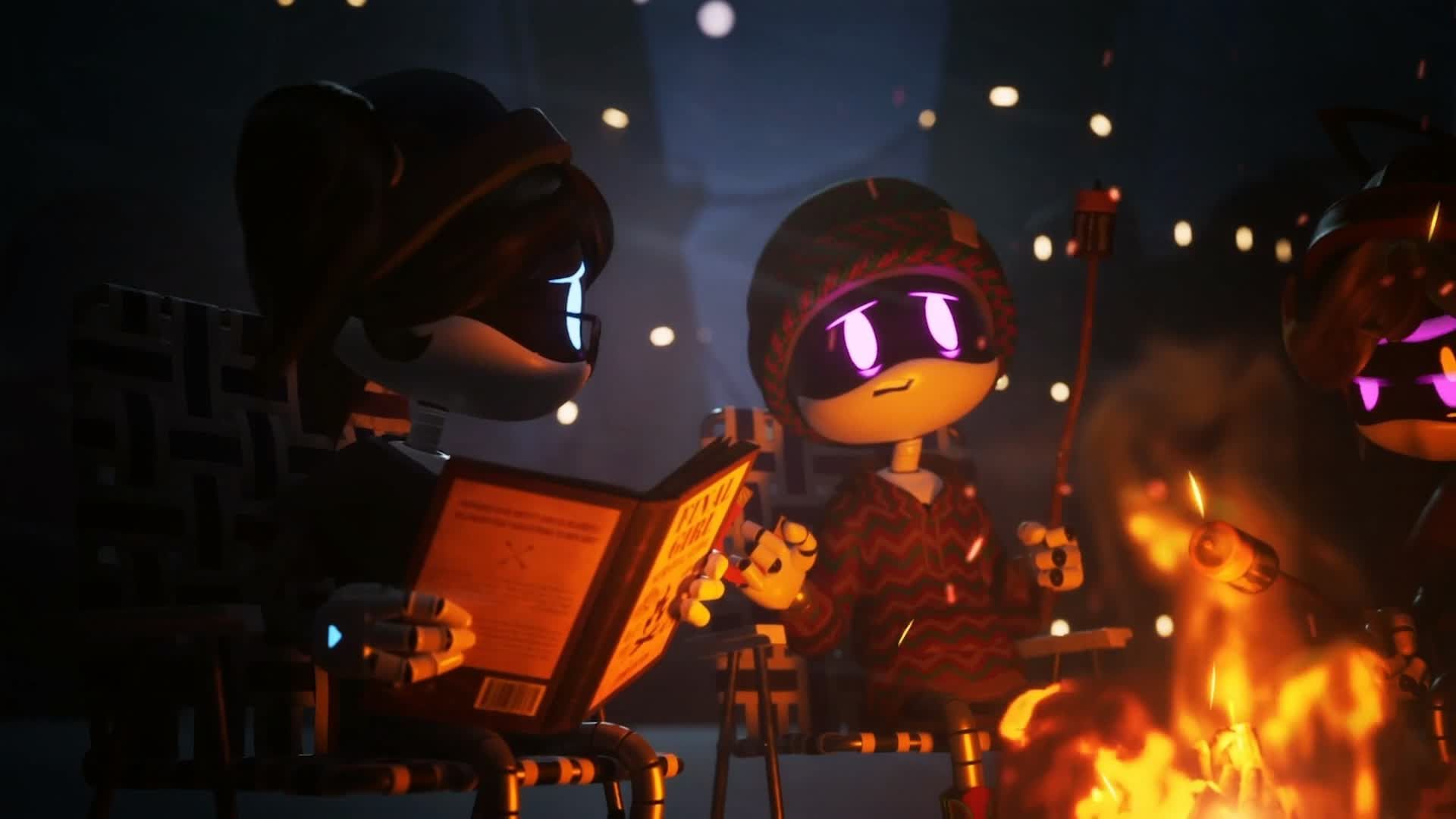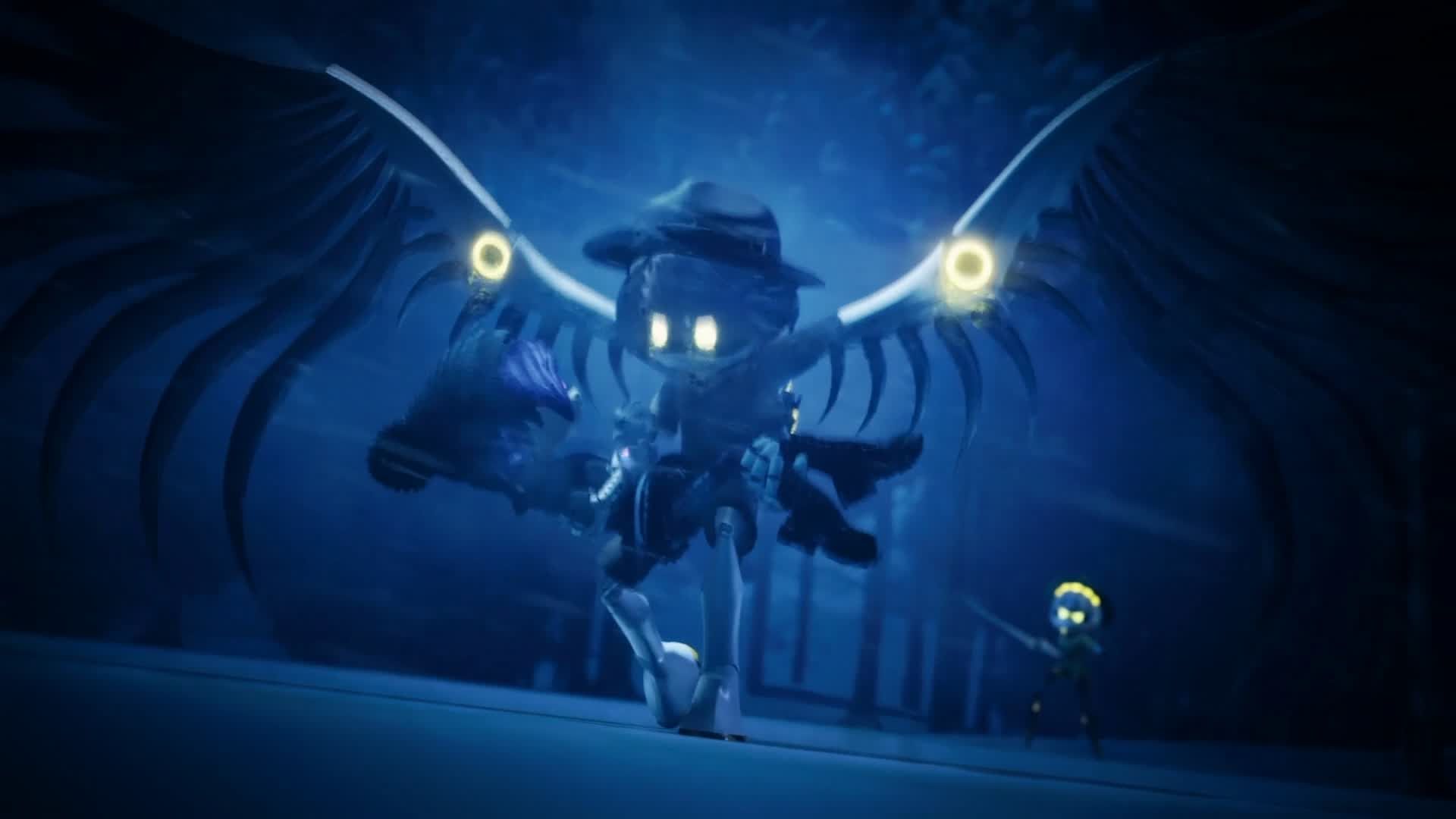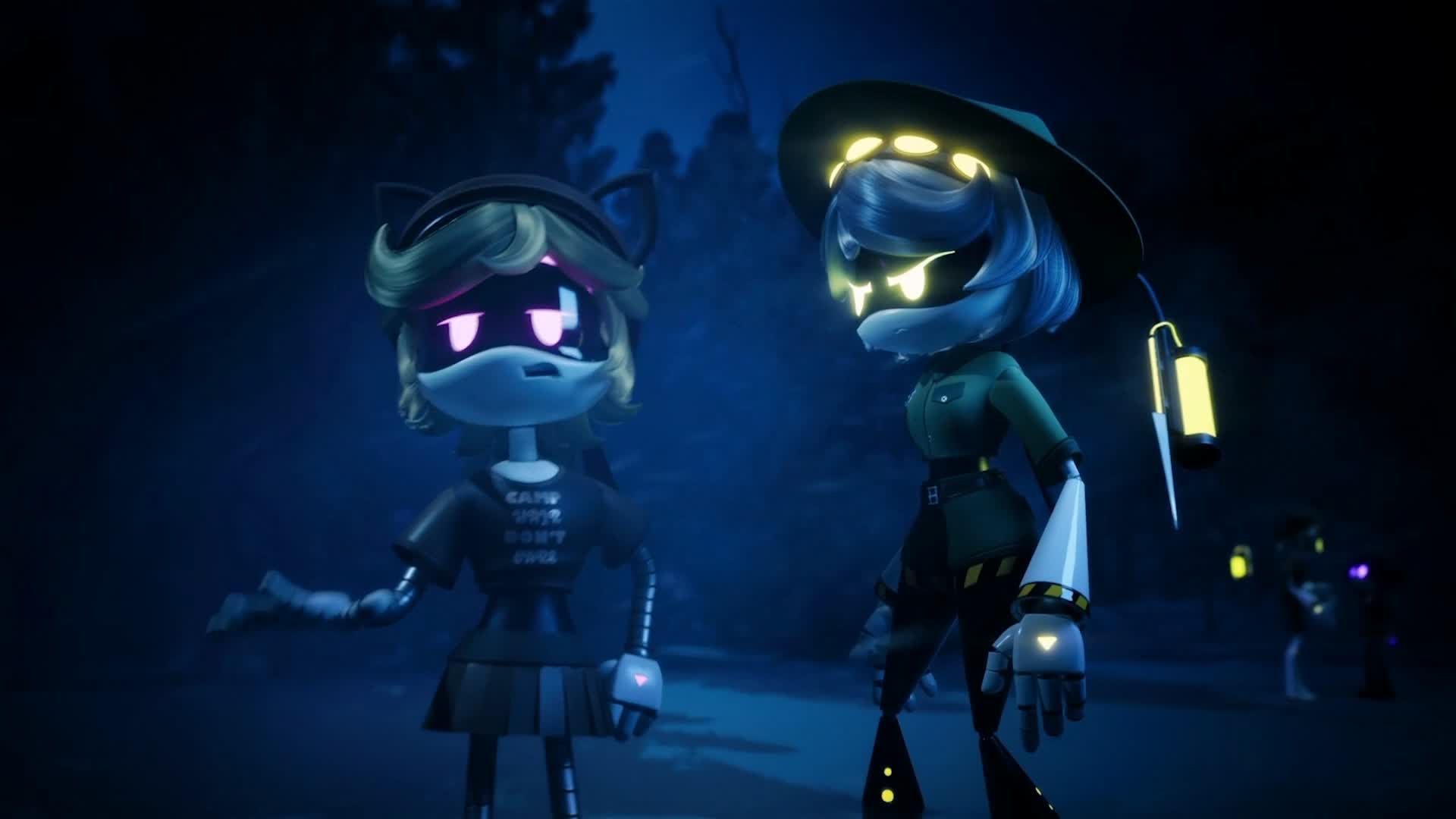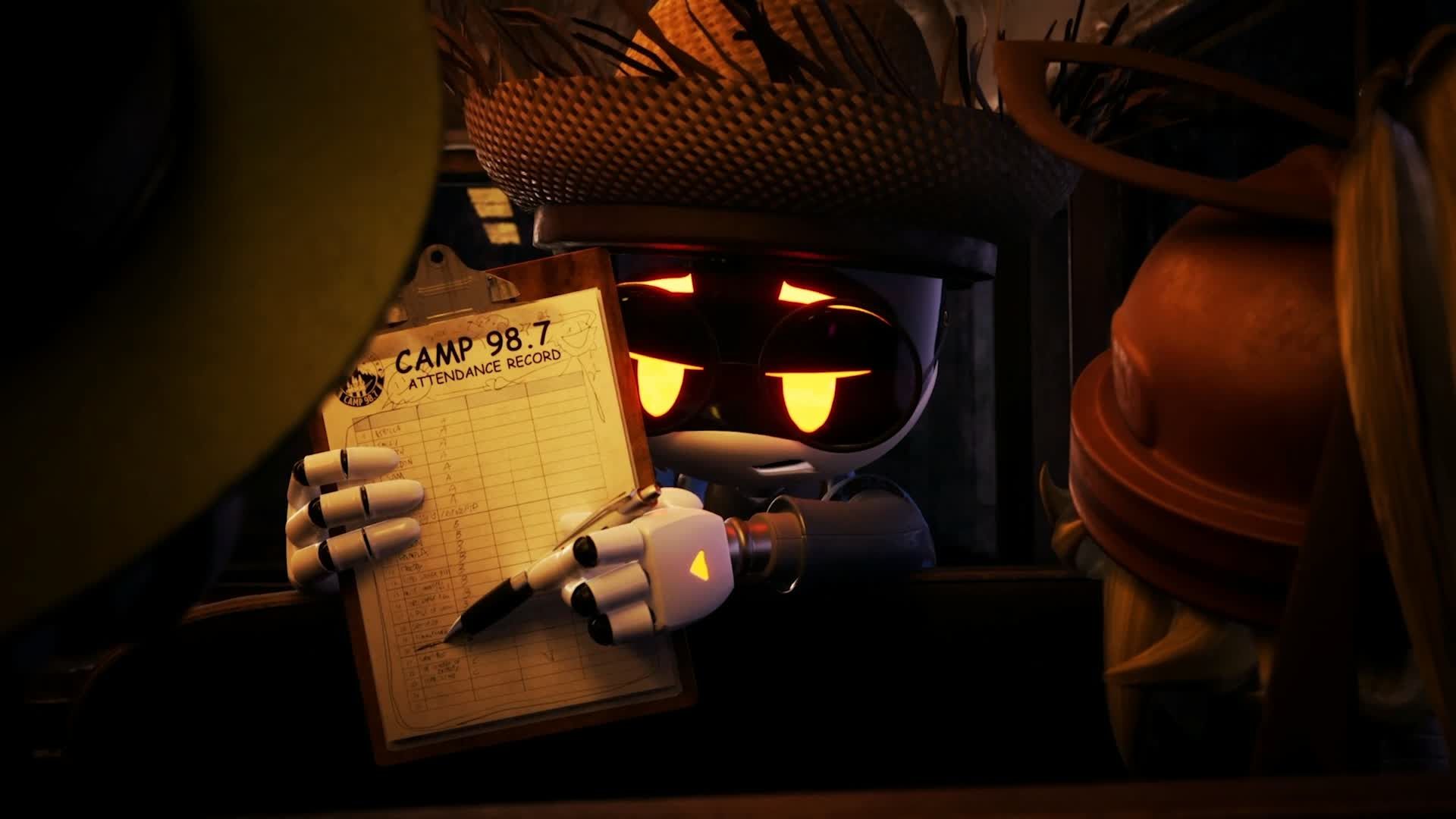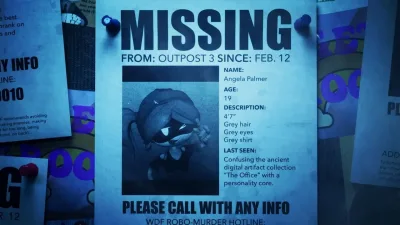
“Cabin Fever” picks up after the chaos of “The Promening” and the body-horror reveals in “Heartbeat.” Uzi’s solver corruption is no longer a spooky rumor; it’s creeping into her day-to-day, and N and V are split on how to handle it. The colony tries to play normal with a winter camp field trip, which is both hilariously ill-timed and exactly the kind of bait the Absolute Solver loves. The episode uses that “school outing” façade to reset the board: kids in the woods, a bus, a cabin, and too many secrets crammed into too little space.
Coming right off “Heartbeat”, the script stops treating the infection like a cliffhanger and starts treating it like a lived condition: messy, embarrassing, isolating, and increasingly impossible to hide.
With the season now complete through “Absolute End”, this chapter lands even more clearly as the show’s hinge point–the moment school-survival antics give way to buried-lab mythology, family trauma, and the realization that the real nightmare on Copper 9 has been under the ice the whole time.
Watch online
Premiering on April 7, 2023, and running about 21 minutes, the episode now plays like the clean midpoint of the full Murder Drones run: compact on the surface, sharp in escalation, and huge in consequences once you know where the remaining episodes are headed.
The Cabin Setting & Its Significance
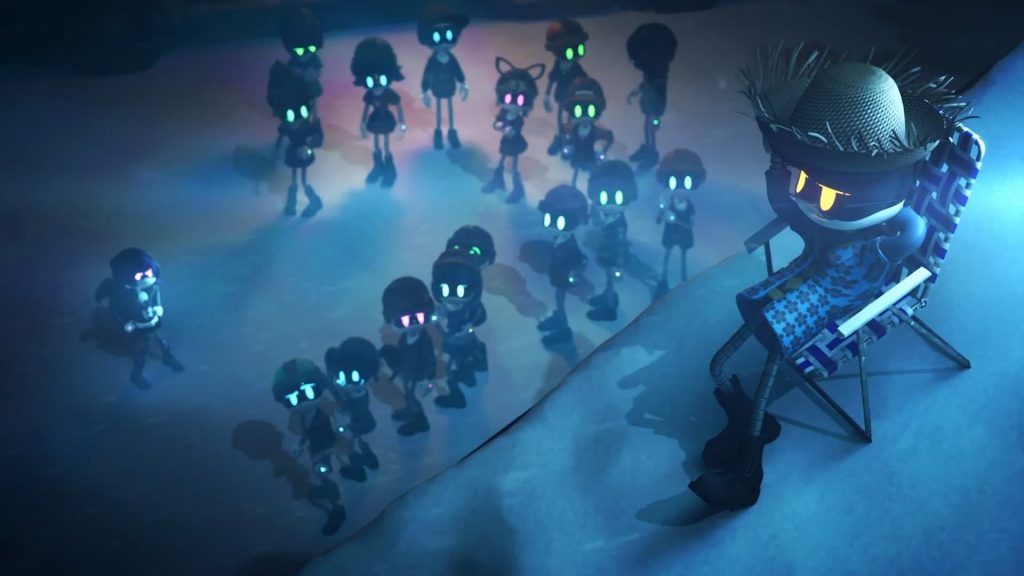
The remote camp doubles as a pressure cooker. Snowdrifts and a single bus make escape feel flimsy, while the bunks, canoe dock, and dark tree line give the Absolute Solver a perfect playground. The place is full of misdirection–s’mores and team chants on the surface, industrial relics and an ominous “elevator” buried under the ice below.
The camp’s most unsettling detail is how personal it feels. The collars, abandoned equipment, and hush around the site turn the outing into a crooked breadcrumb trail toward Nori Doorman, making the woods feel less like neutral territory and more like a place built to store truths nobody wanted Uzi to find.
Tension, Isolation & Claustrophobic Horror
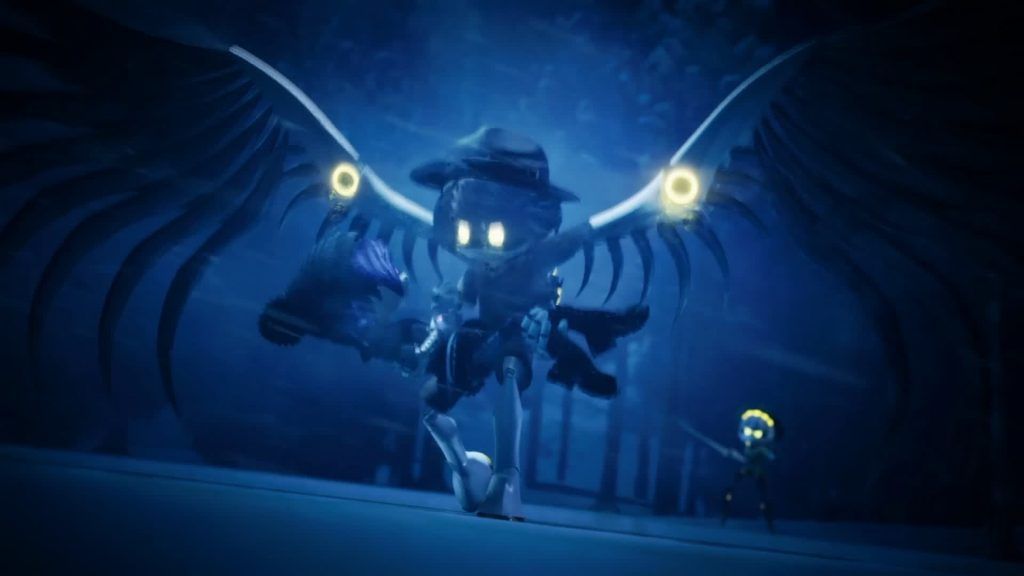
From the minute the headcount “totals” wrong, the vibe is off. Pranks escalate into near-drownings, shaky-camera inserts, and insect-like audio stings that keep you on edge. That’s where Doll becomes essential: not just a stalker at the edge of the frame, but the episode’s grin in the dark, the figure who keeps puncturing any illusion that camp was ever safe.
“Tick-tock.”
What sells the panic is that the class still behaves like a class for a while–bickering, posturing, pretending this is manageable. Even the presence of someone as easygoing as Thad helps the early scenes feel briefly survivable, which only makes the later oil-slick carnage hit harder.
Character Choices & Conflict
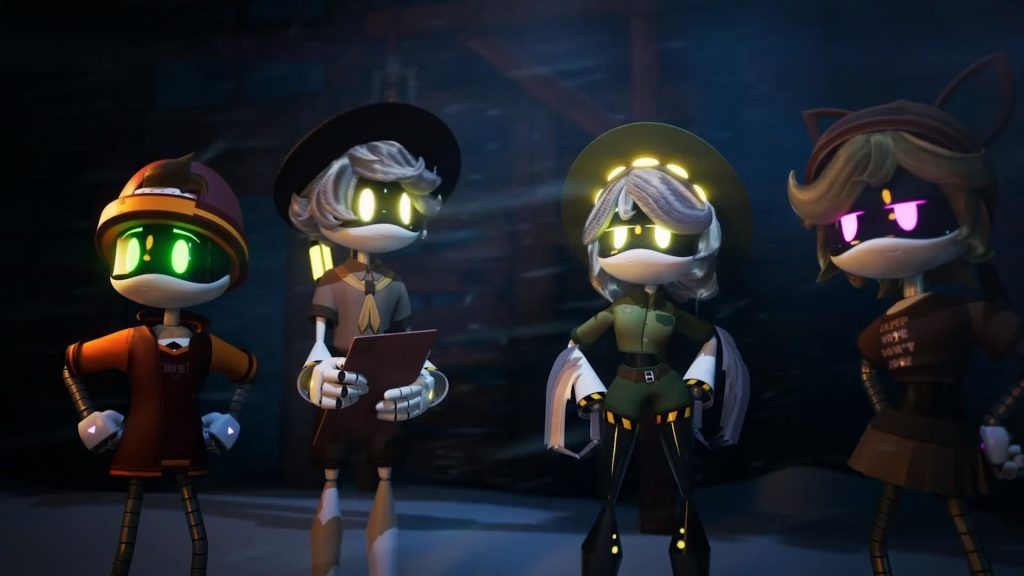
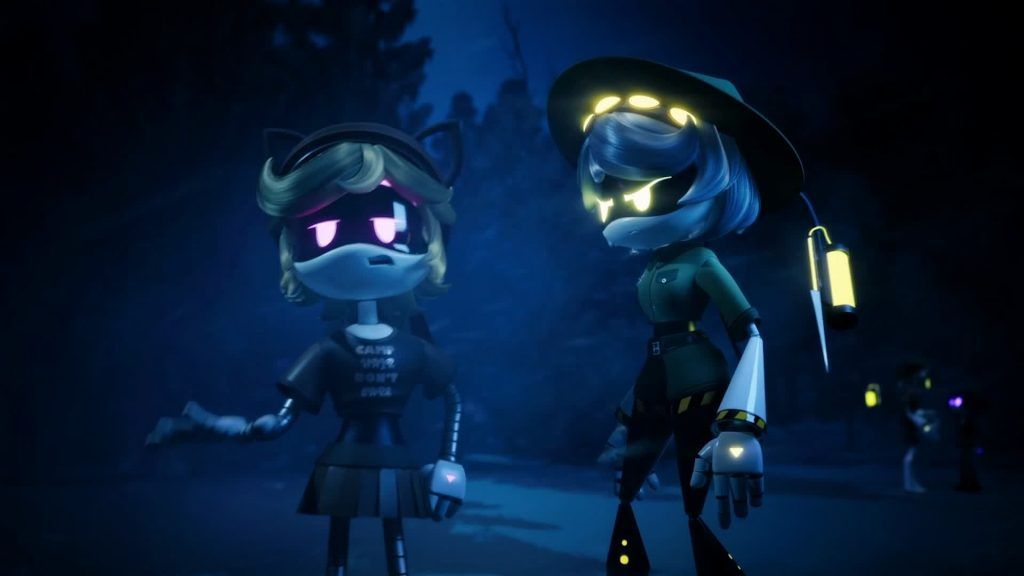
Uzi wants answers and control; N wants connection and calm; V wants the problem solved before it can spread. Their triangle finally cracks wide open here. V pushes for the brutal logic of containment, while N refuses to let Uzi be reduced to a threat assessment.
“We can’t hurt Uzi.”
N gives the episode its emotional center because that line isn’t just compassion–it’s rebellion. In a series full of hard-coded directives, he keeps choosing care over programming, and “Cabin Fever” is where that choice stops being cute and starts being costly.
Uzi’s instinct to hide, deflect, and pre-reject the people she loves also tracks back to the colony culture she grew up in, a fear-first worldview her father Khan Doorman helped normalize even when he meant well. The body horror works because it isn’t only about mutation; it’s also about shame.
Pacing & Suspense Techniques
Like “The Promening”, the episode weaponizes a familiar school event and lets comedy lower your guard before the violence snaps back in. Sight gags reset your pulse, then a monitor hisses, a door creaks, or the soundtrack drops into dead air and the whole thing tilts back toward slasher territory.
The action spikes are short and savage, then the show lingers just long enough on aftermath–oil sizzling, coughing, retching, bodies not moving when they should–to make every burst of chaos sting. It understands that dread isn’t only about the attack; it’s about the second after, when everyone realizes normal has already been lost.
Performances & Voice Work
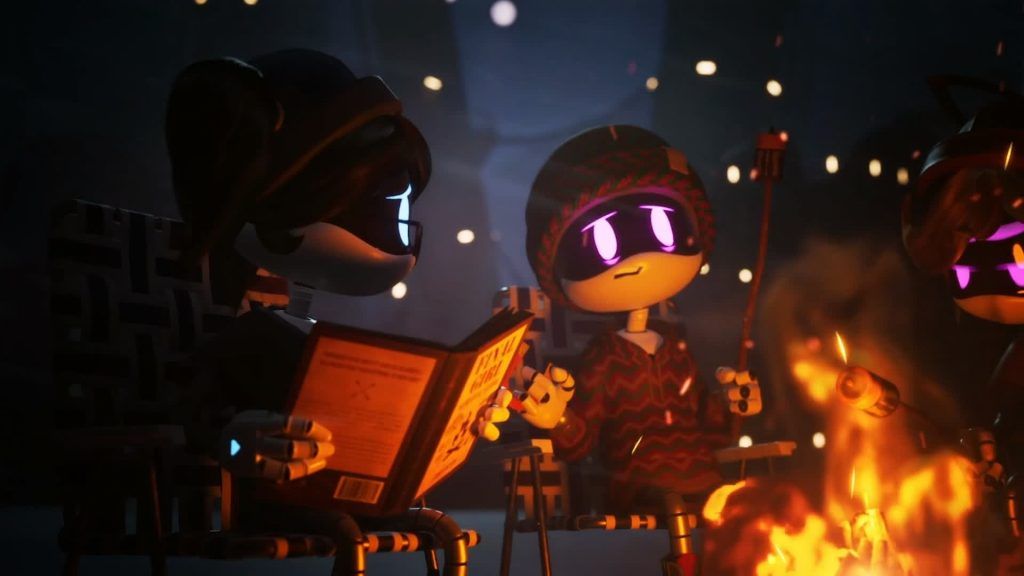
A huge part of why Uzi’s unraveling works is Elsie Lovelock’s performance. She doesn’t play the corruption as instant monster mode; she plays it as a teenager trying to sound normal while her body and voice keep betraying her a half-second at a time.
Michael Kovach gives N just enough awkward softness to keep the episode from turning purely nihilistic. When he pleads, jokes, or hesitates, you can hear the exact moment concern stops being optimism and becomes desperation.
Nola Klop makes V especially effective here because she never oversells the menace. The performance stays clipped, efficient, and almost practical, which makes V’s violence feel less like sadism for its own sake and more like someone trying to outrun a history she already understands too well.
Artwork, Lighting & Atmospheric Design
“Cabin Fever” flexes contrast. Frost-blue exteriors and campfire ambers look cozy until black-violet shadows swallow them, and the buried-lab geometry quietly foreshadows the colder, more memory-soaked interiors of “Home”. Close-ups lean into texture–ice crystals, scuffed helmets, nanite slick, and glyph-light that feels less like UI and more like contamination.
Plot Developments & Consequences
Two big forward jolts matter most. First, the episode turns the camp massacre into a real mystery with bodies, motives, and witnesses. Second, it gives the cast a literal roadmap downward, setting up the under-ice descent that pays off in “Dead End” when the series finally commits to the Cabin Fever Labs as a full nightmare space instead of a rumor.
“New body, same horrors. Huh, Cyn?”
That name-drop reframes everything. It threads Doll’s threat back to Cyn, suggests the horror has lineage, and turns what might have played as “monster of the week” into something much nastier: the past finding newer, better ways to wear a face.
Audience Reactions & Critical Notes
Fans latched onto the tonal whiplash–jokes that land seconds before gore, tenderness interrupted by mechanical hunger, and a camp setting that looks goofy until it becomes predatory. Later chapters such as “Mass Destruction” only strengthened that read, because they confirm “Cabin Fever” was never a detour; it was the moment the endgame quietly began.
It also plays better on revisit once the series expands its human history. Hints that seem merely creepy on first watch gain more weight once Tessa Elliott enters the picture more fully, especially if you’re watching for who already knows too much and who is still trying to act like this is just another bad day on Copper 9.
Standout Lines
Amid the fear and flirting, the dialogue stays snappy and painfully sincere.
“Yeah, we’ll figure that part out.”
“Then we’ll stick together.”
Those aren’t just cute beats; they’re a mission statement. The more the Solver isolates people, the more the heroes fight to make “together” a plan instead of a mood.
Final Take
“Cabin Fever” is Murder Drones in its sweet spot: teen drama welded to cosmic rot, jokes that break tension right before the blade drops, and visuals that make the snow feel like a shroud. It sharpens the show’s emotional triangle, turns lore into something tactile and ugly, and makes the descent ahead feel both inevitable and terrifying. Prom’s over. Class trip’s done. Next stop is down.