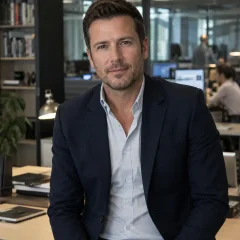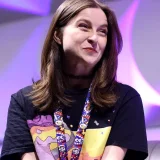
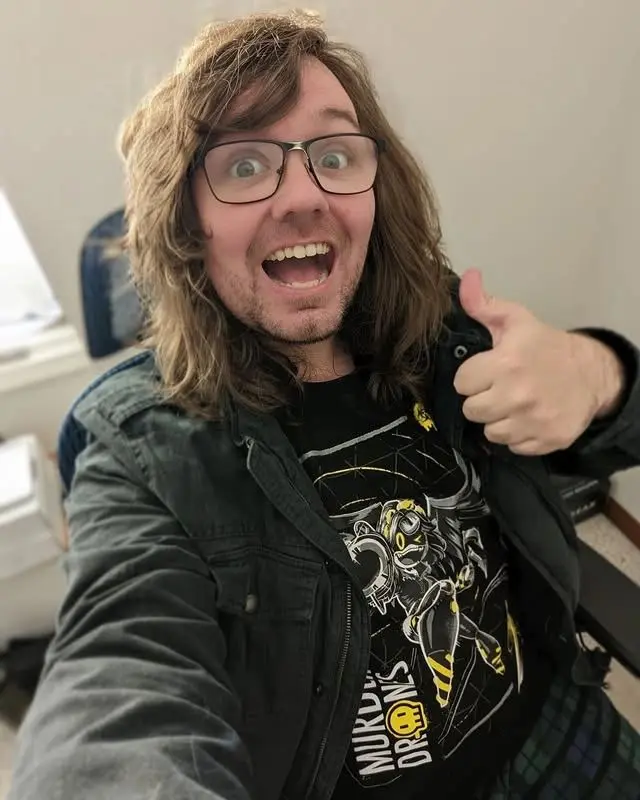
Michael James Kovach was born on June 17, 1995, in Youngstown, Ohio. Growing up with a love for cartoons - particularly Sonic the Hedgehog and Mickey Mouse - he became fascinated not by the characters, but by the voices behind them. Kovach got interested in voice acting early, inspired by performers like Tom Kenny, Rob Paulsen, Jim Cummings, and Frank Welker. He built his craft through indie animation, auditions, and small-scale projects, embracing odd quirks and improvisation to make characters uniquely his own.
Michael's breakthrough came with his portrayal of Angel Dust in the Hazbin Hotel pilot - an androgynous, slightly nasally mobster, where Kovach infused improvised lines into the final cut. From there, he took on central roles in notable web series such as Catching Up (Clay), Lackadaisy (Rocky Rickaby), Murder Drones (Serial Designation N, plus Reid and Braidon), and The Amazing Digital Circus (Jax and Evil Jax).
Notable Characters and Performances
- Angel Dust, a flamboyant character in Hazbin Hotel's pilot
- Clay in Catching Up, where he voices not just the lead but multiple supporting figures
- Rocky Rickaby in Lackadaisy — a notably more dramatic and textured role compared to his other credits
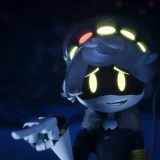
- Serial Designation N, along with Reid and Braidon, in Murder Drones
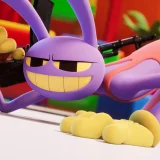
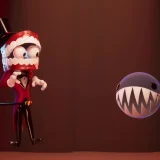
- Jax and Evil Jax in The Amazing Digital Circus
He's also voiced roles in SMG4, Billie Bust Up!, Poppy Playtime, The Gaslight District, Lumi and the Great Big Galaxy, and more, each requiring a distinct vocal register.
Collaborations with Popular Creators
A frequent collaborator of creator Gooseworx, Kovach has worked on The Darly Boxman Show, Hazbin Hotel, and most recently The Amazing Digital Circus. His partnership with these creators reflects mutual trust that often allows for improvisation and personal flair in characters.
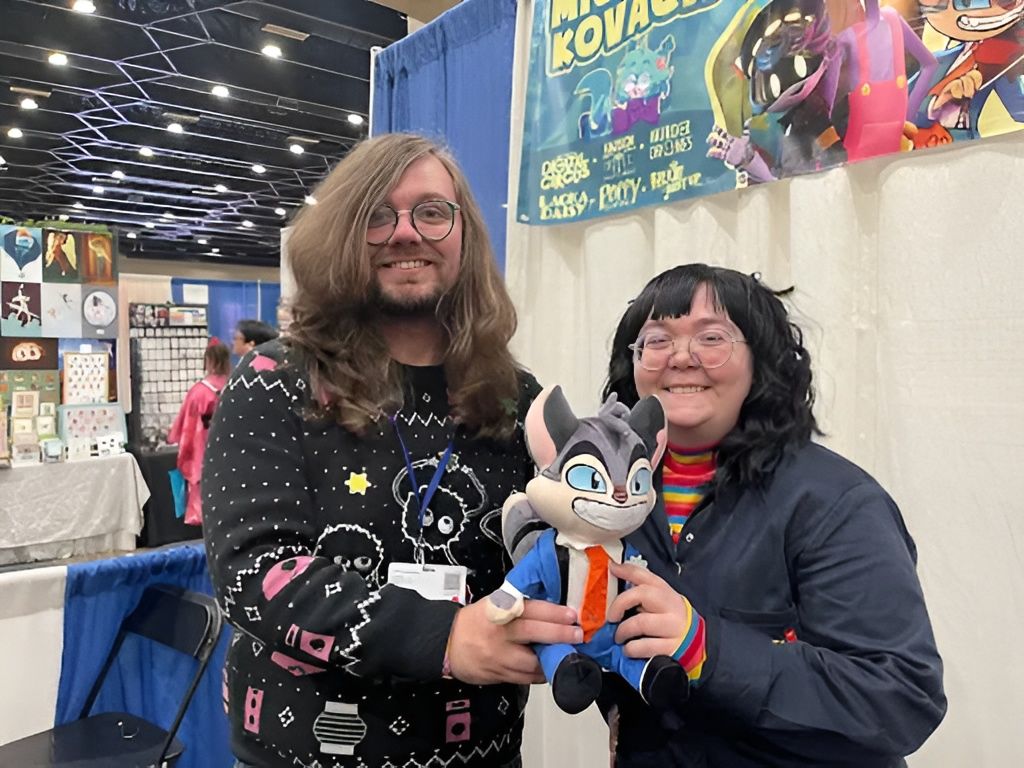
Michael's voice acting style is defined by adaptability and subtle ingenuity–like making Angel Dust slightly nasally to fit the character's physical trait. He often incorporates off-the-cuff lines, vocal quirks, and emotional nuance to enrich his roles. Whether delivering the tough but charming Jax or the conflicted Designer N, Kovach crafts voices that linger with audiences.
Other Creative Projects Beyond Voice Acting
Beyond voice roles, Michael co-hosts HuniCast, a content podcast. He also participates in fan songs–especially tied to The Amazing Digital Circus–collaborating with fellow voice actors and creators. His involvement in livestreams and interviews gives fans behind-the-scenes insight into his process and personality.
Future Prospects and Upcoming Work
Kovach has expressed interest in branching into more serious, intimidating characters–roles that contrast the silly or himbo-like parts he's often cast as. Nothing specific is confirmed yet, but the variety of what he has already taken on — from Angel Dust to Rocky Rickaby — suggests the range is already there.
| Section | Highlights |
|---|---|
| Early Life and Background | Born June 17, 1995 in Youngstown, Ohio; inspired by classic cartoons |
| The Path to Voice Acting | Inspired by legendary cartoon voices; began with indie web animations |
| Breakthrough Roles | Hazbin Hotel (Angel Dust), Catching Up, Lackadaisy, Murder Drones, Digital Circus |
| Notable Characters & Performances | Clay, Rocky Rickaby, Serial Designation N/Reid/Braidon, Jax/Evil Jax |
| Collaborations | Frequent work with Gooseworx and SMG4 creators |
| Style & Distinctive Qualities | Improvisation, vocal quirks, range from nasally to dramatic |
| Fanbase & Online Presence | Active on X and Instagram; celebrated in fan communities |
| Other Creative Projects | Co-host of HuniCast; fan song collaborations |
| Future Prospects | Interested in more serious, intimidating roles; future projects pending |