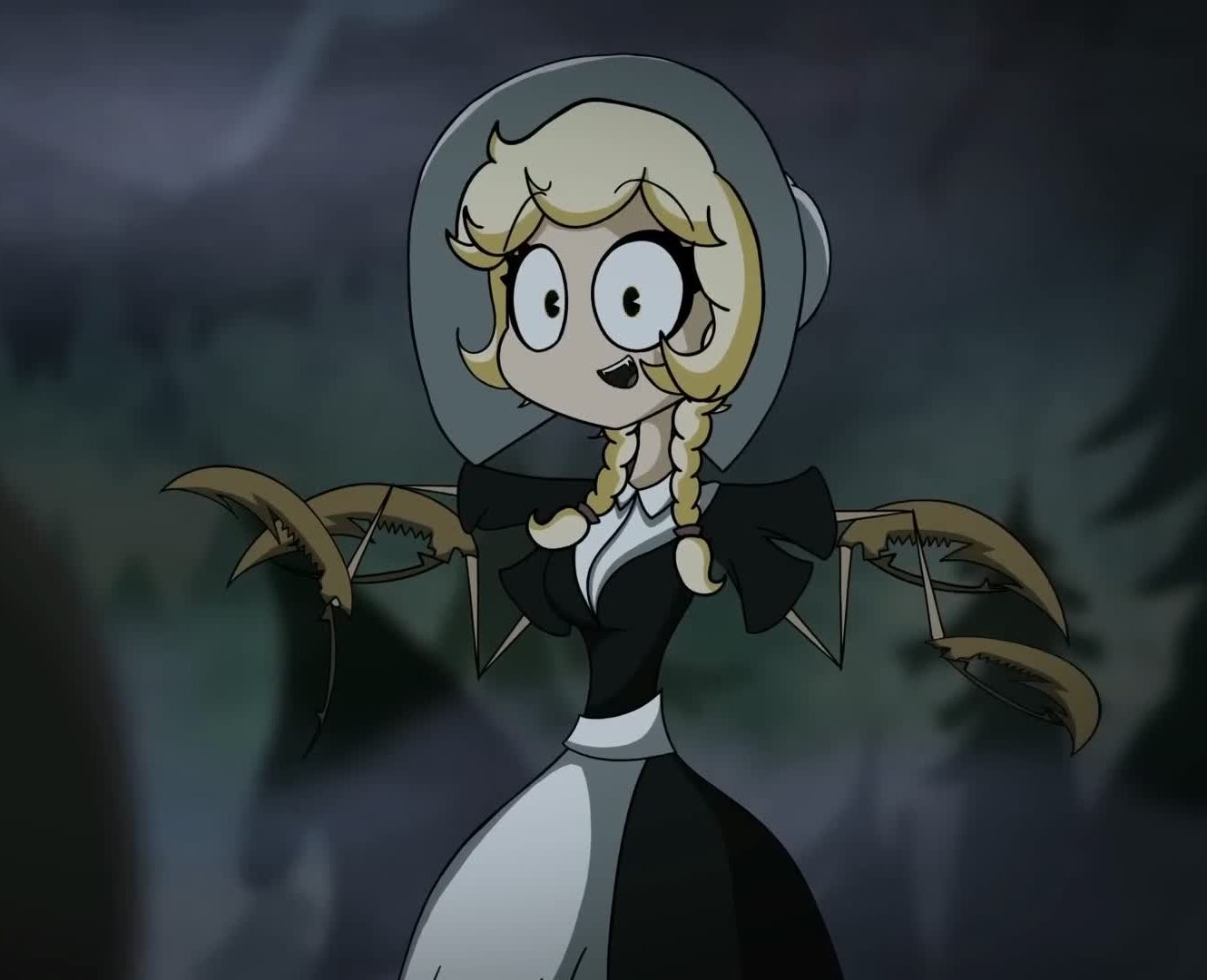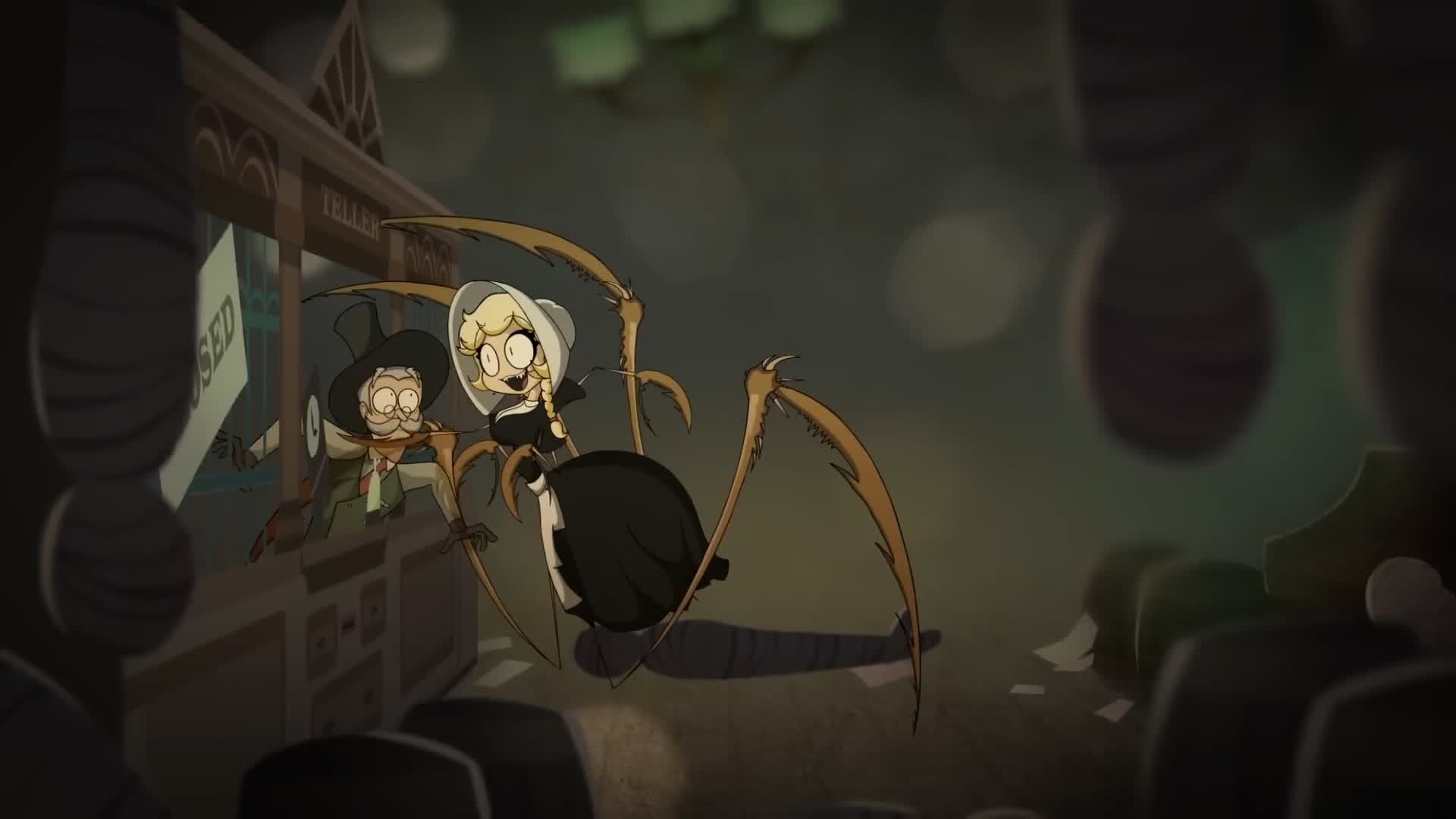
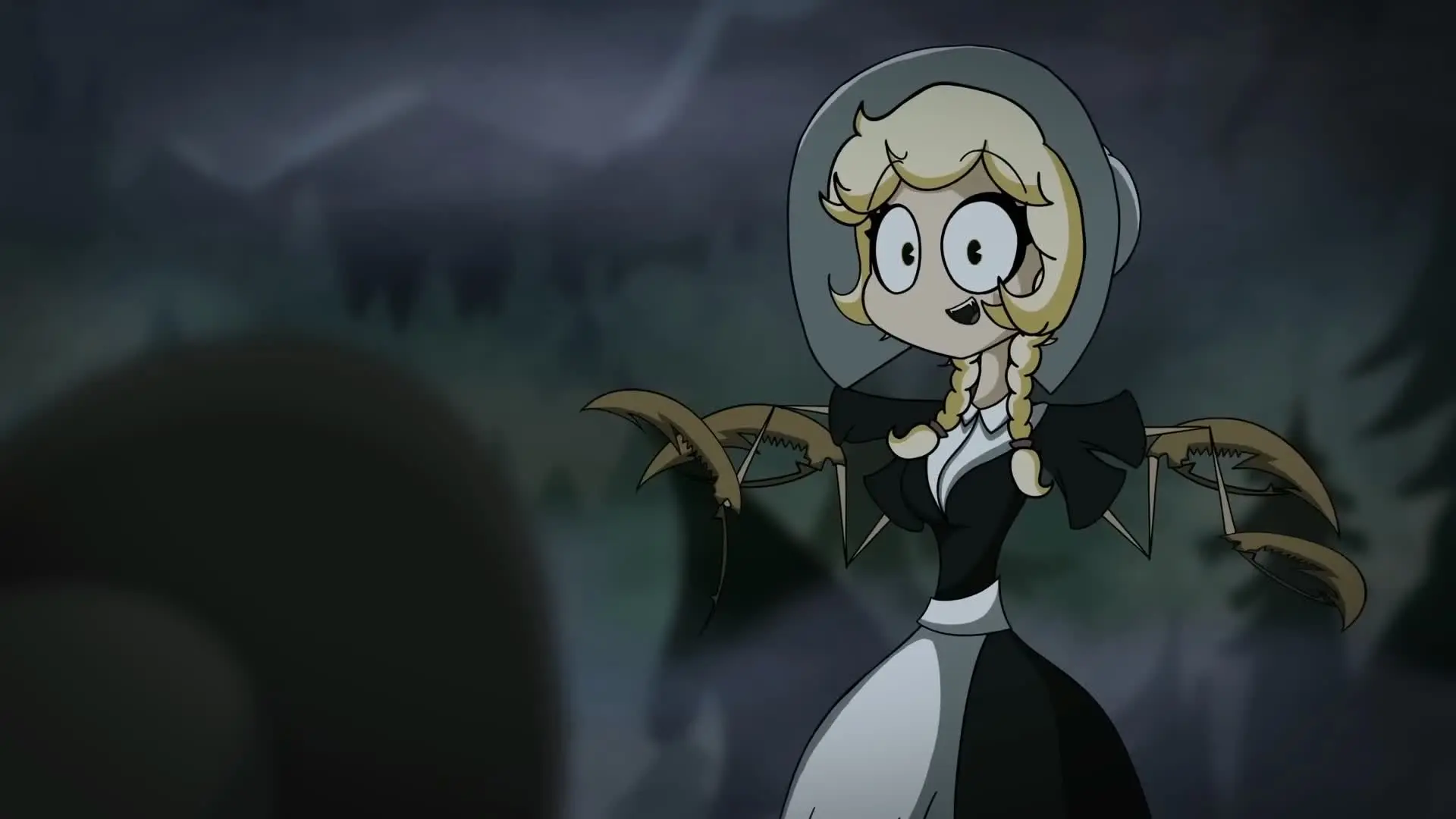
Cordie is a spider-girl deuteragonist in CliffSide who turns a throwaway outlaw fantasy into real, frightening action. However, the character’s appeal comes from contrast: she speaks with flirty cheer and seeks validation, yet she hunts like an apex predator and solves problems with sudden, comic brutality. Therefore, Cordie operates as a tonal hinge for the pilot–whenever Waylon’s swagger risks deflating the stakes, she restores danger by taking his bluster literally and executing it efficiently. In addition, her bond with Waylon reframes the town’s morality: he improvises to impress, while she acts on faith, and together they become a feedback loop in which bravado begets collateral damage. As a result, the spider-girl reads as both love interest and cautionary mirror–someone who adores the kid’s outlaw stories and, in the same breath, exposes exactly how destructive those stories become once a true predator adopts them.
Personality and key traits
| Trait | Description |
|---|---|
| Validation-driven | Then Cordie attaches to praise with alarming speed. She reads Waylon’s bragging as mentorship and tries to “earn” more attention by escalating whatever he suggests. |
| Predator’s mercy | However, beneath the cute banter sits a carnivore. Therefore, she defaults to decisive force–doors become projectiles, webs become restraints, and hesitation rarely survives the beat. |
| Loyal to a fault | Next, once she picks a side, she commits. The spider-girl shields Waylon, surrenders when Jo orders it for his sake, and forgets slights the second a bigger threat appears. |
| Comically literal | Meanwhile, she takes outlaw lessons at face value. As a result, “gunslinger” talk turns into quad‑wielded revolvers and a robbery carried almost entirely by her. |
| Affection with edges | Finally, her tenderness can still hurt; a protective embrace can puncture an eye, and a congratulatory squeeze can crack bone. Love does not blunt the claws. |
Story arcs and development
Arc 1 – “From hunter to student.” Start: Cordie stalks Waylon in the woods, treating him like lunch with a hat. Then a few compliments and a breezy demonstration of gunslinger “wisdom” convince her that the kid is a genuine outlaw who can teach her to be feared. As a result, she flips from ambush to apprenticeship, learns at breakneck speed, and adopts firearms with unnerving competence–establishing a pattern where Waylon’s talk invites consequences he cannot manage.
Arc 2 – “Bank raid and the Jo problem.” Start: Riding the high of tutelage, Cordie robs a bank as if it were a love letter, forcing Waylon to keep up with her momentum. Then Jo Constance arrives with a posse, and the spider-girl shreds through the rank-and-file before freezing under Jo’s cool authority; to protect Waylon, she accepts a clean surrender. As a result, Jo clocks the dynamic immediately–this is a lethal romantic, not a mastermind–and the scene defines Cordie’s compass: devotion first, ego never.
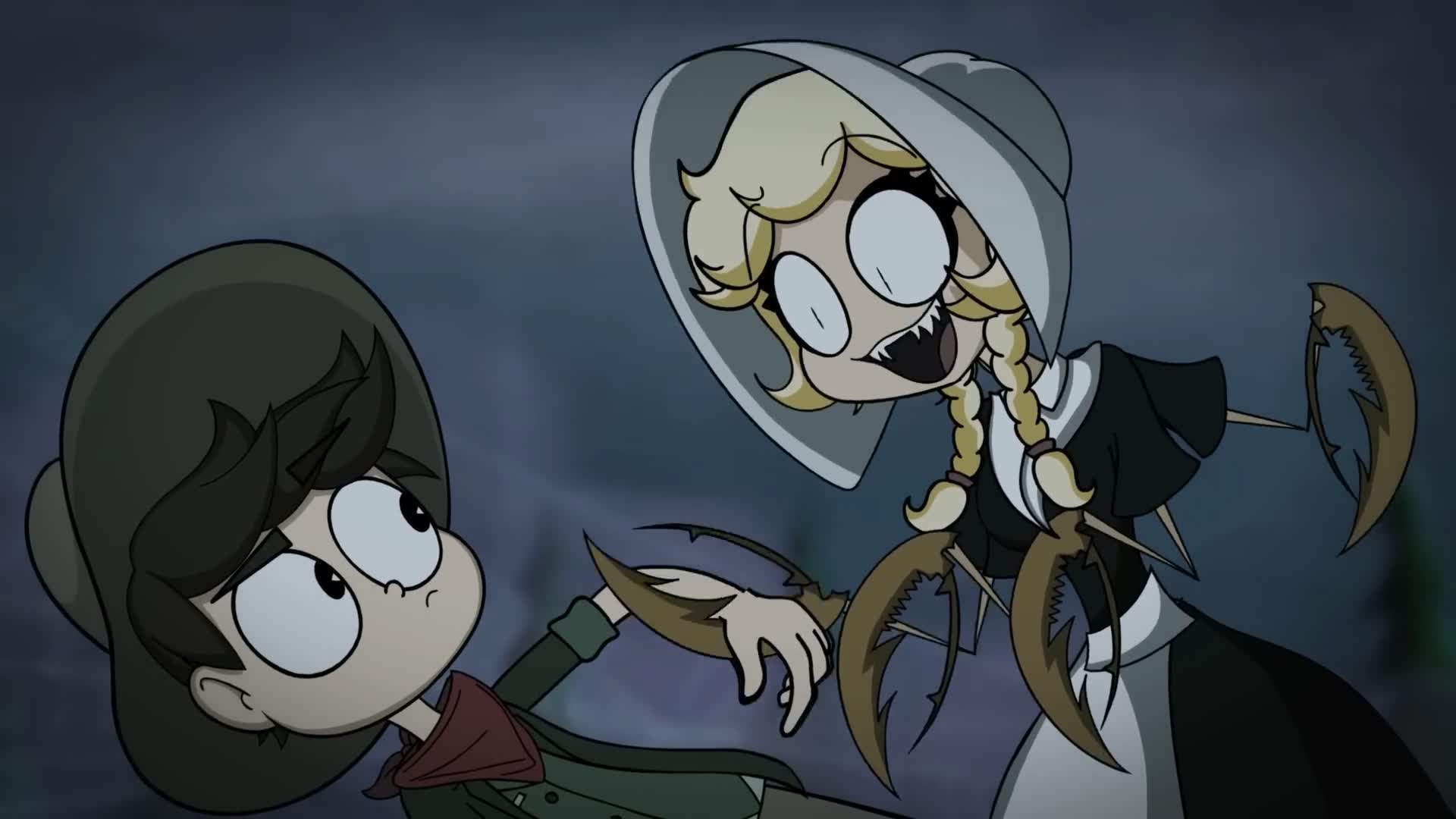
Arc 3 – “Death Itself and the eye-gouge gag.” Start: As Death returns to the street, Cordie and Waylon duck together, and she interprets his grip as affection. Then she hugs back–hard–and her pincer pierces his right eye just as the standoff escalates. As a result, the episode gets its best thesis joke about CliffSide’s tone: even the hugs can maim, and even slapstick has stakes. The moment also cements her as both danger and shield; she harms him while trying to keep him safe.
Arc 4 – “Breaking the old pecking order.” Start: Hints point to a past where Cordie deferred to bigger predators like Yannis and even ran errands for Death. Then Waylon’s support, however clumsy, stiffens her spine, and she stops acting like a pushover. As a result, the former minion becomes a co‑lead in the town’s chaos–still gullible, still affectionate, but finally choosing whose rules she follows.
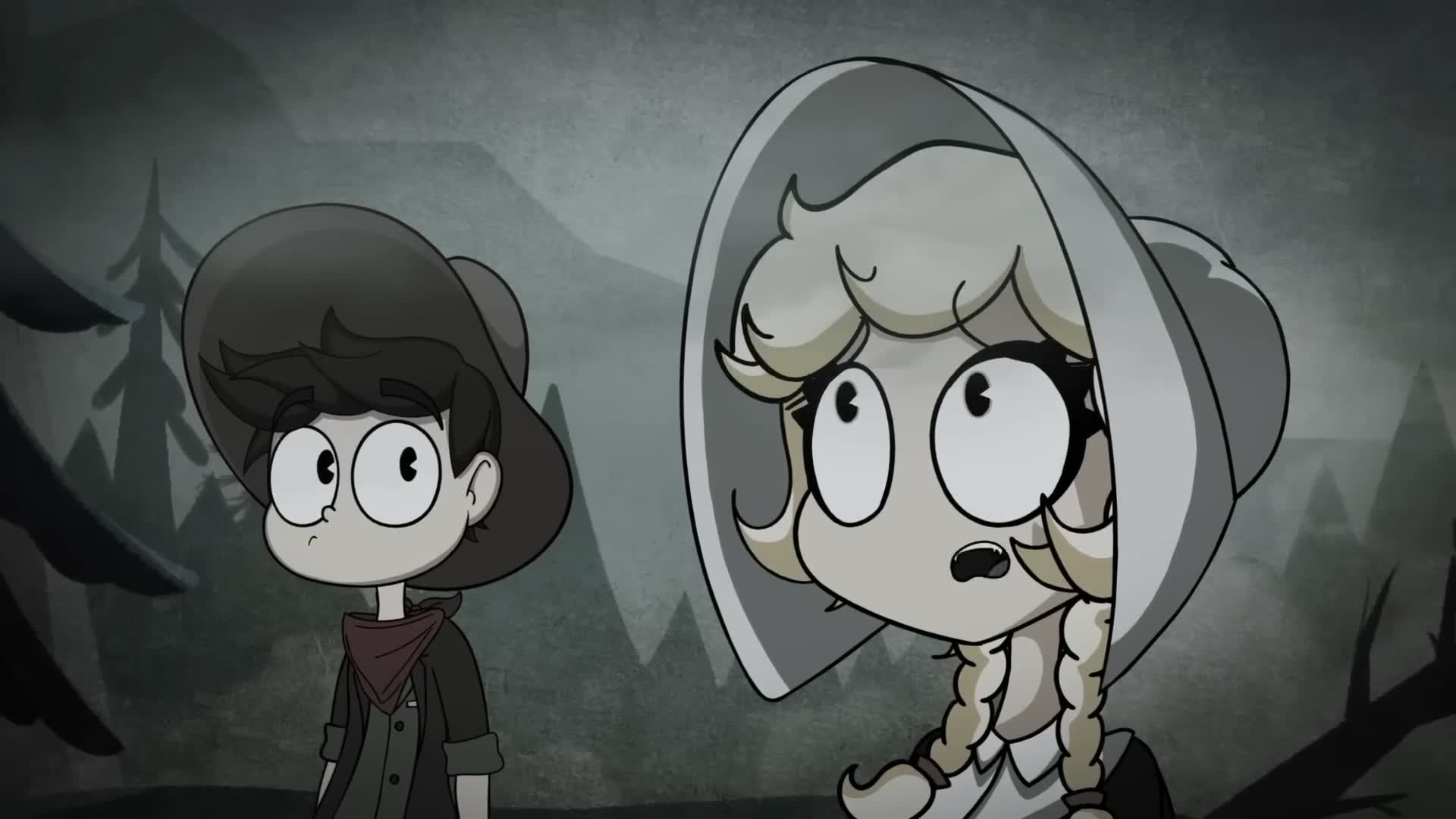
Relationships with other characters
| Character / Entity | Role vs. Cordie | Dynamics |
|---|---|---|
| Waylon | Mentor, crush, catalyst | Flattery flips her from predator to partner; she executes his outlaw talk at full volume, protects him impulsively, and mistakes accidental intimacy for commitment. |
| Jo Constance | Skeptical ally | They clash during the bank fight and settle into wary respect. Jo’s steadiness reins in Cordie’s romantic violence and protects Waylon from his own boasts. |
| Death Itself | Former boss, current threat | The cosmic rider embodies the authority she used to obey. Her instinct to hide from him–while shielding Waylon–marks a break from that hierarchy. |
| Yannis | Apex predator foil | Yannis represents the old pecking order; Cordie’s growth shows she no longer takes abuse from larger monsters, even if the fear lingers. |
| Jo’s posse | Enemies turned proof of skill | The spider-girl dismantles most of them, which demonstrates her combat ceiling and sets up Jo as the only one who can stop her without chaos. |
| Chupacabra Ares | Offscreen casualty (Spoiler) | One account names Cordie as the unseen killer of Ares, a beat that reframes her flirtatious charm as apex predation when pushed. |
| CliffSide (the town) | Enabler and crucible | The town rewards spectacle and punishes hesitation–perfect conditions for a validation-seeking predator to thrive and for Waylon’s stories to backfire. |
Appearance, symbols, and recurring motifs
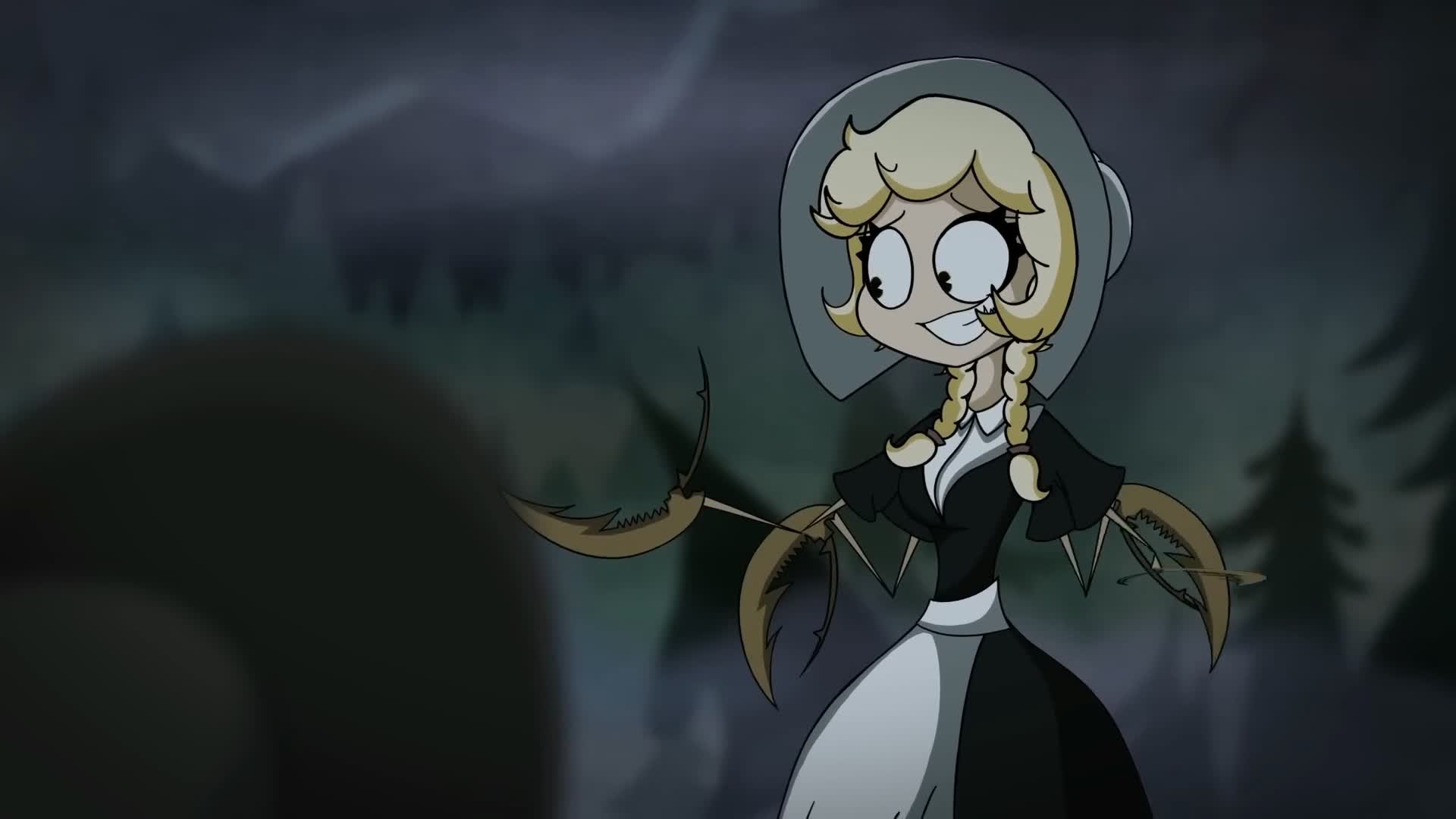
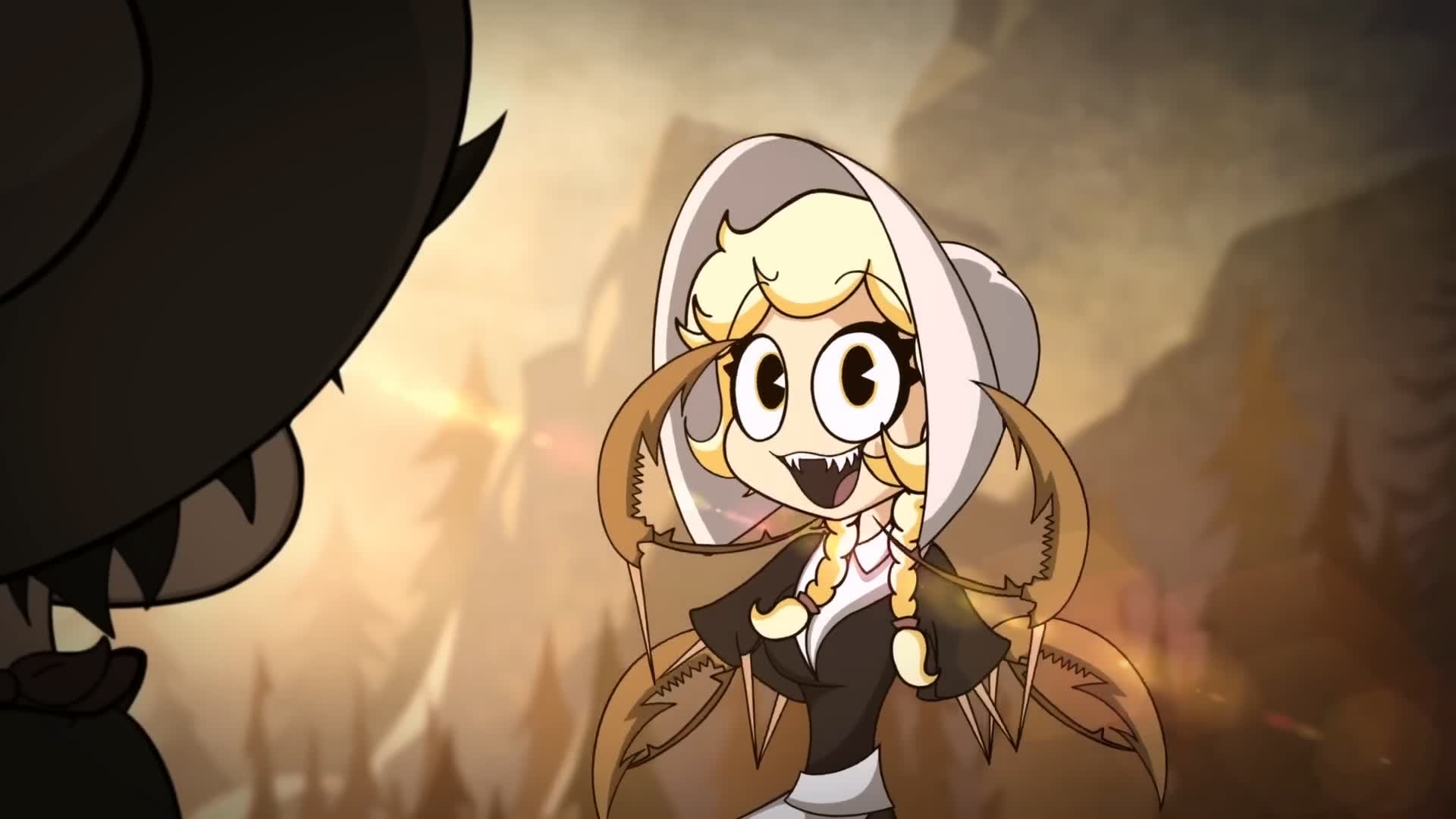
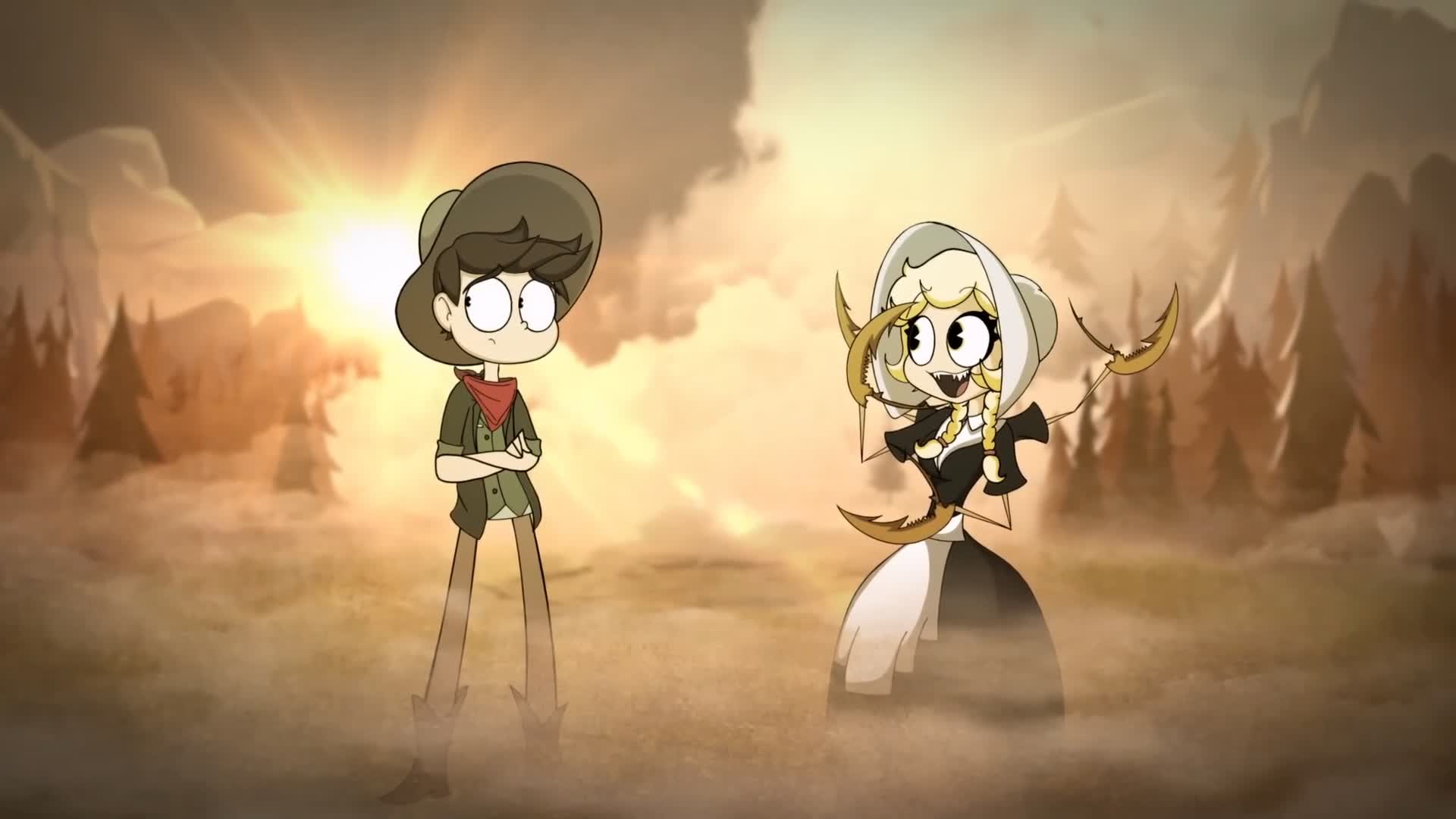
Visually, Cordie reads instantly: a slender spider-girl with long light‑blonde hair braided into pigtails, yellow eyes that flip to heart-shaped pupils around Waylon, and pale orange clawed hands that double as pincers. However, the costume chooses contrast over cliché–a white coif and apron atop a dark, milkmaid‑style dress–so the silhouette says “innocent” while the teeth and extra legs say “run.” Therefore, her palette and posture build a reliable gag engine: she beams, she flirts, and then she rips a door from its hinges or web‑tethers prey to the nearest wall. Next, firearms become part of the design language; quad‑wielded revolvers look absurd until she starts hitting everything she aims at. As a result, three motifs repeat: validation (she glows when praised), escalation (compliments become crimes), and injurious affection (hugs that hurt). Finally, the web itself works as signature punctuation–thin lines that switch a scene from banter to checkmate in a blink.
Fandom and alternative names
- Cordie – standard name across character pages.
- Spider girl – descriptive alias used in summaries.
- Spider lady – occasional in‑world jab and fandom shorthand.
- Stupid spider – teasing nickname used mockingly in‑universe.
- Корди – common Russian transliteration.
- Outlaw spider girl – fan descriptor for her gunslinger phase.
Interesting details and quotes
- Voice: Joelle Jacoby, whose delivery balances flirtatious chirp with threat.
- Signature move: quad‑wielding revolvers–two hands, two extra spider legs–turns a joke into overwhelming firepower.
- Visual tic: her pupils shift to hearts when Waylon gives her attention, a cute gag that masks predatory intent.
- Strength clip: she can kick a door into a deadly projectile, underscoring “predator first, sweetheart second.”
- Species privilege: along with Yannis, she’s one of the few characters shown with colored eyes and an ear for Death’s language.
- Spoiler: during the Death standoff, an affectionate hug punctures Waylon’s right eye–love and harm in one beat.
- Bank sequence: most of the heist’s muscle is her doing; Waylon mostly talks while she performs.
No it wasn’t. It was… hehe… horrifying… I’m going to eat you now.
I’m Two‑Bit Jerry! A gunslinger and an outlaw!
– Waylon’s line that Cordie takes far too seriously.