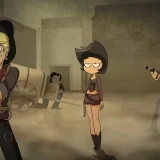
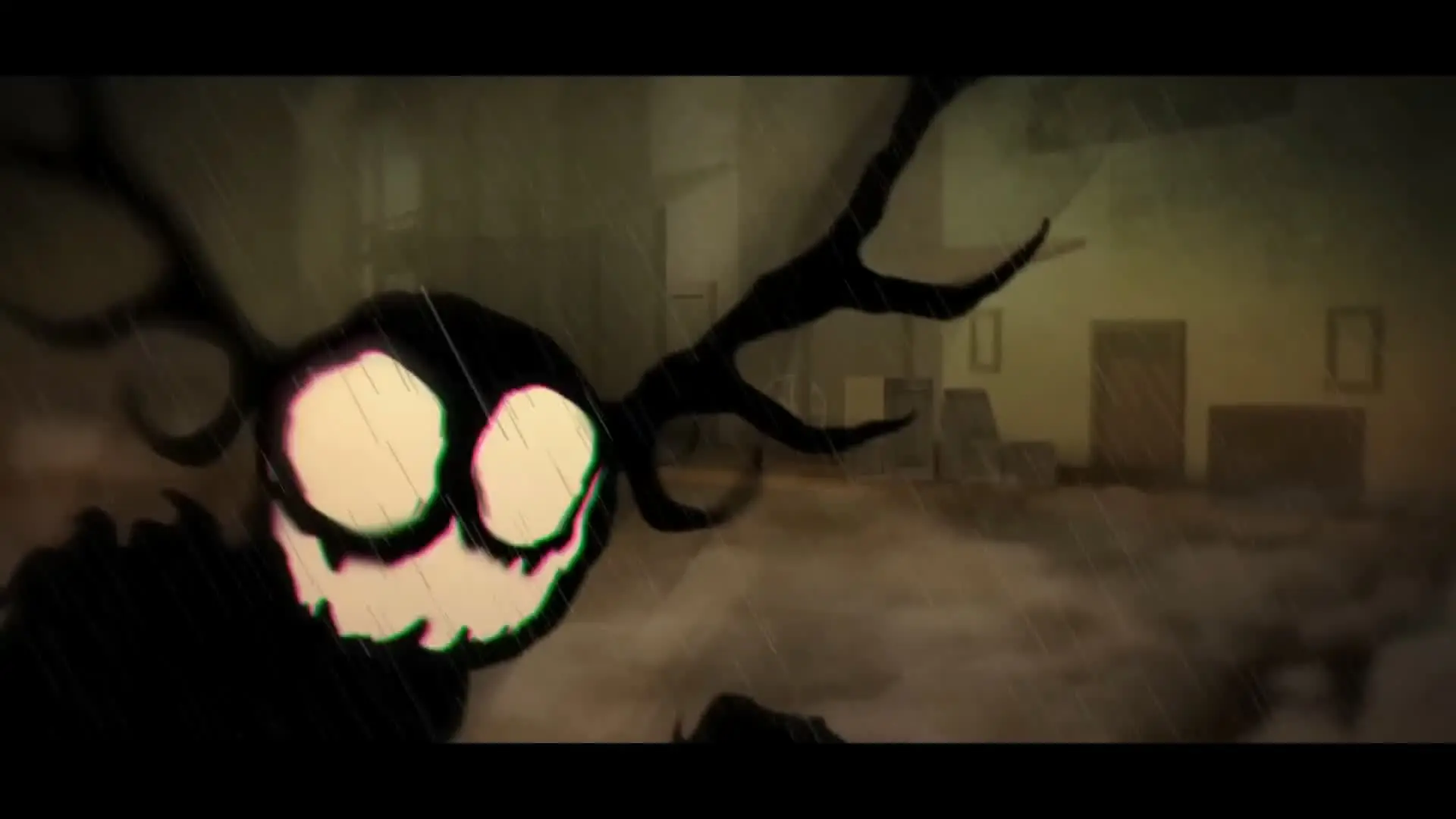
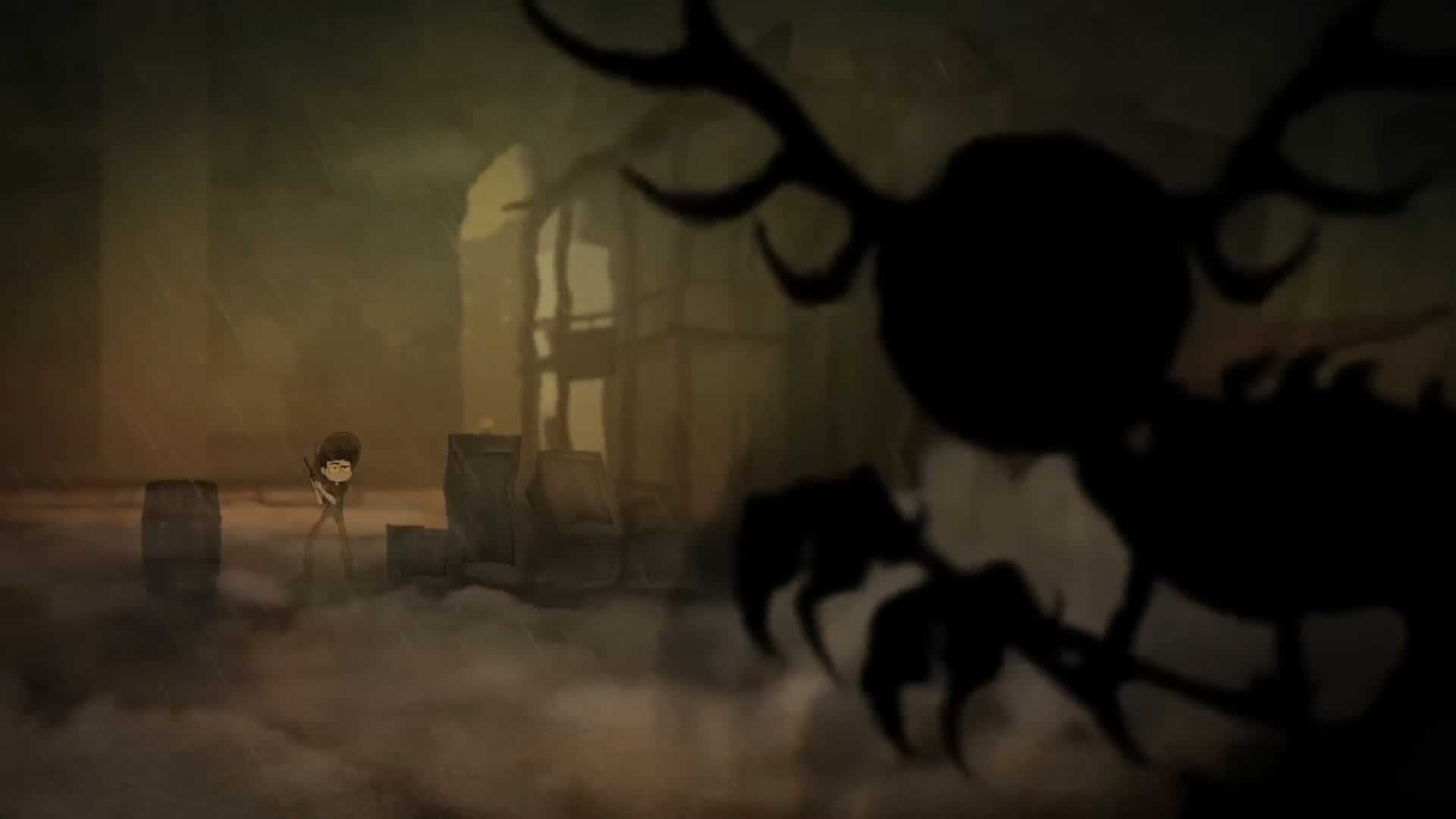
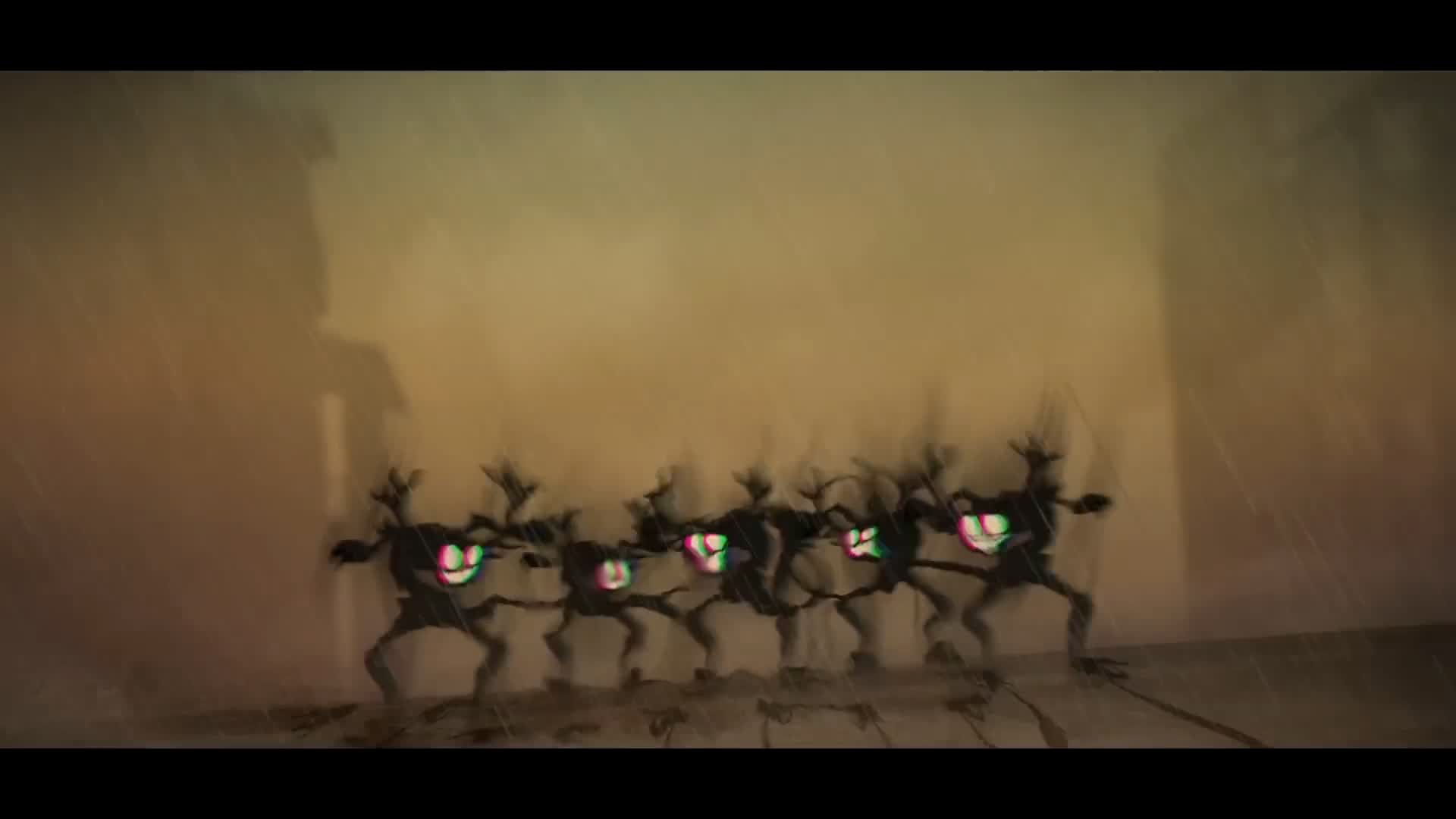
Wendigos are the first on‑screen monster threat in CliffSide. However, unlike many background creatures that stay at the town’s edge, this species charges straight into the streets, turning a comic voiceover gag into a full‑blown survival problem. Therefore, the pack functions as a scene‑setting benchmark for danger: they move fast, surge in numbers as panic spreads, and force CliffSide’s watchmen to fight while telling jokes with one eye on the exit. In addition, Wendigos help codify the show’s tonal promise–“monsters and shootouts”–by proving that pratfalls and peril can share the same beat without shortchanging either. As a result, the creatures anchor the pilot’s escalation curve: their sudden arrival, crowd‑chase energy, and scrappy violence introduce the rules of the valley long before grander lore creatures ever appear. Over time, fans treat the attack as the yardstick for physical stakes in this setting.
Origin and first appearance
However, viewers first meet Wendigos in the 2018 pilot, when Waylon’s swaggering narration bleeds into the diegesis and a nearby creature reacts as if it heard him. Then, chaos blooms: shapes pour from alleys, windows slam, and townsfolk sprint while the young narrator pretends he planned none of it. Next, Jo steps in with deadpan competence to extract civilians, a contrast that frames the protagonist’s bravado against actual crisis response. Meanwhile, the camera language sells a rule of the world–noise, attention, and bad timing attract predators–so a running joke becomes a chase that tears through the saloon district and out to the edge of town. Consequently, Wendigos define CliffSide’s first public safety emergency on screen: they swarm, they test aim under pressure, and they make it clear that living here means treating every shadow like a live wire. As a result, the pilot’s “Wendigo incident” becomes both plot and proof‑of‑concept for the series.
Personality and key traits
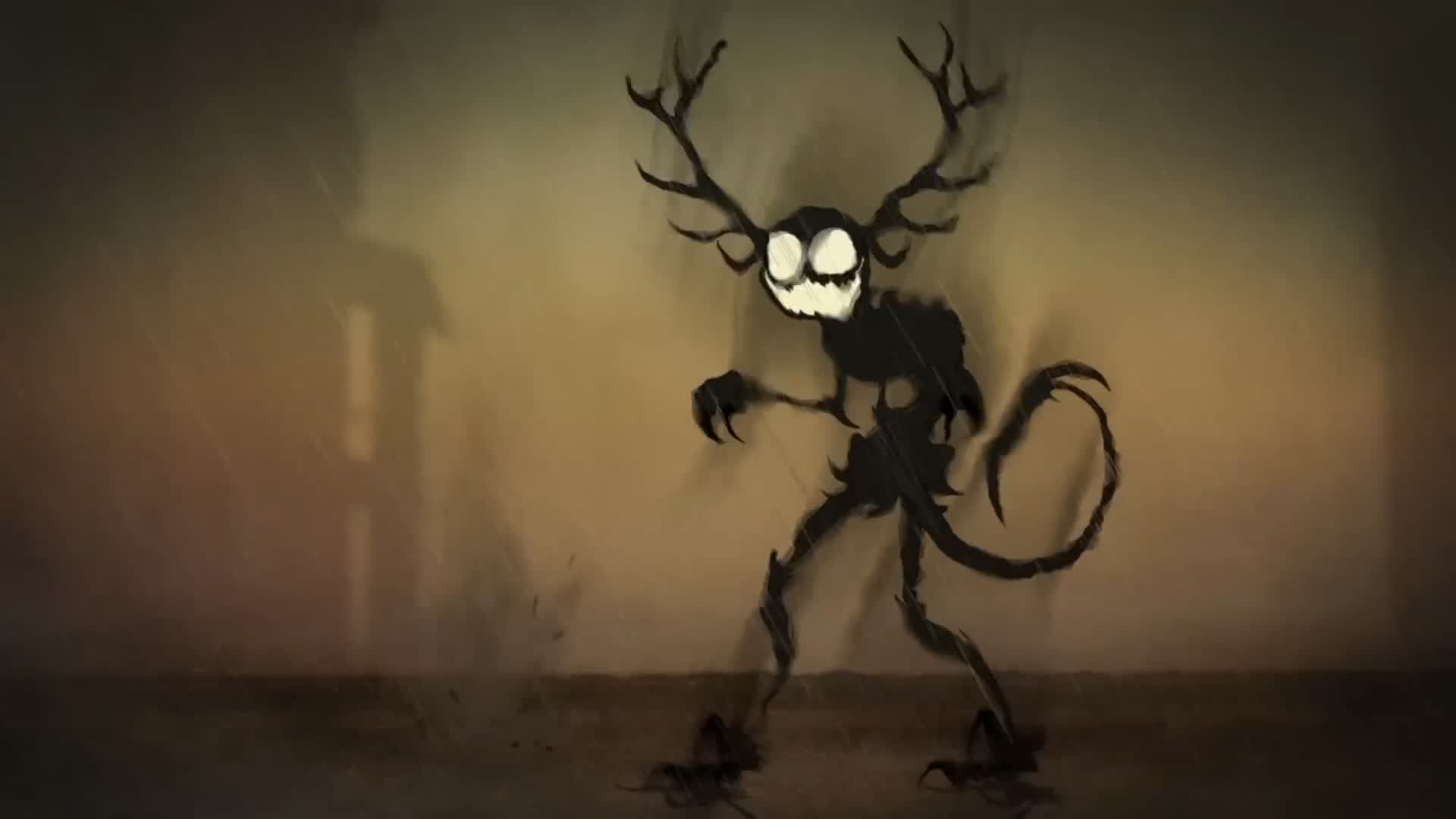
Then, because the behavior reads in compact beats, a table conveys the profile cleanly.
| Trait | What it means in practice |
|---|---|
| Pack aggression | They operate in groups and press numbers whenever prey hesitates. Therefore, hesitation and noise quickly convert into a crowd control nightmare. |
| Sensory trigger | The pilot implies they respond to sound and motion; a loud voice draws attention. As a result, silence and coordination matter more than bravado. |
| Urban incursion | They breach city limits and force fights on main streets, not just in canyons. Then, merchants, bystanders, and watchmen become part of the same problem. |
| Fast escalation | Once the first contact lands, more bodies fill the frame. Consequently, small mistakes snowball into big ones unless someone resets the tempo. |
| Physical menace | They sprint, claw, and grapple; gunfire only helps if shooters keep spacing and lines of fire clear. In practice, teamwork beats solo heroics. |
Story arcs and development
Arc 1 – Town incursion as tone statement
Start: CliffSide’s streets bustle with scams and banter while Waylon narrates his own myth. Then: Wendigos smash through the frame and force the cast to choose between jokes and survival in real time. As a result, the series establishes its balance: comedy doesn’t defuse the danger; it rides alongside it. The monsters’ speed, headcount, and proximity to civilians translate a Western town set into a creature‑feature arena, which teaches the audience how to read future episodes–prepare for violence at any moment, expect a punchline to land on the run, and never trust an empty alley. Therefore, the incursion locks the show’s identity early and gives every later plot a baseline to measure against.
Arc 2 – Voiceover becomes a liability
Start: Waylon opens his mouth to frame the legend of CliffSide as if the world bends to his narration. Then: a Wendigo reacts and the wall between storyteller and scene collapses, making the kid’s commentary part of the hazard itself. As a result, words gain weight: shouting orders or spiking a joke at the wrong time can draw claws and teeth. The arc reframes the protagonist’s signature move–from safe meta device to risky behavior–so future plans must account for it. Consequently, the creatures double as a craft lesson inside the text: control your voice, or the monsters will do it for you.
Arc 3 – Public order vs. swarm logic
Start: The attack forces the watch to improvise–block lines of approach, pull civilians, and keep shooters from cross‑firing. Then: Wendigos surge on screen and the scene feels one mistake away from collapse, highlighting how quickly a posse can lose a street if panic sets in. As a result, the town’s need for a ruthless enforcer becomes legible, setting the stage for a law‑and‑order pivot later in the pilot. The creatures thus become catalysts for policy: curfews, buddy systems, and hard rules about raising your voice after dark. Therefore, even when the episode resets to jokes, the civic scar tissue remains.
Arc 4 – Benchmark for physical stakes
Start: Later lore and concept sheets introduce unseen or larger‑than‑life species, but none displace the pilot’s first fight as the baseline for immediate danger. Then: Wendigos stand as the “you were there” metric–everyone in town has a story about that day, and writers can measure new threats against it without re‑explaining the rules. As a result, the species evolves into shorthand: a Wendigo sighting means urban combat, noise discipline, and sprint‑length distances where your next decision matters more than your backstory. Consequently, the franchise keeps a ready tool in its kit for episodes that need kinetic urgency fast.
Relationships with other characters
| Name | Role vs. Wendigos | Dynamics |
|---|---|---|
| Waylon | Protagonist vs. swarm | His narration draws attention and accelerates the chase. Therefore, he survives by improvising and retreating rather than by outgunning the pack. |
| Jo | Watchman vs. incursion | She extracts civilians and prioritizes clear shots and spacing. Then, her competence counterweights Waylon’s noise and keeps losses down. |
| Cordie | Ally vs. ground threat | Her offensive power helps break pursuit lines, but her zeal can escalate fights. As a result, coordination with Jo matters to avoid friendly fire. |
| Death | Law vs. chaos | The reaper’s later authority crystallizes partly because the town needs order after street‑level crises. Consequently, Wendigos justify stricter rules. |
| Yannis | Air hunter vs. street pack | She controls the sky for Death while Wendigos dominate ground chases. Then, together they map vertical and horizontal danger across the valley. |
| Background Street Crosser | Bystander vs. stampede | The running gag of near‑miss pedestrians becomes grim under a pack attack; the species exposes how quickly jokes turn into triage. |
| CliffSide (location) | Town vs. invaders | Because the streets are tight and populated, even a medium‑sized group threatens order. Therefore, curfews and patrols become standard. |
Appearance, symbols, and recurring motifs
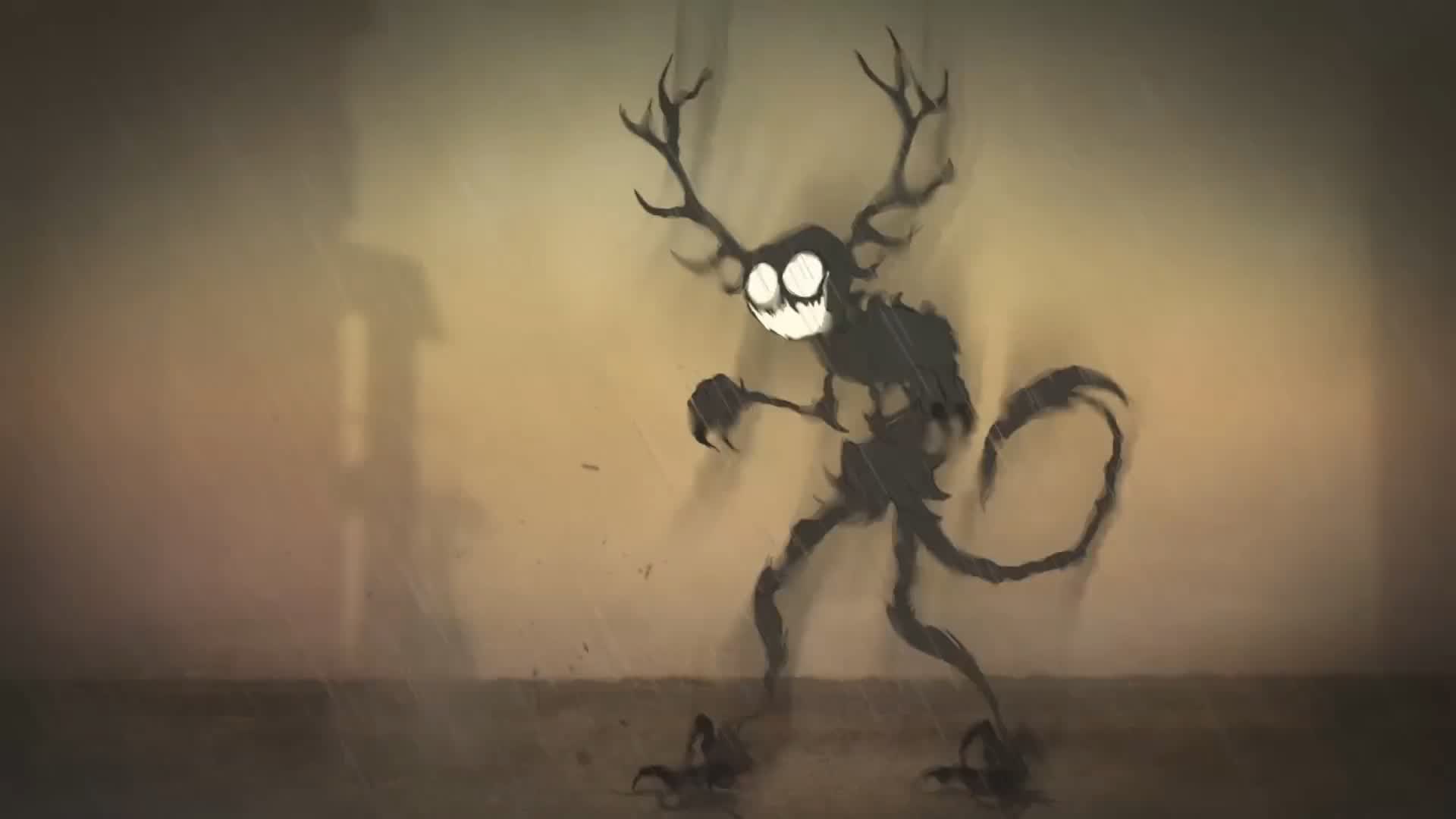
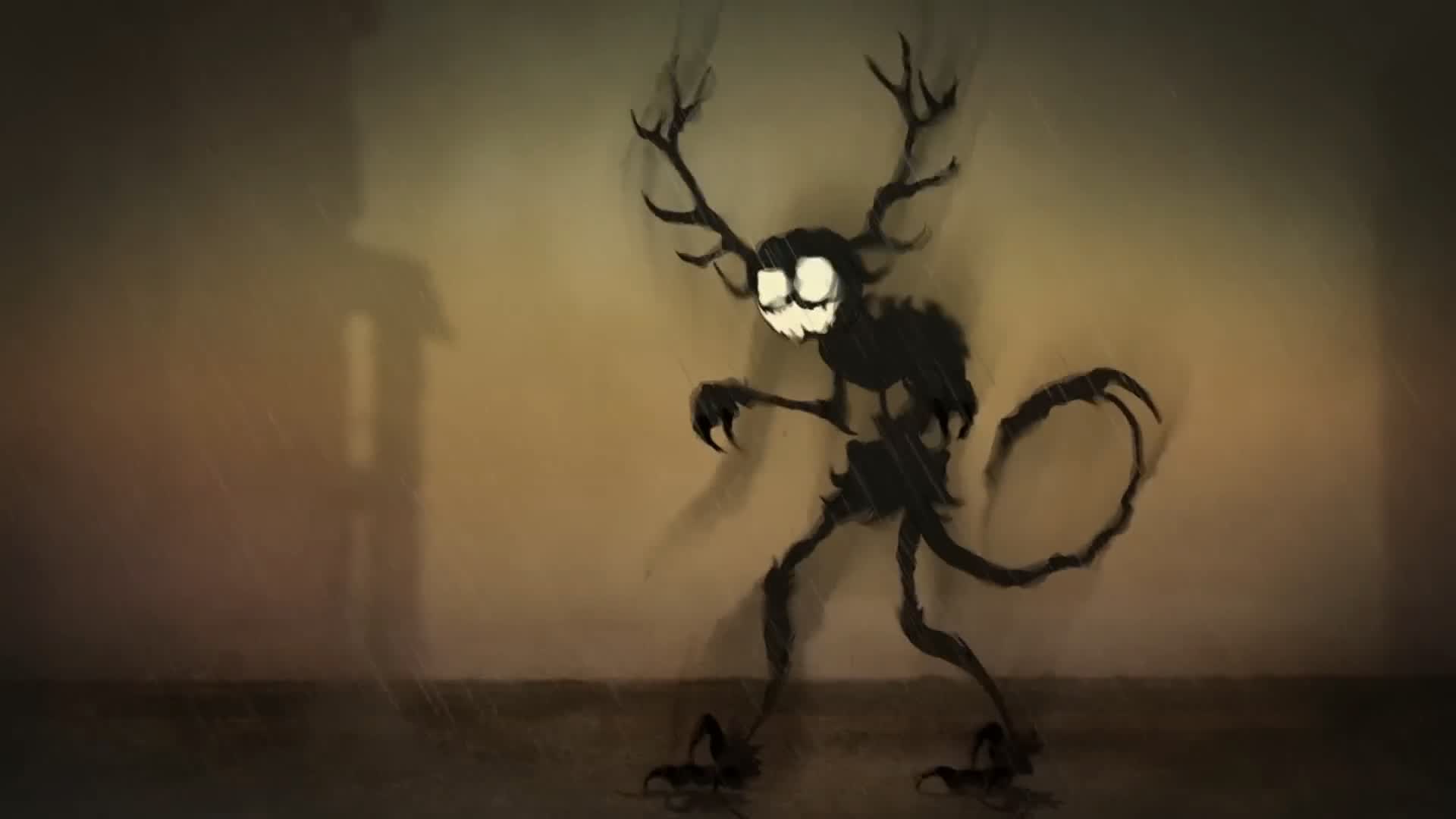
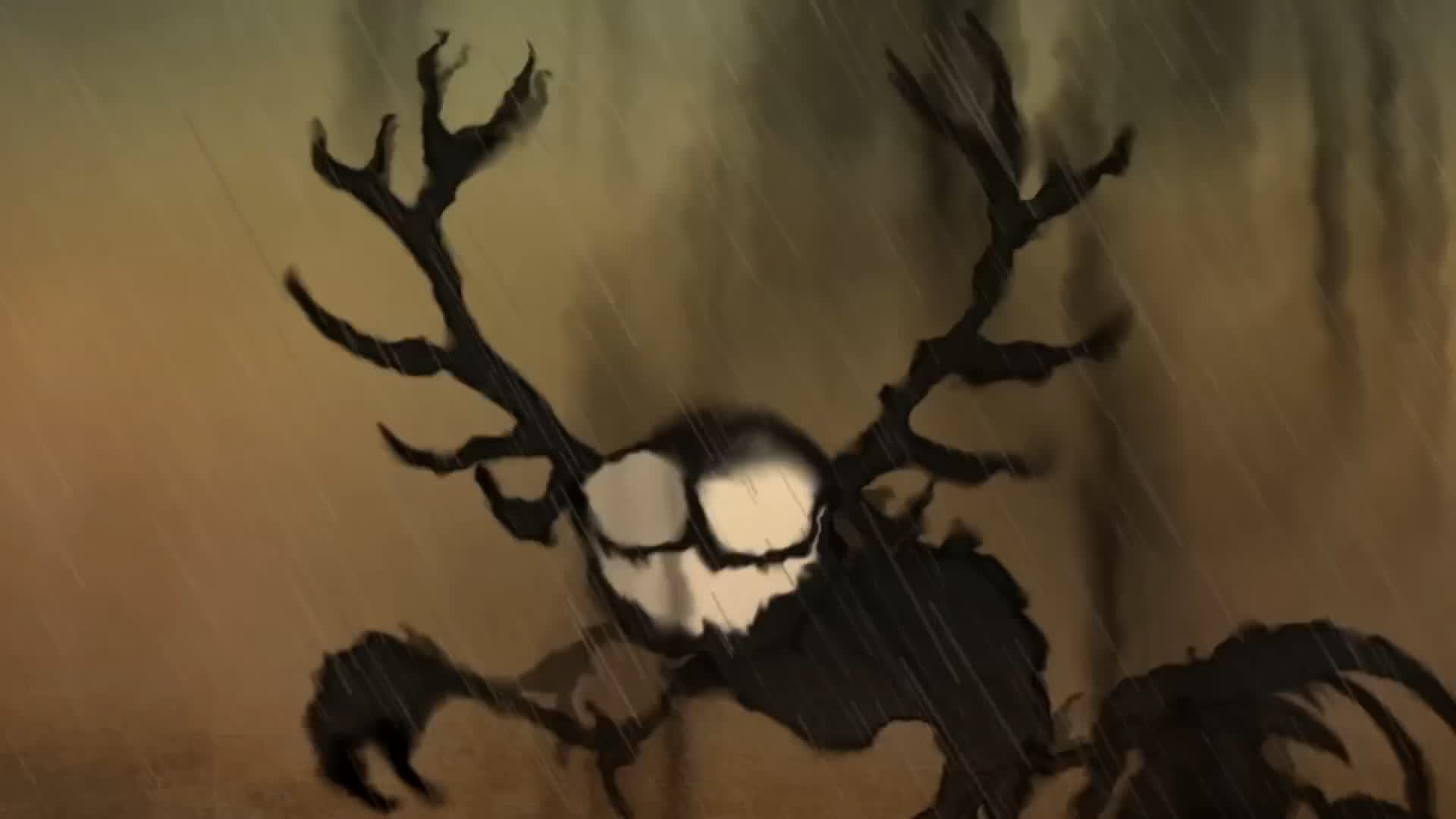
Visually, Wendigos read as gaunt, long‑limbed predators built for sprinting and grappling. Then, their silhouettes–lean torsos, overlong arms, snapping jaws, and clawing hands–sell impact even before a hit lands. In addition, their movement language is the point: fast entries from offscreen, sudden clumps that hem characters in, and leap‑and‑lunge beats that make alleys feel shorter than they are. Therefore, recurring motifs cluster around sound and pace: a voice that carries a little too far, a sudden hush before feet slap dirt, a door latch that clicks a moment too late. As a result, the creatures symbolize CliffSide’s central anxiety–noise draws danger–and the show can evoke them with a single audio cue or a shadow breaking into a run.
Fandom and alternative names
- Wendigos
- Wendigo (singular)
- CliffSide Wendigos
- Street Wendigos (fan shorthand)
- Town‑attack pack (descriptor)
- Вендиго (Russian)
Interesting details and quotes
- The pilot uses the Wendigo chase to prove that comedy and horror can share the same frame without canceling each other.
- Waylon’s habit of talking over the action becomes dangerous the moment the pack responds, turning voiceover into a tactical mistake.
- Jo’s clean shooting and calm triage during the attack establish her as the series’ competence anchor.
- The sequence’s geography–alleys, rooftops, and open street–trains viewers to expect danger anywhere, not just out on the trails.
- Subsequent lore introduces bigger monsters, but this group remains the baseline for immediate, repeatable street threats.
- The attack motivates civic responses inside the story world: patrol patterns, curfews, and a stronger mandate for whoever wears the badge.
- Fans often refer to the opening melee as “the Wendigo incident,” a compact name for the pilot’s escalation.
My voice over.
– Waylon, seconds before the scene spirals into a chase.Watch out!
– a shout to a hapless pedestrian that turns slapstick into suspense.