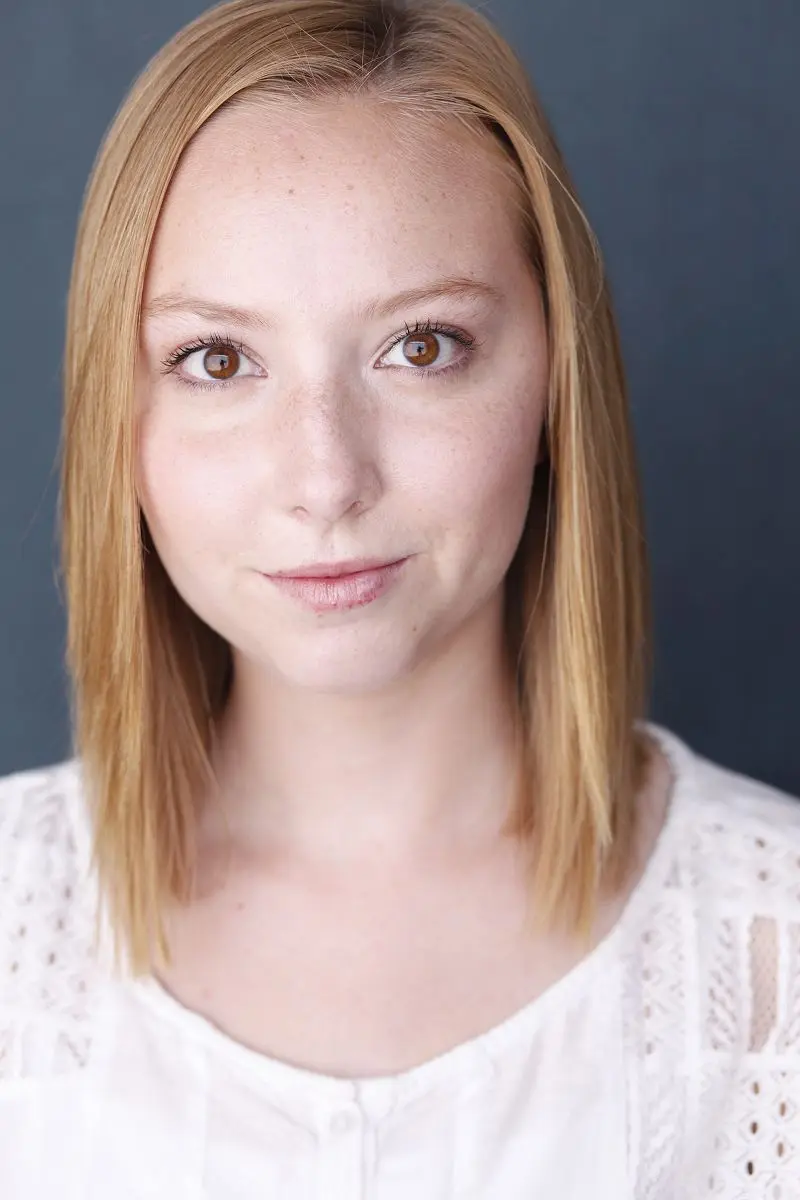
Joelle Elizabeth Jacoby is an American actress and voice actor whose work bridges live-action performance and indie animation. Her background has also been linked to study at the University of Southern California, and that formal training aligns well with the clarity and control she brings to both screen and voice work. A SAG-AFTRA member, she has built a compact but memorable body of work that rewards close attention.

Those live-action credits are modest but revealing: she is credited as Libby in Maker Shack Agency, as a receptionist in Con, and as an excited teenager in Torchwood‘s “The Categories of Life.” Even in that concise résumé, there is a clear path toward character-driven storytelling, where specific vocal energy and fast emotional definition can matter as much as long stretches of screen time.

Key Web Series and Voice-Over Roles

Among her best-known credits, Jacoby voices Cordie in CliffSide, the animated pilot that premiered on YouTube on May 20, 2018. Her official site continues to foreground voice-over material and featured projects, and public filmographies also list the 2018 short We Let It Happen among her later screen credits, keeping this late-2010s stretch of work especially central to her public profile.

In CliffSide, her performance lands inside a tightly balanced ensemble, and the chemistry with the voice cast helps the pilot move between deadpan western parody, creature comedy, and genuine threat without losing momentum. That kind of tonal elasticity is hard to sustain in a short-form animated project, which makes the cast’s timing a major part of why the pilot remains so memorable.

Joelle Jacoby voice actor CliffSide

As Cordie, Jacoby gives the spider-girl a bright, eager cadence that never erases the character’s danger. The result is one of the pilot’s most memorable tonal contrasts: Cordie can sound cute, impulsive, flirtatious, and predatory almost within the same beat, and Jacoby makes those swings feel intentional rather than random.

That contrast becomes even sharper in scenes with Waylon, whose swagger and self-mythologizing invite Cordie to take fantasy literally. Jacoby plays against his bravado with enthusiasm that feels sincere enough to be funny and unsettling at the same time, which is a large part of why the pilot’s opening escalation works.

Her scenes opposite Jo Constance reveal another side of the performance. When Cordie is confronted by real authority, Jacoby shifts from gleeful disorder to quick-reading alertness, showing that the character is not just comic relief but an active force constantly recalibrating to the room.

The wider monster ecosystem matters too, especially once Yannis enters the picture and the pilot widens from a street-level scuffle into something more unpredictable. In that larger framework, Jacoby keeps Cordie emotionally legible, which helps the audience stay attached to the character even as the stakes become stranger and more dangerous.

When Death arrives, the tone of CliffSide tilts from comic frontier chaos toward mythic menace. Jacoby’s work is crucial here because Cordie never disappears beneath the scale of that shift; she remains expressive and readable, preserving the pilot’s character-driven center.

The same is true in the bank-standoff material involving Jo’s posse. Cordie’s fast reactions, bursts of confidence, and abrupt changes in mood all demand exact comic timing, and Jacoby handles those turns with the kind of vocal snap that helps animation feel physically alive.

Even smaller motifs in the pilot’s world echo the balance she taps into. The absurdity surrounding Sheriff Pinecone shows how easily CliffSide can turn a joke into atmosphere, and Jacoby fits that tonal logic perfectly by treating Cordie’s emotional sincerity as something real inside the joke.

The world-building around threats like the Sirens also suggests why a performer with range matters in this universe. CliffSide runs on unstable moods, hidden danger, and abrupt tonal pivots, and Jacoby’s voice work belongs naturally in that kind of environment.

A large part of that success comes from how well she complements performers such as Tess Rimmel. Where Jo’s dialogue often carries restraint and control, Jacoby answers with volatility and feeling, giving their scenes a clean dramatic shape.

She also benefits from the broader ensemble texture around Carolyn DiLoreto and the rest of the cast, because Cordie’s energy becomes more vivid when set against voices that play authority, distance, or unease in different registers. That ensemble balance is part of what keeps the pilot rewatchable.

Seen across the wider CliffSide character lineup, Cordie stands out because she is not built around a single joke or a single emotional beat. Jacoby gives her a voice with appetite, affection, impulsiveness, and comic violence braided together, which is why the character lingers so strongly after a short runtime.

Career Trajectory and Current Profile

Jacoby’s association with the pilot remains especially interesting because CliffSide also sits at an important point in the creative timeline of Liam Vickers, who created, wrote, directed, and voiced within the project. That places her Cordie performance inside a creator-led corner of online animation that later became even more visible to viewers following his work.

As Vickers later moved on to Murder Drones, viewers kept returning to CliffSide as an earlier showcase of his sensibility, and that continuing interest helps Jacoby’s work in the pilot remain easy to rediscover. With a union background, a focused public voice-over presence, and one of the most distinctive characters in the pilot, she still reads as a performer whose concise résumé leaves a lasting impression.

A quick note
We use cookies to ensure the site works properly, to personalize content and ads, to provide social media features, and to analyze our traffic.