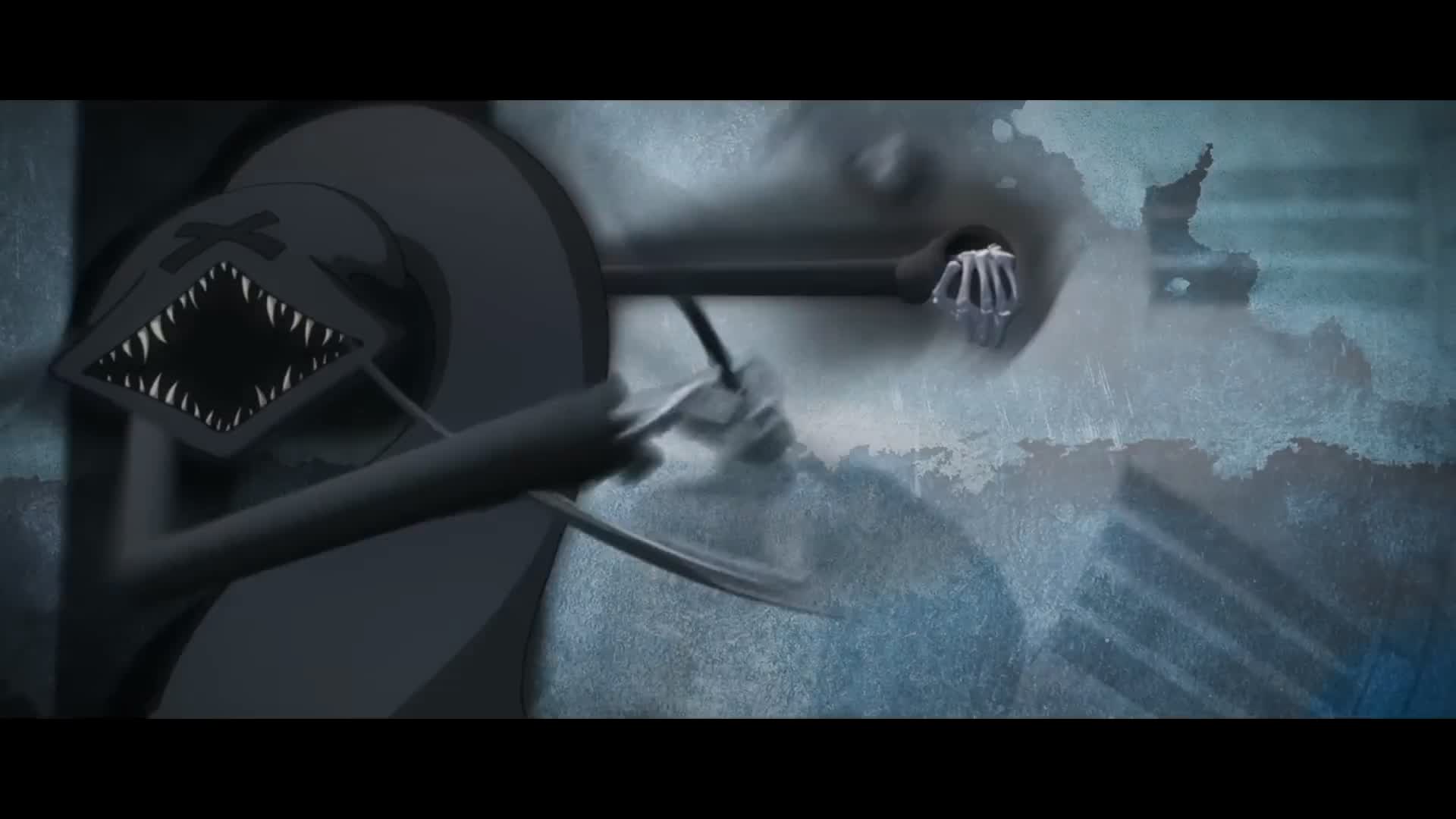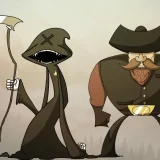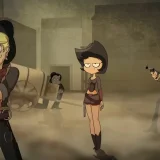
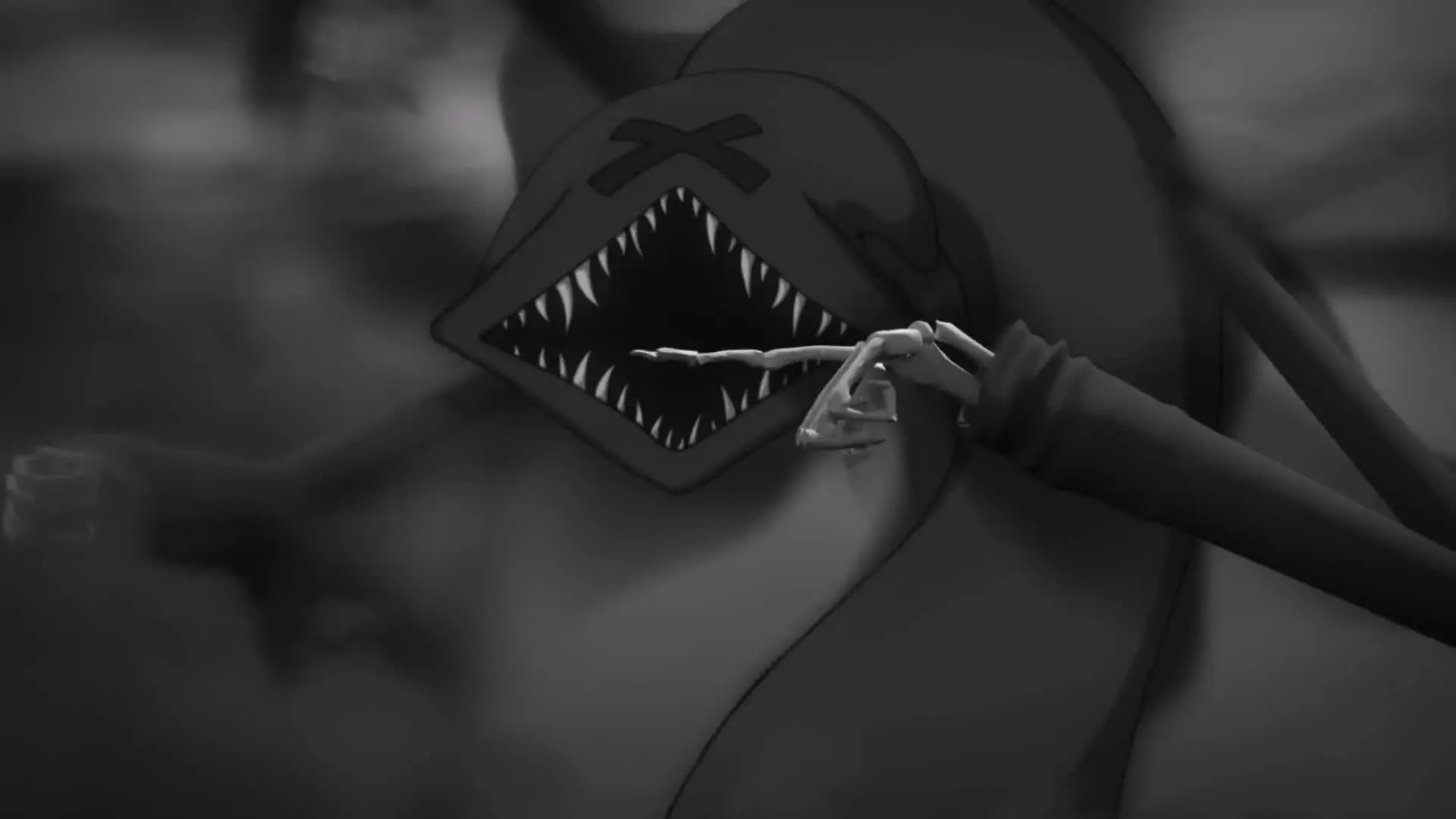
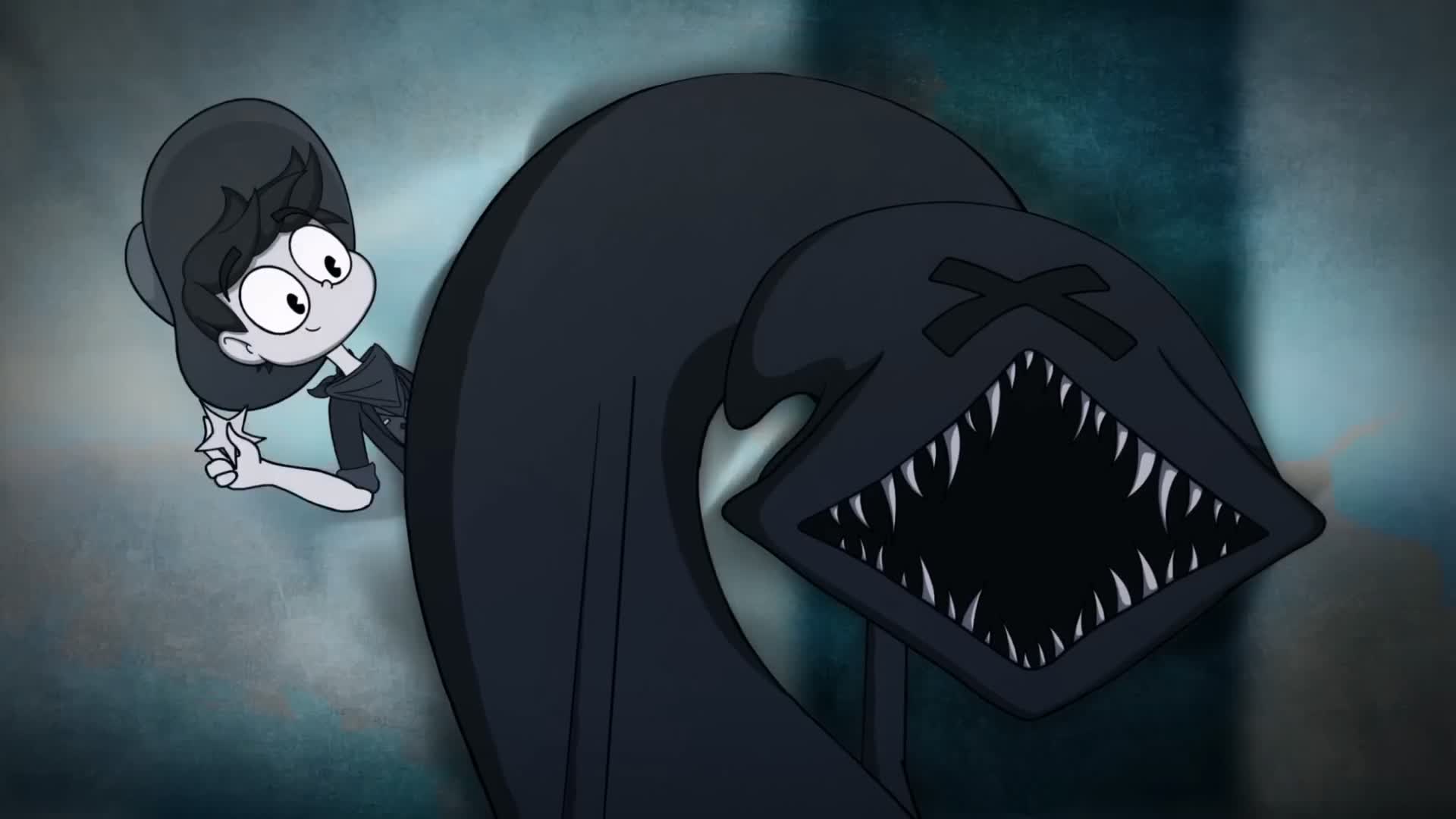
Death is the apex authority in CliffSide–a silent, reality‑tilting rider whose presence turns a rowdy monster western into a sermon about inevitability. However, unlike the town’s noisy predators and boastful outlaws, the character rules by stillness: a glance changes the temperature of a scene, and a small gesture resets the stakes. Therefore, Death operates as the show’s tonal governor. When the entity arrives, jokes acquire edges, bravado shrinks to size, and the story’s physics obey a colder logic than weapons or plans. In addition, the figure’s mounting of Yannis transforms her into a living vehicle for judgment, a walking signal that the negotiation phase is over. As a result, Death becomes the hinge between human law and cosmic rule: Jo Constance can organize a posse and hold a perimeter, but the rider decides whether time, fear, or gravity will cooperate with anyone’s intentions.
Personality and key traits
| Trait | Description |
|---|---|
| Silent authority | Then the character issues no speeches and few gestures. As a result, control arrives through presence alone–others adjust themselves to the rider rather than the other way around. |
| Cosmic indifference | However, Death shows no interest in personal motives. Therefore, the entity treats outlaws, lawmen, and civilians as equally movable pieces. |
| Economy of motion | Next, the rider rarely wastes movement; a single, casual action reorders chaos. Consequently, timing becomes the weapon, not spectacle. |
| Rule of escalation | Meanwhile, arrival equals escalation. As a result, scenes flip from slapstick brawls to demonstrations of authority and consequence. |
| Wordless verdicts | Finally, the character resolves conflicts by ending them–tossing obstacles aside, freezing momentum, or making compliance feel inevitable. |
Story arcs and development
Arc 1 – “The rider takes the saddle.” Start: A daylight robbery turns noisy as Waylon’s exaggerations invite Cordie to prove her love with bullets and webbing. Then Jo Constance restores a little order, arraying a posse and promising a fair fight on familiar terms. As a result, the story seems ready for a lawful showdown–until Death rides in on Yannis. Therefore, the rules change in an instant: the posse melts, the crowd quiets, and even Cordie’s enthusiasm recoils. The rider doesn’t bark, bargain, or brandish; the entity simply exists, and the town recalibrates to that fact. Over time, that first mount/entrance becomes shorthand for an episode’s top gear: when Death sits a creature like Yannis, CliffSide behaves like a court, not a street brawl.
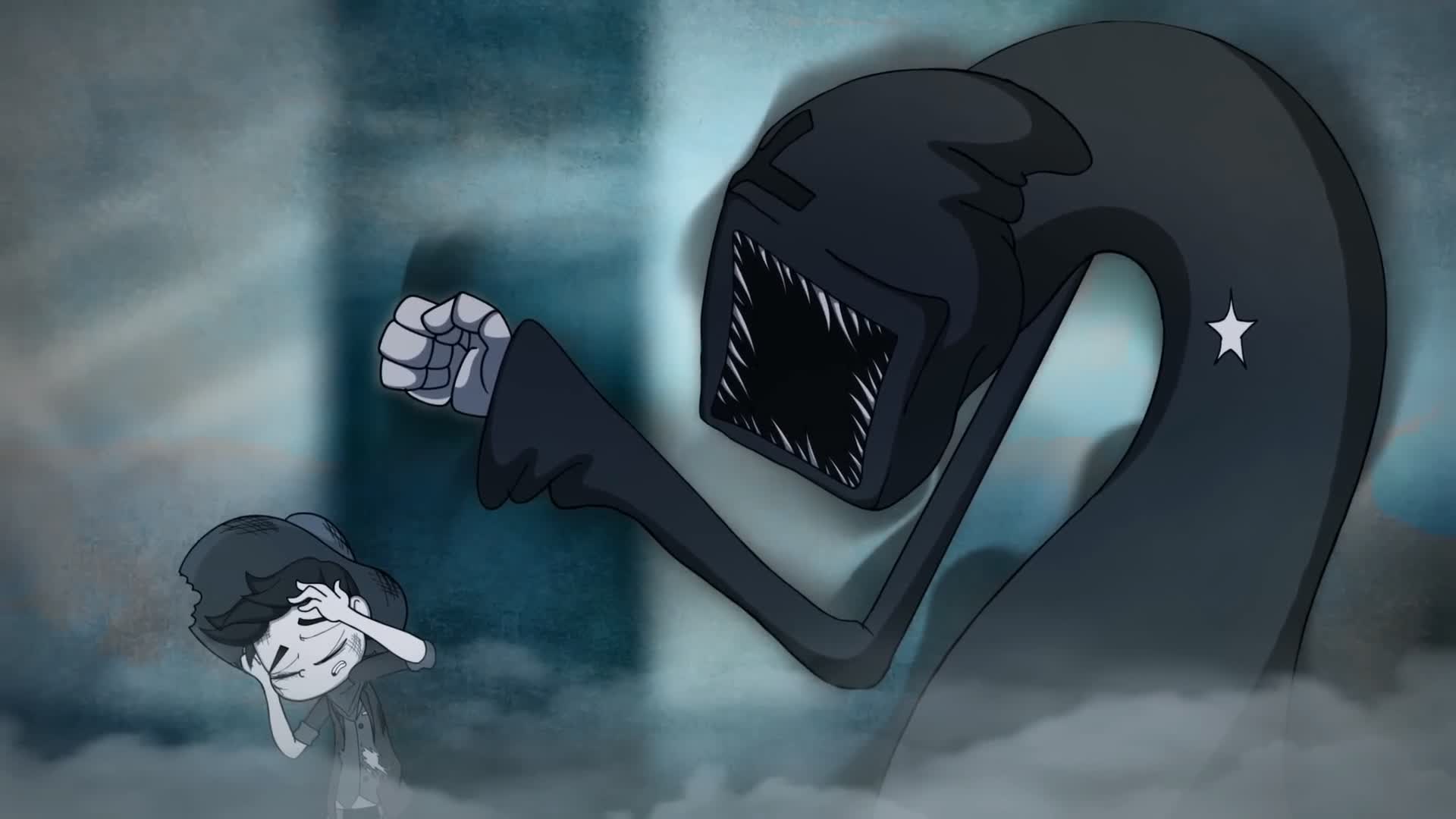
Arc 2 – “Bystanders and boundaries.” Start: CliffSide teases a world where background people can survive if they stay polite and out of the way. Then a pedestrian steps into the street and chirps a friendly line, the purest form of town normalcy. As a result, Death flicks the man aside without malice or ceremony, converting a timing gag into a rule–background life is not exempt from the story’s math. Consequently, the rider signals that human categories (civilian, deputy, outlaw) mean little at this altitude. Therefore, the series can stage broad comedy and still impose credible danger: the entity’s touch makes the joke feel like a sentence, not a coincidence.
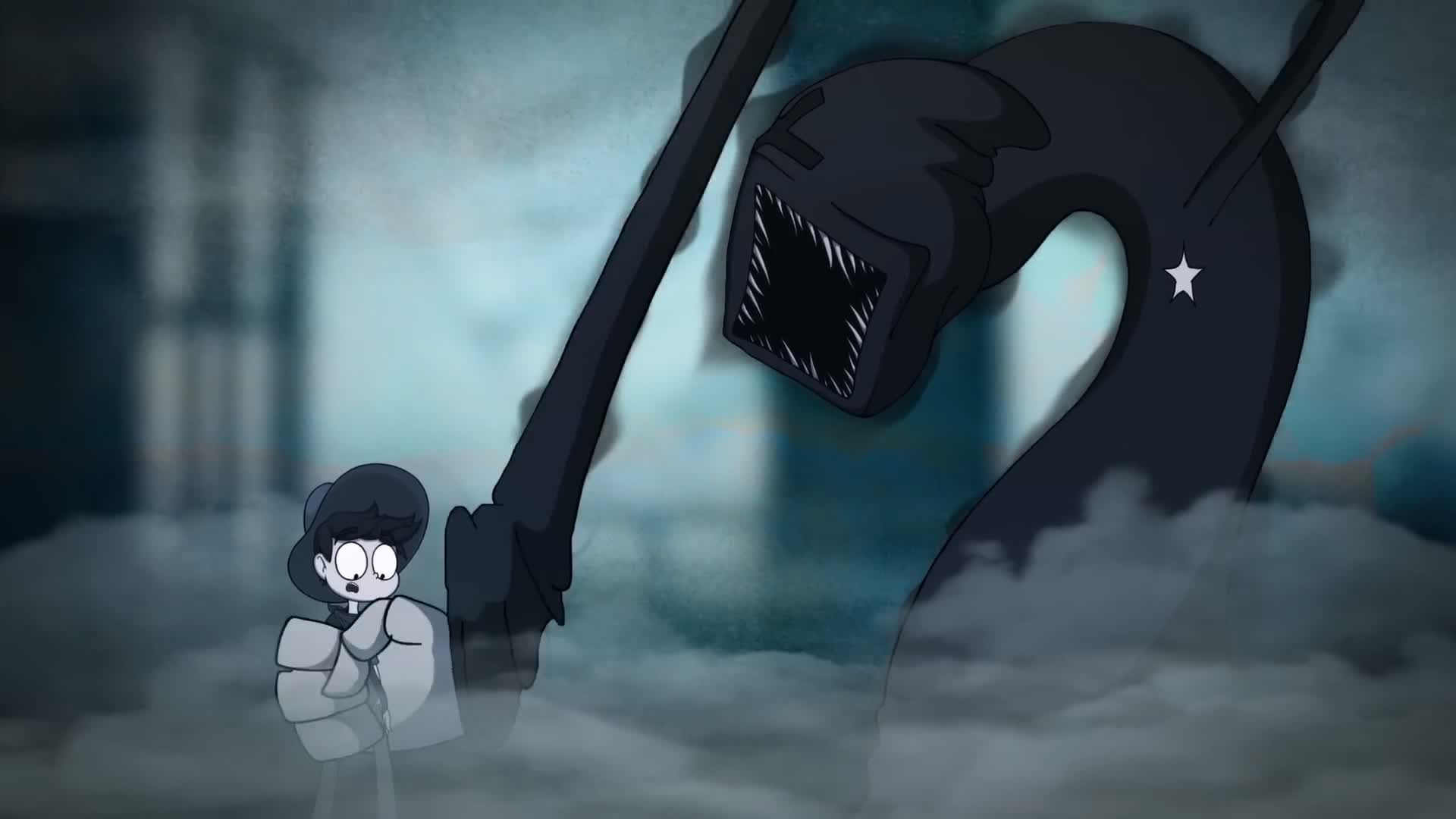
Arc 3 – “Human law yields to cosmic order.” Start: Jo tries to win the day with procedure–surround, warn, and disarm. Then Death’s presence collapses the distance between plan and outcome; weapons are suddenly irrelevant, and momentum belongs to the rider. As a result, the law keeps its dignity but surrenders the room. Even Waylon’s boasts lose their grip, shrinking to defensive patter as the boy notices that the boss of this town wears silence like a badge. Over time, that dynamic defines the show’s voice: comic westerns usually end with witty standoffs; CliffSide ends the argument by summoning a force that does not argue.
Relationships with other characters
| Character / Entity | Role vs. Death | Dynamics |
|---|---|---|
| Yannis | Mount and enforcer | Death rides Yannis like a living vehicle for verdicts; her brute speed carries the rider’s stillness, and together they convert chaos into compliance. |
| Jo Constance | Human authority in contrast | Jo’s calm procedures crack only when the rider appears. She doesn’t submit so much as recognize jurisdiction: civic order steps back when cosmic order clocks in. |
| Waylon | Boastful petitioner | The boy’s patter bounces off the rider; Death neither mocks nor indulges him, which exposes how little bluster matters when verdicts are wordless. |
| Cordie | Romantic predator deterred | Her momentum slows around the rider. Protective instincts turn inward–she clings to Waylon, injuring him in an overzealous hug rather than challenging Death directly. |
| Background Street Crosser | Collateral lesson | Death casually removes the bystander mid‑line, upgrading a slapstick bit into a demonstration that background status offers no shield. |
| CliffSide (the town) | Jurisdiction | The town feels judged when the rider appears. Shops, alleys, and rooftops behave like a courtroom the moment Death takes the saddle. |
Appearance, symbols, and recurring motifs
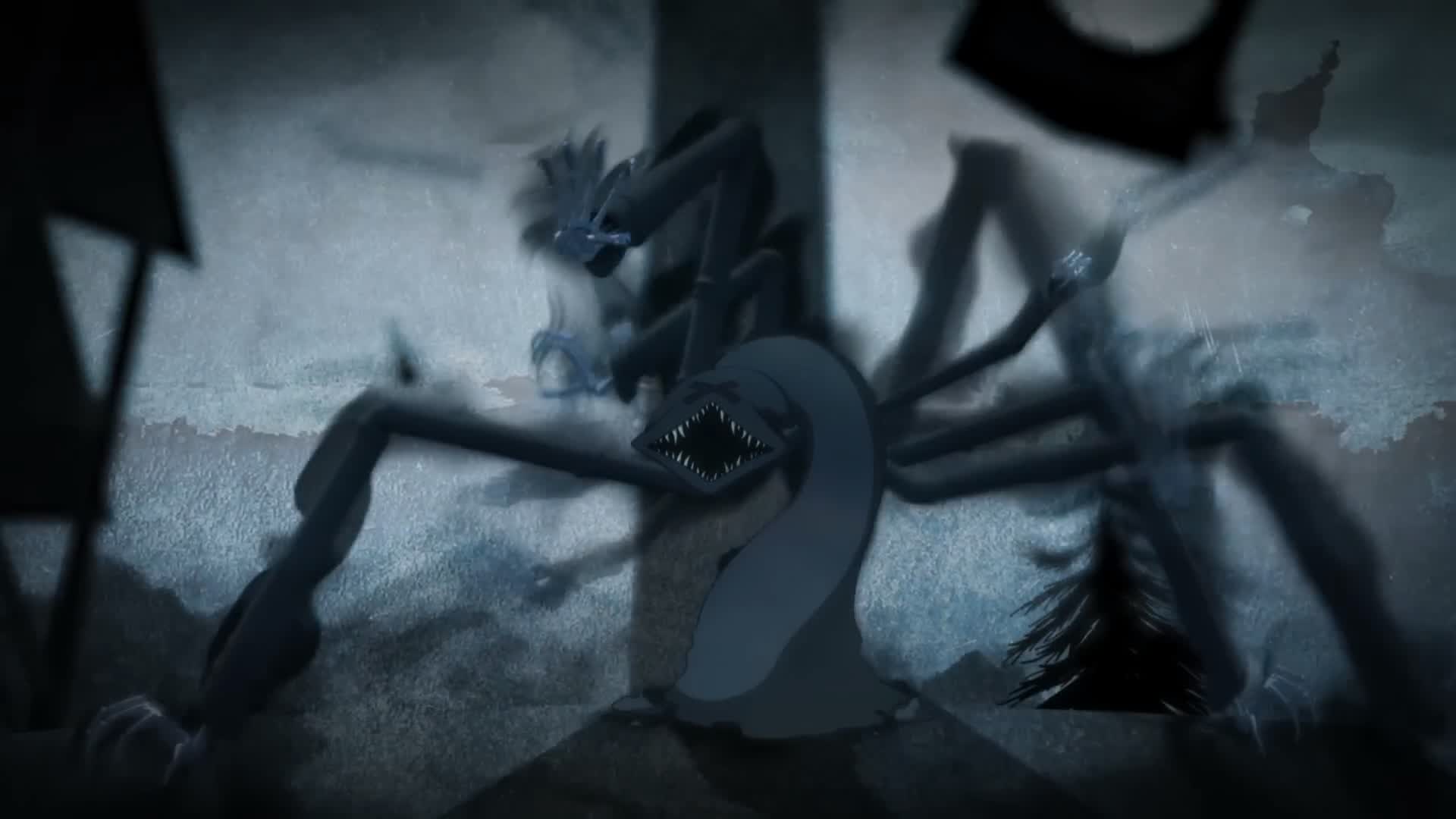
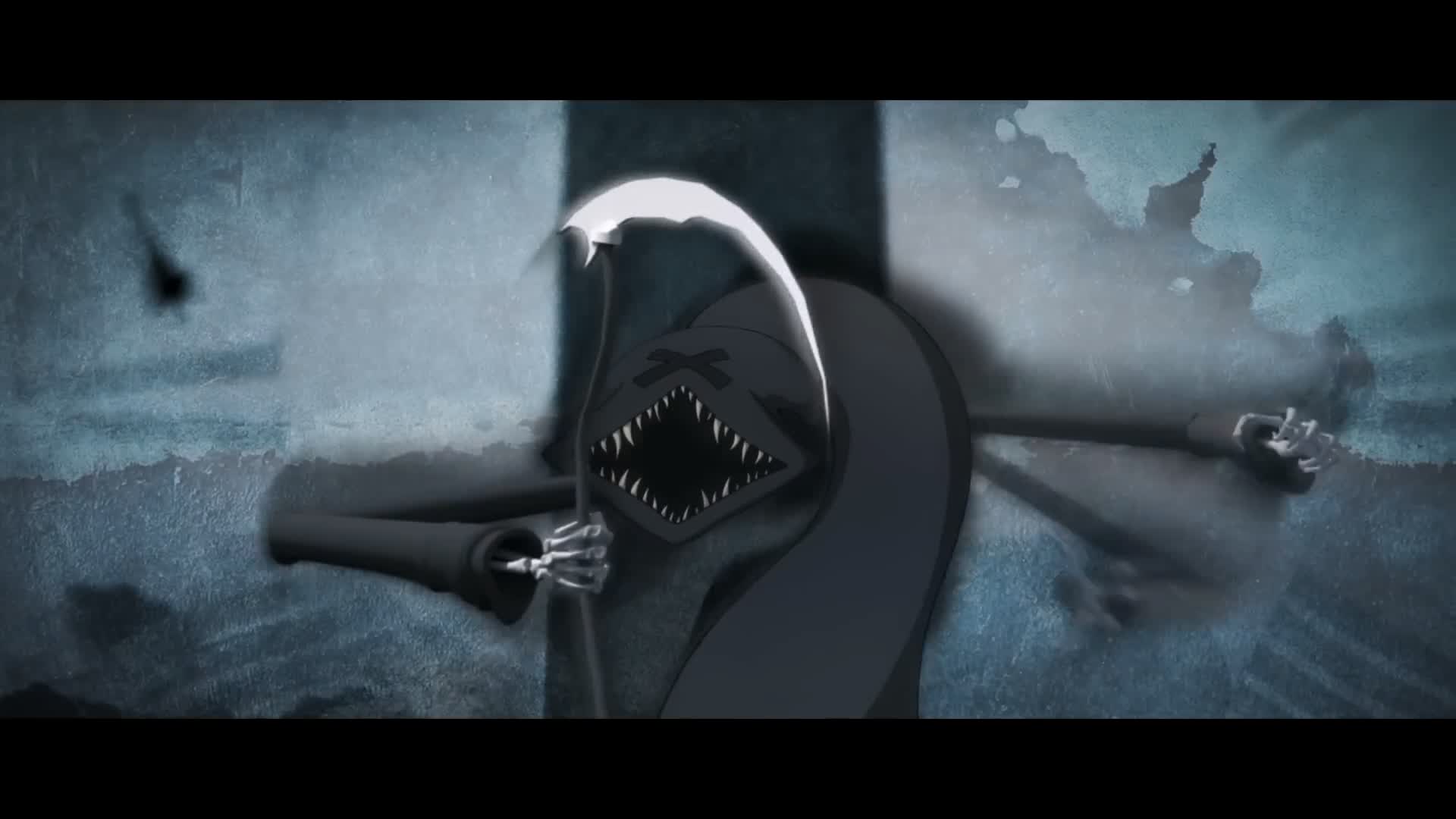
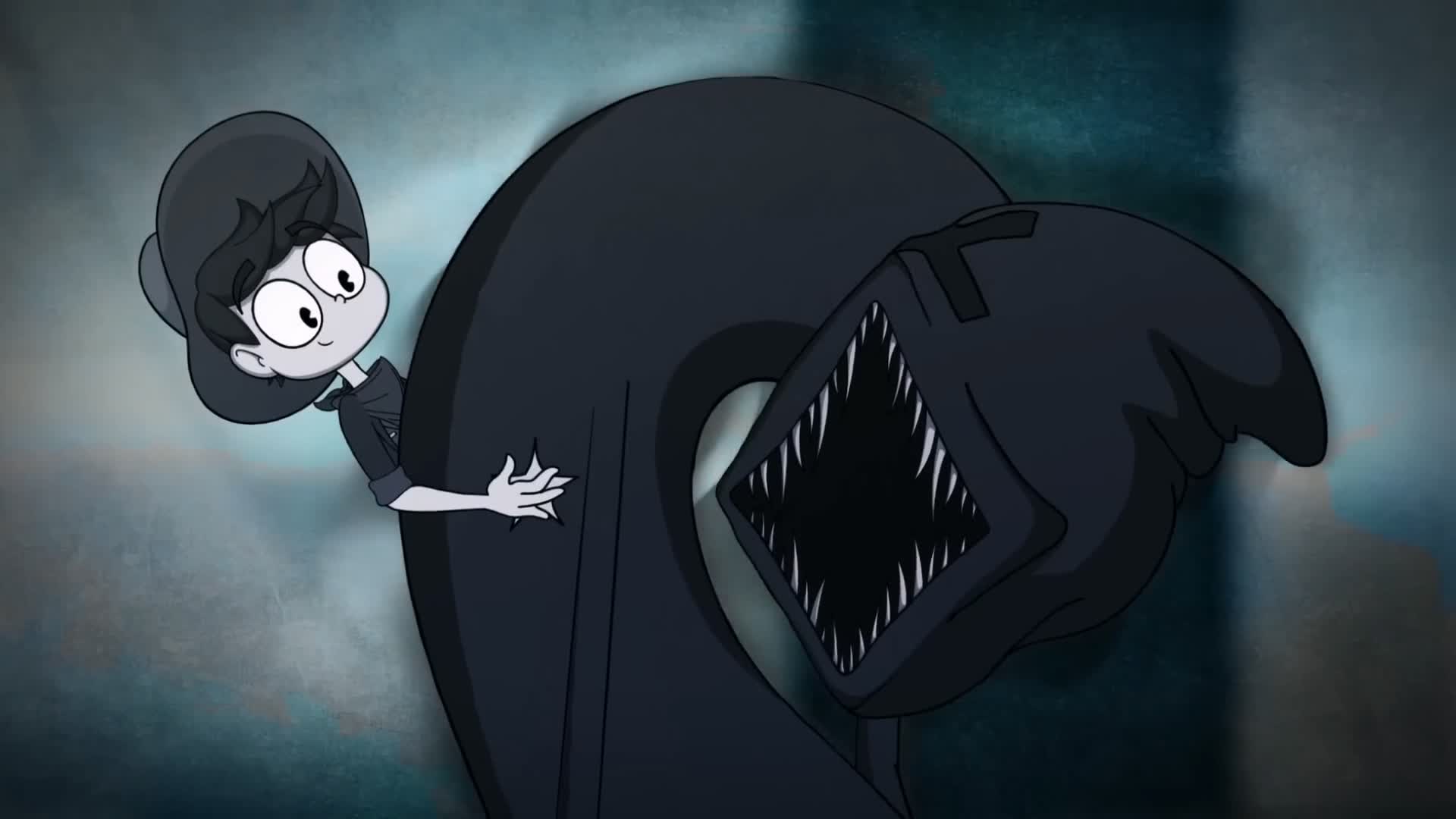
Visually, Death reads as an understated silhouette–dark, compact, and composed–designed to sit cleanly atop a larger predator without competing for motion. However, the figure’s power comes less from costume detail than from negative space: minimal gestures, patient stillness, and a gaze that tightens a scene the way a noose tightens a story. Therefore, the image that matters most is the rider itself: Yannis as a mount, Death as a weight, and the frame as a road that narrows. Next, the color logic favors stark contrasts–deep shadows against dusty streets, a pale face or mask‑like suggestion where expression should be, and a posture that never slouches. As a result, the character becomes a walking motif: silence as verdict, escalation as entrance, and inevitability as style. Finally, the absence of props doubles as a symbol–no scythe is necessary when the world behaves like a blade on command.
Fandom and alternative names
- Death – standard name used in discussions.
- Death Itself – emphatic variant that matches on‑screen tone.
- The Rider – shorthand drawn from the Yannis pairing.
- The Cosmic Sheriff – descriptive nickname highlighting jurisdiction over the town.
- Смерть – common Russian localization.
- The Boss – informal label used when contrasting with Jo’s human authority.
Interesting details and quotes
- Death never needs dialogue to win a scene; stillness and timing do the talking.
- The rider converts Yannis from apex predator to instrument, a living warrant served at speed.
- Background bits–like a cheerful pedestrian crossing–turn into object lessons once the rider intervenes.
- The character’s silence flattens Waylon’s theatrics, exposing boasts as noise against an indifferent verdict.
- Jo’s best asset–procedure–works until Death arrives; then even success looks like getting out of the way.
- Fans use “The Rider” to compress a whole vibe: if Death is mounted, the scene has entered endgame.
- Design economy serves readability in crowded frames; the figure remains legible even when action goes feral.
I’m Two‑Bit Jerry! A gunslinger and an outlaw!
– Waylon’s line that lands like a whisper when the rider is in the room.