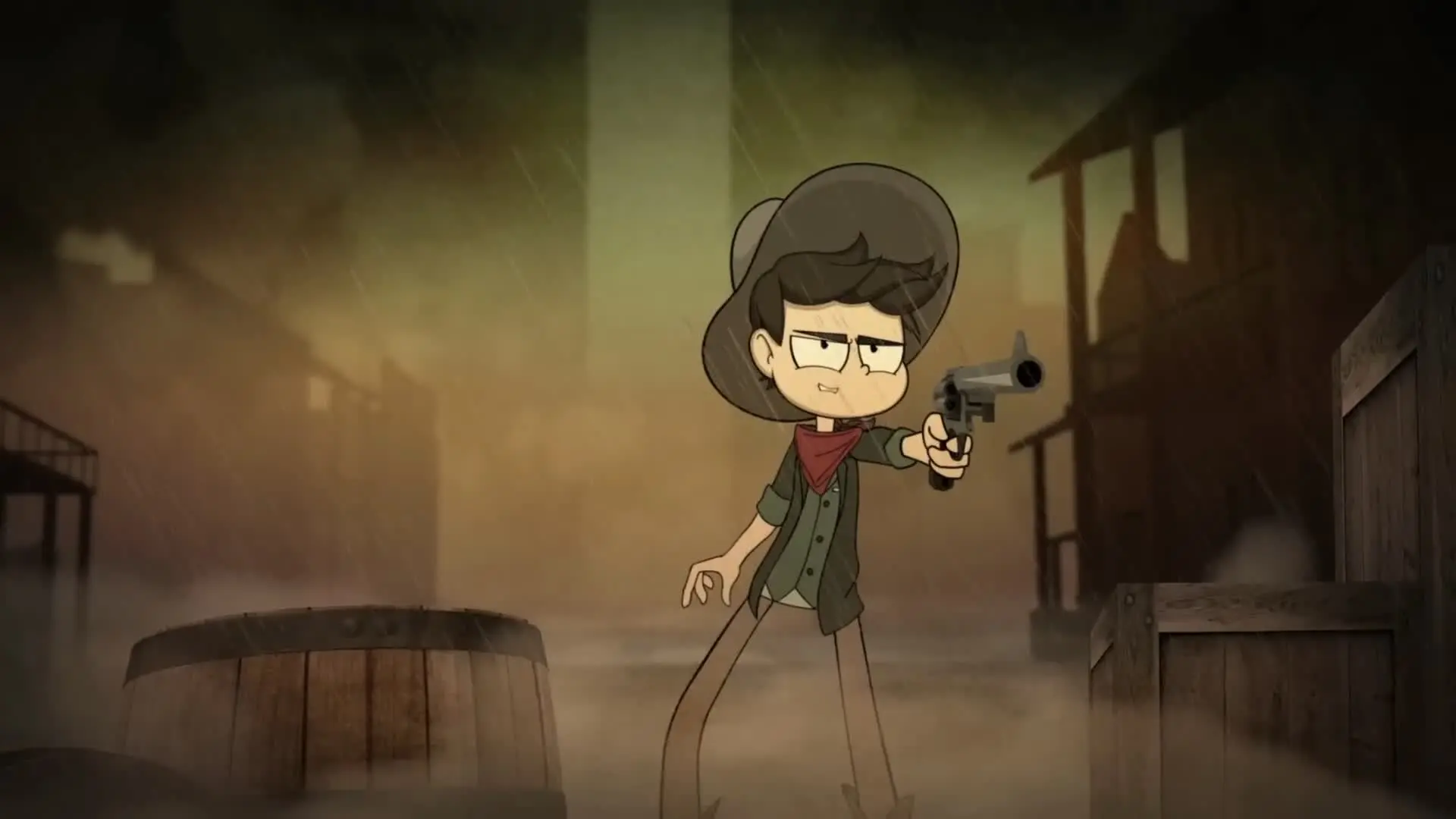
Waylon is the brash protagonist and self‑styled narrator of CliffSide. However, behind the drawl and swagger sits a 15‑year‑old watchman with shaky aim and a chronic need to prove he’s “the man,” which the show repeatedly undercuts for comedy. Therefore, the character anchors the pilot’s tone: he sells the premise of a cursed western town while demonstrating–often painfully–how bravado collapses in the face of real monsters and smarter opponents. In addition, Waylon’s alias “Two‑Bit Jerry” frames him as an outlaw in aspiration rather than in fact; he talks the talk, then discovers that talk has consequences once other characters take him at his word. As a result, he drives both story and jokes: voiceover gaffes trigger danger, boastful plans are misread as orders, and narrowly surviving a fiasco often teaches him the wrong lesson. Over time, that mix of confidence and cluelessness makes him the series’ clearest lens on CliffSide’s rules.
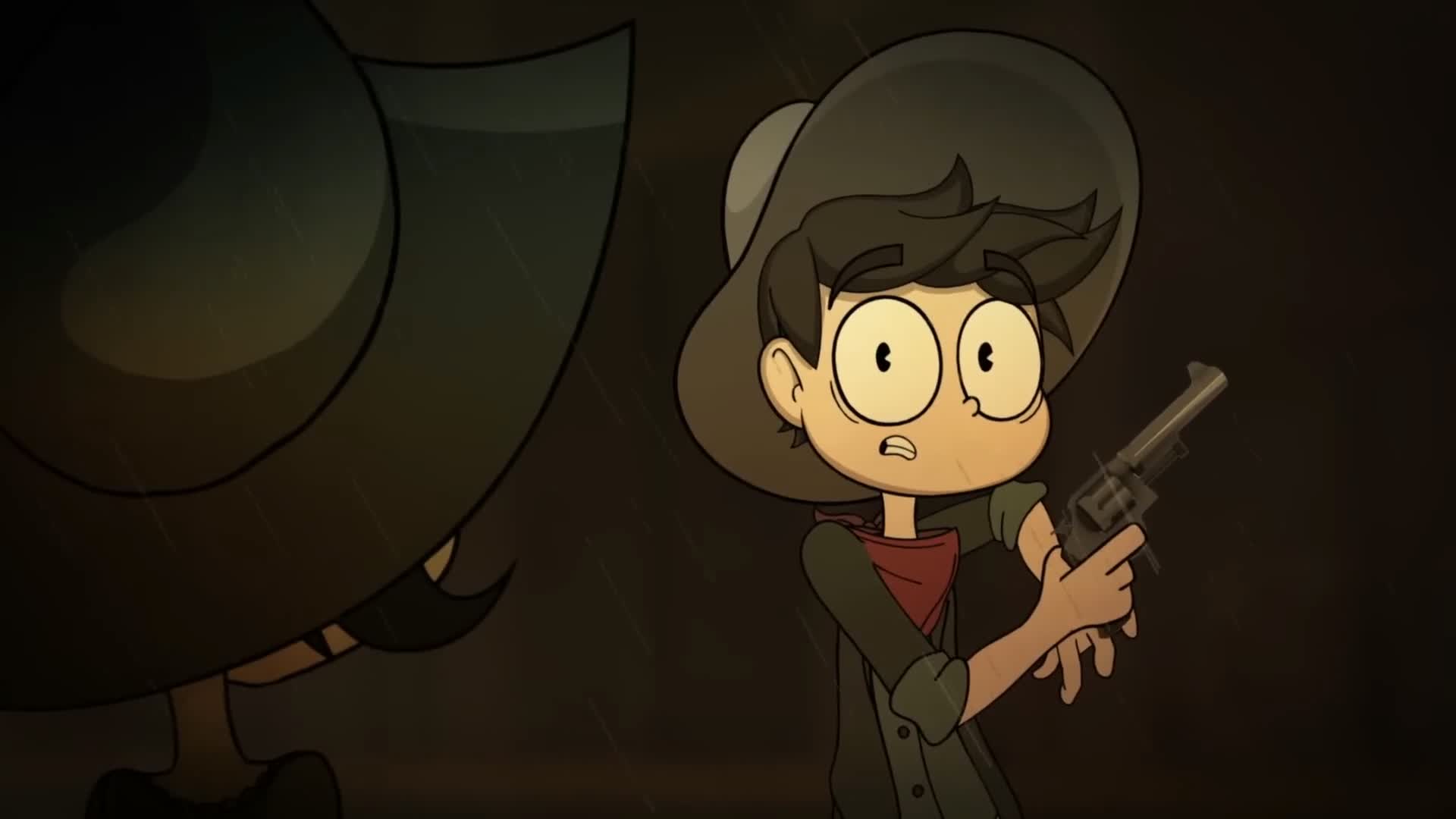
Origin and first appearance
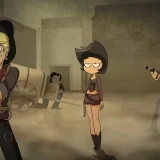
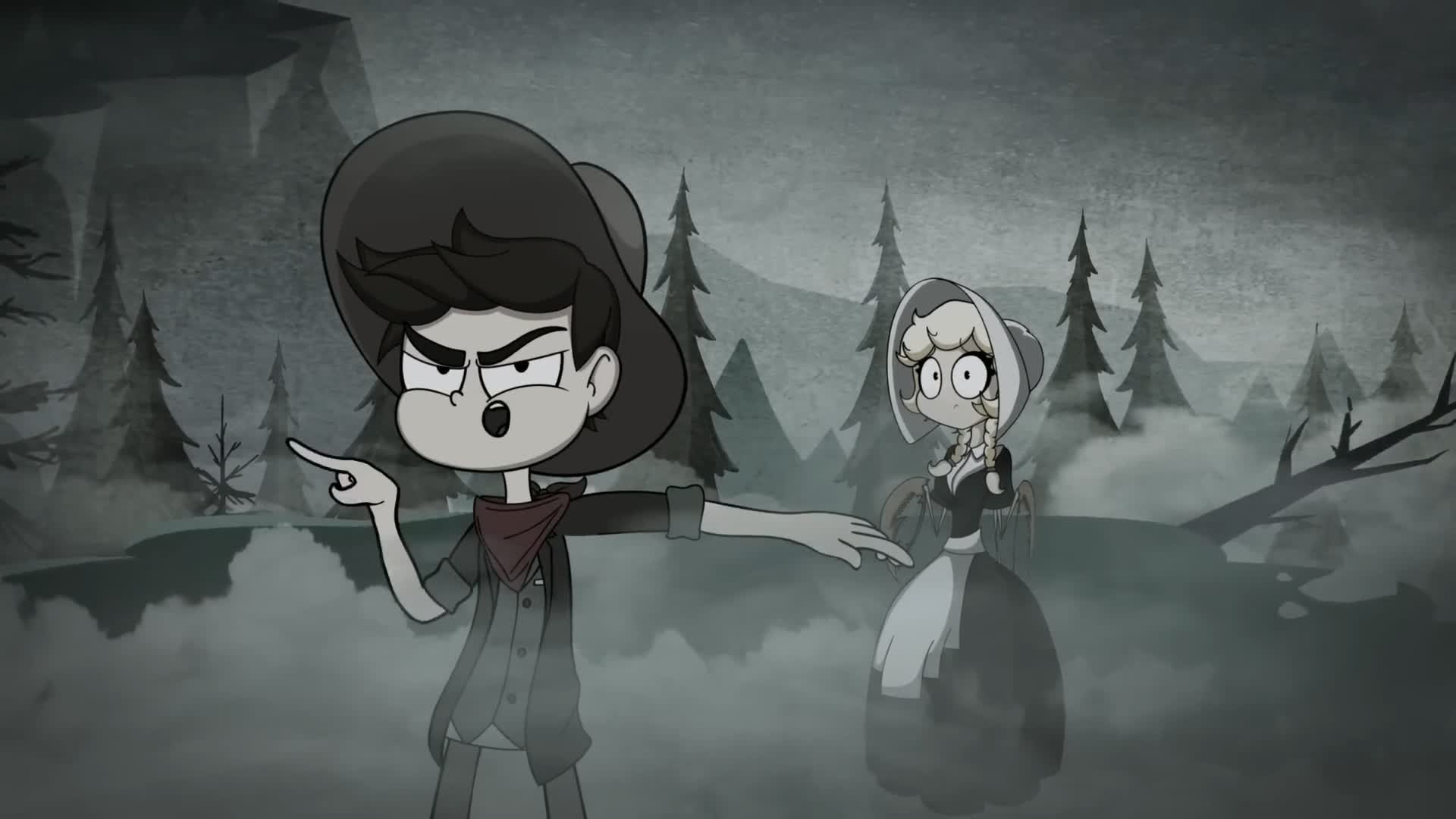
However, viewers first meet Waylon in the YouTube pilot released on May 20, 2018, where the show cold‑opens on his voiceover and immediately turns it into a gag. A nearby Wendigo hears the narration and reacts to it, collapsing the wall between storyteller and scene while Waylon tries to bluff through the mistake. Then, the pilot races through a slate of tone‑setting beats: Jo arrives with deadpan competence; a quick rescue and retreat showcases Waylon’s poor marksmanship; and a cameo by Background Street Crosser signals the series’ self‑aware humor. Next, the episode pivots to Waylon’s fateful meeting with Cordie, whose validation complex locks onto his outlaw persona and escalates into a training montage that spirals into a bank robbery. Meanwhile, the world supplies consequences–monsters replicate, bullets miss, and the law catches up–until the plot funnels into a standoff that Waylon “wins” only by talking rather than shooting. As a result, that first appearance defines him: a talk‑first, think‑later teen who narrates his own legend and keeps tripping over reality.
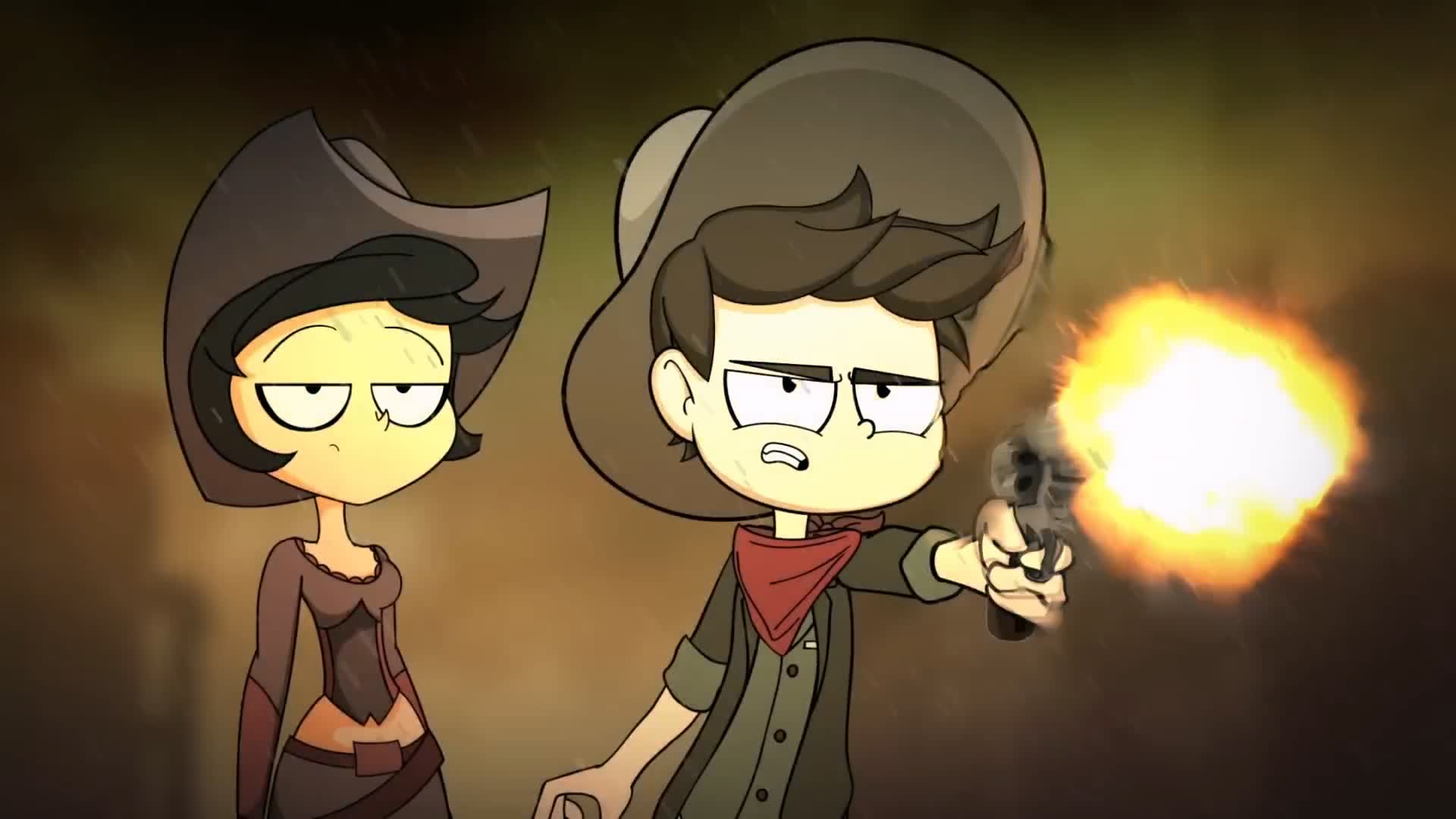
Personality and key traits
Then, because his traits fall into clean beats, a table conveys them without splintering the narrative.
| Trait | What it means in practice |
|---|---|
| Swagger vs. skill | He performs the role of a gunslinger, but his marksmanship and courage lag behind the brand. Boasts write checks his aim can’t cash. |
| Fast‑talking narrator | He narrates his world and breaks the fourth wall; unfortunately, that habit can trigger in‑universe trouble when others “hear” it. |
| Resilient opportunist | He scrambles through disasters, improvises bargains, and lives to brag another day even when the last plan went sideways. |
| Validation‑hungry teen | At 15, he craves status; praise from allies (especially Cordie) supercharges bad decisions he later tries to undo. |
| Moral elasticity | He isn’t cruel, but he will fudge the truth and claim credit; when cornered, he leans on charm and deals instead of dueling. |
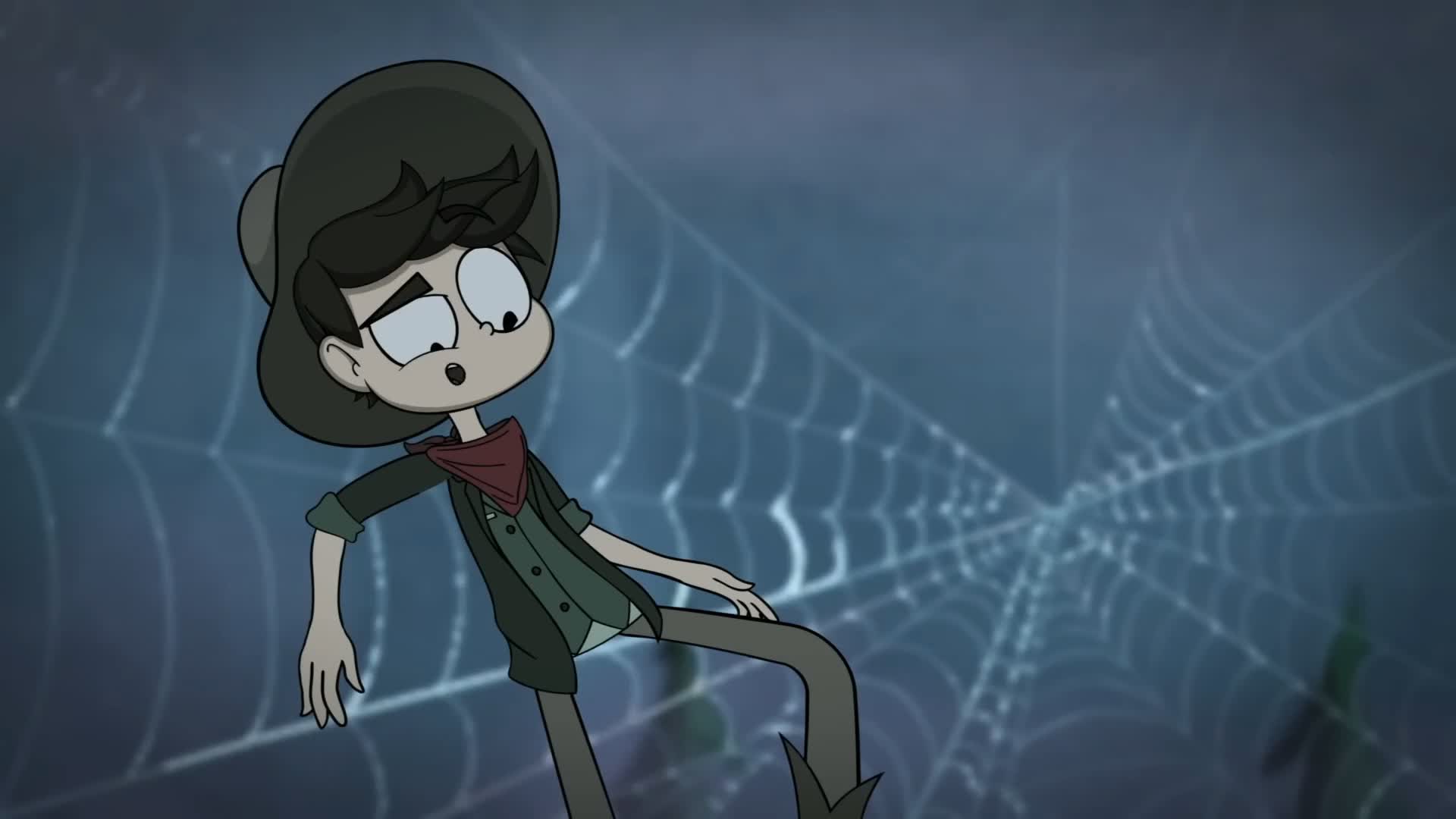
Story arcs and development
Arc 1 – Voiceover meets reality
Start: Waylon opens the pilot by narrating CliffSide as if he’s the author of a pulp legend. Then: a Wendigo overhears the “voice over,” forcing him to bluff and backpedal as the monster replicates and the situation deteriorates. As a result: the series establishes a rule set through him–words can be weapons, meta jokes have in‑world weight, and a teenager’s need to control the story can summon hazards he isn’t ready to face. The gag lands, but it also plants the character’s core conflict between the swagger he projects and the competence he actually possesses, so later scenes echo this first mistake.
Arc 2 – Cordie’s superfan spiral
Start: Caught in Cordie’s web, Waylon mouths off in defense of her and accidentally becomes the object of her devotion. Then: the two “train” for outlaw life; montage logic fast‑forwards skill acquisition, which Cordie interprets literally when she steamrolls into an actual bank robbery. As a result: the show uses Waylon’s talk to weaponize someone else’s zeal–his bravado is a match, Cordie is the powder keg, and together they blow past the line between performance and crime. The episode wrings laughs from the mismatch–he wanted clout, not collateral–but keeps the stakes real enough to bruise both ego and body.
Arc 3 – Standoff with Death Itself
Start: Having attracted attention from the town’s most dangerous “lawman,” Waylon tries the Western ritual–a showdown he can’t possibly win with a revolver and reputation alone. Then: he pivots mid‑beating into a negotiation, conceding leverage he never had by offering a practical fix–hand authority to Death and let him enforce order. As a result: he “wins” without firing a competent shot, proving that talk–not talent–remains his superpower. The aftermath undercuts him while the town spins it as a victory, which neatly preserves the character’s comic equilibrium going into future conflicts.
Arc 4 – Partner friction and the lesson dodge
Start: Waylon and Jo work side by side as watchmen, but his need to impress her collides with her stoic standards. Then: he steals credit, slips on duty, and forces awkward conversations that Jo bats away with dry one‑liners and the occasional well‑aimed punch. As a result: their dynamic sets a baseline for future stories–she represents competence and boundaries; he represents charisma without follow‑through. Even when the episode punishes his choices via monsters, mobs, or embarrassment, he tends to learn the most self‑serving lesson possible, ensuring that the next setup will tempt him in exactly the same way.
Relationships with other characters
| Name | Role vs. Waylon | Dynamics |
|---|---|---|
| Jo | Partner vs. braggart | She is the deadpan professional to his noisy improviser. He wants her respect; she expects him to do the job, not narrate it. |
| Cordie | Superfan vs. subject | Her obsession translates his boasts into action. He enjoys the attention until it leads to crimes and chaos he never intended to commit. |
| Death | Sheriff vs. survivor | Death Itself hates him on sight, yet he talks his way into an accord. The uneasy truce proves he negotiates better than he shoots. |
| Yannis | Predator vs. prey | The winged huntress treats him as quarry; he survives through luck, allies, and timing rather than combat prowess. |
| Blueberry Bill | Father vs. myth | The outlaw father looms as an off‑screen ideal; chasing that myth fuels Waylon’s outlaw cosplay and his worst decisions. |
| Background Street Crosser | Town gag vs. guilt | His frantic “Watch out!” fails to prevent collateral damage, a recurring reminder that his improvisations can hurt bystanders. |
| CliffSide (location) | Home vs. hazard | The town and its outskirts provide both stage and antagonist; he treats the setting as his story, but it routinely answers back. |
Appearance, symbols, and recurring motifs
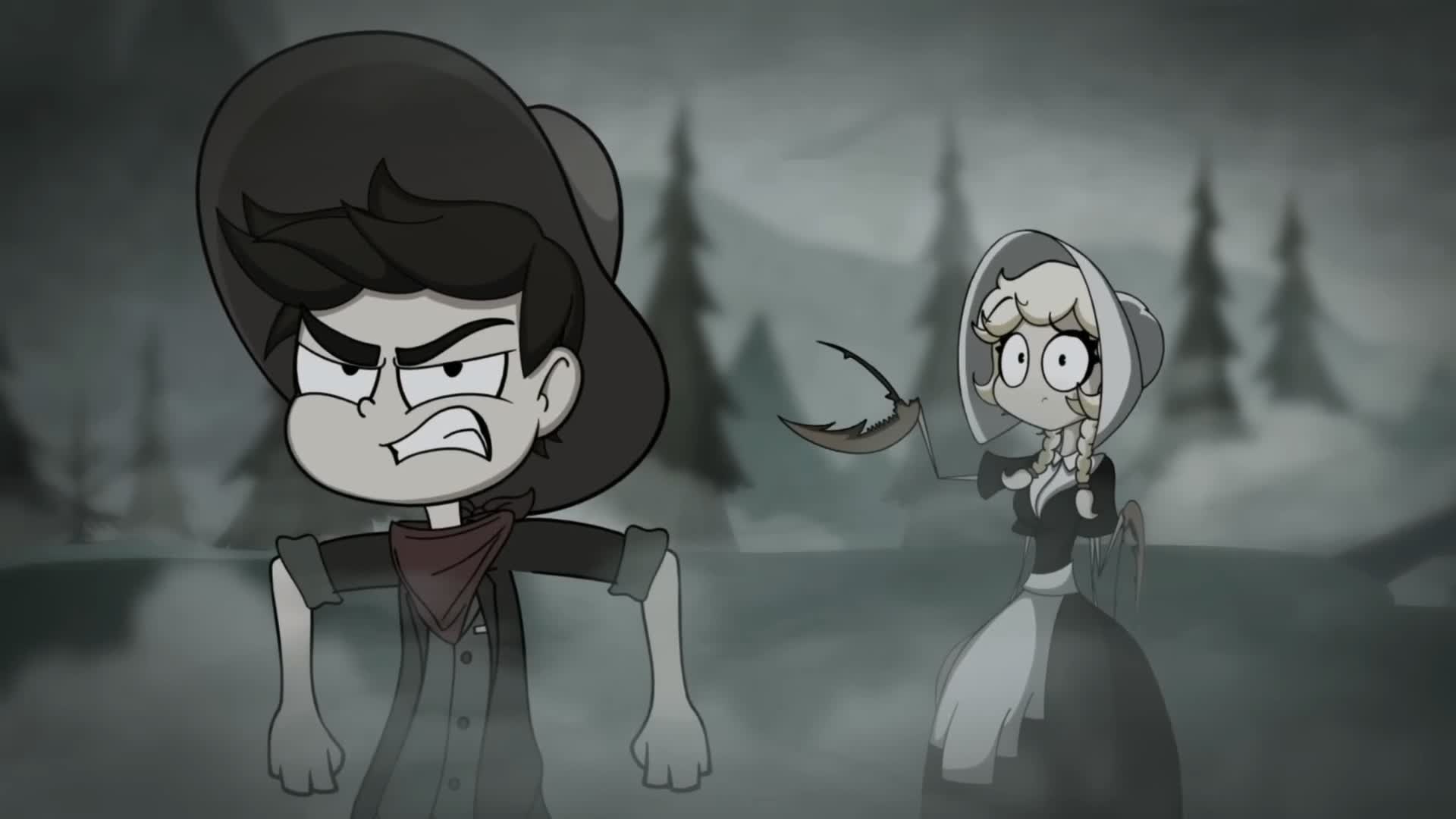
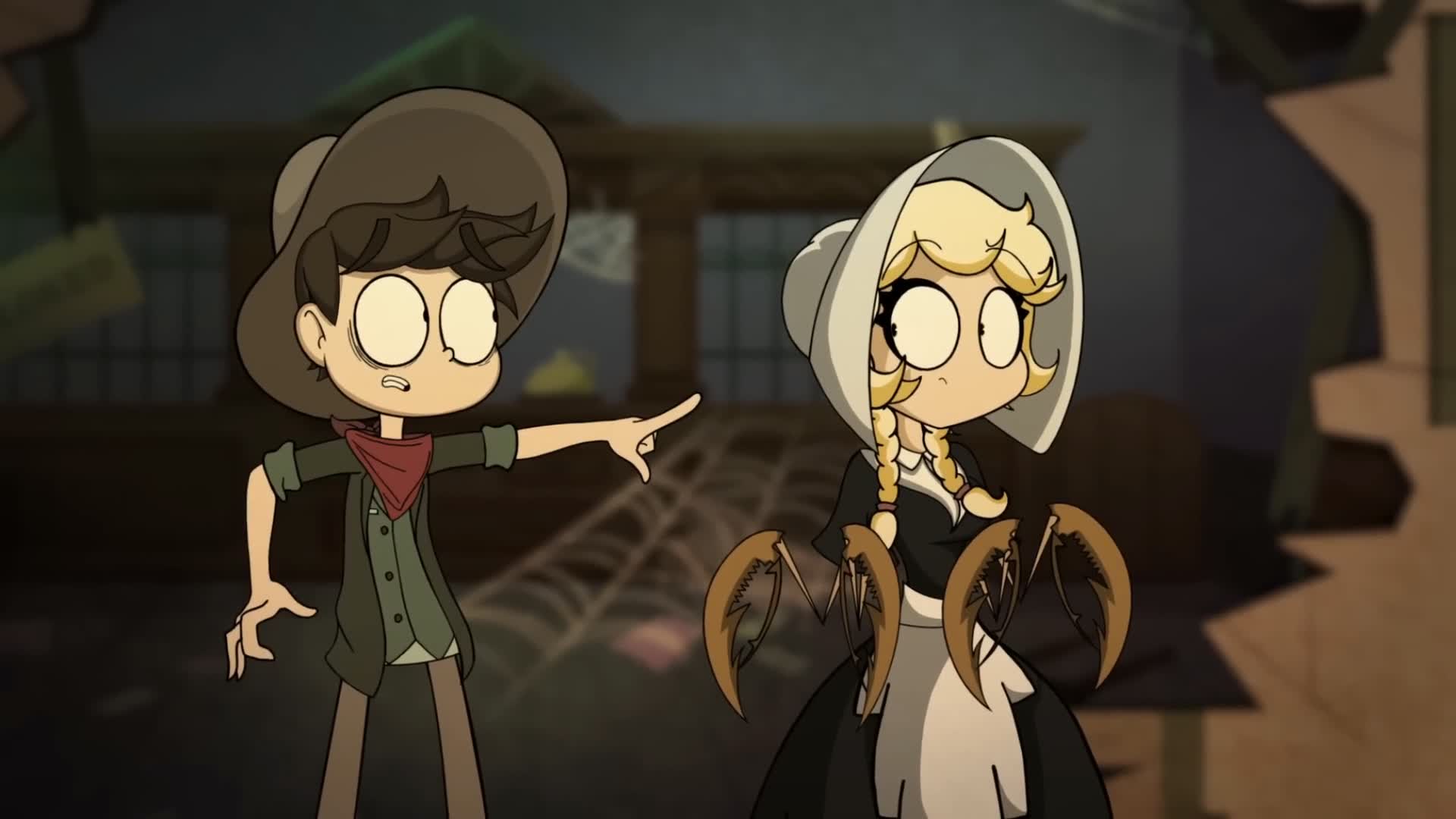
Therefore, Waylon’s design reads like a teenage gunslinger who raided an adult’s wardrobe: skinny frame, short brown hair, and a kit that mixes a gray coat, dark green vest, pale undershirt with red buttons, brown pants, spurred brown boots, a brown hat, and a red scarf. Then, the body language finishes the picture–forward lean, jittery hands, and a cocky grin that collapses under pressure–so you can read the joke even before he speaks. In addition, he carries a revolver he brandishes more than he lands, making the weapon a prop for bravado rather than a mark of competence. As a result, recurring motifs cluster around speech and status: finger‑gun poses, fourth‑wall nudges, and “legend‑in‑training” theatrics that the world ruthlessly punctures. The costume sells a Western, but the performance sells a kid rehearsing who he wants to be.
Fandom and alternative names
- Waylon
- Two‑Bit Jerry
- Two‑Bit
- Waylon (CliffSide)
- Watchman Waylon
- “Wannabe gunslinger” (fan shorthand)
Interesting details and quotes
- He is 15 and works as a watchman; depending on the scene, he picks up odd jobs at the saloon.
- Liam Vickers created, wrote, animated–and voiced–Waylon in the pilot.
- The nickname “Two‑Bit Jerry” headlines his self‑mythologizing; he refers to himself as an outlaw even when the world disagrees.
- Blueberry Bill appears in the lore as his father, adding a family legend to the character’s outlaw fixation.
- Enemies listed for him include Yannis and Death Itself; allies rotate from Jo to Cordie as the pilot unfolds.
- The opening establishes that narration can affect events; a monster “hears” the voiceover and reacts in‑scene.
- Spoiler: some lore teases a connection to the sheriff who preceded Death, a hook the fandom often speculates about.
- He’s a deliberate “butt‑monkey”–misfortune trails him, and physical comedy delivers the bill for his boasts.
I regret so many things!