Alice in Murder Drones is the former Cabin Fever Labs test subject who turns Episode 6, “Dead End” into a vicious underground survival set piece. For readers searching alice murder drones or murder drones alice, the short version is this: Alice is a one-episode on-screen antagonist, a scavenger and decapitator, and the character who weaponizes the Labs’ anti-drone predators before the plan turns on her.
She captures Uzi Doorman, Serial Designation N, Serial Designation V and the apparent Tessa Elliott with help from Beau. Alice knows Nori’s past, recognizes Uzi as “Nori’s kid,” and turns that family link into leverage. Her screen time is brief, but it sharpens the larger horror of Copper-9: some Worker Drones were broken by the apocalypse long before the final villain stepped fully into view.
Alice Murder Drones: Quick Canon Profile
- Name: Alice
- Species: Worker Drone
- Known ID: 017
- Role: former Cabin Fever Labs test subject; decapitator; minor antagonist
- First major appearance: Episode 6, “Dead End”
- Later reference: ID-only / archival-style test-subject trace in Episode 7, “Mass Destruction”
- Status: deceased
- Key connection: Beau, her adoptive child and assistant
- Personal grudge: Nori Doorman, whose history in the Labs still haunts Alice’s dialogue
Personality and Design: Scavenger, Hunter, Survivor
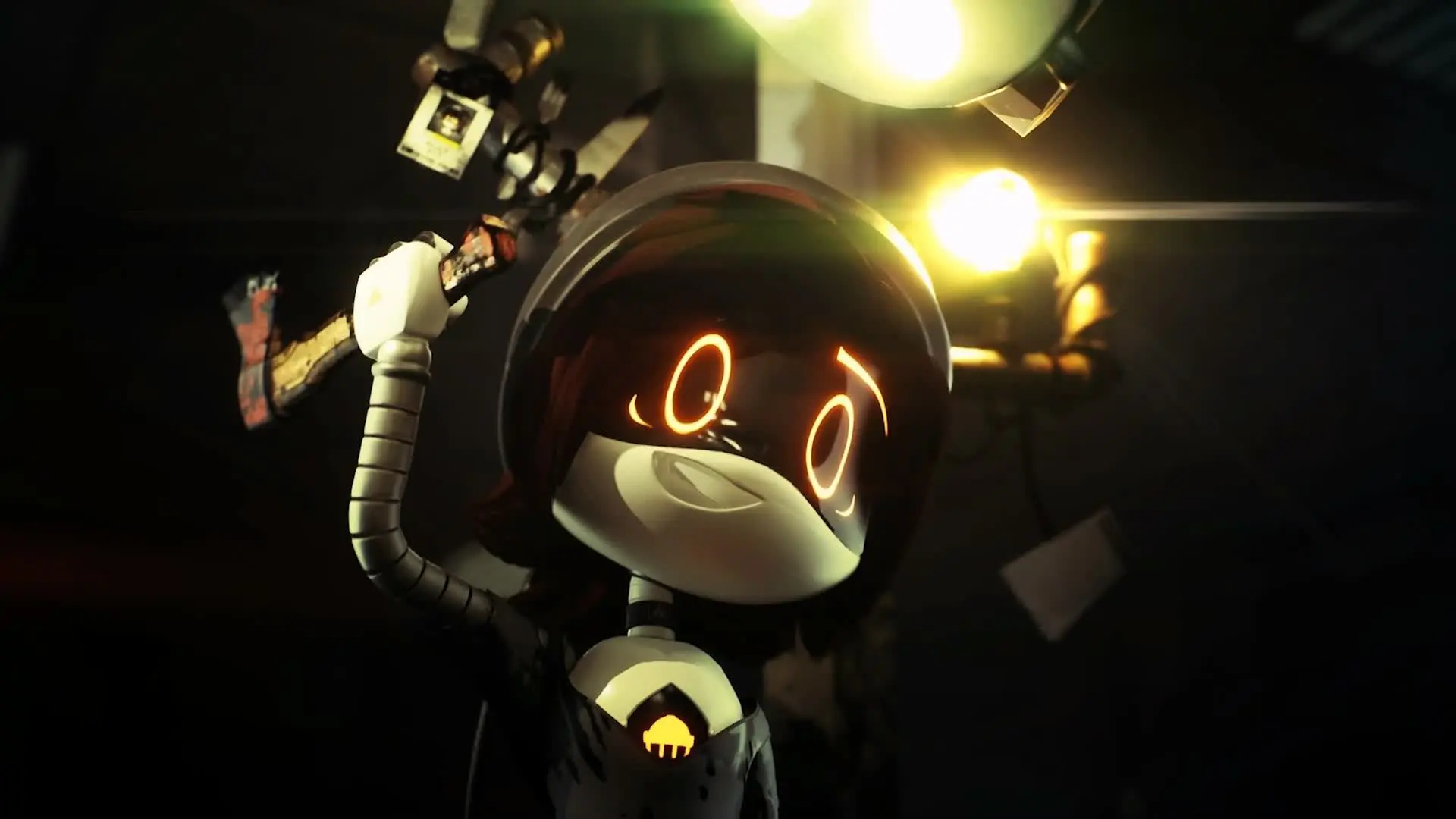
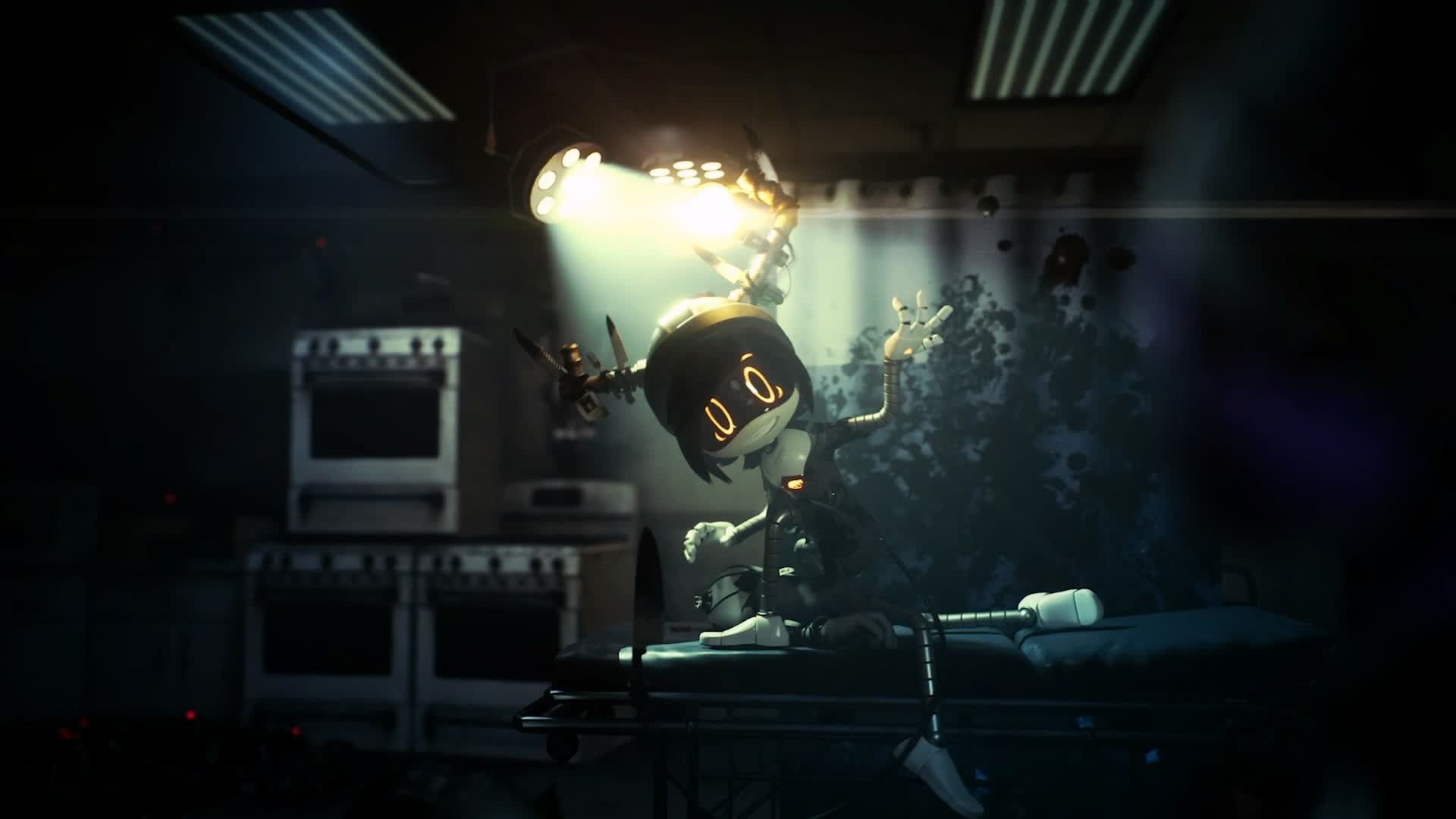
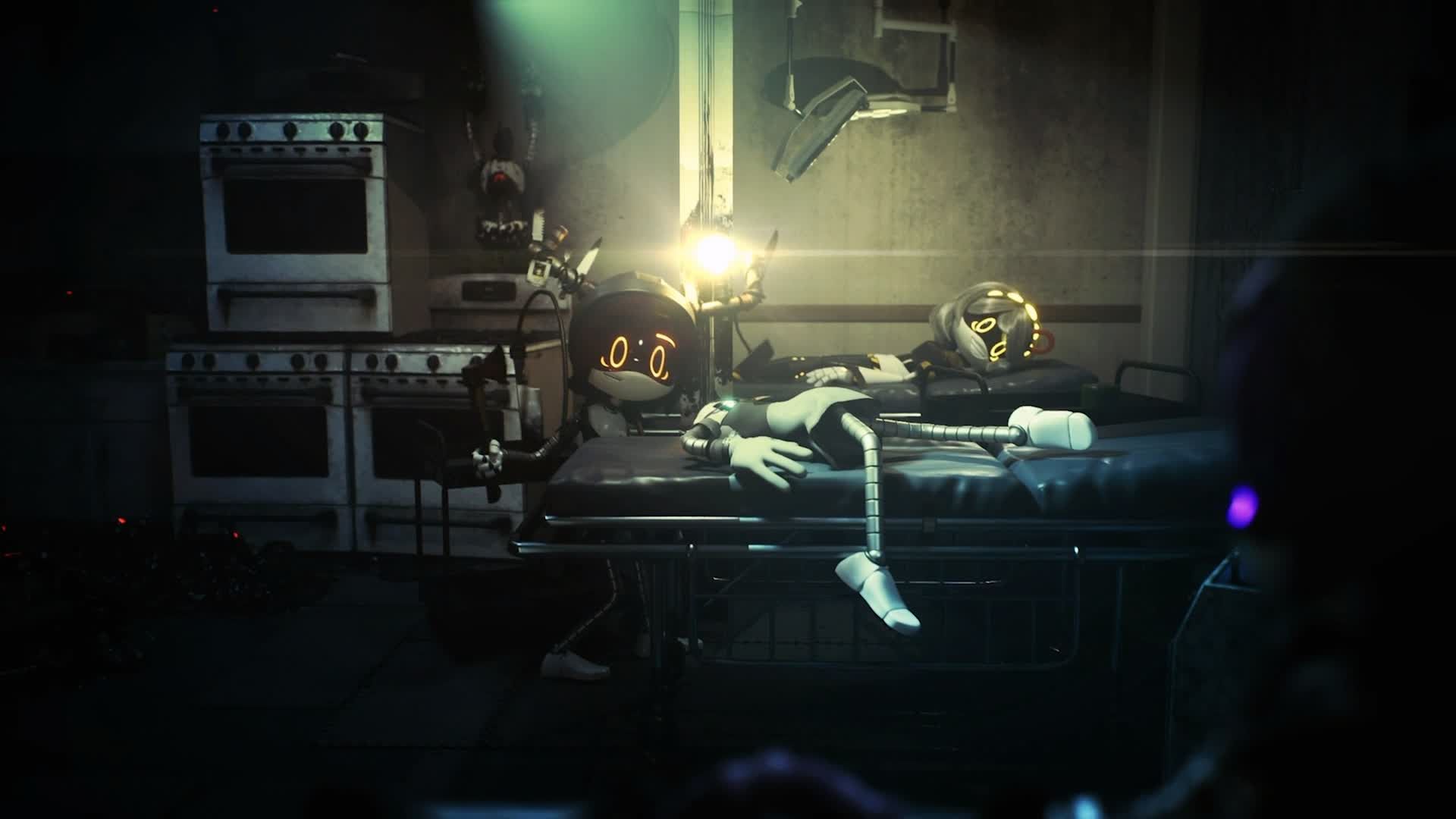
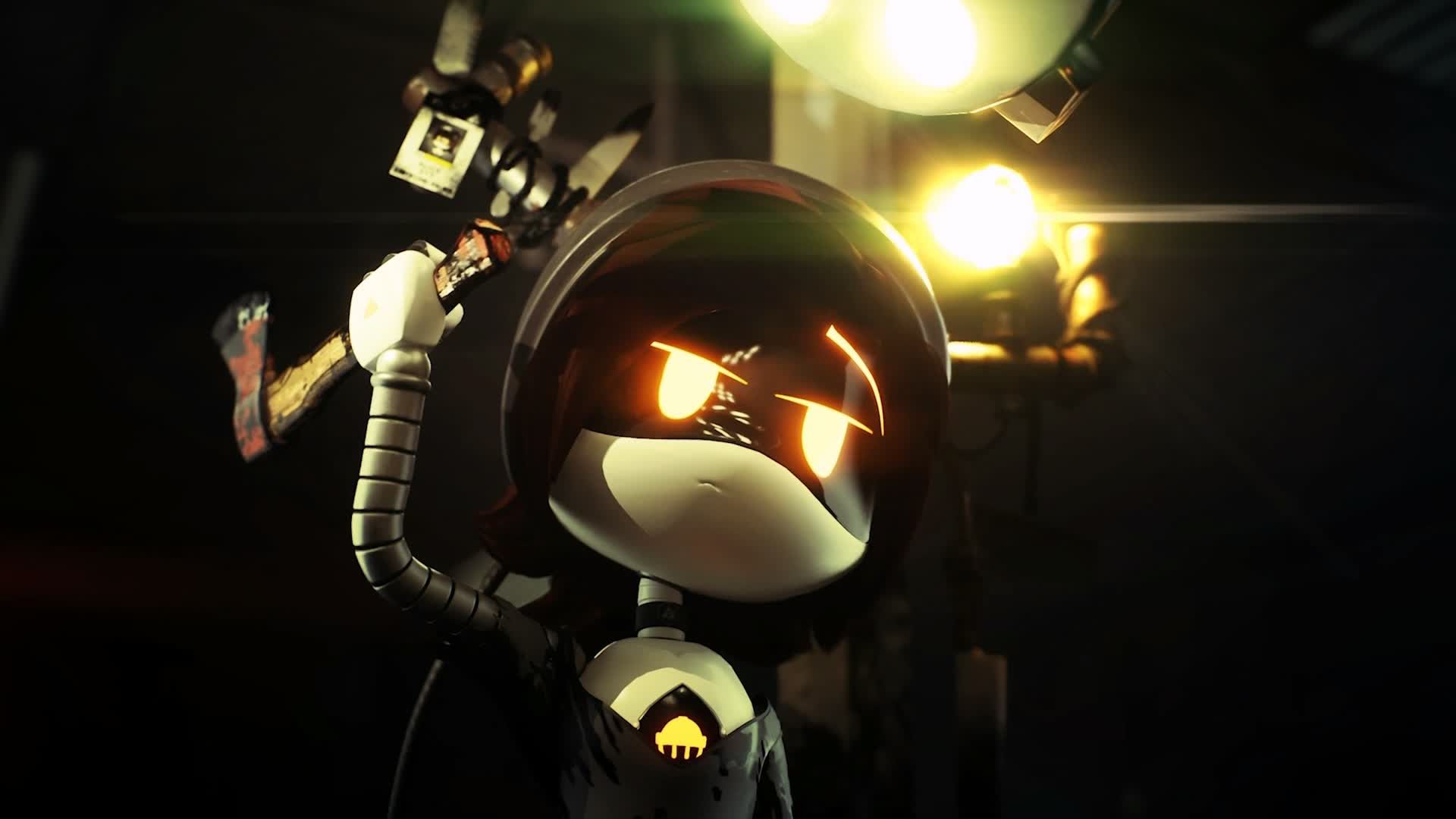
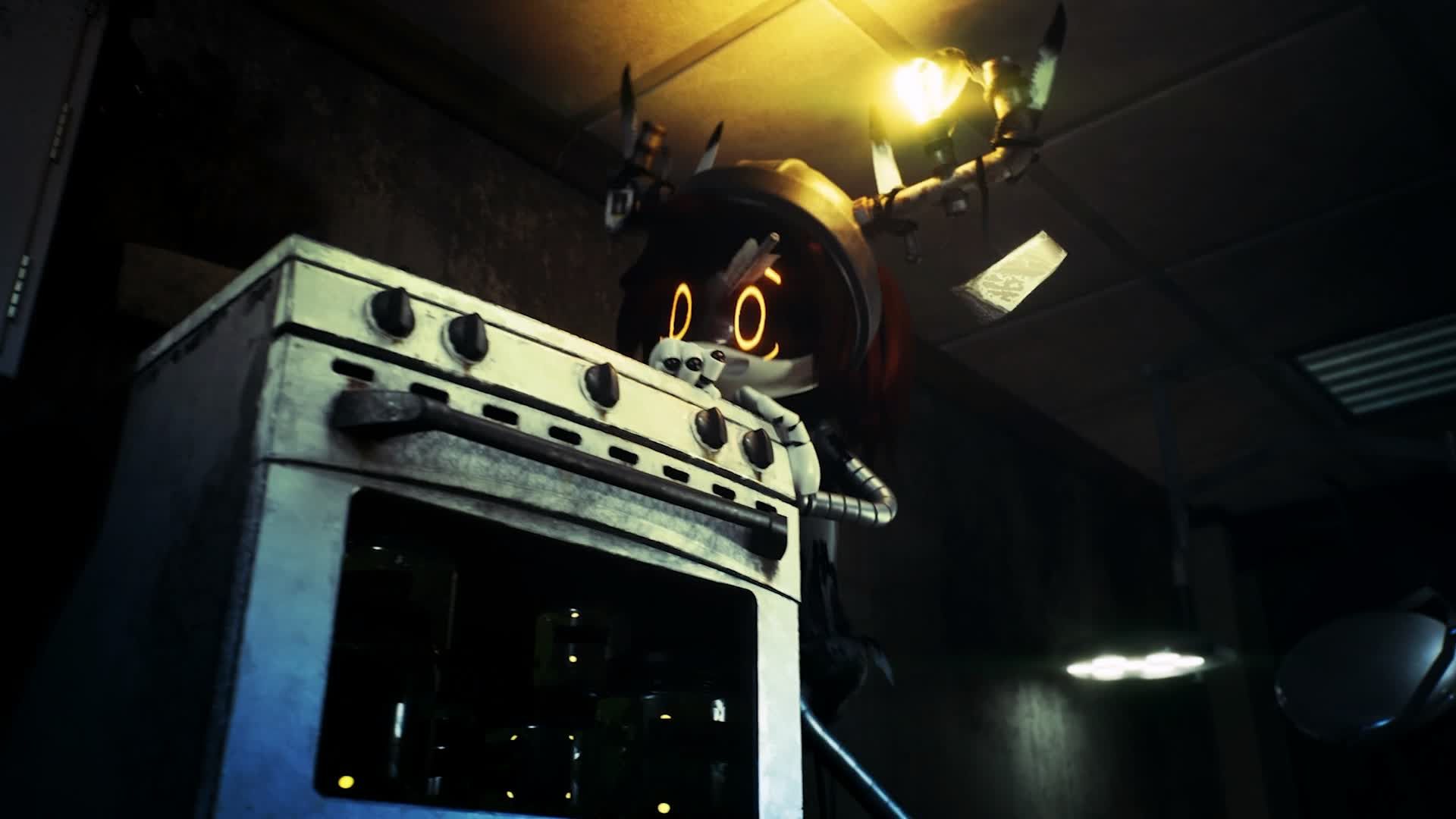
Alice is built around sharp contrasts: gleeful cruelty, practical survival instincts, and a showy sense of theatrical menace. Her neon-orange eyes, scavenged dress, bare feet, makeshift knife-tail and trophy-like antlers make her look less like a polished villain and more like someone who has been improvising weapons out of wreckage for years.
That design tells the story before she explains it. Alice does not just live in Cabin Fever Labs; she has adapted to them. Utensils, glass, spare drone parts and tools become clothing, weapons and status symbols. She treats the dead like inventory, which makes her feel like Copper-9’s apocalypse translated into one person: resourceful, funny in a nasty way, and deeply unsafe to be near.
Relationships with Other Characters
Alice’s bond with Beau is not written as a clean partnership. Beau assists with restraints, tools and surgery-room work, but the dynamic reads like a harsh survival-family arrangement: Alice gives orders, Beau follows, and tenderness is buried under habit, fear and damage. That makes Beau’s role sadder than simple “henchman” framing would suggest.
Her history with Nori is far more openly bitter. Alice does not just know the name; she reacts to Uzi as a way of punishing the mother through the daughter. The line that sells the grudge is blunt and personal:
Beau, we’ve got Nori’s kid here. Need more sedatives, it’s bitey.
Alice also understands that Solver-connected drones are not ordinary prey. She calls them “witches,” which reveals how survivors in and around the Labs turned cosmic software horror into folk-horror language they could understand.
Key Plot Moments in “Dead End”
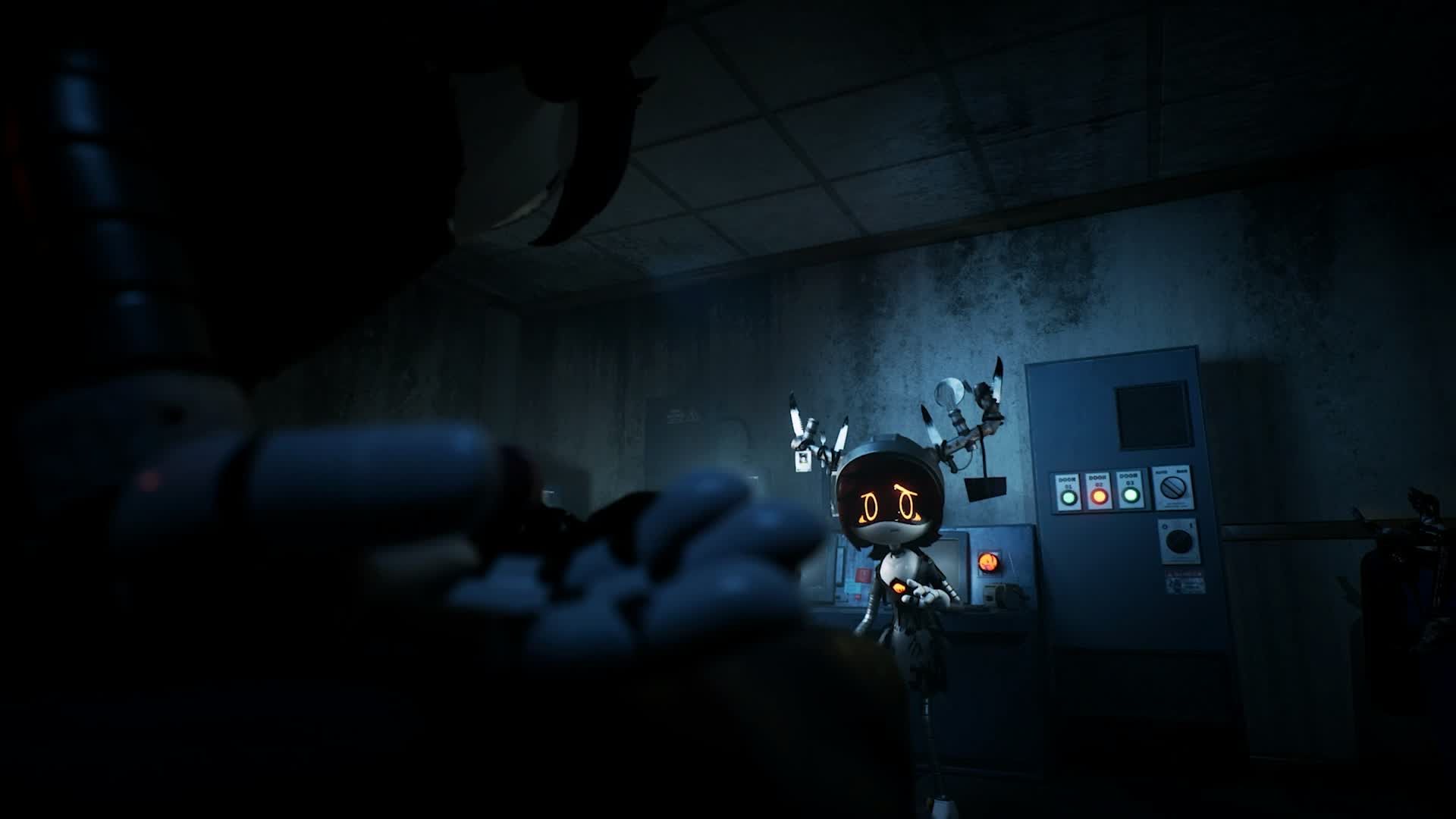
Alice enters the plot by turning the underground office area into a trap. She and Beau disable the intruders, separate them, and start treating bodies like parts bins. Uzi becomes the center of Alice’s attention once Alice realizes she is Nori’s daughter, while N and the apparent Tessa escape their restraints and try to regroup.
When Alice loses control of the room, she escalates instead of retreating. She locks doors, opens the way for the Sentinels, and tries to watch the carnage from a safe distance.
Dealt with witches ’fore too. Though, ain’t seen 02 since she left us to die.
The plan backfires because Uzi’s Solver flare-up smashes the control system. The Sentinels break into Alice’s room, boot-loop her and crush her. It is a fast, brutal reversal: Alice tries to direct the Labs’ violence outward, only to become another thing the Labs consume.
What Alice Adds to the Absolute Solver Lore
Alice matters because she shows what the Absolute Solver crisis looked like from the ground level. She is not presented as a grand mastermind or a godlike host. She is a survivor left in the ruins, using superstition, traps and scavenged tools to make the nightmare feel manageable.
Her “witches” language is important. It suggests that Solver hosts became local legends inside the Labs: dangerous figures with rules, countermeasures and grudges attached to them. Alice’s mistake is believing that knowing the rules means controlling the board. In Murder Drones, control rarely survives contact with the Solver.
Symbolism: The Witch-Hunter of Cabin Fever Labs
Alice reads like Copper-9’s witch-hunter archetype, but the show twists the idea. She is not defending the innocent; she is another predator shaped by the same system. Her antlers and knife-tail turn survival into costume design, while her workshop turns trauma into routine.
That is why her death lands thematically, not just mechanically. She unleashes monsters because she assumes she can stay above the damage. The Sentinels prove otherwise. Alice becomes the warning she ignored: cruelty may keep you alive for a while, but in the Solver’s ecosystem it still loops back.
Comparison with Other Characters in the Series
Alice is easiest to understand by contrast. V begins as violent and frightening, but the story eventually gives her loyalty, guilt and a path toward change. Alice never gets that softening beat. J’s cruelty feels corporate and rule-bound; Alice’s cruelty is local, improvised and personal. Doll’s horror is tightly tied to Solver grief and revenge, while Alice’s horror is more physical: blades, traps, body parts, locked rooms.
Next to Uzi, Alice becomes a dark possible future rather than a direct mirror. Both are sharp, angry Worker Drones who refuse to be passive. The difference is that Uzi keeps reaching for connection, even awkwardly. Alice has narrowed connection down to possession, resentment and control.
Canon Status: Dead, But Not Irrelevant
Alice’s canon status is clear: she dies in Cabin Fever Labs during “Dead End.” The later ID 017 reference in “Mass Destruction” works better as an archival echo than as a comeback tease. It reinforces that Alice was part of the same test-subject history surrounding Nori, the Labs and the Solver outbreak.
Because the season is complete, the safest reading is not “Alice will return,” but “Alice remains a compact piece of lab history.” Her role explains how the underground facility kept producing consequences long after the original experiments collapsed: survivors became scavengers, countermeasures became predators, and old grudges found new victims.
FAQ: Alice in Murder Drones
Who is Alice in Murder Drones?
Alice is a former Cabin Fever Labs test subject, Worker Drone scavenger and minor antagonist from Episode 6, “Dead End.” Searches for alice murder drones usually point to her role as the decapitator who captures Uzi, N, V and the apparent Tessa inside the Labs.
Is Alice dead in Murder Drones?
Yes. Alice is boot-looped and crushed by Sentinels after Uzi’s Solver flare-up destroys the door controls. Her later ID 017 reference is not a full return; it is an archival-style connection to the test-subject history.
Why does Alice hate Nori?
Alice’s dialogue implies that she believes Nori left her and others to die. The series does not pause for a full backstory from Alice’s point of view, so the best reading is careful: Alice holds a personal grudge, and Uzi becomes the target because she is Nori’s daughter.
Why do fans remember Murder Drones Alice if she appears so briefly?
Fans remember murder drones alice because her design is instantly readable: knife-tail, scavenged antlers, orange eyes and a workshop full of body-horror detail. She is on screen for a short stretch, but she gives “Dead End” a specific grindhouse-lab atmosphere that no other character repeats.