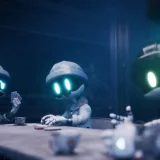
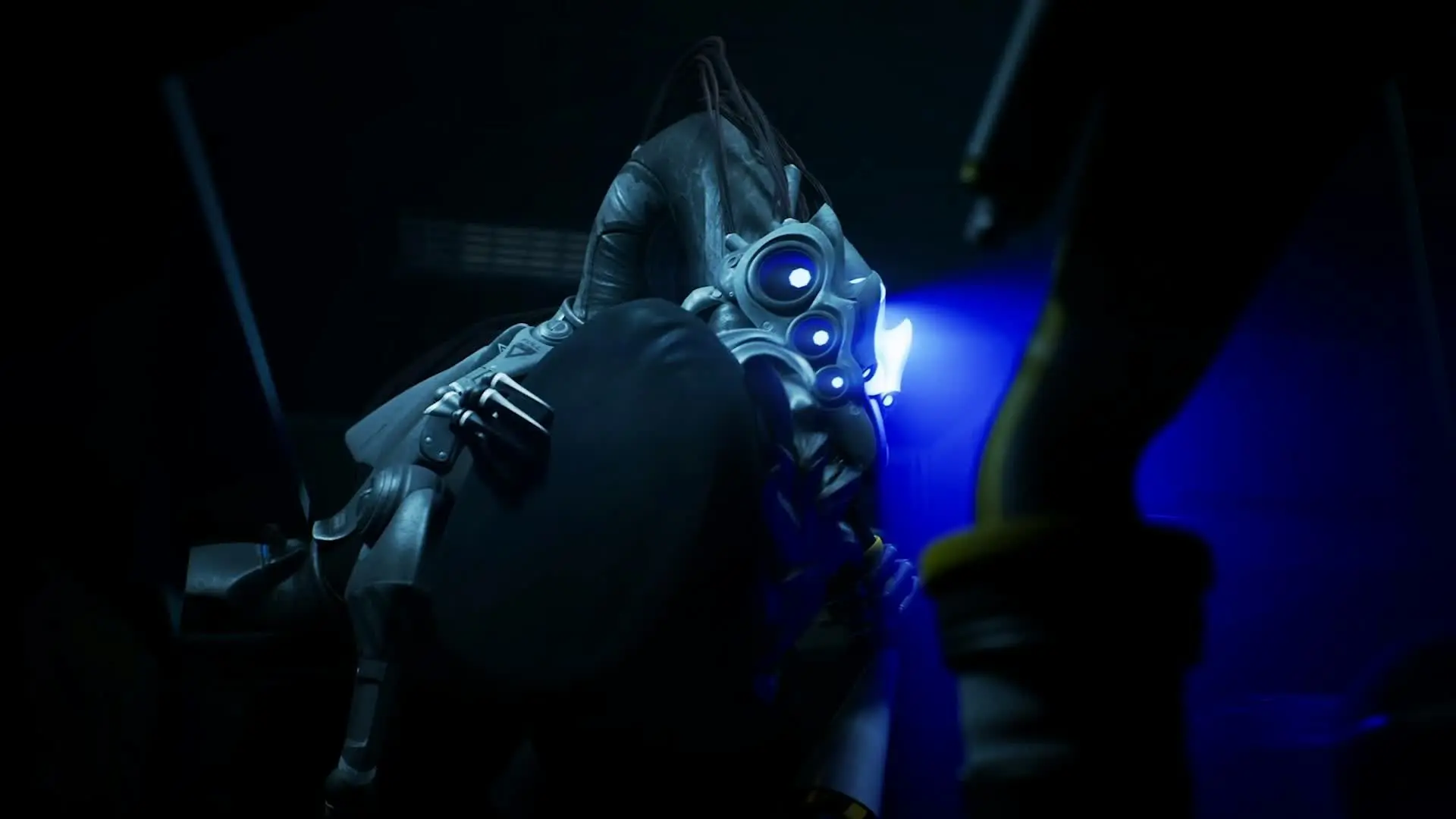
When fans search for murder drones sentinel, they usually mean the Anti-Drone Sentinels: raptor-like mechanical droids that turn Cabin Fever Labs into one of the nastiest survival-horror locations in Murder Drones. They do not talk, bargain, or monologue. They stalk, chirp, flash, pin, bite, and make the Absolute Solver mystery feel less like a single villain and more like a whole broken security ecosystem.
This guide keeps the canon reading separate from fan shorthand. Sentinels are frightening because of their anti-drone boot-loop light, pack behavior, raptor silhouette, and the way Episode 6 drops them into tight corridors where there is nowhere clean to run. The “Whoops, all mitosis!” line is memorable, but it should be treated as a character joke and fandom meme rather than hard proof that Sentinels literally reproduce by mitosis on screen.
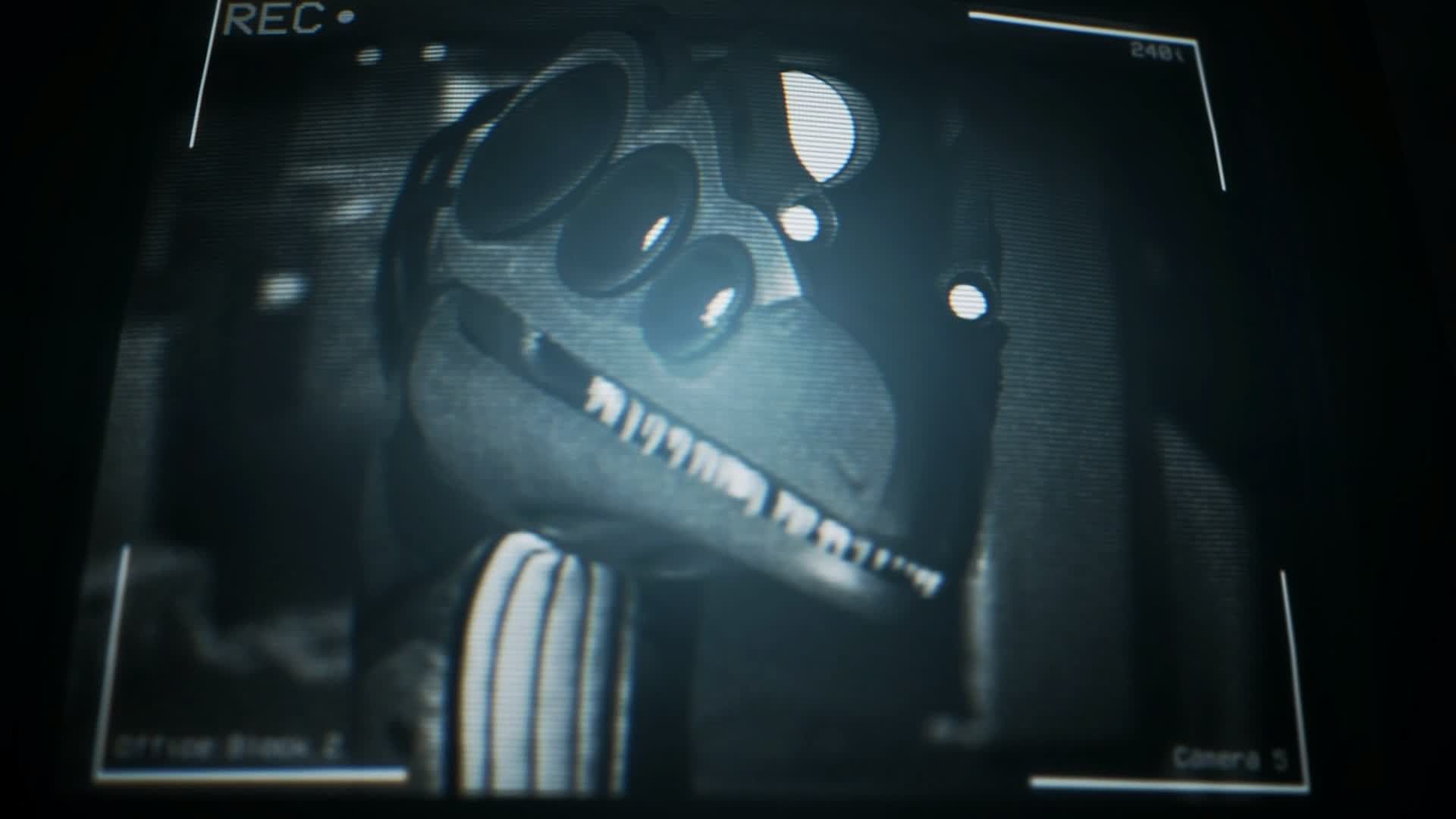
Murder Drones Sentinel: Quick Canon Profile
| Field | Details |
|---|---|
| Name | Anti-Drone Sentinels, usually shortened to Sentinels |
| Type | Mechanical anti-drone security droids with raptor-like body language |
| Main role | Guarding and policing Cabin Fever Labs and other Solver-adjacent danger zones |
| First major spotlight | Episode 6, “Dead End” |
| Signature threat | A bright boot-loop flash that can freeze drones long enough for a kill |
| Combat style | Pack hunting, ambushes, climbing, pinning targets, and using claws or teeth at close range |
| Important variant | A red-eyed Sentinel, commonly associated with Sparky, becomes a bigger factor after the “bad dingo” sequence |
| Canon caution | Their swarm threat is real; literal self-replication is not cleanly established as a confirmed ability |
Origin and Purpose within the Murder Drones Universe
The Sentinels move fully into the spotlight in Episode 6, when the group descends into the underground Cabin Fever Labs. Tessa frames them as human-made security designed against drones, but the scene also undercuts her confidence almost immediately: “control” is not the same thing as safety. Whether they are patrolling, caged, released, or redirected, Sentinels exist to make the labs feel like a containment system that has outlived the people who built it.
- Core purpose on screen: Hunt drones, guard restricted lab space, and prevent intruders from moving freely through key corridors.
- Story purpose: Turn the Solver investigation into a pressure-cooker chase where every hallway, elevator, and locked door matters.
- Theme purpose: Show what happens when “security” protects systems and experiments more fiercely than living people or drones.
At least they can't boot loop me.
That offhand line matters because it names the real fear: Sentinels are not just sharp animals made of metal. They are anti-drone counters at the operating-system level. If the flash hits a drone’s vision, the fight can be over before the target even falls.
Physical Appearance and Design Features
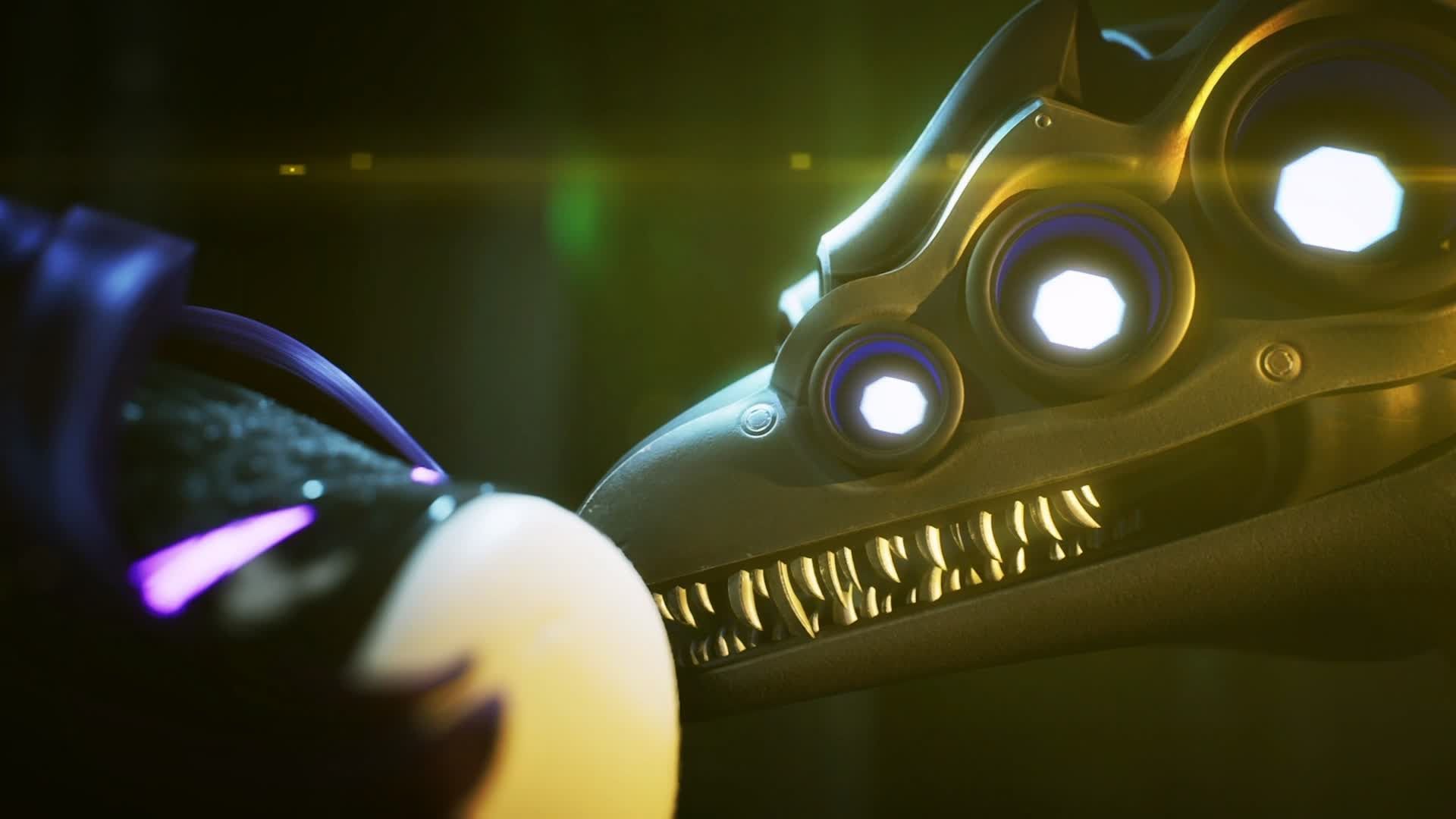
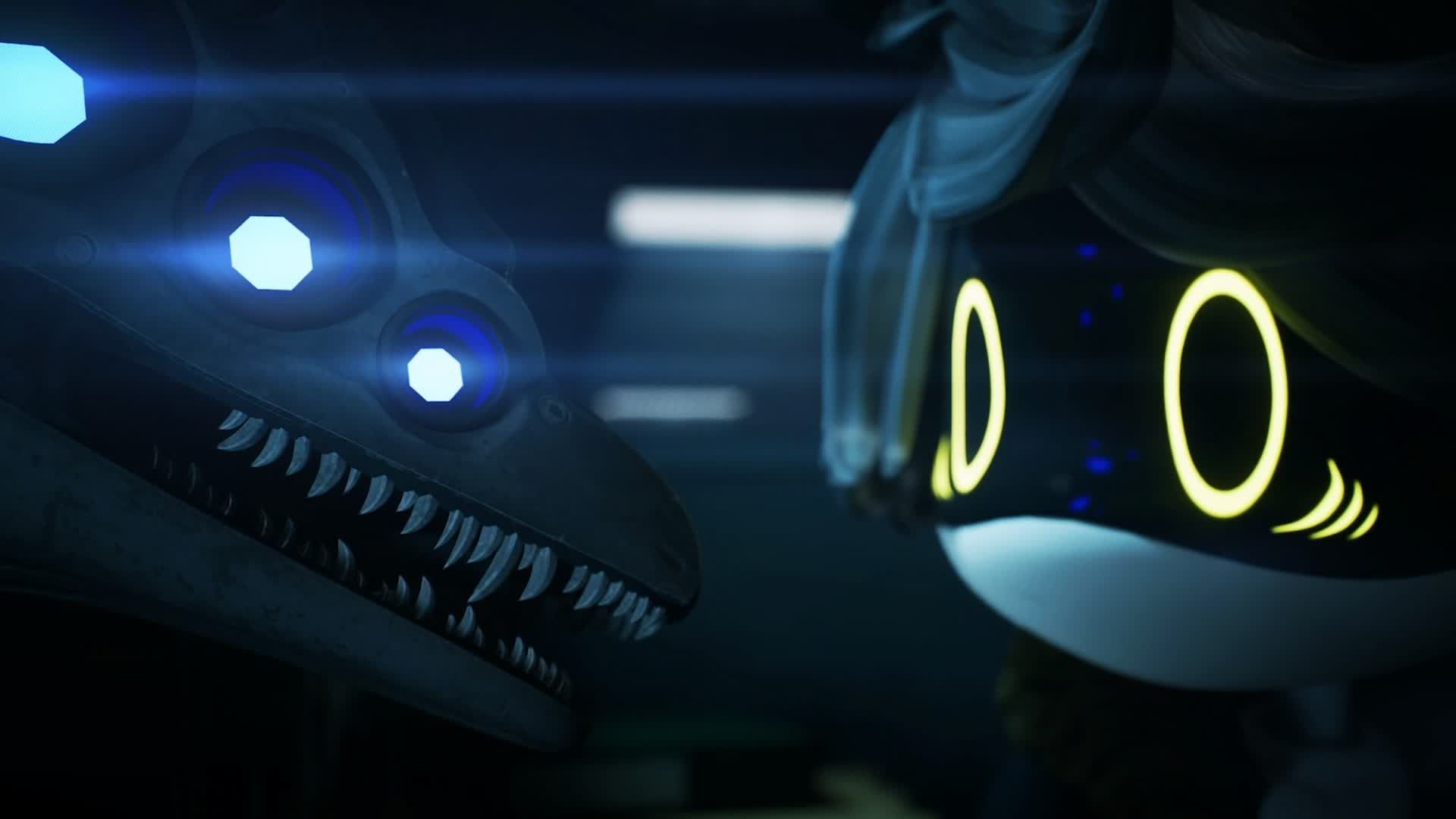
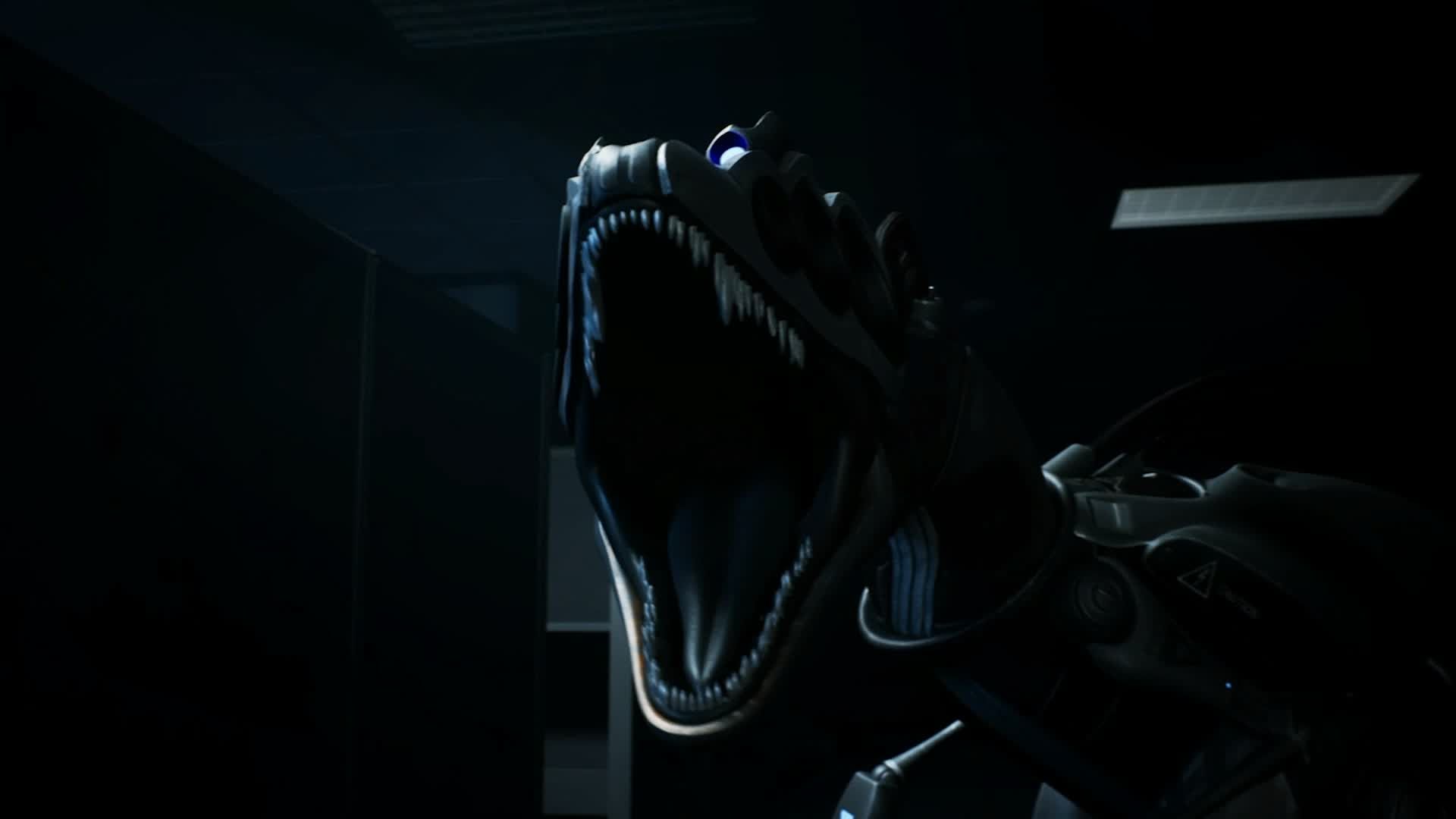
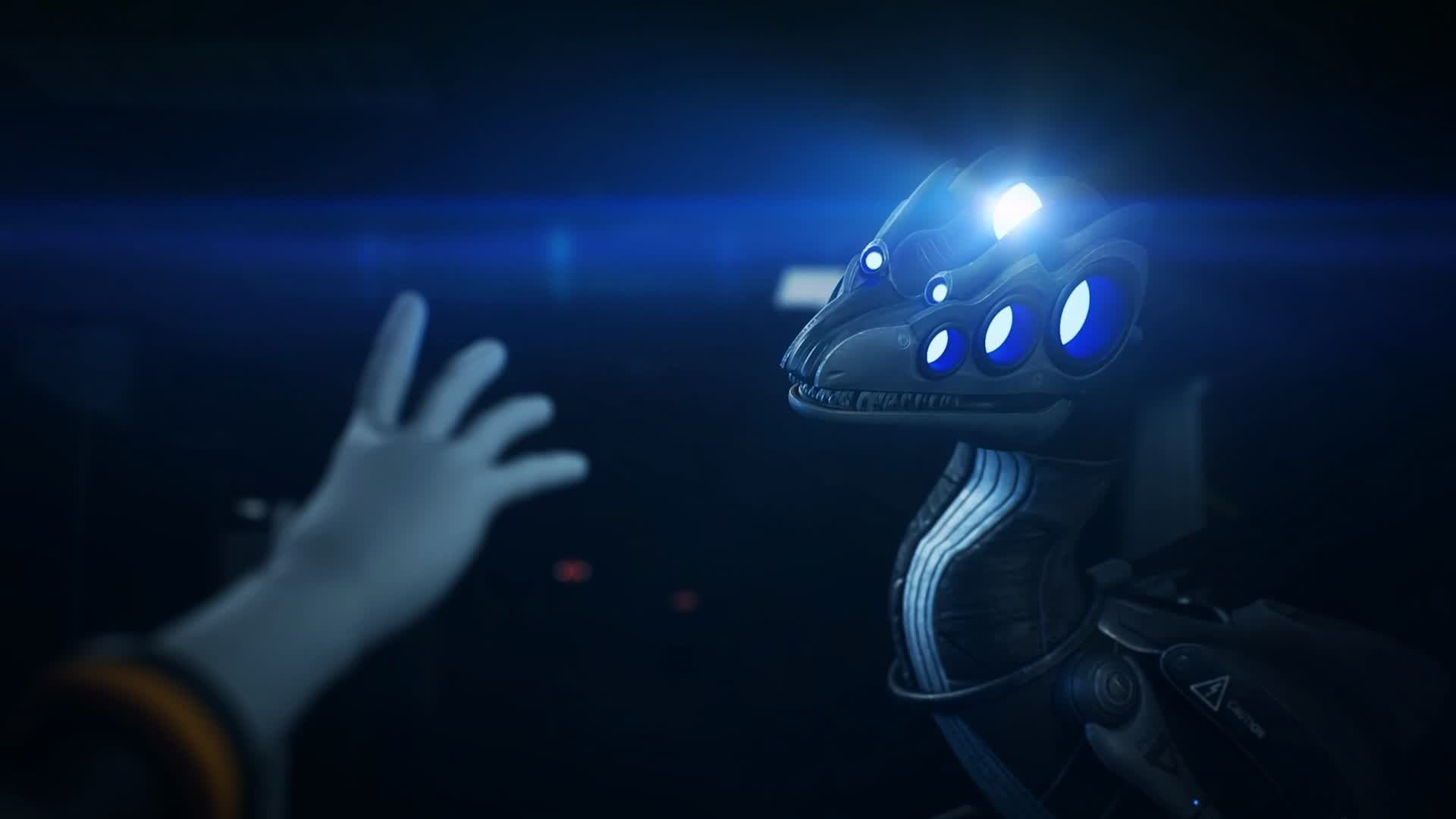
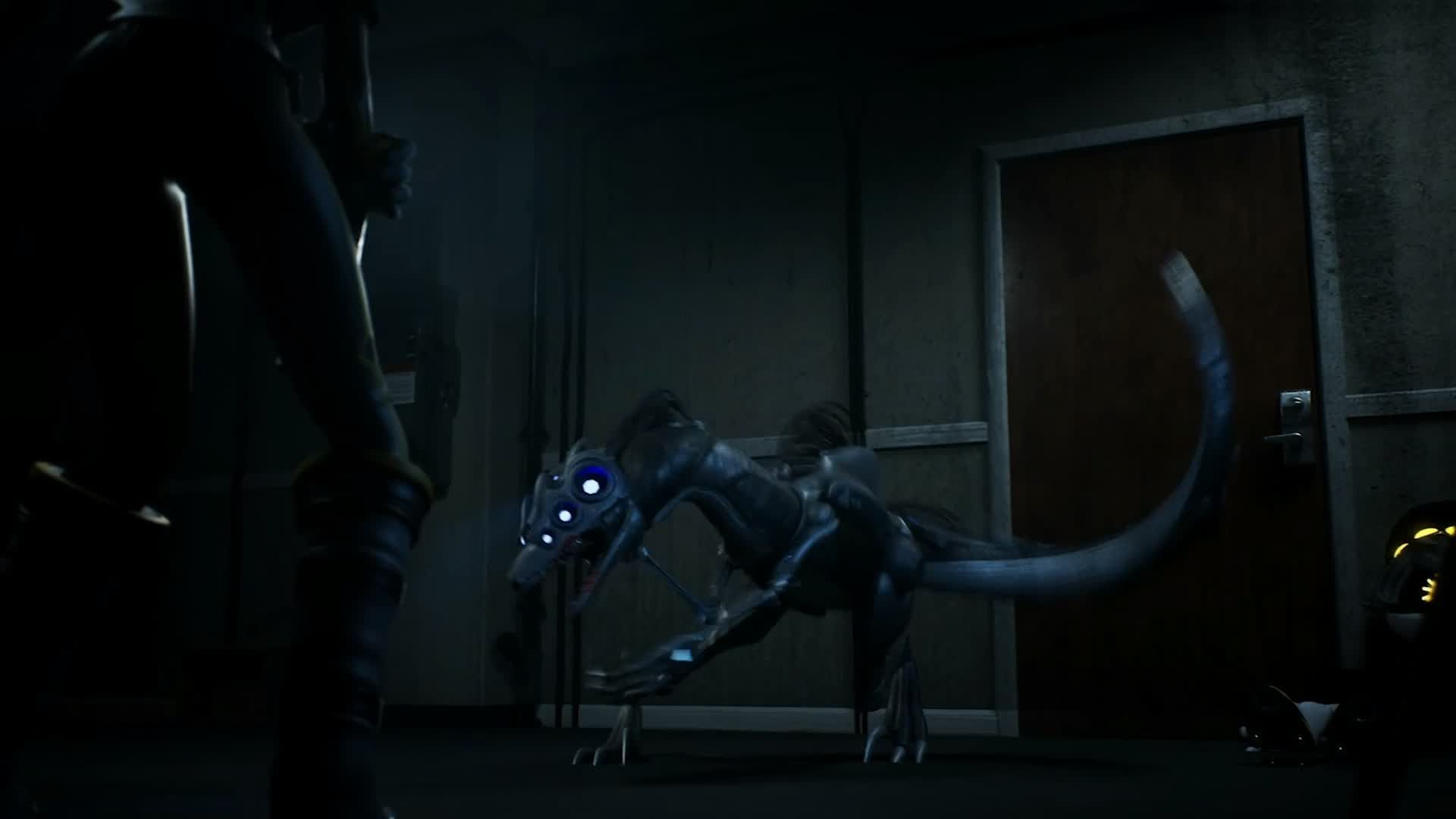
Sentinels read as robotic raptors more than ordinary guard bots. Their long bodies, jointed limbs, glowing eyes, sharp jaws, and animal-like stalking patterns make them feel predatory before they even attack. The sound design adds the rest: metallic taps, scanner-like chirps, sudden screeches, and the awful rhythm of something fast moving through a dark room.
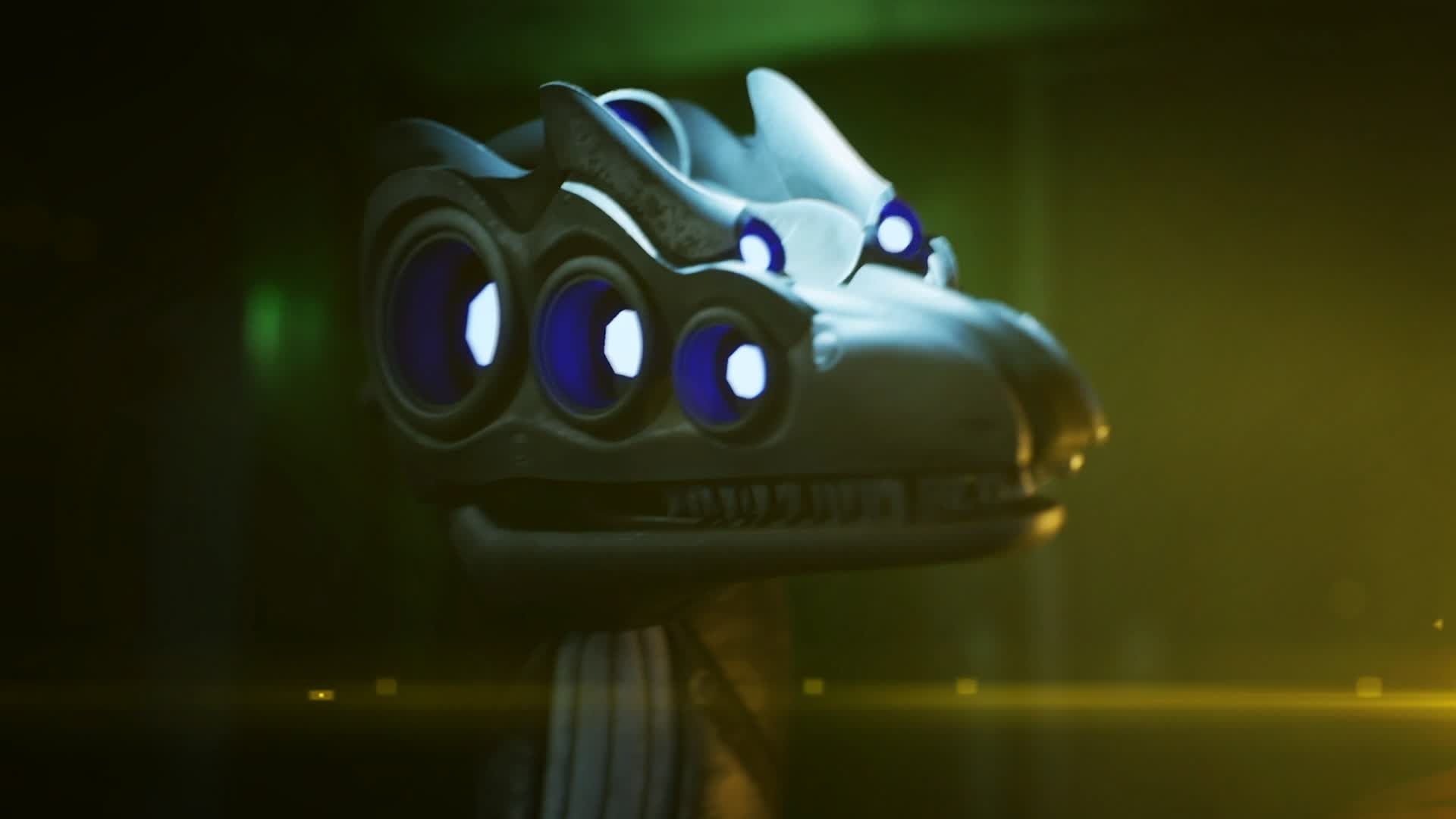
Design details that stand out
- Raptor-like silhouette: Lean, low, quick, and built to read as a predator in motion.
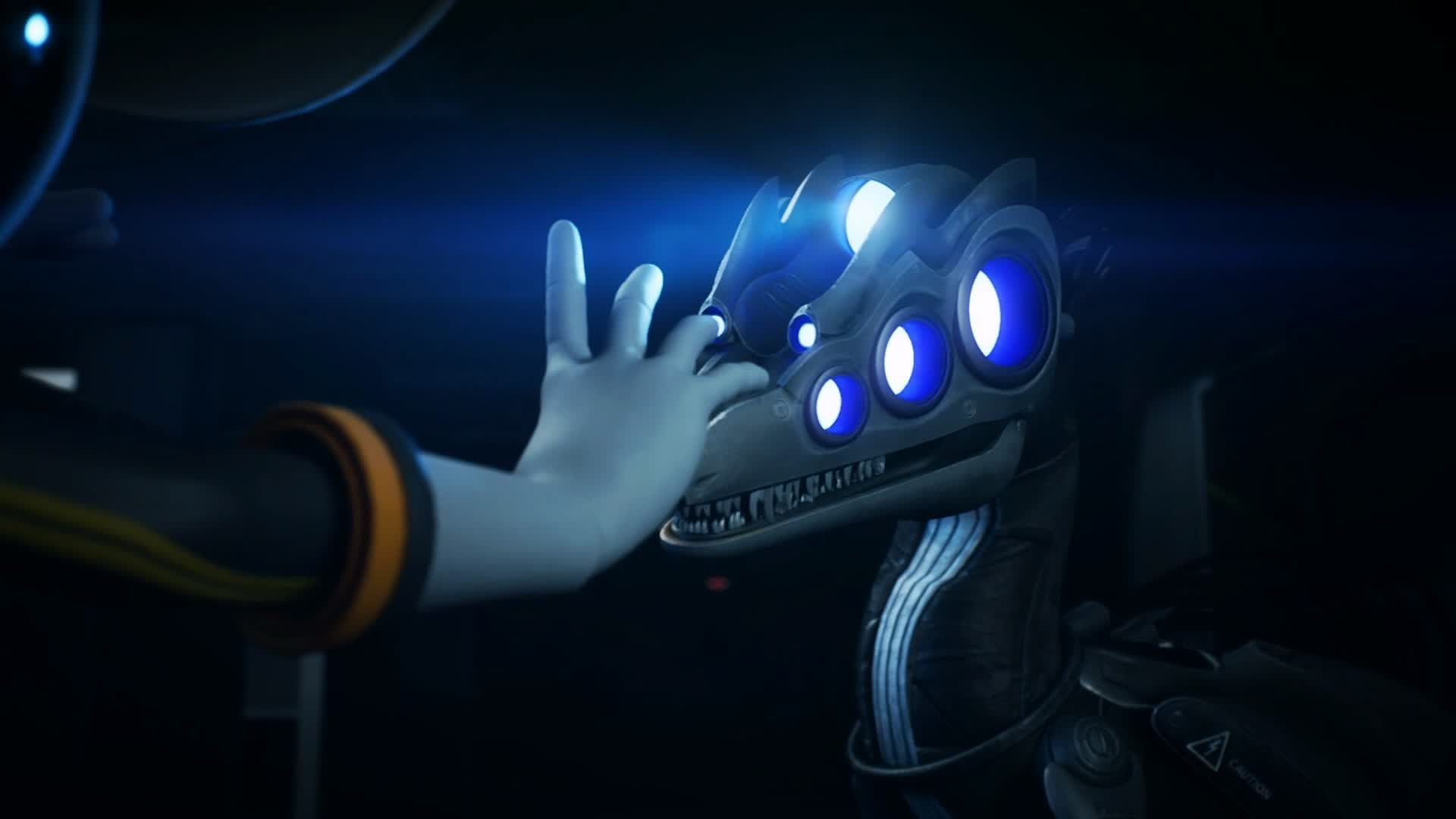
- Multiple glowing eyes: Their face design feels more like a sensor rig than an expressive character face.
- Claws and teeth: The boot-loop light freezes targets; the claws and jaws finish the work.
- Wall and ceiling movement: Their climbing ability makes “safe direction” feel unreliable.
- Blue and red visual states: Blue-eyed Sentinels are the standard threat, while the red-eyed variant signals a more unstable and memorable escalation.
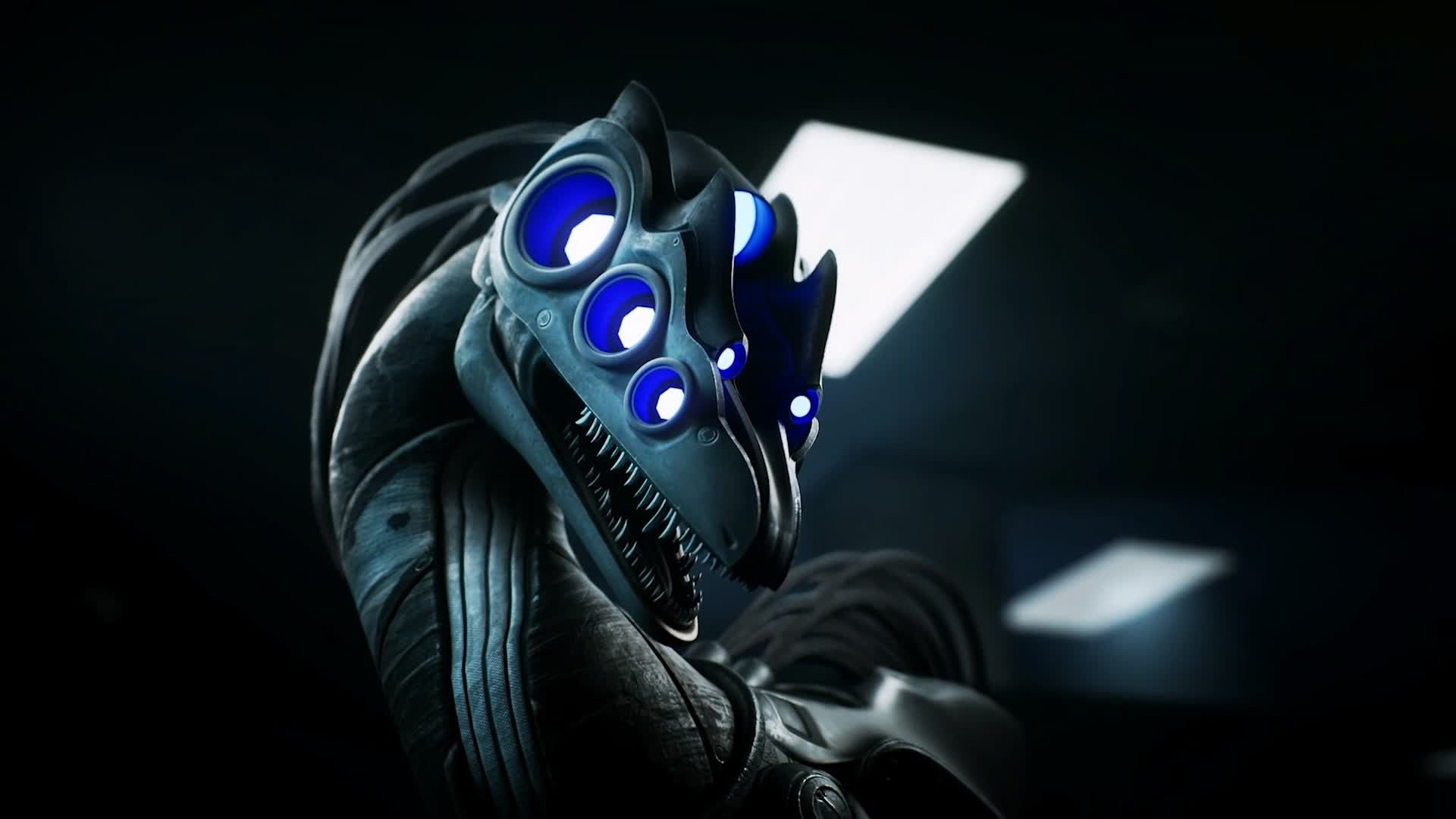
Murder Drones Sentinels: Abilities and Limits
Sentinels are most dangerous when the scene gives them darkness, distance, and a straight line of sight. They do not need complex speeches or flashy Solver powers. Their toolkit is simple, brutal, and effective.
- Boot-loop light: A bright flash can lock a drone into a frozen, unresponsive state, leaving the target open to attack.
- Close-range killing power: Claws and teeth let them pin, tear, and finish immobilized drones quickly.
- Agility and climbing: They can close distance, move through awkward spaces, and attack from angles the heroes cannot comfortably watch.
- Pack pressure: One Sentinel is bad; several Sentinels in a hallway or elevator sequence become a moving trap.
- Improvisational danger: The red-eyed Sentinel’s use of scavenged drone parts makes it feel less like a simple animal and more like a malfunctioning weapon learning new tricks.
Whoops, all mitosis!
The quote is iconic, but the cleaner canon reading is that the danger comes from swarming, release points, and multiple Sentinels already in the facility. Fans may use “mitosis” as shorthand for “the problem keeps getting bigger,” but it is safer not to list literal biological-style replication as a confirmed power.
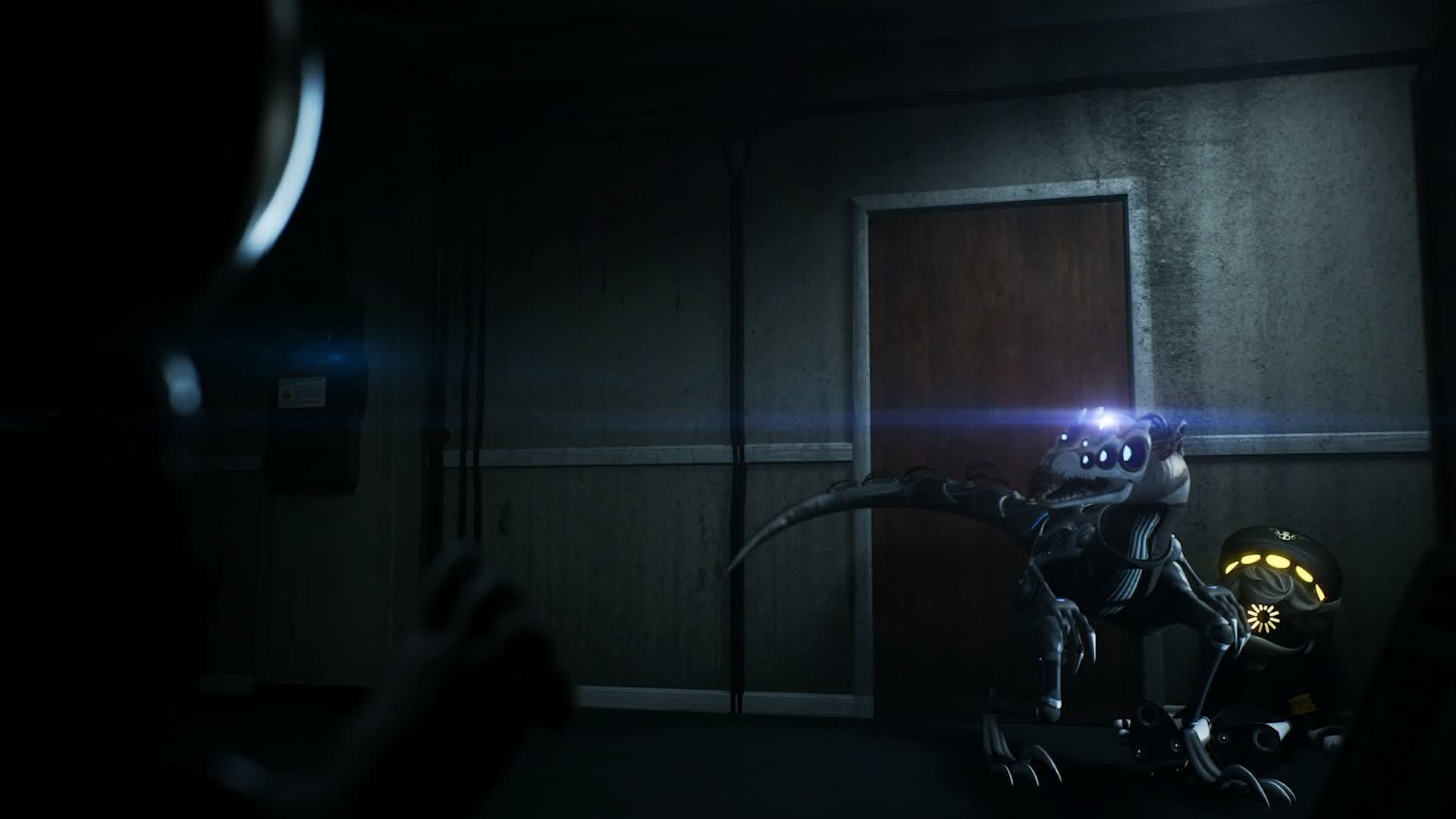
Role in the Plot and Key Story Moments
- Episode 6 – “Dead End”: Sentinels turn Cabin Fever Labs into a predator maze. They appear in the opening horror sequence, surround the group later, boot-loop drones, kill exposed victims, and force V into one of her most important sacrifice-coded decisions. The episode uses them to make every shortcut feel like a worse problem waiting in the dark.
- Episode 7 – “Mass Destruction”: Their presence continues to hang over the aftermath of the elevator disaster. The episode shifts focus toward the larger Solver crisis, but the Sentinel pressure from “Dead End” is still what separates characters, limits options, and keeps the labs from feeling like a normal battlefield.
- Episode 8 – “Absolute End”: The finale reframes the Episode 6 cliffhanger by revealing that V survived. Her later appearance with a red-eyed Sentinel makes the creatures more interesting than disposable monsters: under rare circumstances, a Sentinel can be redirected, tamed, or at least fought beside rather than only against.
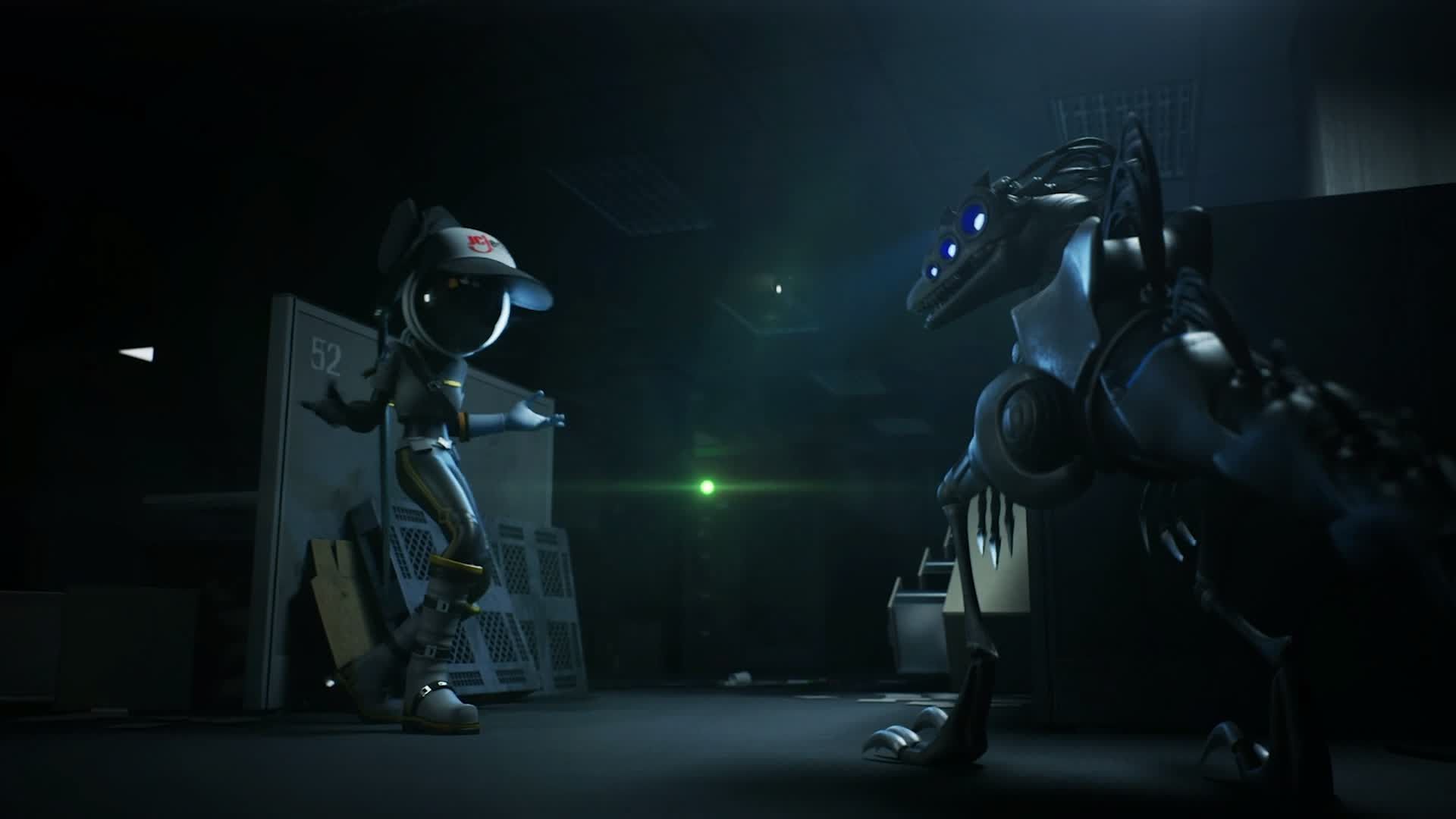
Interaction with Other Characters
- Tessa: She talks to them like dangerous guard dogs she expects to manage, but the “Bad, dingo!” sequence proves her confidence has limits. Later revelations around “Tessa” also make the human-control angle more complicated than it first appears.
- Uzi: As a Solver-touched protagonist inside Solver-connected lab space, Uzi becomes exactly the kind of anomaly the setting is built to punish.
- N: N’s compassion does not help much against a machine designed to freeze and kill drones before they can react.
- V: V turns the Sentinel threat into a character test. She fights them directly, buys time for the others, and later becomes the character most strongly tied to the red-eyed Sentinel reversal.
- Doll: Her boot-loop fakeout and keybug play make the Sentinel chase even nastier because the group cannot tell which danger is immediate and which one is bait.
- Alice’s crew: The scavengers treat Sentinels as part of the local hazard map. They know enough to use, fear, or exploit them, but not enough to stay safe forever.
Bad, dingo! Bad, dingo!
The comedy lands because the comparison is almost right. Sentinels behave like trained animals until the programming, target logic, or scene chaos snaps in a direction nobody can fully control.
Symbolism and Themes Represented by the Sentinels
- Security without mercy: Sentinels protect the facility’s priorities, not the people and drones trapped inside it.
- Automation as horror: They are frightening because they do not hate their targets. They simply execute the logic they were built to follow.
- Predator design in a lab setting: Their raptor shape turns sterile corporate science into creature-feature terror.
- Control breaking down: Tessa’s “maybe” says a lot. In Murder Drones, systems built for control often become the next thing nobody can control.
Canon vs Fan Theories and Interpretations
What canon strongly supports
- Sentinels are anti-drone mechanical security units associated most clearly with Cabin Fever Labs.
- Their boot-loop flash can immobilize drones that directly see it.
- They are raptor-like hunters with strong claws, sharp teeth, and pack behavior.
- At least one red-eyed Sentinel becomes important enough for fans to treat it as a named individual, Sparky.
What should be phrased carefully
- Human-built vs Solver-influenced: The episode frames them as human-made security, but the broader Solver plot makes every lab system feel contaminated by larger consequences.
- Targeting logic: They are anti-drone by design, while their reactions around “Tessa” become complicated once the later Cyn reveal is understood.
- Mitosis: It works as a joke, meme, and metaphor for escalating trouble. It should not be presented as a fully confirmed biological or mechanical reproduction mechanic.
Reception in the Fandom
The Sentinels quickly became a creature-feature favorite because they are easy to recognize and hard to relax around. The raptor profile, metallic chirps, blue flash, and “dingo” jokes give them a strong identity even though they do not speak. They also work well in fan art: ceiling-crawler poses, red-eyed Sparky edits, lab-horror lighting, and V-versus-Sentinel scenes all make them visually sticky.
Searches like sentinel murder drones usually come from viewers trying to identify the boot-loop raptors from “Dead End,” figure out what Sparky is, or understand how V survived the Episode 6 cliffhanger. The safest summary is simple: Sentinels are not the final villain, but they are one of the show’s best examples of how a location can become a monster.
FAQ: Murder Drones Sentinels
What is a Sentinel in Murder Drones?
A Sentinel is an Anti-Drone Sentinel: a mechanical, raptor-like security droid most clearly seen in Cabin Fever Labs. Its job is to hunt drones, immobilize them with a boot-loop flash, and keep intruders from moving safely through restricted areas.
What does “sentinel murder drones” usually refer to?
The phrase sentinel murder drones usually refers to the blue-eyed and red-eyed anti-drone raptors from Episode 6, especially the boot-loop flash, “Bad, dingo!” scene, and V’s later connection to the red-eyed Sentinel.
Can Sentinels boot-loop humans?
The boot-loop effect is shown as a drone vulnerability. The “human” question is intentionally messy because the character presenting herself as Tessa is later revealed to be part of the Cyn/Solver deception, so it is better to say the flash is an anti-drone tool rather than make broad claims about ordinary humans.
Do Sentinels really multiply by mitosis?
No confirmed canon explanation says they literally reproduce by mitosis. The line “Whoops, all mitosis!” is best treated as a joke and meme. On screen, the practical danger is that Sentinels attack in numbers, appear from cages and corridors, and keep escalating the chase.
Is Sparky a Sentinel?
Yes. Sparky is the red-eyed Sentinel fans usually connect with the “bad dingo” sequence and V’s later survival. The red-eyed variant behaves more unpredictably than the standard blue-eyed Sentinels.