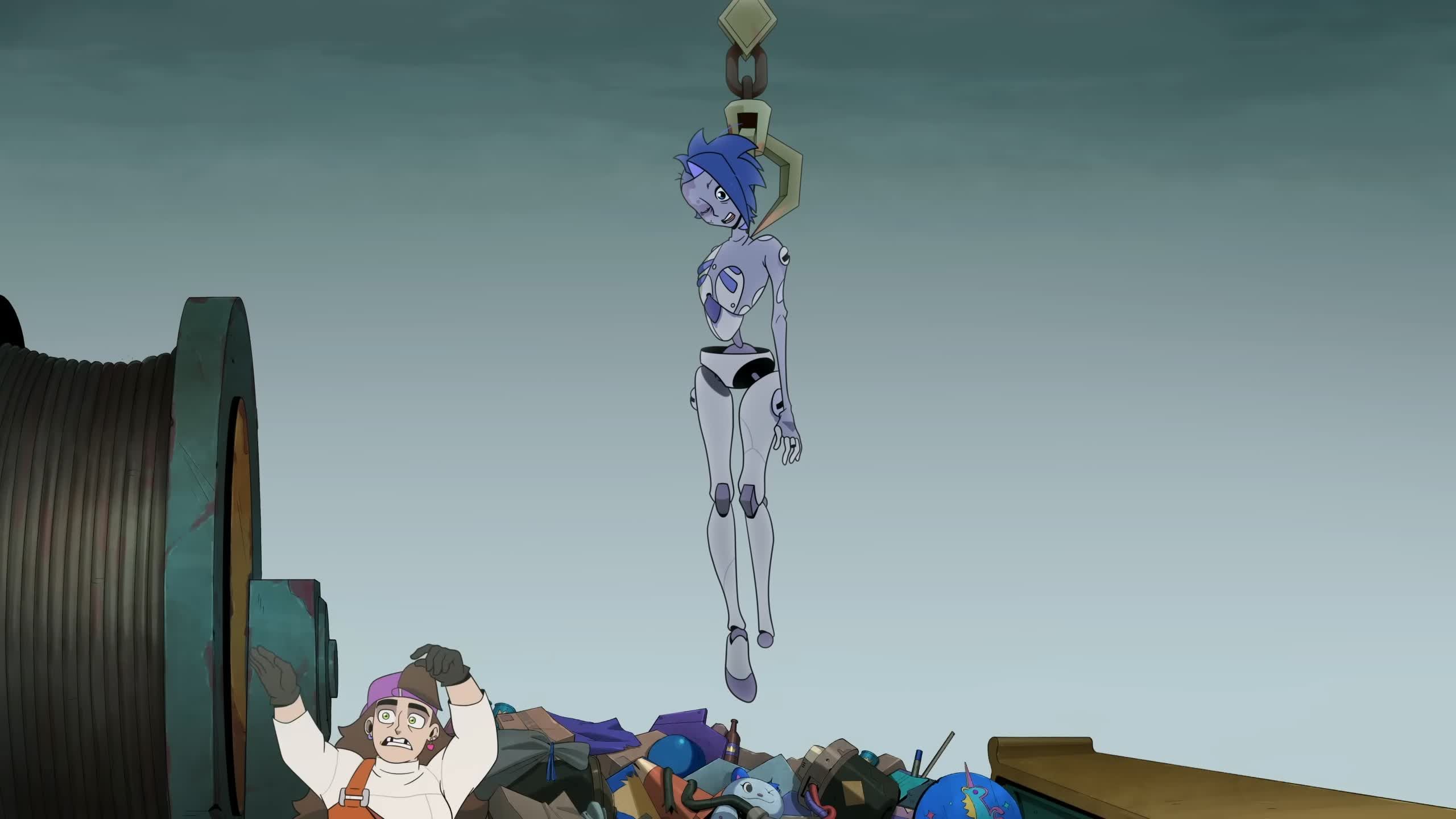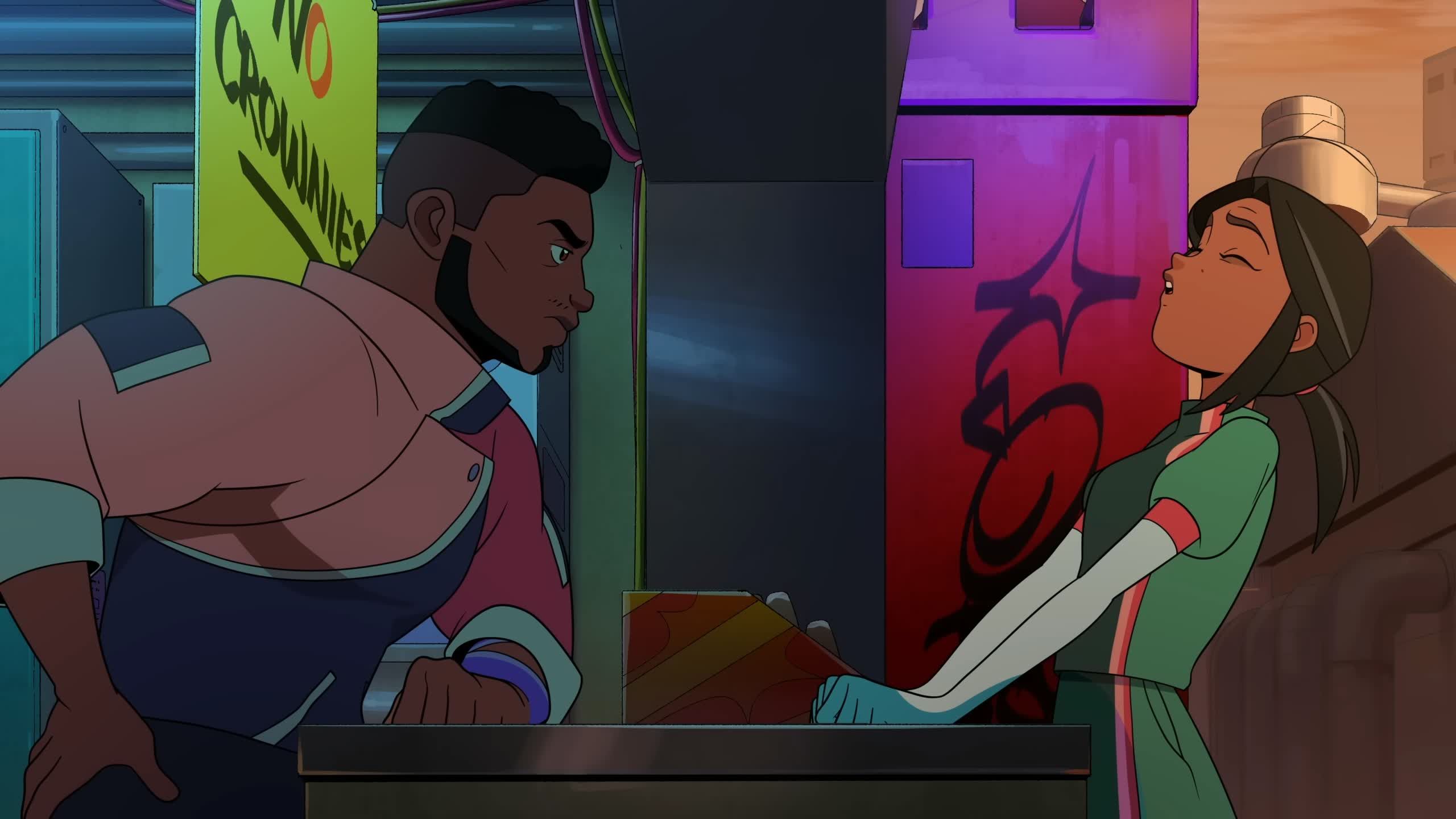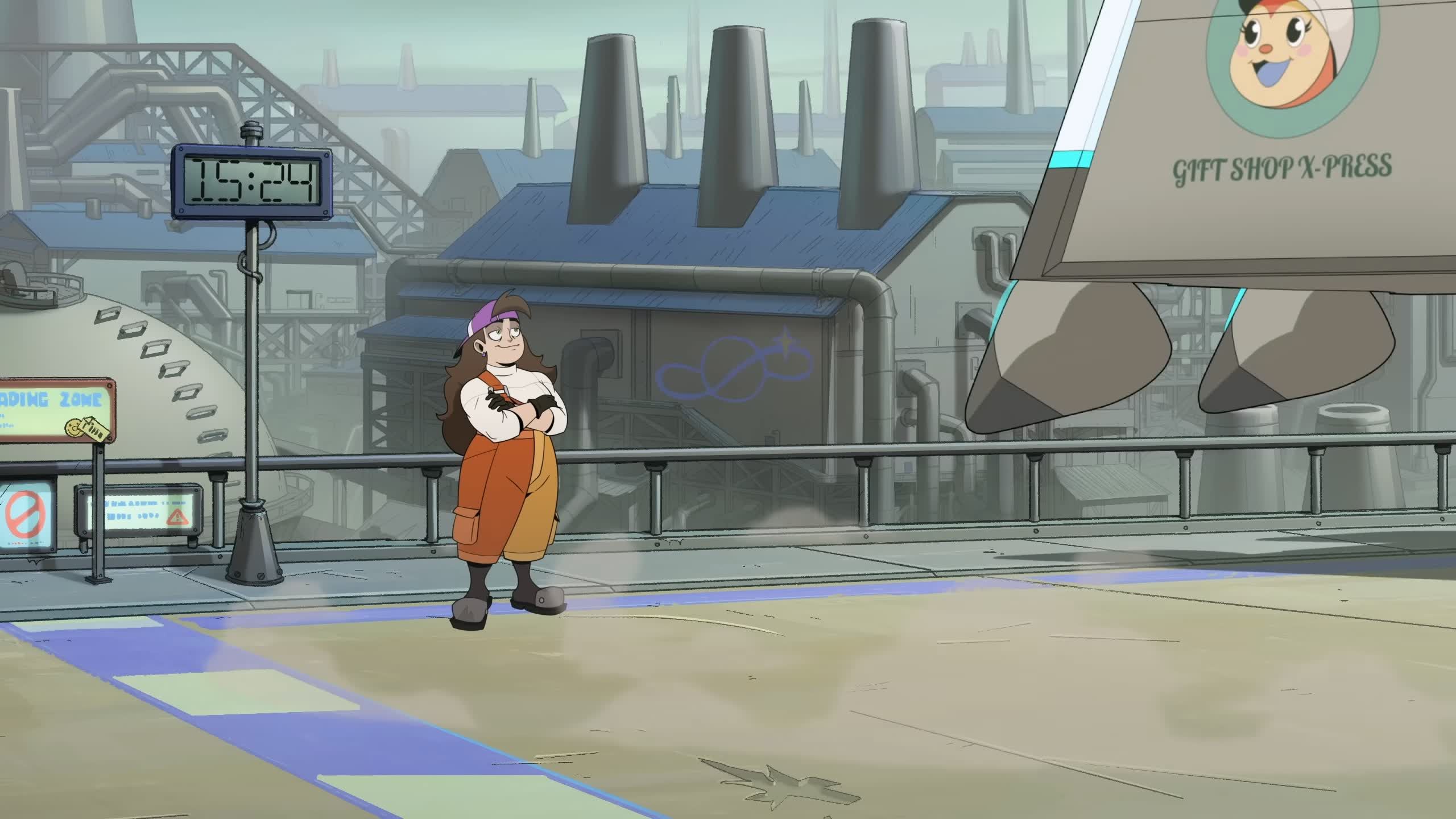
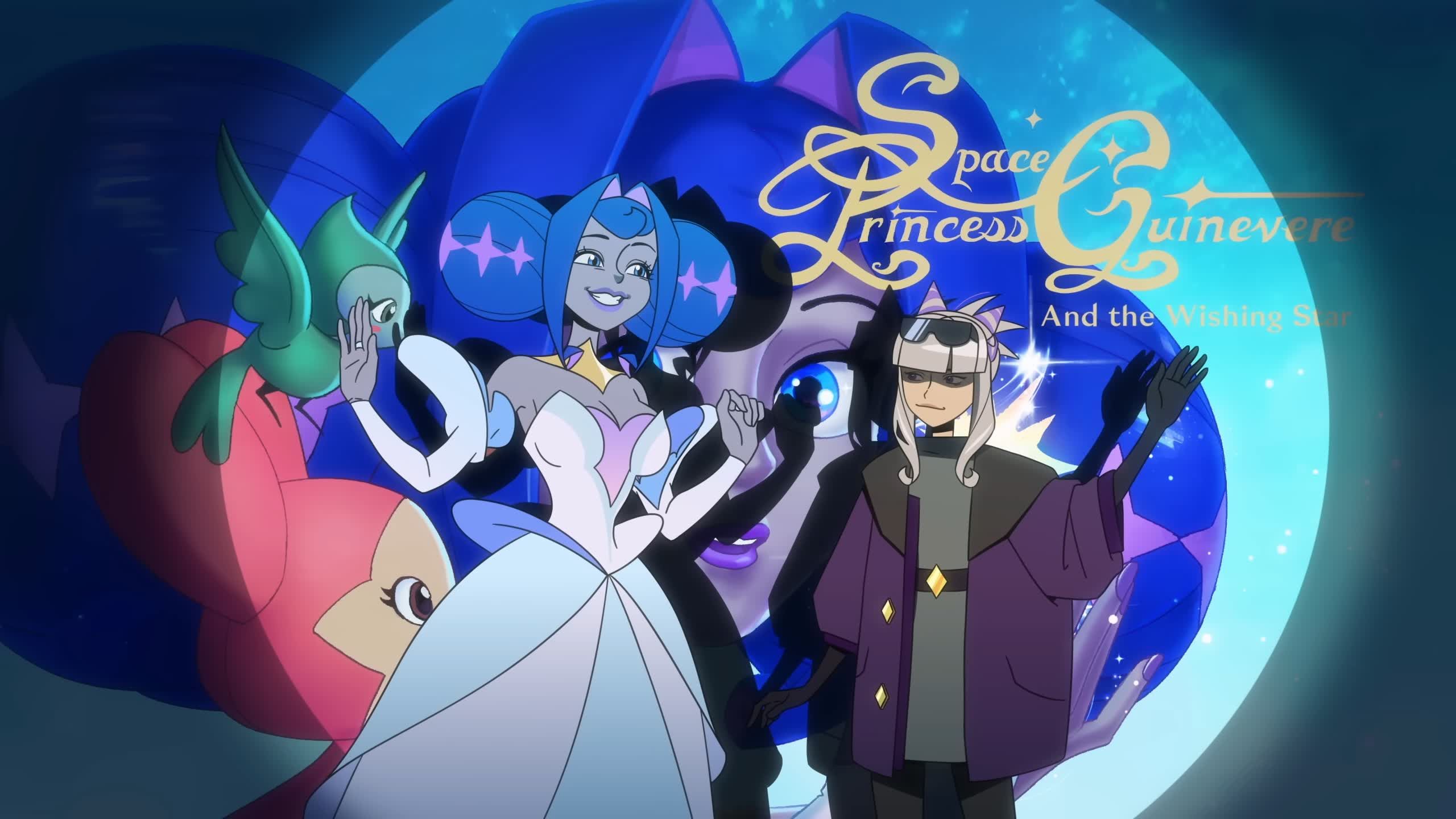
The pilot episode of Knights of Guinevere wastes no time setting its tone. It opens with a chilling fairytale narration about a princess locked in a tower run by machines that feed on fear. A father figure gifts his daughter a “kingdom in the clouds,” and then–crash–she escapes into the sea below. Years later, in the scrapyard slums of M7, two hustlers, Frankie and Andi, stumble upon a broken Guinevere android and decide to repair it. What starts as a simple fix-it job becomes a spark that drags them deep into forbidden labs, corporate cover-ups, and a mystery that feels uncomfortably personal for both of them.
Watch online
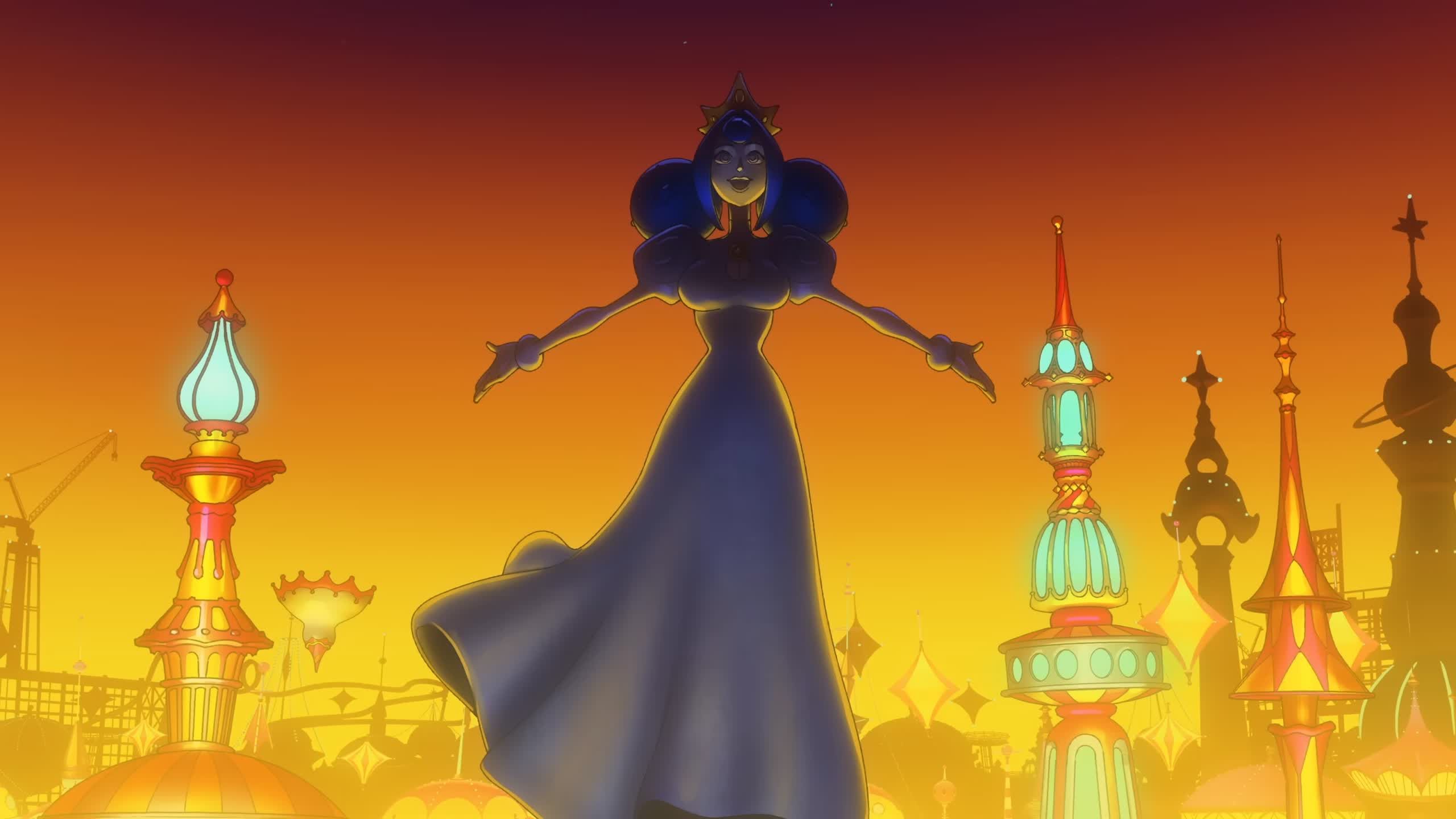
Voice, vibe, and the quick hook
Knights of Guinevere speaks with the confidence of a show that knows its world inside out–half greasy dock talk, half fairy-tale poetry. The pacing is tight but rich; the characters and design do most of the worldbuilding while the dialogue grounds the absurd in real, blue-collar exhaustion. It’s more “salvage-noir with a conscience” than typical sci-fi melodrama, and that’s why it clicks. The show’s writing hits a powerful anti-corporate chord when Andi vents about the illusion of choice in their system:
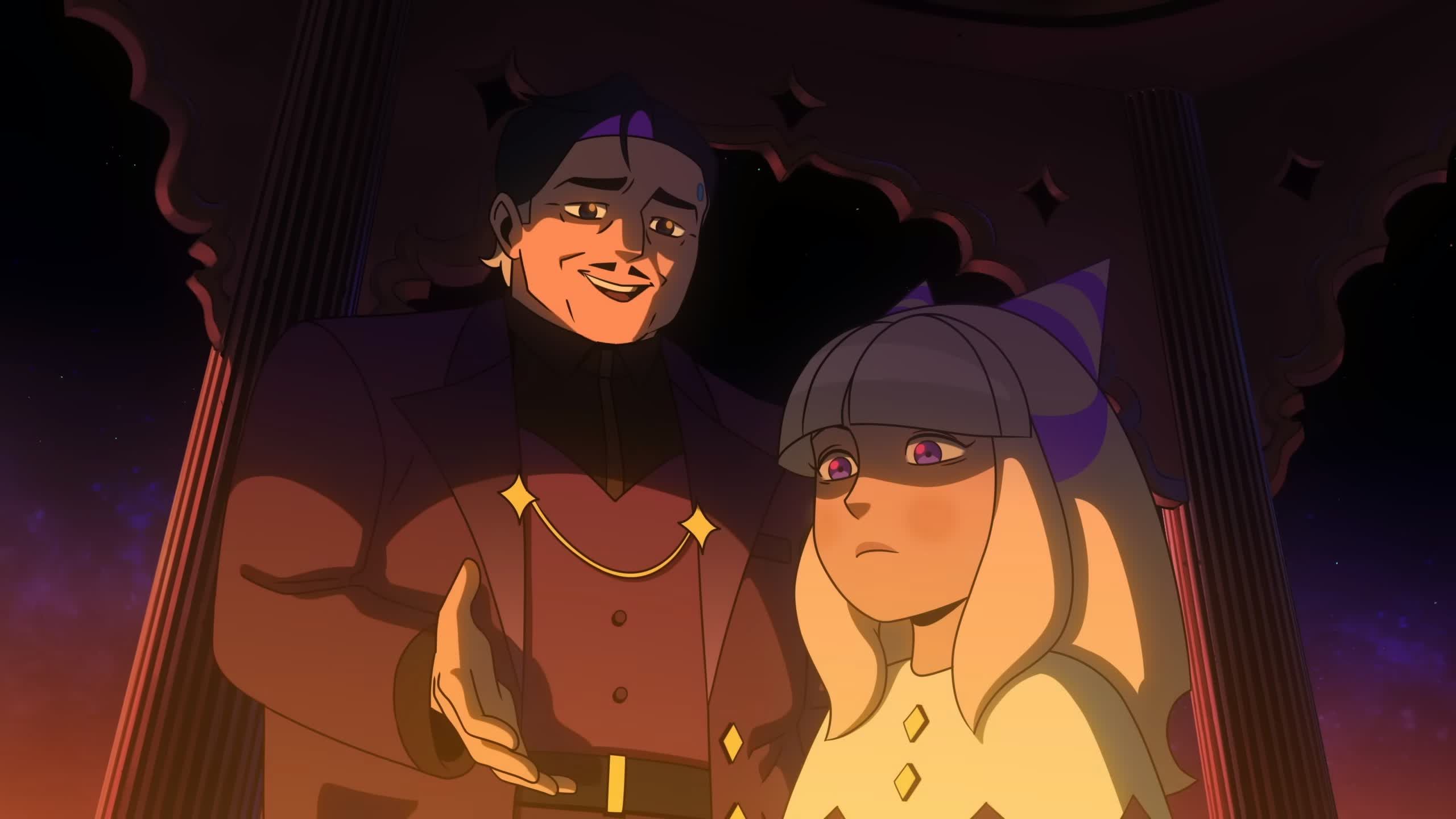
“We are all victims of the park, but everyone’s so busy picking apart each other, they don’t see the corporate hand at the wheel.”
That line nails what Knights of Guinevere really wants to say – the world might look like a paradise of joy and light, but underneath it runs on fear, debt, and denial.
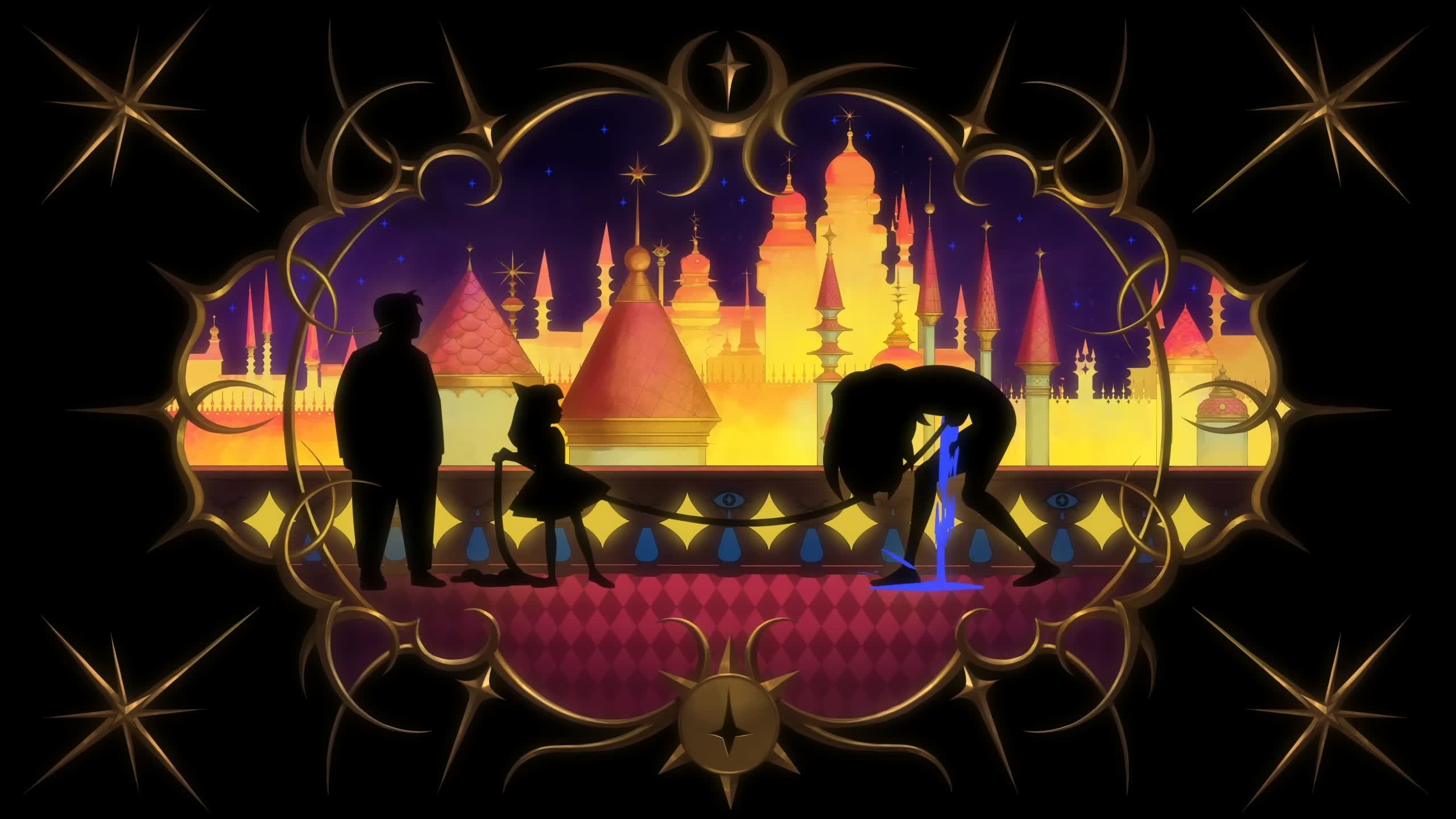
The world: cloud-palace above, scrap-sea below
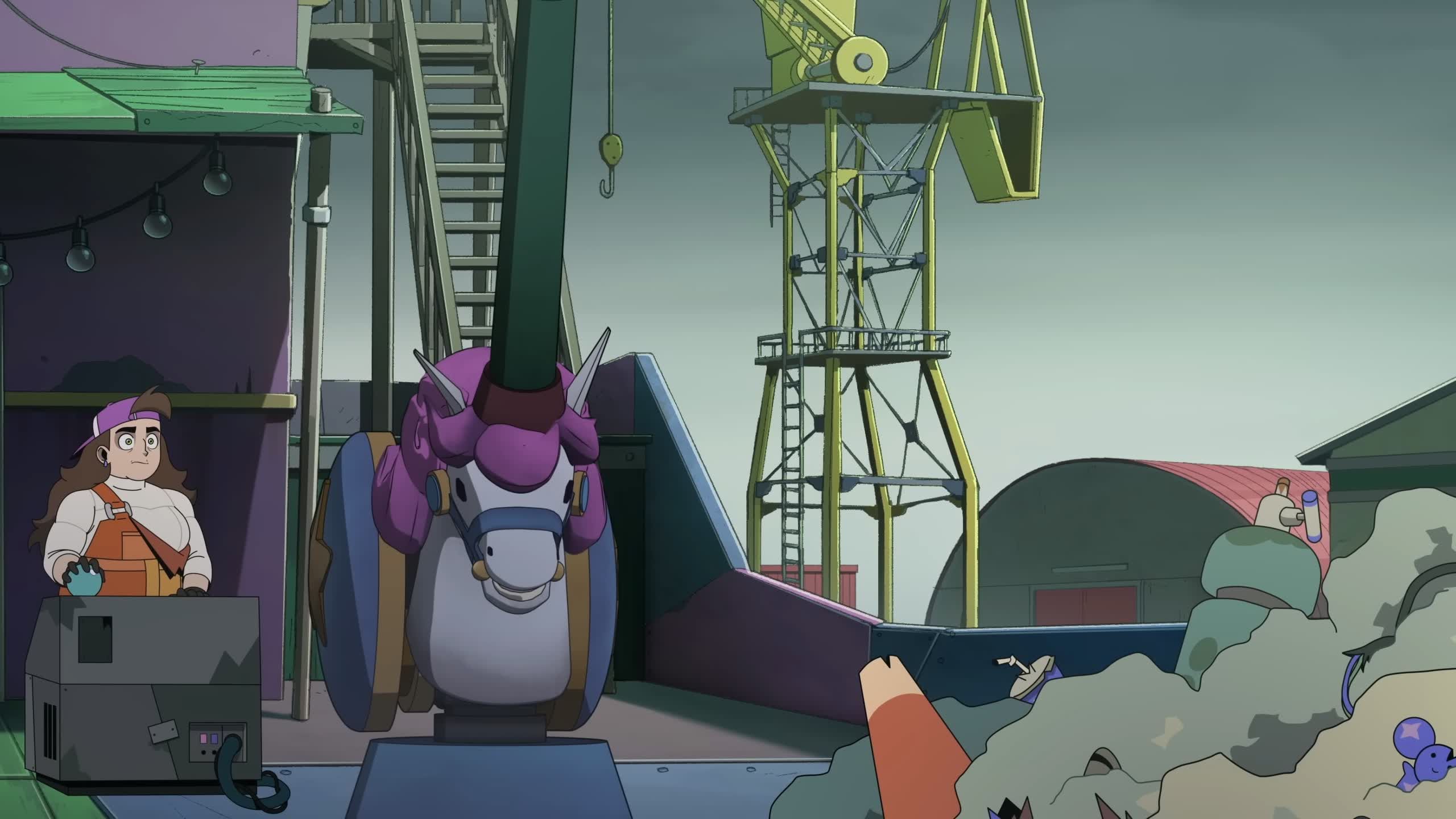
One of the best tricks in the Knights of Guinevere pilot is its visual contrast. Above, a world of sparkling parks and eternal festivals. Below, rust, saltwater, and crushed dreams. Frankie works the docks melting down park debris into souvenirs – the literal refuse of wonderland turned into survival currency. When he drags the Guinevere unit out of the ocean, there’s awe in his eyes, but also desperation. The show knows that for its characters, magic and money are two sides of the same coin.
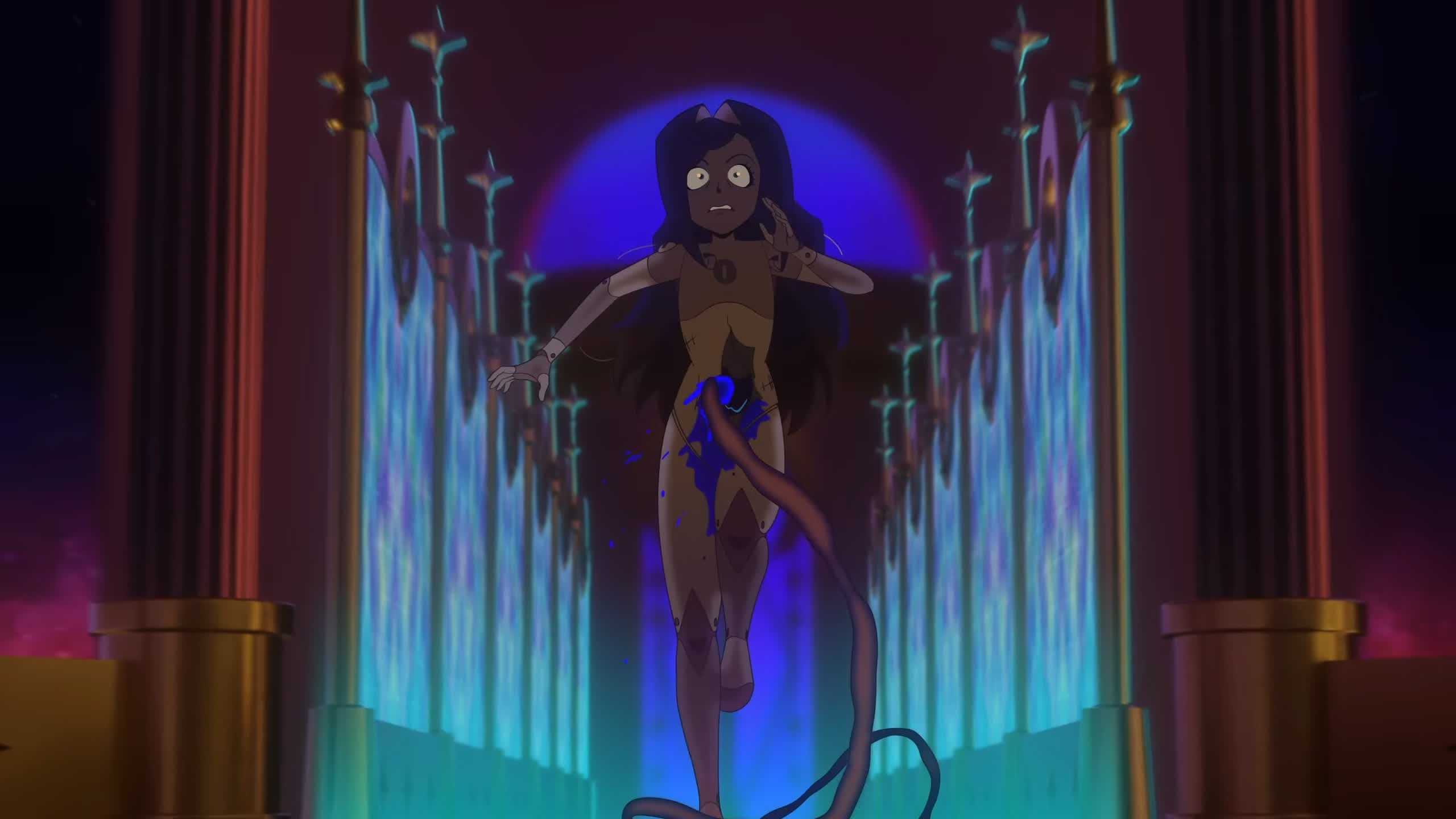
When Frankie’s crewmate pushes back on the idea of stealing the android, the story hits a moral nerve that defines the whole episode:
“Is it stealing or is it rescuing?”
That simple line drives the tension and sets the moral gray tone that makes this series more than just another “lost robot” story.
Characters who pop off the screen
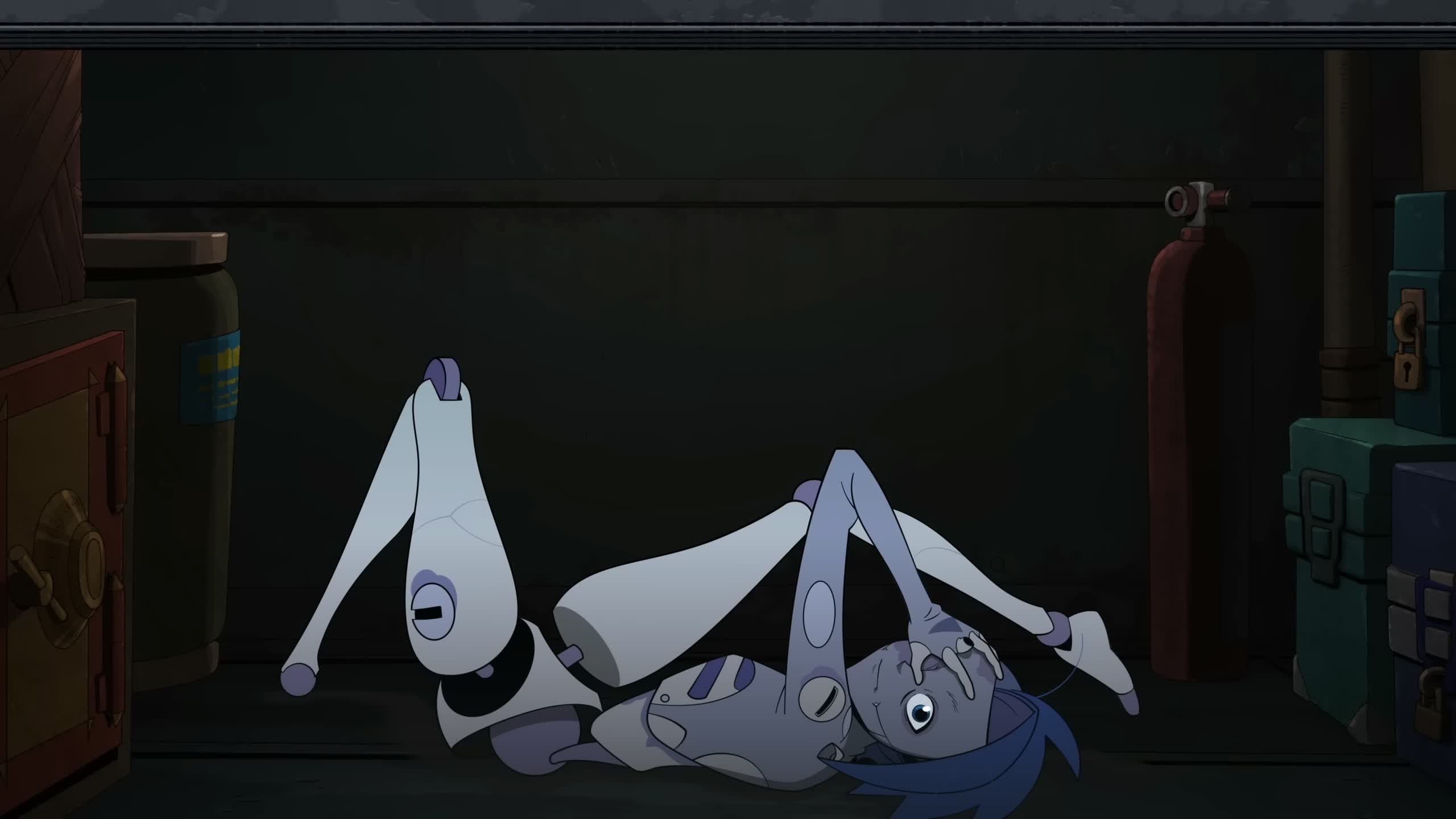
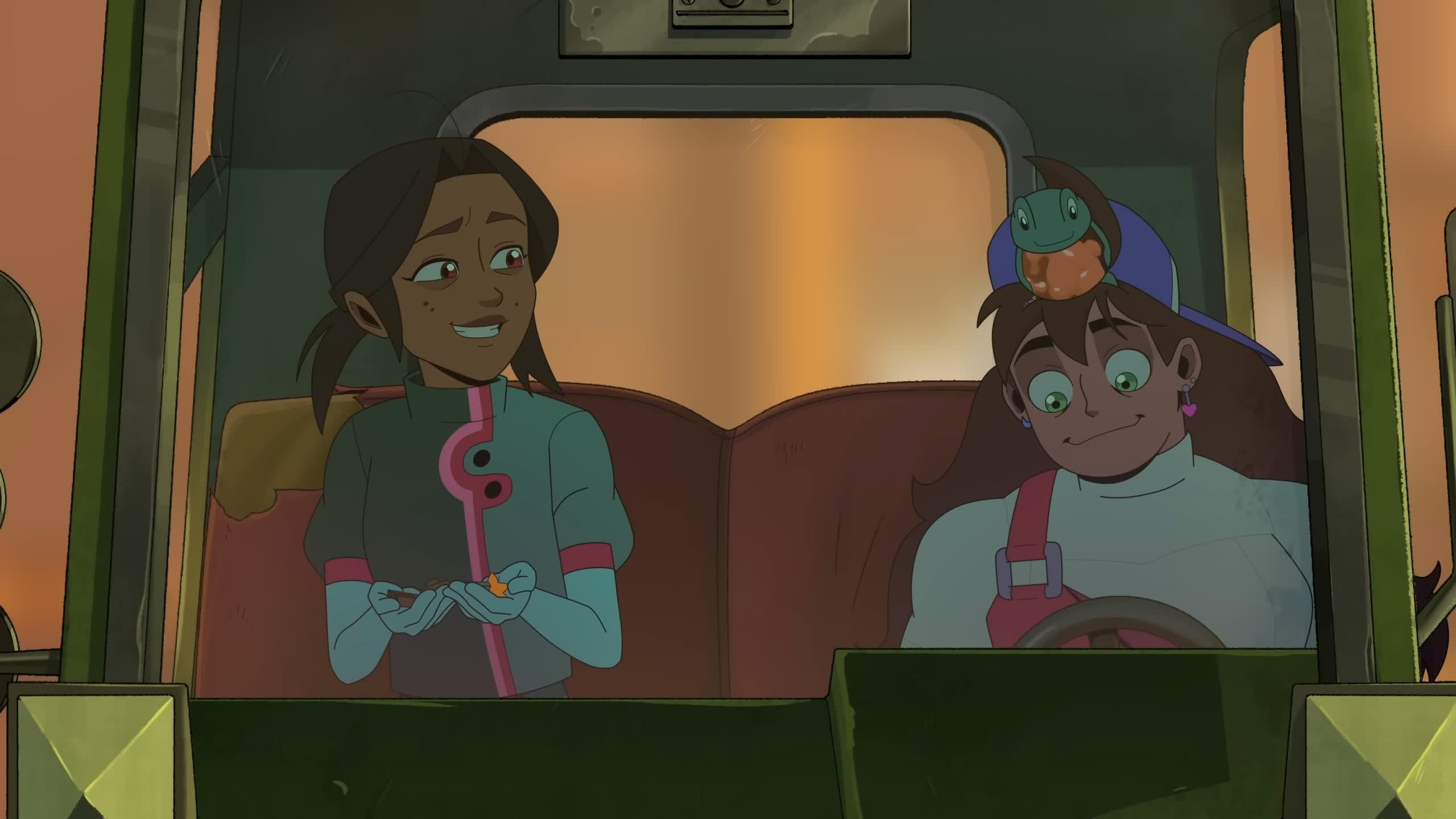
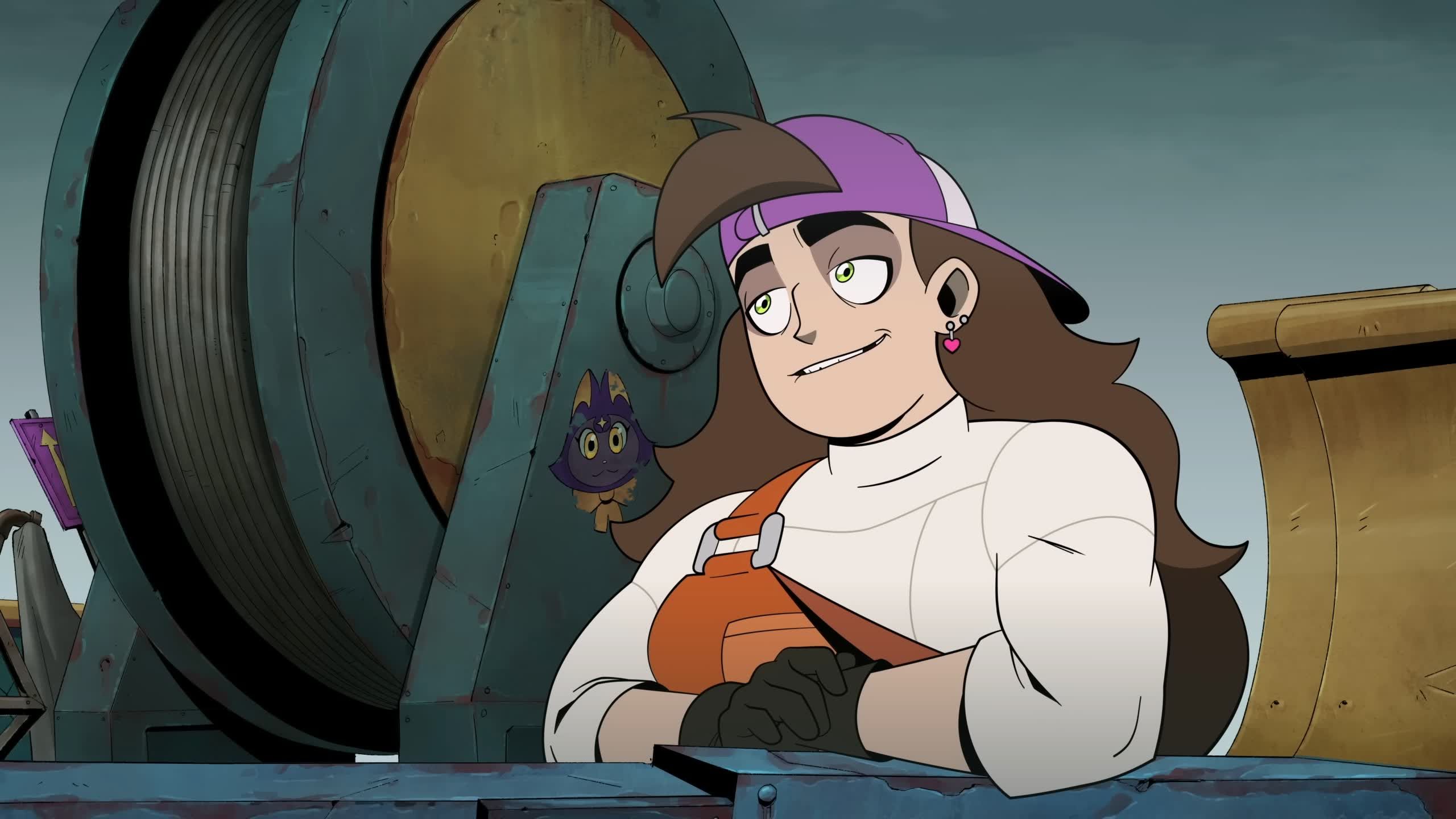
Frankie is a tinkerer with a dreamer’s heart – the type who can rebuild a servo with duct tape and a prayer. Andi is all precision and burnout, a junior engineer who’s one paycheck away from losing everything. Together, they bring balance: hope and cynicism, spark and static. Their chemistry sells the emotional side of Knights of Guinevere long before the action does. And then there’s Guinevere herself – a decaying icon, half goddess and half glitch. When she reboots and greets the pair by name, the tone flips from sci-fi mystery to eerie intimacy:
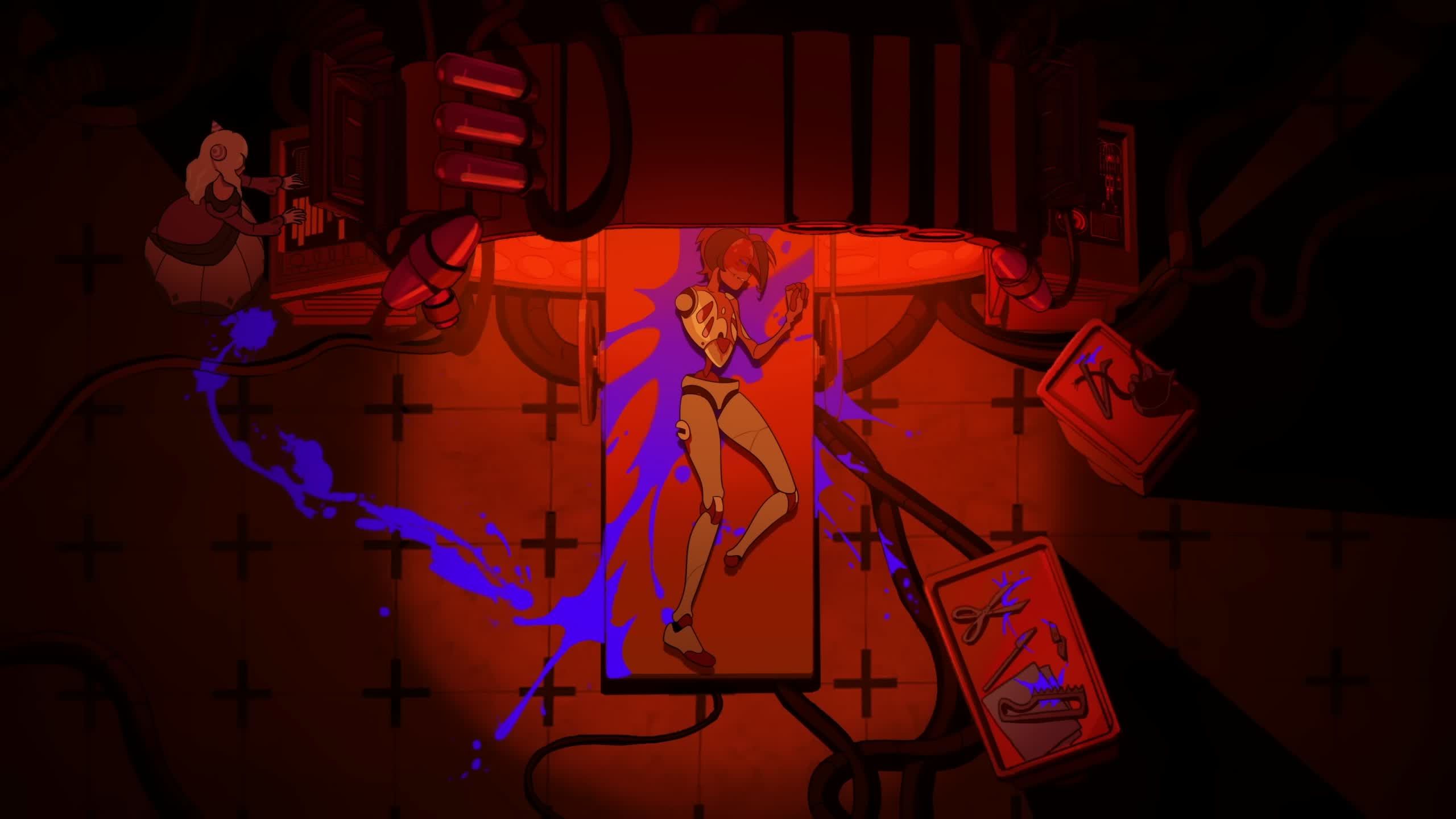
“Hello, Francesca. Hello, Andrea. It’s nice to see you two again.”
That moment turns her from an object into a ghost – and the pilot from a setup into something personal and unsettling.
How it looks and sounds
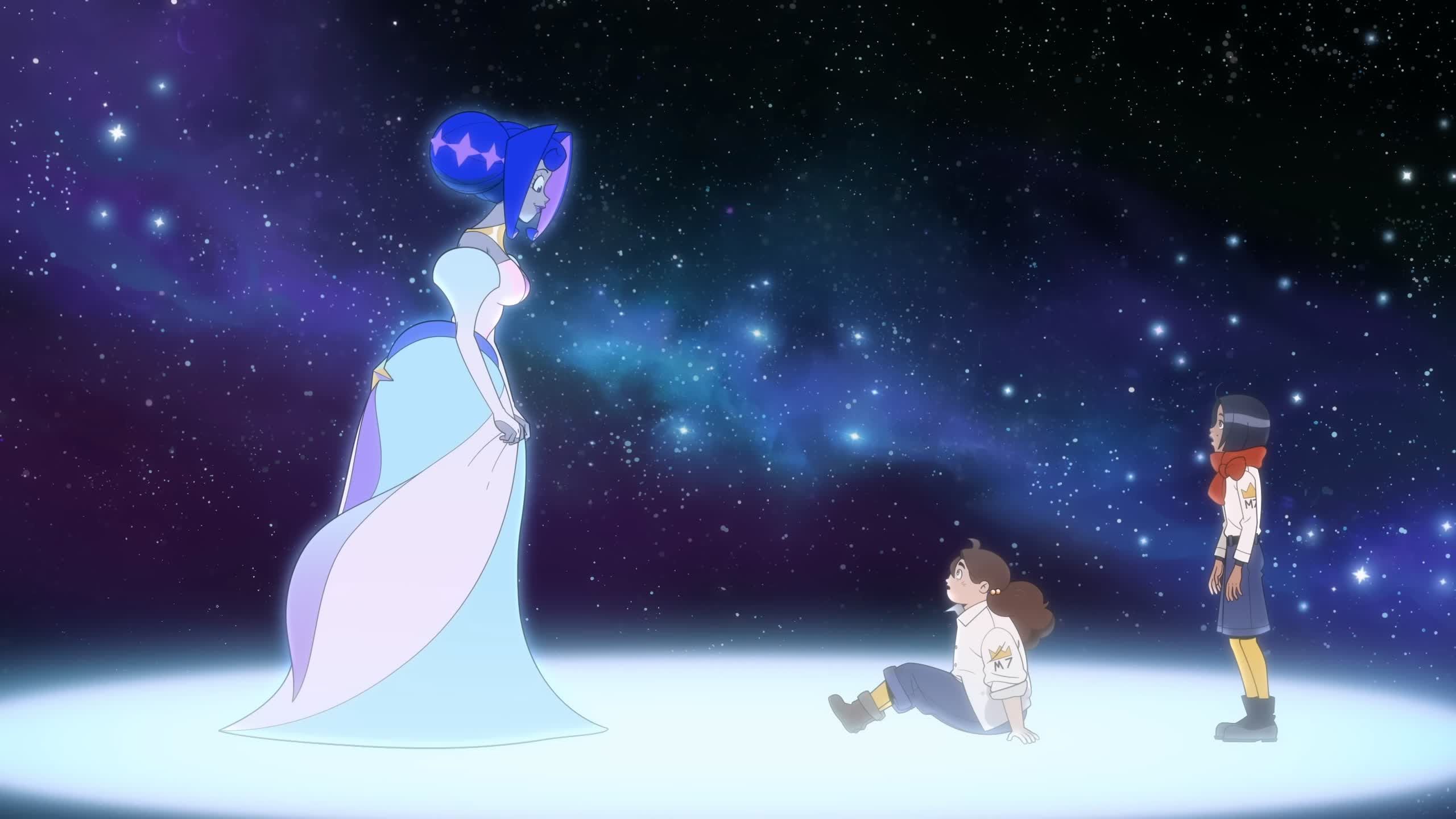
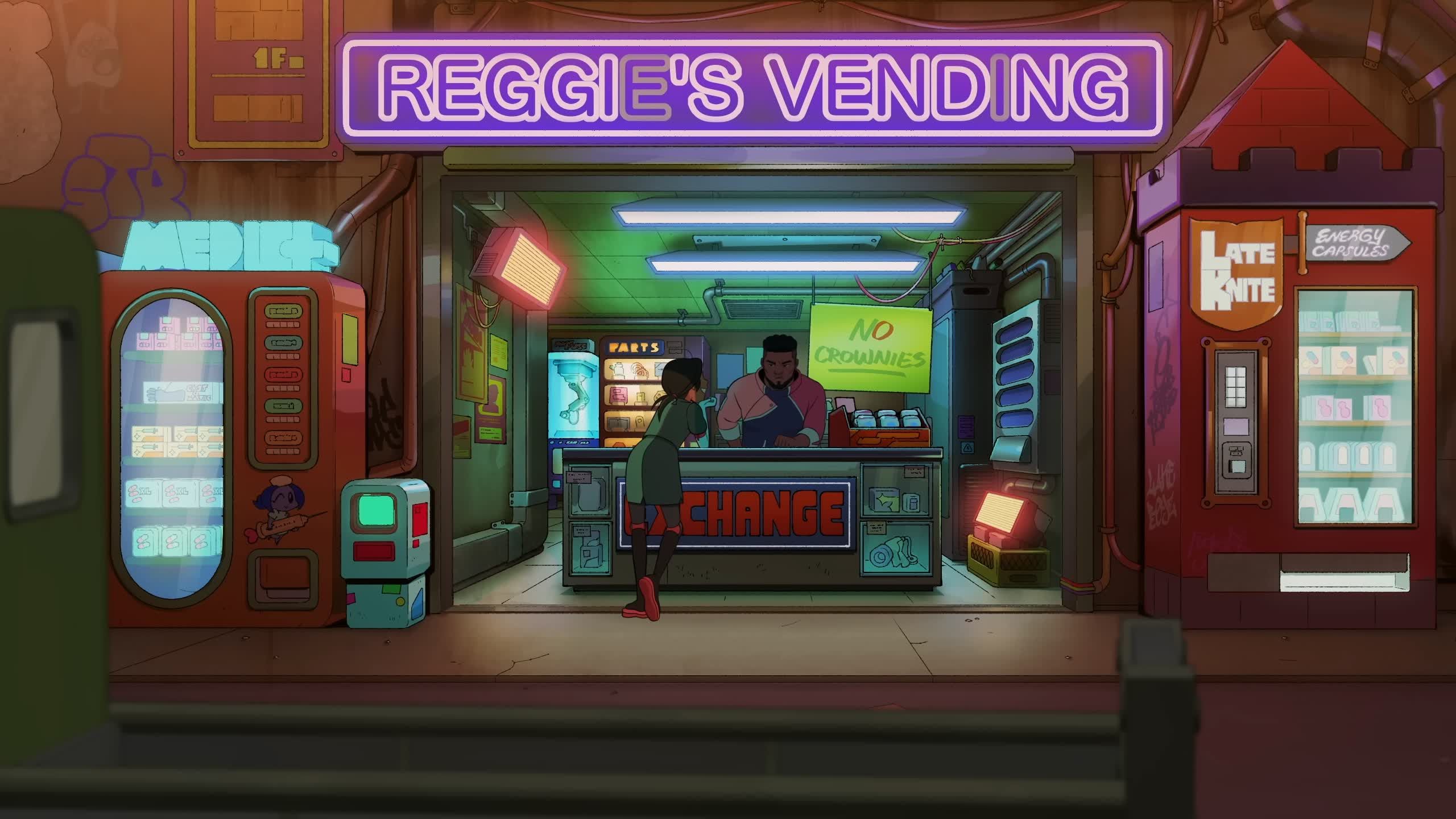
The pilot episode of Knights of Guinevere feels like a dream built from rust. The art direction slides between sugary commercial perfection and grimy industrial realism without ever feeling forced. The colors pop like advertisements while the textures feel lived-in, damp, and tired. The sound design builds on that: one minute you hear cheerful park jingles, the next–screaming metal and panic in the labs. It’s sensory whiplash, but intentional, and it works to show the beauty and horror of this world.
Big ideas, not just big vibes
Knights of Guinevere sets up its themes early, and the cast of characters makes those big ideas feel intimate. It’s about class and myth, about who gets to “own” a story when that story becomes a brand. It’s about memory – not just the digital kind, but cultural memory – shared and sold back to you. And it’s about the cycle of power that keeps the system running. One line from the upper tower scenes captures it with chilling precision:
“All monarchs are usurpers and descendants of usurpers.”
That’s the series’ entire thesis in miniature. Every legacy–royal, corporate, or personal–comes from someone taking something that wasn’t theirs. And in Knights of Guinevere, even fairy tales bleed for it.
Standout beats (no spoilers beyond the premise)
- The dockside standoff: Frankie’s bid to save the android spirals into a brawl that lays bare his loyalty, desperation, and the high price of dreaming.
- The Lower Labs chase: a mix of claustrophobic horror and mechanical mayhem, proving the show’s not afraid to get dark fast.
- The reboot sequence: Guinevere’s awakening, with her fairytale narration bleeding over industrial chaos – a haunting contrast that sums up the tone perfectly.
Knights of Guinevere delivers a slick, story-driven pilot that blends class commentary, sci-fi intrigue, and emotional grit. It doesn’t rely on spectacle; it earns it through character. The writing’s sharp, the animation gorgeous, and the world feels painfully relevant. It’s hopeful, angry, and just weird enough to stand apart. If the next episodes keep up this energy, this could be the defining indie sci-fi series of the decade.