The Background Street Crosser is a recurring nameless extra in CliffSide whose entire identity is a single running gag: he is the pedestrian who is always, somehow, in the wrong place at the wrong time. He never gets a line of dialogue worth remembering and never drives a plot forward, yet later character and species pages keep reaching back to him as the clearest proof that nobody in this town is actually safe–not even the guy crossing the street in the background of someone else's scene.
That makes him an unusual kind of character profile. He isn't built from screen time the way a lead is; he's built from citation. Pages about Waylon, Death, and the valley's monster species each circle back to him to make the same point–that CliffSide treats "background" as a temporary, revocable status rather than a guarantee of safety.
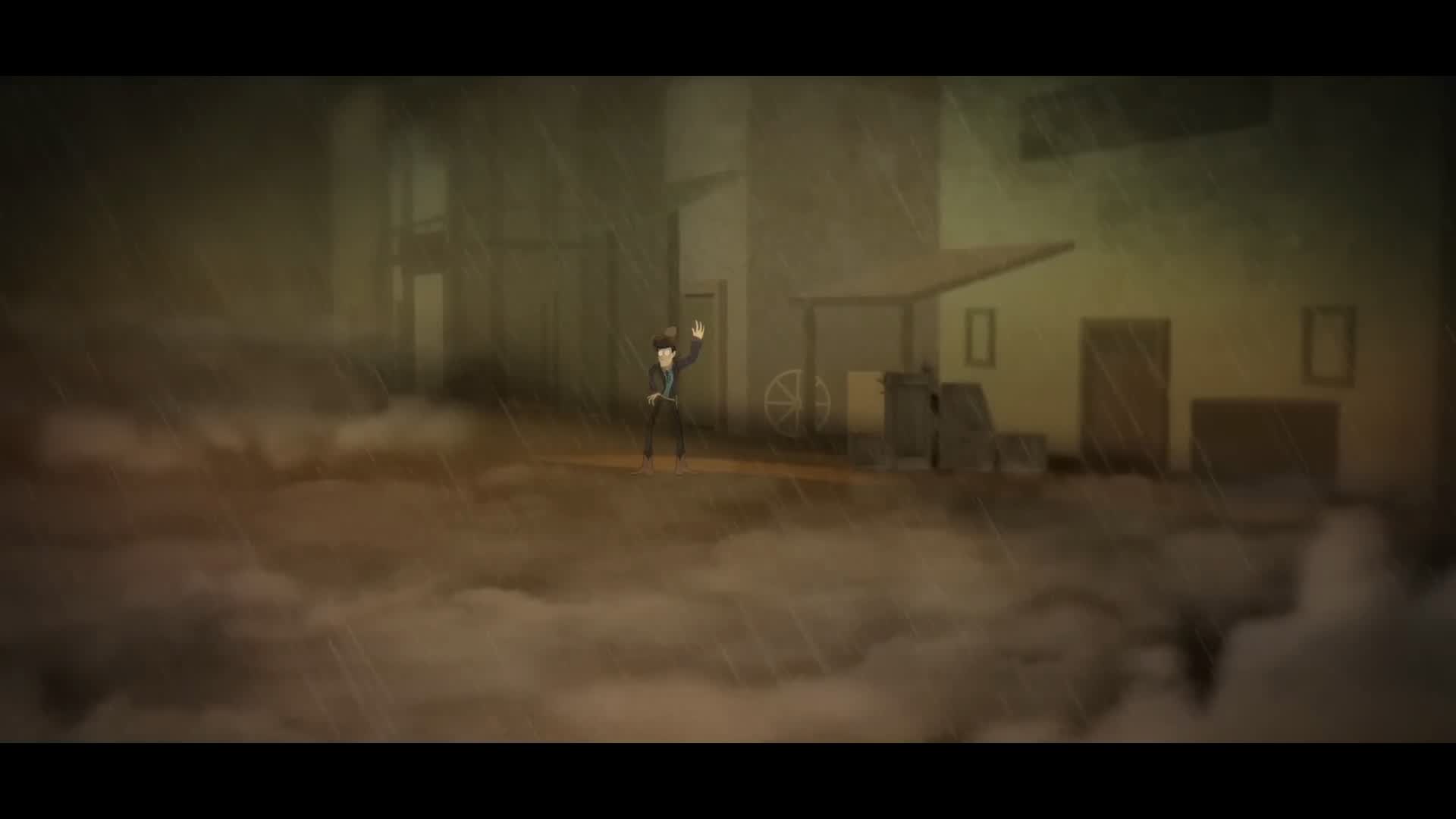
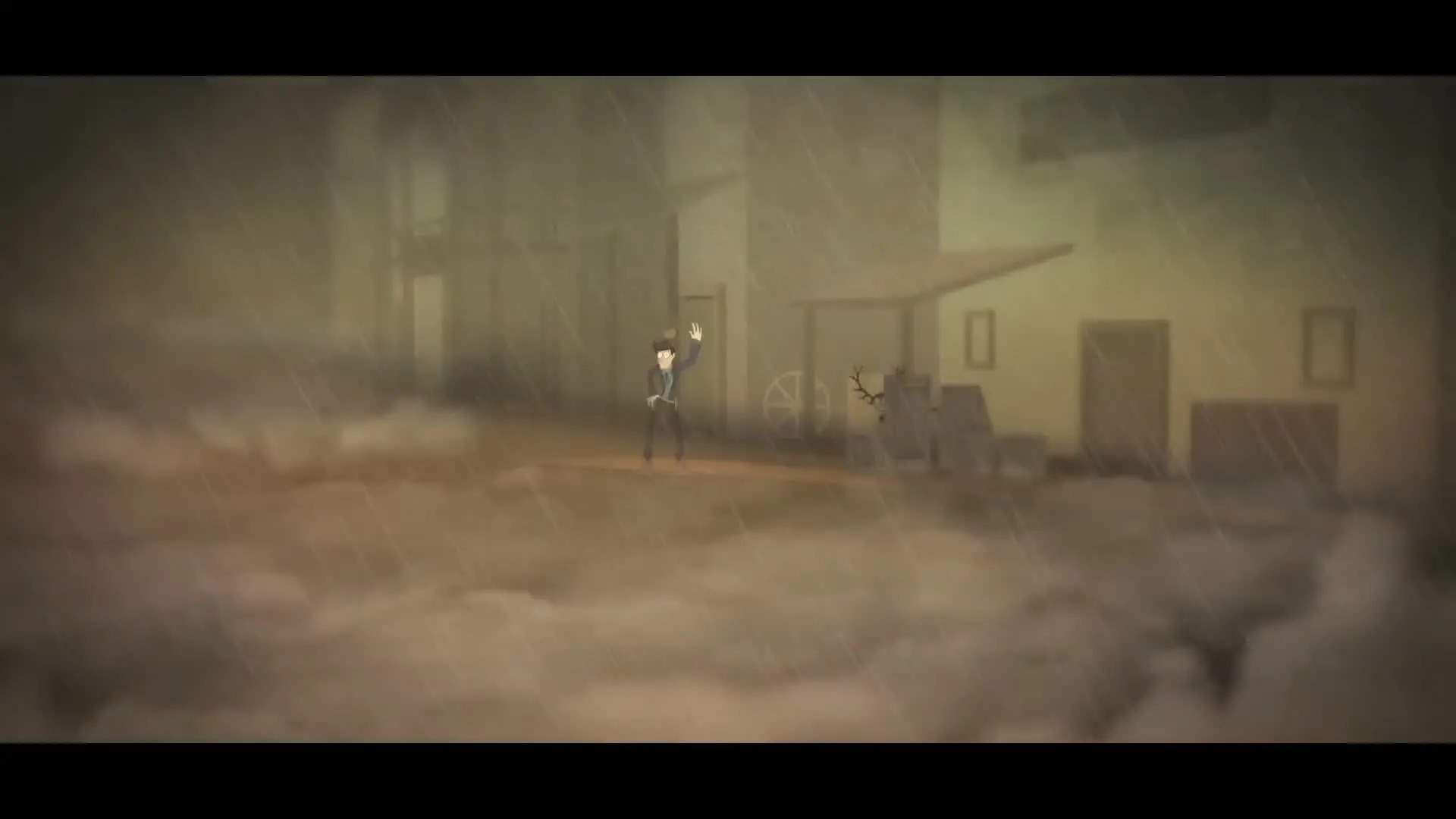
The unnamed pedestrian whose near-misses became one of CliffSide's longest-running visual jokes.
Origin and first appearance
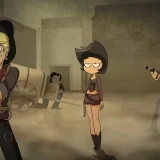
However small his footprint, the Background Street Crosser earns his place the way most good running gags do: through repetition. The pilot establishes him during a tonally busy stretch–Jo arrives with deadpan competence, a quick rescue-and-retreat showcases Waylon's poor marksmanship, and the crosser drifts through frame as collateral scenery for a joke that isn't really about him. That cameo is the character in miniature: he exists at the edges of someone else's beat, used to sell danger or incompetence without slowing the story down to acknowledge him directly.
Then the show keeps the gag alive past the pilot. Later episode and species write-ups treat the "passerby who almost gets hit" as an established CliffSide motif rather than a one-off joke, which is how a background extra without a credited line ends up referenced across multiple character pages as a known quantity.
Personality and key traits
| Trait | Description |
|---|---|
| Perpetually unlucky | He is never the target of the danger around him, only ever caught in its path. The joke depends on him being exactly where trouble is passing through, every single time. |
| Obliviously persistent | However many close calls he racks up, he keeps crossing. The gag resets rather than teaches him caution, which is part of why it reads as comedy instead of tragedy–until it doesn't. |
| Reactive, not active | He doesn't generate plot; he absorbs it. His function is to register the danger level of a scene by how close it comes to flattening him. |
| Disposable by design | Other pages use him precisely because he is replaceable. CliffSide can escalate a threat through him without spending a named character's safety to do it–until the story decides to spend his instead. |
| Structural, not personal | He has no arc of his own. His role is to be a measuring stick other characters and species get compared against, which is also why he keeps reappearing in unrelated profiles. |
Story arcs and development
Beat 1 – "The pilot cameo." Start: Waylon attempts a quick rescue-and-retreat that immediately exposes his poor marksmanship. Then: the Background Street Crosser drifts through the chaos, a frantic "watch out" doing nothing to stop the stray danger from brushing past him. As a result: the moment plays as a sight gag about Waylon's incompetence, but it also quietly establishes the crosser's whole purpose–he is the town's built-in collateral-damage meter, present specifically so the audience can measure how close a reckless hero comes to hurting someone who never asked to be part of the scene.
Beat 2 – "Bystander vs. stampede." Start: when a Wendigo pack turns a ground chase into a stampede, the show reuses its "near-miss pedestrian" joke under harsher conditions. Then: what reads as slapstick in a calm street starts to feel genuinely dangerous once a full pack is moving through the same space. As a result: the species' threat level gets measured, in part, by how much pressure it puts on a gag that previously cost nothing–the joke survives, but only barely, and the strain shows.
Beat 3 – "Collateral lesson." Start: in a scene built around Death, the bystander wanders into frame the way he always does. Then: Death removes him–casually, mid-line, without breaking stride or tone. As a result: a recurring slapstick bit is upgraded, in a single beat, into proof that background status offers no protection in CliffSide. The show doesn't pause to mourn him or even fully acknowledge what happened; it simply moves on, which is the point. If the cosmic force at the center of the series will not slow down for a named lead, it certainly won't slow down for an extra.
Beat 4 – "Cameo as structure." Start: once the Background Street Crosser's pattern is established, other character write-ups start citing him as shorthand. Then: profiles built around disappearance, escalation, or sudden danger–including Dan McJaw's–point back to the crosser's example to explain how CliffSide turns peripheral figures into proof of stakes. As a result: he outgrows his own scenes. He becomes a reference point the show's other character pages use to explain a recurring structural trick: introduce someone as harmless background texture, then use them later to demonstrate exactly how unforgiving the setting can be.
Relationships with other characters
| Character / Entity | Role vs. the Background Street Crosser | Dynamics |
|---|---|---|
| Waylon | Accidental endangerment | His frantic "watch out" fails to prevent collateral damage during the pilot's rescue-and-retreat, a recurring reminder that Waylon's improvisations put bystanders at risk even when nobody is actually trying to hurt anyone. |
| Death | Unceremonious threat | Death removes the bystander mid-line without ceremony, the clearest demonstration in the series that background status offers no shield once the story's real danger decides to pay attention. |
| Wendigos | Stampede hazard | A pack-driven chase turns the usual near-miss joke grim, showing how quickly a slapstick gag can curdle into genuine triage once a fast, numerous threat is involved. |
| Terror Birds | Escalated road hazard | The species sharpens the same joke the crosser originated, making every street crossing feel like a bad decision instead of a safe background detail. |
| Dan McJaw | Structural precedent | Dan's own disappearance from the story's climactic stretch echoes the lesson already attached to the crosser: in CliffSide, even figures who seem safely peripheral can be used to show how unforgiving the setting becomes once stronger forces move through it. |
| CliffSide (the town) | Permanent backdrop | He belongs to the town the way a piece of street furniture does–always present, rarely acknowledged, and quietly load-bearing for every scene that needs to prove its danger is real. |
Appearance, symbols, and recurring motifs
Visually, the Background Street Crosser is designed to be forgettable on purpose–an ordinary townsperson silhouette with nothing about his clothing, posture, or face built to hold attention. That anonymity is the entire point: he has to look like set dressing so that the moments he gets caught in danger land as surprises rather than telegraphed beats. The show never gives him a distinctive prop, a catchphrase, or a design quirk the way it does for named outlaws and monsters, because a memorable design would undercut the joke that he is, by definition, the kind of person nobody is supposed to notice.
Functionally, he operates as a recurring motif more than a character: the literal embodiment of "background" as a narrative category. Other pages reuse him as a unit of measurement–how close did this threat come to flattening the guy who isn't even supposed to be part of the scene–which makes him one of CliffSide's quieter but more durable running jokes, right up until the moment the show decides the joke is over.
Fandom and alternative names
- Background Street Crosser – official label used in character pages and site navigation.
- The Crosser – common fan shorthand in discussion threads.
- The Unlucky Pedestrian – descriptive nickname referencing his running-gag status.
- Town Extra #1 – tongue-in-cheek tag used when comparing him to other background CliffSide townspeople.
- Уличный прохожий (RU) – common Russian-language description used in community posts.
- El Transeúnte (ES) – informal Spanish-language paraphrase seen in fan discussions.
Interesting details
- Function over name: he has never been given a proper name on screen; every reference to him across the site uses some variation of "background street crosser" or "the bystander."
- Running-gag origin: his first notable appearance lands during the pilot's rescue-and-retreat beat, where he becomes incidental proof of Waylon's poor aim under pressure.
- Escalation device: later writers reuse his "near-miss pedestrian" joke to measure how dangerous a new threat–like a Wendigo pack or Terror Birds–really is, simply by tightening how close that threat comes to him.
- The line that ends the joke: in at least one scene, Death removes him casually and mid-sentence, turning a recurring slapstick bit into a blunt demonstration that nobody in CliffSide is exempt from consequence.
- Cited, not seen: several unrelated character profiles, including Dan McJaw's, point back to him as the clearest existing example of how CliffSide turns peripheral figures into proof of real stakes.
- No credited performer: as a background extra rather than a speaking role, he has no listed voice actor in the show's cast materials.