Mud is a gunman and fixer for the Smiling Dead in The Gaslight District. However, the character refuses the obedient-henchman mold from his very first beats: he jokes through danger, hoards cash inside his own body, and carries centuries of personal grudges that he settles with a smile and a shotgun.
Therefore, Mud serves as the show’s most combustible bridge between worldbuilding and plot—his immortality gags (reloading shells from his mouth, reattaching parts) read as slapstick until they suddenly matter for tactics, and his history with Paradise Lost turns a stealth plan into a five-millennia score to settle. In addition, he isn’t just muscle around Ken the Butcher; materials and dialogue frame him as Ken’s older brother and, by extension, the uncle who both indulges and endangers Melancholy Hill. Consequently, every time he steps forward, the tone tilts toward dark comedy that can end in real consequences: a hug becomes a headshot, a “prank” becomes an alarm, and a delivery truck becomes the bluntest argument in the district.
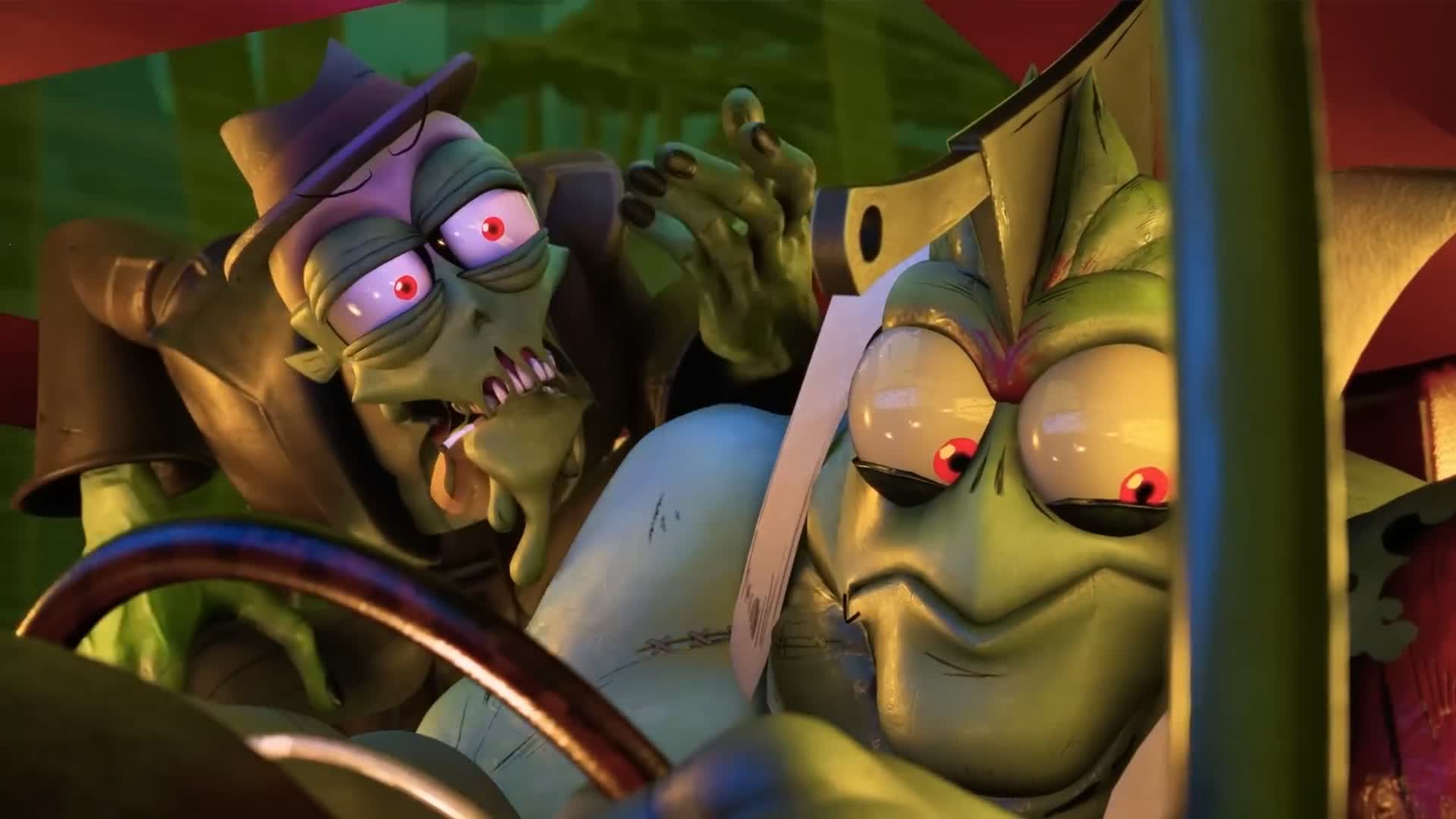 Open image: Mud speaks animatedly to Ken the Butcher while driving through the city
On the move: how Mud turns banter into tactics behind the wheel.
Origin and first appearance of Mud
However late the pilot reveals its theology, viewers meet Mud early as the Smiling Dead split their heist into lanes: Breadhead will manufacture an angel storm, Ken the Butcher will retrieve Mel, and Mud will neutralize cameras and guards. Then the script swerves. Inside a fluorescent monitor room, the intruder looms over a dozing guard—until the man wakes, beams, and yells “Mud?!” The reunion lands like a slapstick sketch; the guard is Joshua, a former friend who counts not years but millennia since they last met. As a result, a routine stealth knockout becomes a personal reckoning.
Mud loads a shotgun with shells from his mouth, fires point-blank, and beats the body with a chair, turning a hug into a rant about a 5,245-year falling-out. Next, the resurrection rules that govern Rotlings snap back: Joshua reanimates, tears Mud’s head off, and slams the intruder alarm while the gunman scrambles to recover his own skull. Consequently, Mud’s “introduction” does triple duty: it teaches the audience how death works here, it torpedoes the stealth plan, and it frames him as the family member who can improvise through chaos and still be the reason it started.
Personality and key traits of Mud
| Trait | What it looks like |
|---|---|
| Grinning pragmatist | He treats crises like puzzles to flip. If charm or a gag buys a second, he uses it; if not, he reaches for the quickest blunt instrument in reach, from a shotgun to a speeding truck. |
| Immortality wit | Mud turns Rotling biology into props—loading shells from his mouth, playing off dismemberment as inconvenience. The jokes land first, but they double as tactics under pressure. |
| Sticky-fingered opportunist | He steals small, stashes cash inside his own body, and squeezes value from every detour. The impulse reads as survival, not greed; he never lets the family ledger leave his thoughts. |
| Old grudges | He carries ancient resentment toward former colleagues in Paradise Lost. When Joshua recognizes him, the smile drops and the scorekeeping surfaces immediately. |
| Protective uncle | He cheers Mel’s swagger and backs her mid-job, yet he’s blind to what that “support” risks. The warmth is real; the judgment is not, and the gap fuels half the trouble. |
Story arcs and development of Mud
Security room reunion and the alarm (Pilot)
Start: Mud enters Paradise Lost to reroute guards toward Breadhead’s angel storm and keep the cameras pointed the wrong way. Then: a sleeping guard wakes, recognizes him, and hugs him—Joshua, a friend from 5,245 years back. The gunman smiles, loads shells from his mouth, and detonates the reunion with a headshot, only to learn the obvious lesson about Rotlings in this city: they get back up. Joshua reanimates, rips Mud’s head off, and slams the alarm while the intruder scrambles to recover his parts. As a result: a stealth segment becomes a public crisis, Diligence mobilizes the Virtue Corps, and the family’s quiet break-in accelerates into a siege that the truck will have to solve.
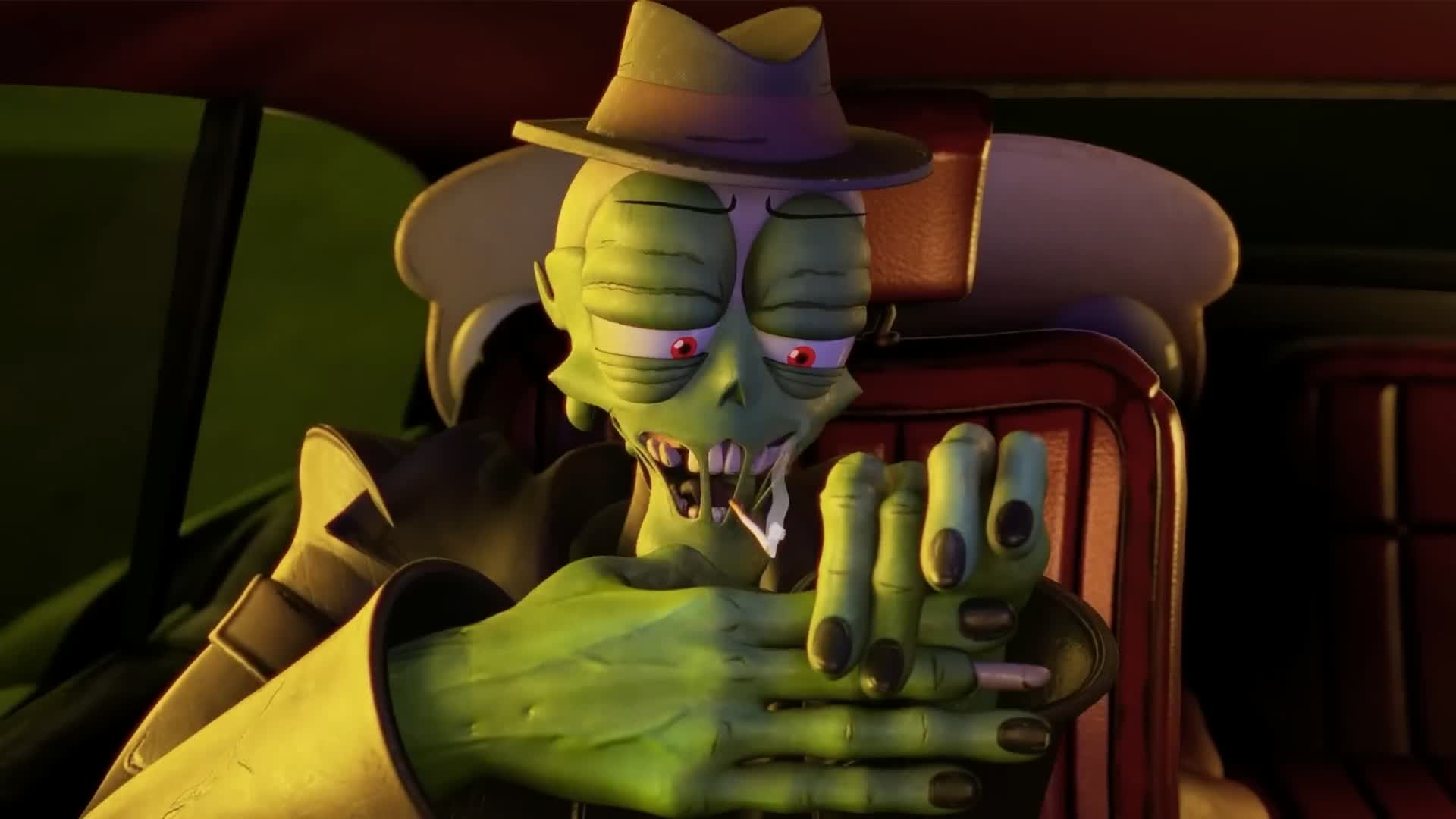 Open image: Mud lights a cigarette while sitting in the car from The Gaslight
Between alarms and chases, Mud keeps the engine — and jokes — running.
Drive, escape, and cleanup (Pilot)
Start: With the citadel on alert, Mud links back up with Ken and Mel, grabs the wheel of the stolen delivery truck, and floors it toward daylight. Then: the guard he just “killed” sprints outside to shout about intruders; Mud keeps the calculus simple and runs him down, choosing mass over another conversation. The move clears the lane to the road and buys seconds against a closing flock. As a result: the gunman cements his role as the escape artist: not the strongest fighter in the family, but the one who turns bad exits into usable paths and takes on the guilt of what that costs.
Cementing Jack the Rat (Pilot aftermath)
Start: The family neutralizes the witness who threatened their cover; the “cementing” euphemism becomes literal—chains, weight, and the sea. Then: Mud treats the cleanup like any other errand: he handles the body, quiets the mess, and—when no one is looking—shoves cash into his own stomach. As a result: the series locks in his ethical profile. He’ll do what the job demands and skim the margins while doing it, all while cracking a line that lets everyone breathe through the ugliness for one more step.
Long-range thread: Paradise Lost connections
Start: The Joshua scene implies an ancient past for Mud on the citadel’s side of the gate. Then: numbers like 5,245 years and the ease with which a guard greets him by name suggest more than a one-off encounter; they hint at a work history, friendships, or a life lived under the Virtues before the family coalesced. As a result: even when Mud is offscreen, the pilot leaves a hook tied to him: whatever the Smiling Dead do next inside Paradise Lost, someone there will remember his face, and the difference between a hug and a gun will be a single bad second.
Relationships with other characters — Mud
| Character — role vs. Mud | Dynamics |
|---|---|
| Ken the Butcher — younger brother and boss | The leader relies on him for speed and improvisation; the gunman relies on Ken for cover when charm fails. Their banter masks a pecking order: Ken plans, Mud adjusts. |
| Melancholy Hill — niece and co-conspirator | He encourages her bravado and protects her in motion, but he doesn’t see how close she stands to the prophecy’s fire. She hears his jokes as permission to push further. |
| Breadhead — nephew and teammate | They run interference for each other—Breadhead manufactures the storm; Mud steers guards into it. Family affection coexists with sniping over money and credit. |
| Joshua — ex-friend turned obstacle | A hug and a nickname (“Muddy Buddy”) expose a past life on the citadel side. Mud answers with violence, then backpedals with “it was a prank” when the guard reanimates and fights back. |
| Diligence — systemic enemy | The Virtues’ leader turns Joshua’s alarm into a lockdown. Mud’s improvisations briefly get ahead of the system; Diligence’s mobilization forces the truck to carry the day. |
| Angel Mother — aerial threat | Her command concentrates the angels into a killing flock. Mud’s driving keeps the family out from under the worst of it, but he can’t outsteer a sky that obeys a single will. |
| Jack the Rat — liability he helps sink | The gunman assists in the “cementing,” then pockets what he can. Jack’s betrayal reads to Mud as a bill to pay, not a moral debate. |
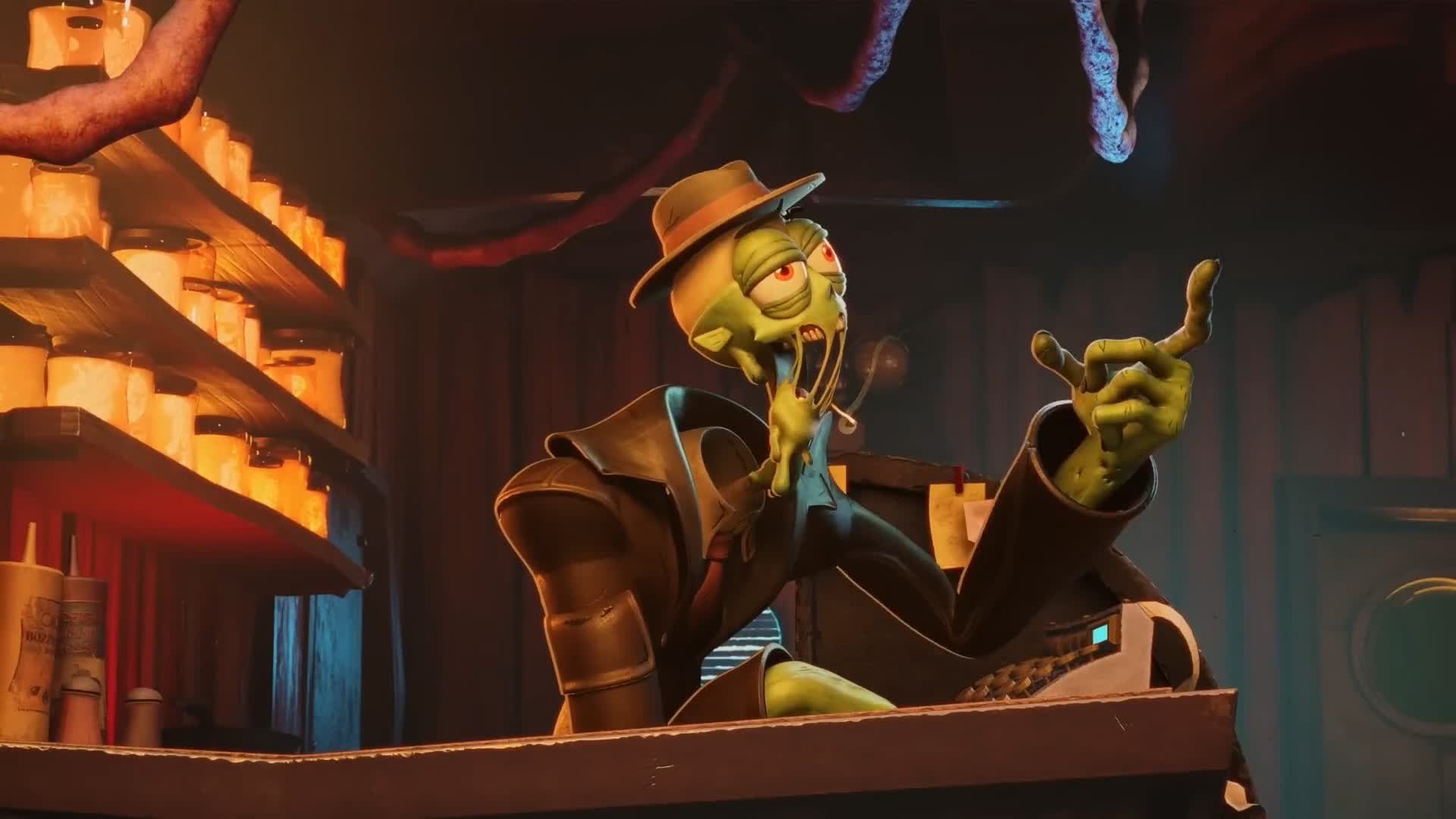 Open image: Mud gestures dramatically behind the counter surrounded by jars from The Gaslight
Behind the counter, Mud sells swagger as much as product.
Appearance, symbols, and recurring motifs of Mud
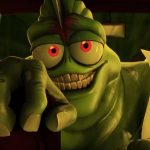
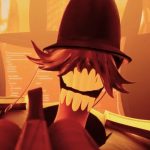
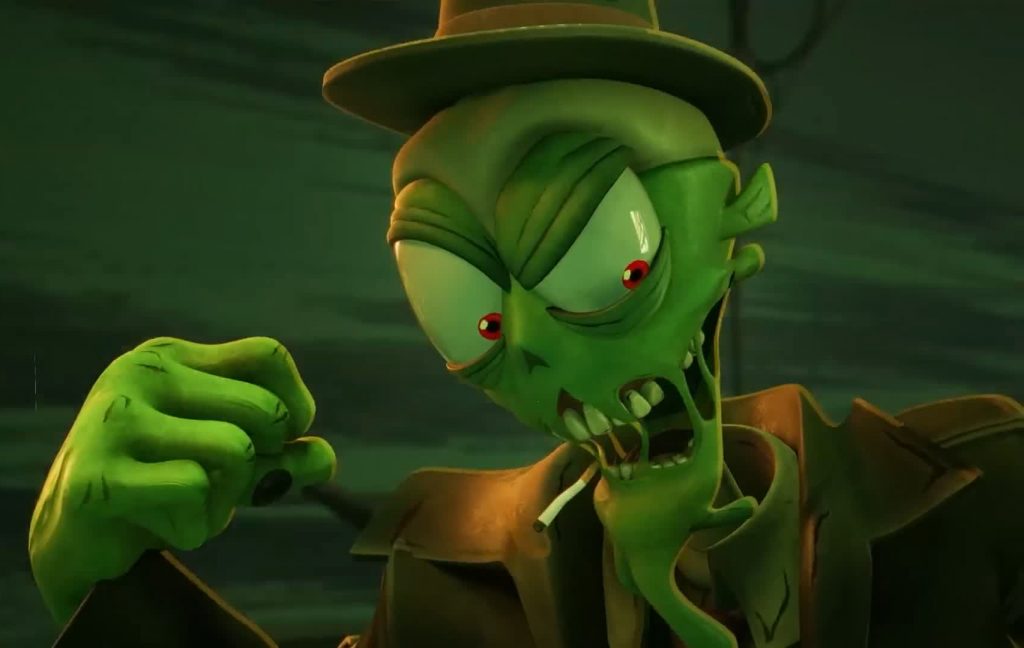
Visually, Mud reads as a lanky Rotling in funeral-parlor chic: a brown suit under a long coat, a short red tie, and a fedora that makes his skull look even longer. However, the face does most of the work. Green, sloughing skin hugs a nearly skeletal frame; red eyes with spiraled pupils sit above a mouth full of uneven teeth; the nose is gone, and the ears look shriveled down to nubs.
Next, he often clenches a cigarette and moves with a loose, slouching confidence until violence snaps him upright. As a result, every frame sells the same idea: this is a man assembled by the Black Hand’s bargain who knows how to use the bargain as a tool. Props seal the motif. A shotgun appears as easily as a wisecrack; shells come from his mouth; cash vanishes into his stomach; and a truck turns from scenery into verdict the second he decides to stop running and start driving.
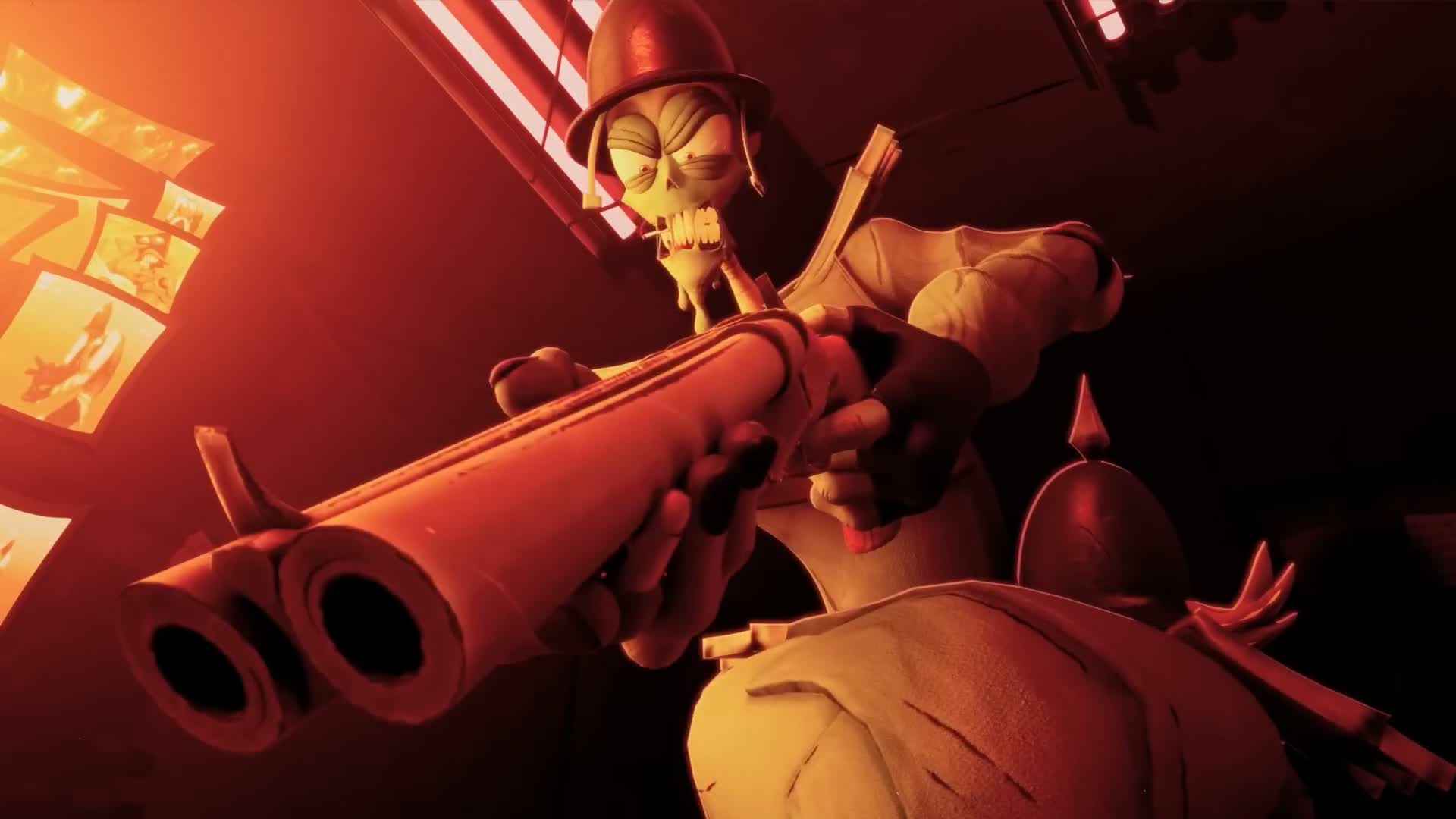 Open image: Mud aims a double-barreled shotgun under red light from The Gaslight District.
Fandom and alternative names for Mud
- Mud — official name in credits and dialogue.
- Ken’s brother — shorthand used in cast lists and recaps.
- Smiling Dead gunman — descriptive tag in episode summaries.
- Muddy Buddy — ironic nickname lifted from Joshua’s greeting.
- Мад (RU) — common Russian-language transcription.
- El Barro (ES) — occasional Spanish paraphrase in fan chatter.
Interesting details and quotes about Mud
- Voice and casting: Mud is voiced by John Whinfield, who also voices Jack the Rat, letting one performer play both sides of their chase; see also The Gaslight District Voice Cast.
- Family placement: materials and fan-facing guides list him as Ken’s older brother and uncle to both Mel and Breadhead.
- Immortality gag as tactic: he reloads by spitting shells from his mouth and keeps moving after dismemberment, treating Rotling resilience like an everyday tool.
- Heist role: he reroutes guards via the PA, then loses the room when Joshua reanimates and hits the intruder alarm.
- Road decision: he runs down Joshua with the delivery truck, prioritizing escape over any second reunion.
- After the “cementing”: he hides money in his stomach, a small, grim joke about what bodies are for in the district.
- Gang function: alongside Breadhead, he often serves as a tritagonist—less a sidekick than a second engine for momentum and mess.
- Quote (to Joshua):
How long has it been? 5,000 years?
- Quote (Joshua to him):
How’s my Muddy Buddy?
— a nickname that instantly curdles the stealth plan.
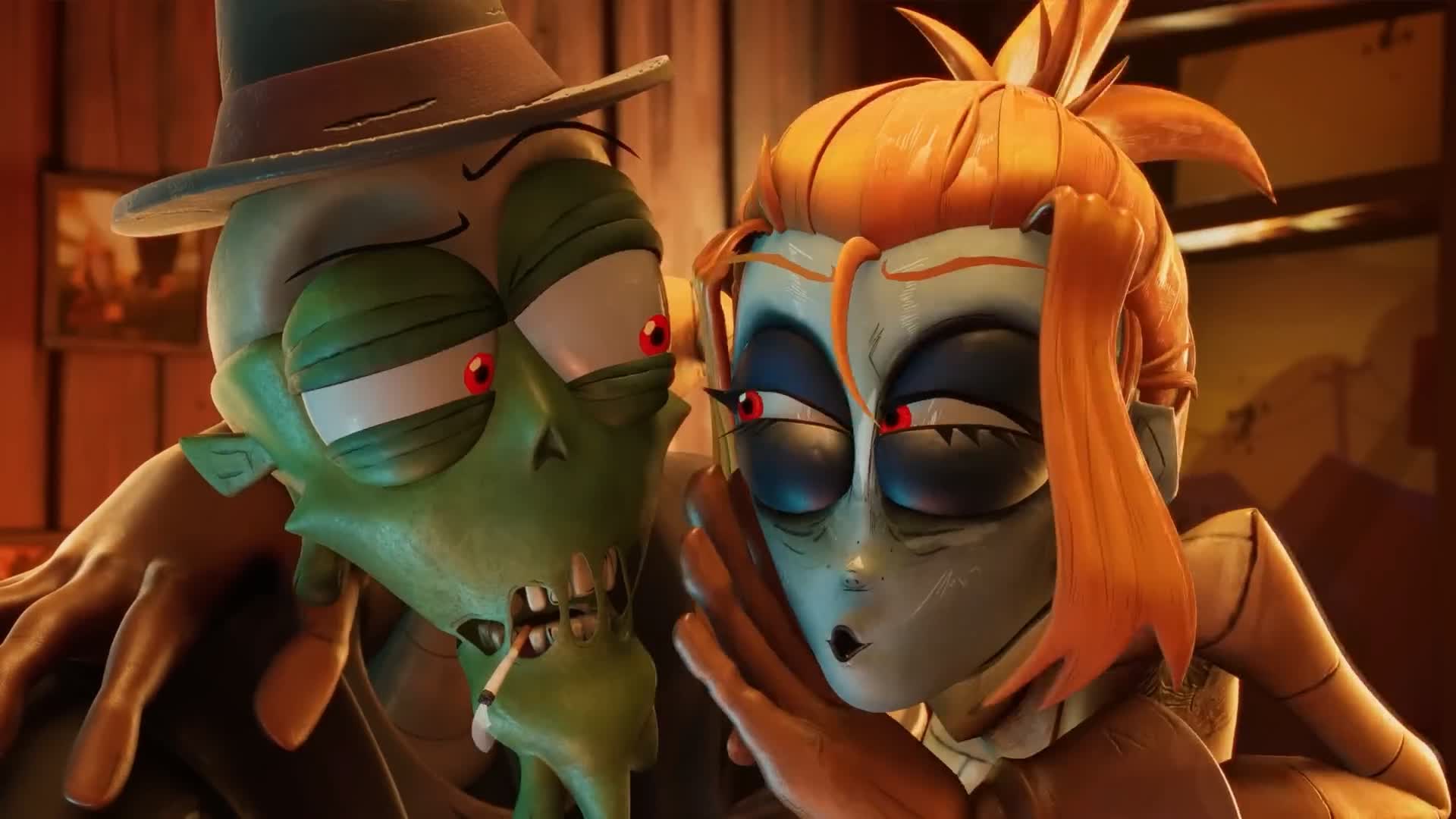 Open image: Mud listens closely as Melancholy Hill whispers to him from The Gaslight
Finally, Mud gives The Gaslight District its most reliable accelerant. Therefore, when the plot needs to jump a track—from stealth to chase, from joke to injury—he puts a foot down and laughs as the wheels catch. As a result, the series can balance worldbuilding with kinetic beats without stopping to explain the rules; Mud demonstrates them by surviving them, and the family keeps moving because he refuses to let the district’s curse slow him down.
Whispers and wheels: Mud turns secrets into motion.